NASA shared the audio from a black hole showing what it actually sounds like and people are saying it's really creepy
Published on May 18, 2026 at 9:58 PM (UTC-4)
by Daisy Edwards
Last updated on May 22, 2026 at 4:40 AM (UTC-4)
Edited by
Mason Jones
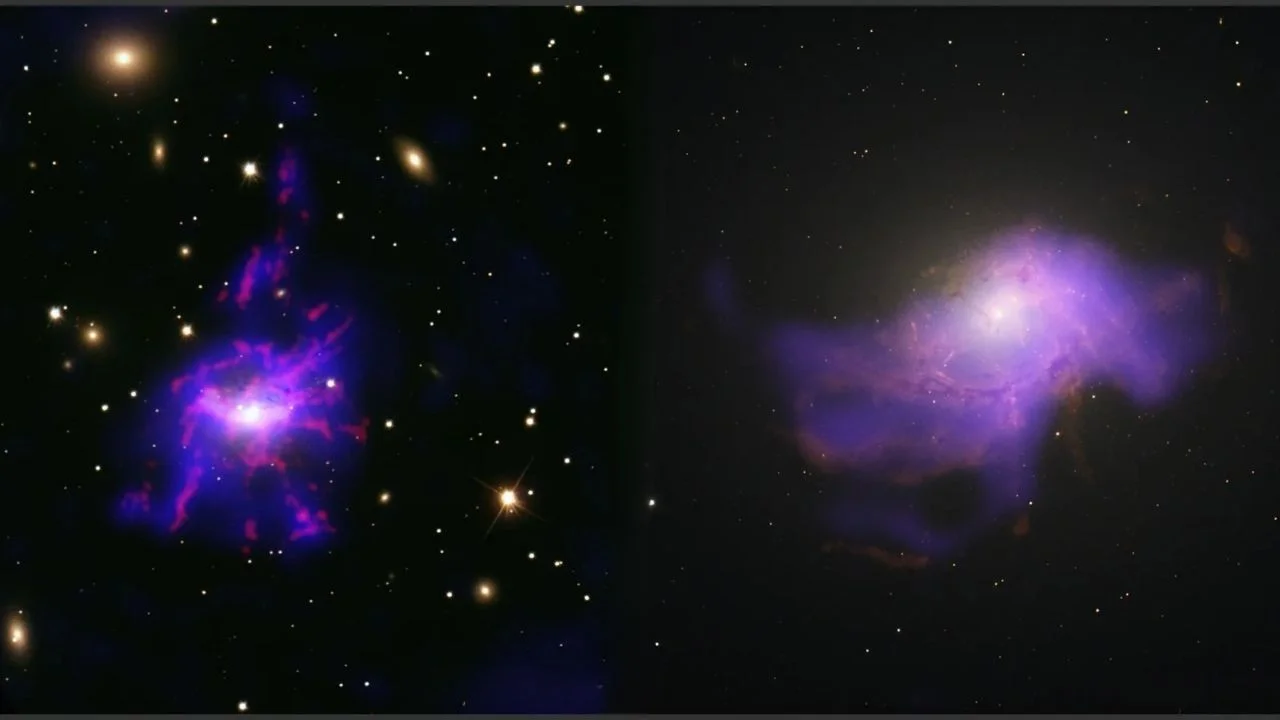

Have you ever wondered what a black hole would sound like if humans could actually hear it, well thanks to NASA, we know now.
The space agency shared an eerie audio clip from deep space, and the internet quickly became obsessed with how unsettling it sounded.
The haunting noise came from a black hole located at the center of the Perseus galaxy cluster, around 250 million light-years away from Earth.
And while it might sound like something from a creepypasta internet video, the audio was actually created using real data collected by NASA astronomers.
NASA transformed pressure waves from deep space into sound
Despite the famous phrase that nobody can hear you scream in space, NASA explained that sound can actually travel through certain regions of space.
The Perseus galaxy cluster contains massive amounts of gas, which allowed astronomers to detect pressure waves rippling outward from the black hole.
The waves were first discovered in 2003 using NASA’s Chandra X-ray Observatory.
However, the sound was far too low for human ears to detect naturally, sitting around 57 octaves below middle C.
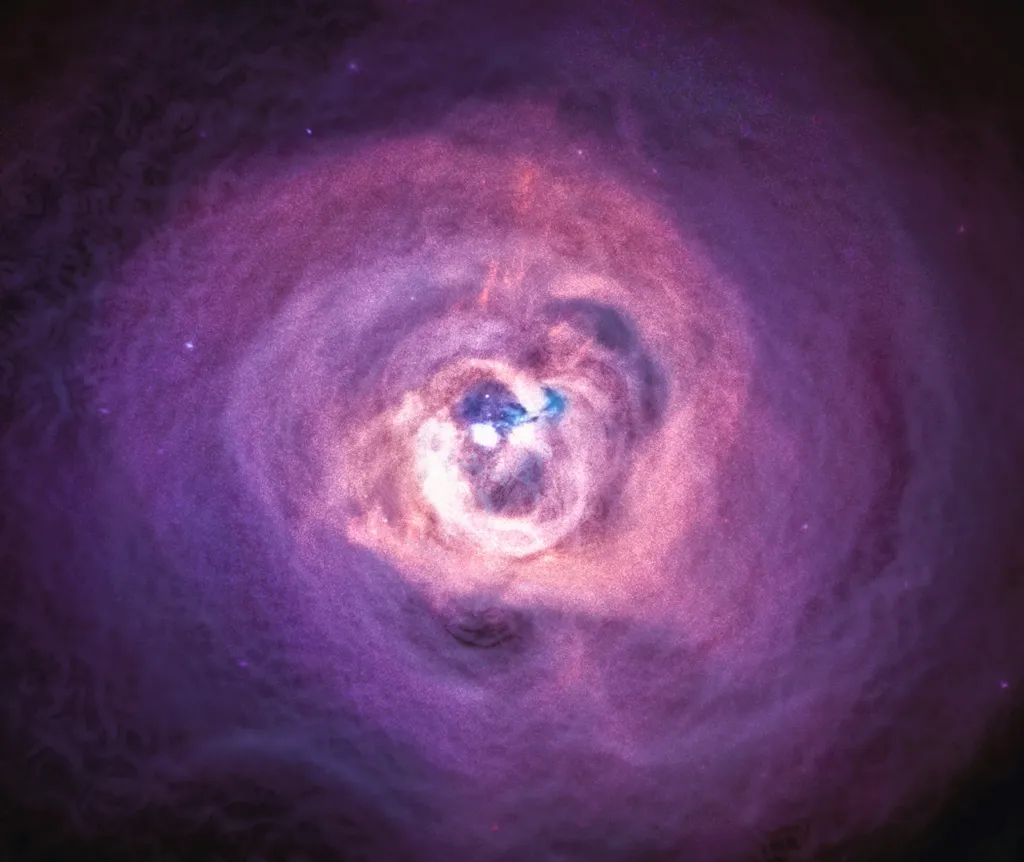
To make it audible, scientists raised the frequencies by 57 and 58 octaves, effectively converting the data into a sound humans could hear.
NASA described the project as a form of sonification, which transforms astronomical data into audio, but the resulting clip features deep droning noises and eerie groaning sounds that we find genuinely unsettling.
Related

The black hole audio quickly went viral online
The audio clip spread widely across social media after NASA shared it online.
Many people described the sound as creepy, unsettling, and surprisingly intense considering it came from space.
Others compared it to sound effects from horror films and dystopian sci-fi movies.
NASA also released a visualization alongside the audio showing ripples spreading outward from the black hole through the surrounding gas.

The agency explained that the sound waves were extracted in radial directions from the center of the black hole and then remapped into the human hearing range.
Even though the sound has been heavily processed to make it audible, the underlying data itself came directly from real astronomical observations.
Which somehow makes it even creepier, do you have goosebumps too?
Daisy is a technology and automotive journalist covering artificial intelligence, consumer tech, Apple news, cryptocurrency, emerging technologies, and transportation innovation. Since joining the team in 2025, she has reported on everything from AI-powered startups and major iOS updates to viral car stories and the latest developments shaping transportation and the digital economy. Drawing on her background in automotive journalism and a degree in History and Journalism from Goldsmiths, University of London, Daisy specializes in breaking down complex topics into clear, engaging reporting for a global audience. Her work spans cutting-edge technology, innovative vehicles, and the people driving change across both industries. Daisy has gained first-hand access to some of the world's most talked-about technologies and innovators, including meeting Tesla's Optimus humanoid robot during its first European appearance in London. She has also discussed the future of space exploration with an astronaut, bringing unique insights and real-world perspectives to her coverage of emerging technology.




