Footage shows Neuralink patient controlling Mario Kart using mind
- The first Neuralink patient is able to control a computer with his mind
- So far, we’ve already seen him play Mario Kart and chess using nothing but his brain
- Next, Neuralink wants to use brain chips to restore vision
Published on Mar 27, 2024 at 6:55 AM (UTC-4)
by Alessandro Renesis
Last updated on Mar 27, 2024 at 12:13 PM (UTC-4)
Edited by
Tom Wood
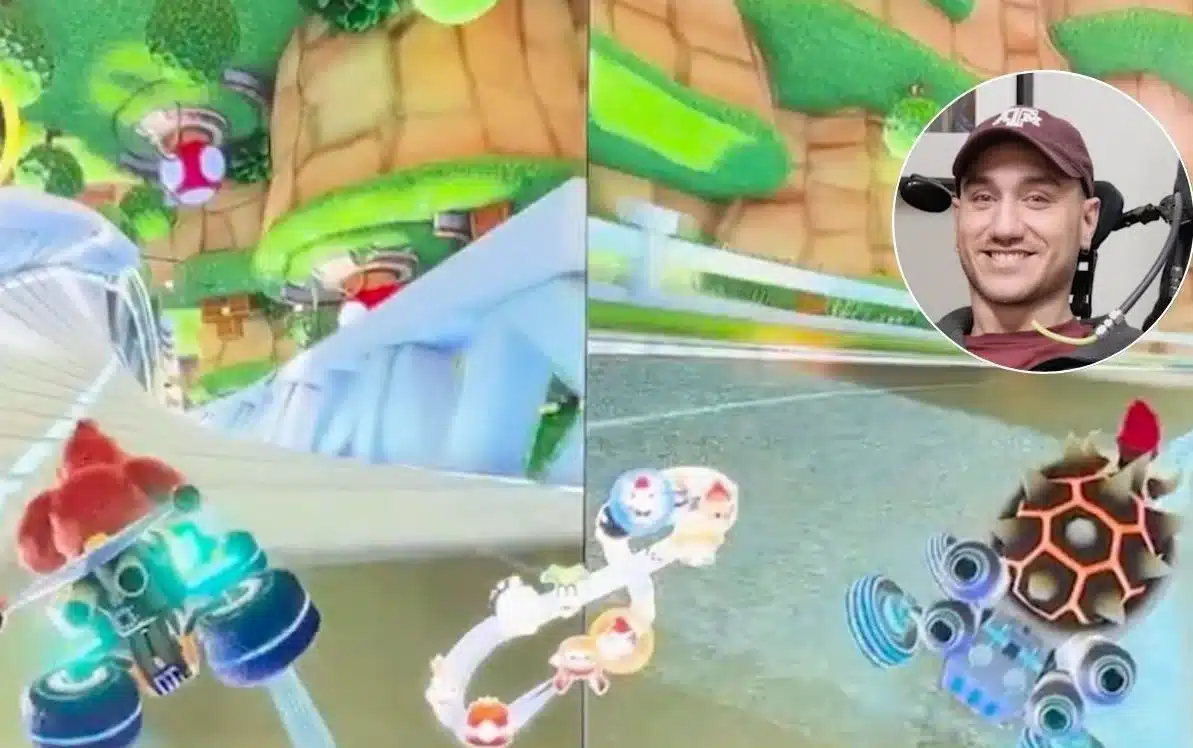

It’s fair to say the first Neuralink patient is enjoying his experience so far.
After playing a chess game with his brain, he was recently filmed while playing Mario Kart with his mind.
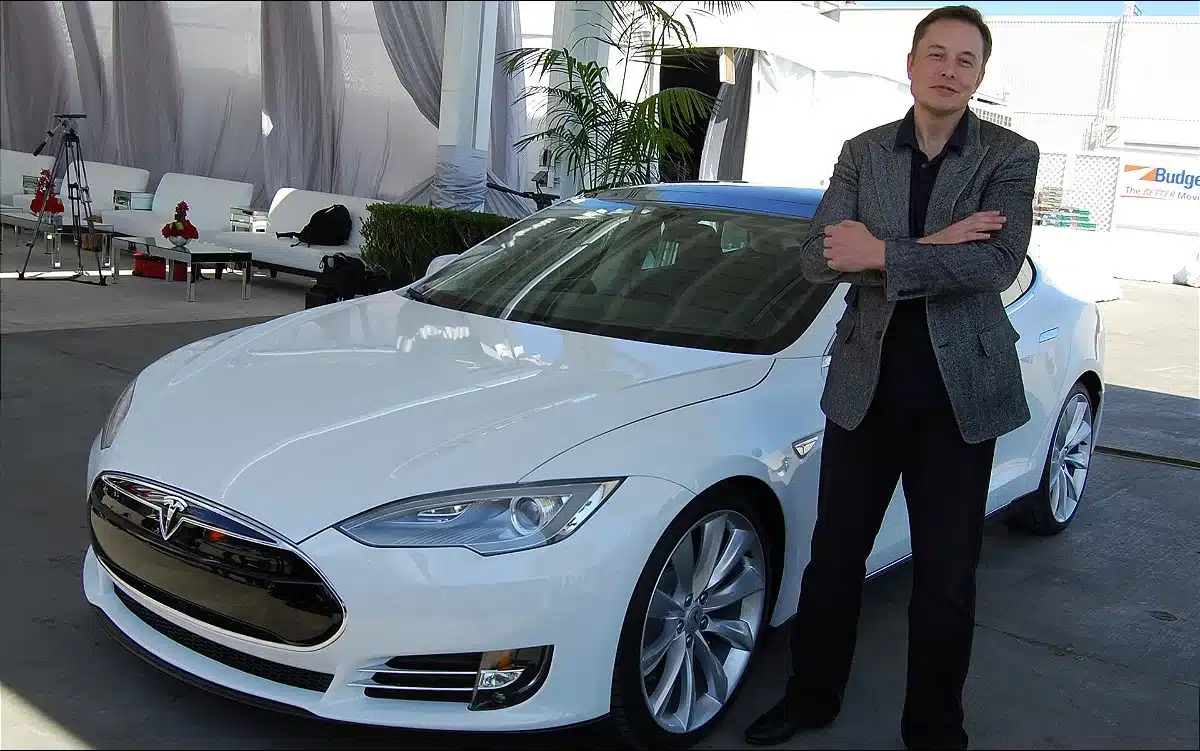
We first learned that Neuralink was looking for a volunteer to test brain chips on humans back in 2023 when Elon Musk’s company received approval from the US Food & Drug Administration (FDA).
Then, in January this year, Musk announced the first patient was recovering after a successful surgery.
Earlier this month, the identity of the patient was revealed.
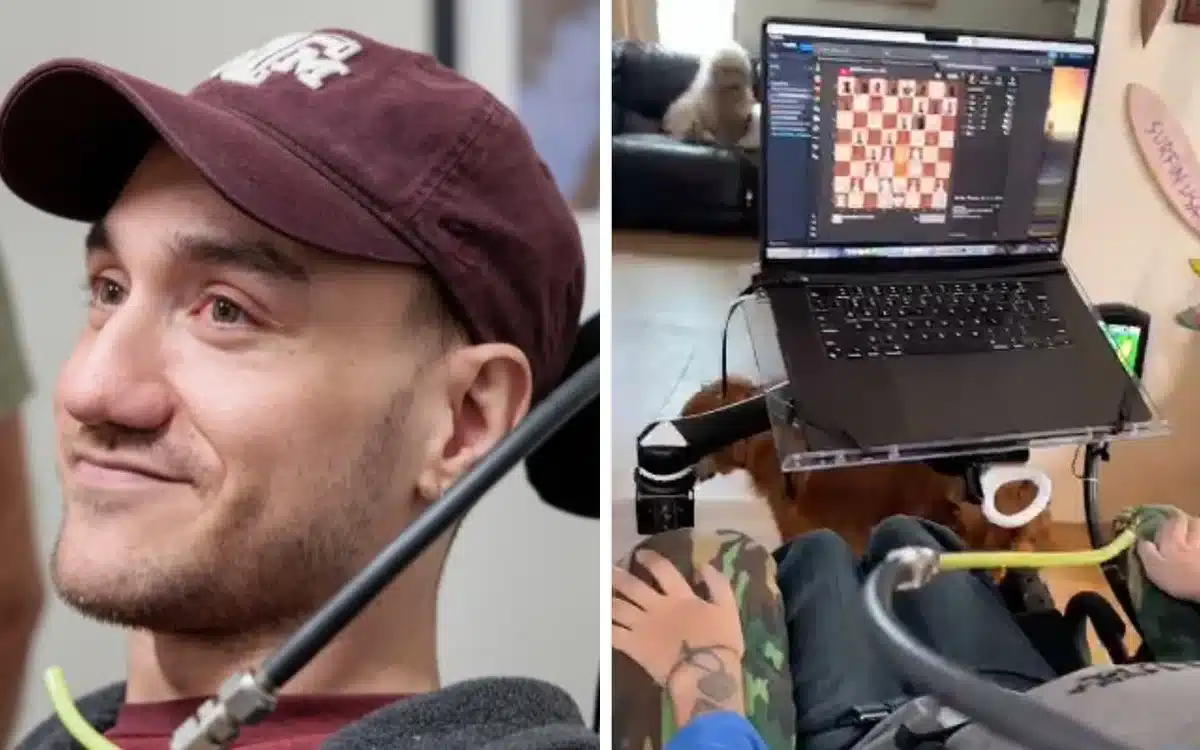
His name is Noland Arbaugh, a 29-year-old quadriplegic who’s paralyzed from the neck down.
Just a few days ago, Neuralink shared a clip on X showing how Noland could play chess on a computer using nothing but his mind to control the chess pieces.
Now Arbaugh himself has shared a similar video on his own X account.
Arbaugh was given a tour of the Neuralink HQ and was also given the opportunity to talk to an audience about his experience during a company meeting.
The 60-minute video with the interview and the Q&A also includes a short clip, filmed at Arbaugh’s home, where he and his dad played Mario Kart for a spell.


Arbaugh said the experience is life-changing, and not just for him.
“I thought a lot about this. I wanted to do it but I definitely took time to step back and evaluate the downsides, not just health downsides but everything that comes with this,” Arbaugh said.
“This is going to change the world,” Arbaugh concluded.
After this, according to Musk, Neuralink wants to use brain chips to restore vision.
Musk believes that the chips could help people with impaired vision by ‘telling’ their brain what’s in front of them.
The chips wouldn’t be able to physically restore their vision, but they would be able to ‘instruct’ their brain to turn neural inputs into images, which, in a way, is what eyes are for.
So stay tuned for the next phase.
Alessandro is an automotive journalist with 10 years of experience covering supercars, automotive history, emerging vehicle technology, and luxury transportation. He wrote the first article published on SupercarBlondie.com when the website launched in 2022 and has since built a reputation for insightful reporting across the automotive and transportation industries. His expertise is grounded in hands-on experience. Alessandro has driven every Tesla model ever produced, from the original Roadster to the Cybertruck, and regularly covers the latest developments in electric vehicles and automotive innovation. His passion for transportation extends beyond cars, he has even flown a Boeing 787 Dreamliner simulator in Addis Ababa, Ethiopia. His reporting spans everything from classic American muscle cars and rare automotive discoveries to luxury yachts, private aircraft, high-end watches, and cutting-edge vehicle technology. Known for his deep knowledge of automotive history and ability to uncover the stories behind iconic vehicles, Alessandro brings readers a blend of historical context, technical expertise, and first-hand experience.




