Neurologist explains how Neuralink's brain chip actually works
- Neuralink is ready to roll out its first batch of trial brain implants
- A doctor recently weighed in on the benefits and risks of these devices
- One danger could be hackers intercepting the chips
Published on Jan 31, 2024 at 7:10 AM (UTC-5)
by Andie Reeves
Last updated on Jan 31, 2024 at 12:16 PM (UTC-5)
Edited by
Alessandro Renesis
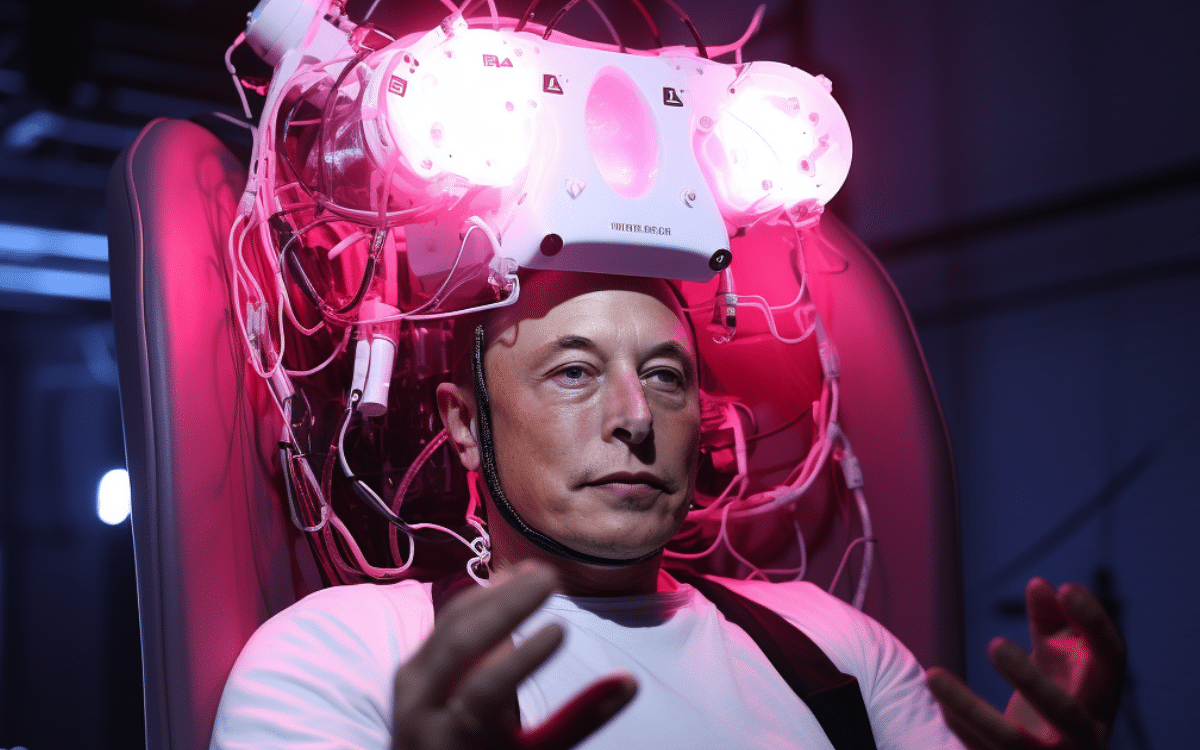

The first clinical trials for the Neuralink brain implant are about to take place.
The chip will allow people to control smartphones and computers using their thoughts alone.
While this certainly sounds cool, what does the medical world think?
Dr Leah Croll, a neurologist, gave her insights on what Elon Musk’s brain chip will mean for the world.
READ MORE: Two-legged robot’s 100-meter record is astonishingly quick
Neuralink is preparing to implant its first round of brain chips.
Elon Musk has stated that the chips will provide a way for paralyzed people to control phones and computers with their brains.
If successful, this will revolutionize the medical field.
While some worry that this technology is the stuff of dystopian nightmares, a doctor recently weighed in on the topic.
Dr Leah Croll told ABC News that the medical world is generally feeling positive about Neuralink’s project.

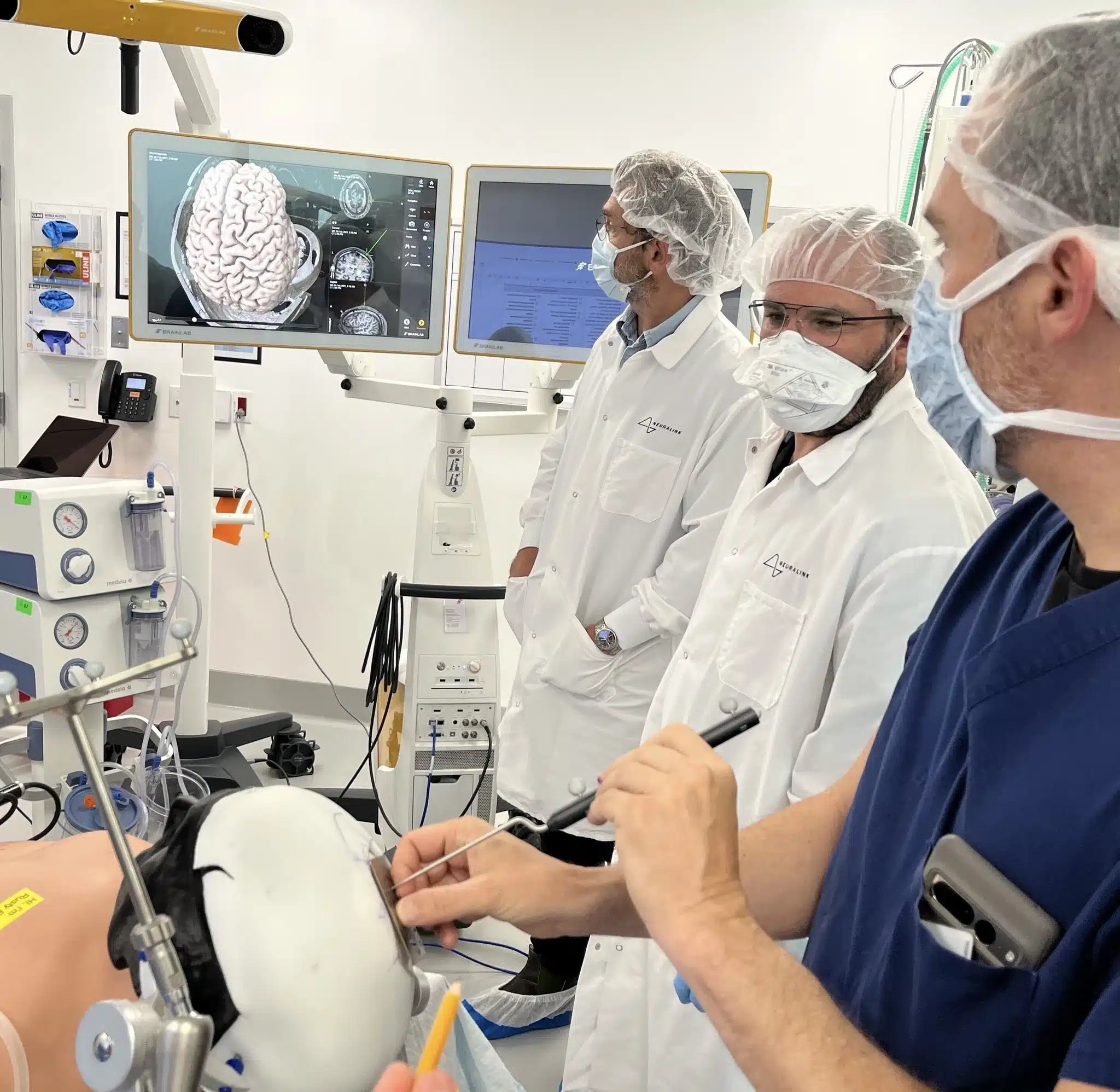
“My reaction is one of hope and excitement, as we’re talking about having a medical miracle potentially within our grasp in the next few years,” she said.
She also explained exactly how a chip like this would work.
The device has been designed to work like a specialized sensor, able to read the electrical signals that our brain sends out.
It then translates those signals into action, in the case of Neuralink, to control a smartphone or a computer.
Dr Croll shared the potential risks and dangers of a device like this too.
Firstly, brain surgery is always risky no matter what the procedure is, so the implantation process poses an early danger.
Next, she says there is the worry that the implant could put the patient in jeopardy.
This could involve the signals being misinterpreted and the wrong actions being performed.
Or, worse, the signals being intercepted by hackers.
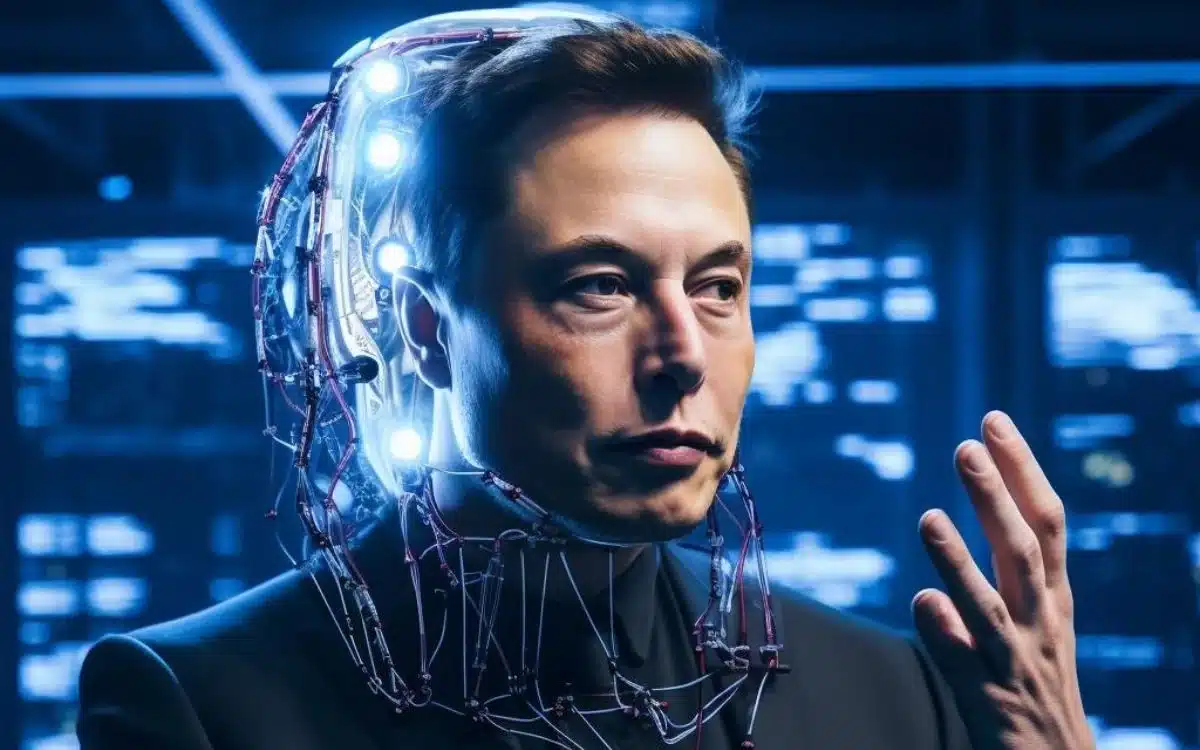
Dr Croll would need more information before stating whether the benefits outweigh the potential risks.
If successful, however, she says that devices like this would have incredible implications.
“The idea that we would be able to give neurological function back is so groundbreaking and so meaningful,” she says.
“It’s hard to imagine anything more beneficial for those patients.”
Neuralink is focusing on people who have lost mobility while some other companies are working with people who have lost language capabilities.
The trial will still take a few years but Dr Croll feels certain we will see Neuralink’s device working in her lifetime.

Andie is a content writer from South Africa with a background in broadcasting and journalism. Starting her career in the glossy pages of Cosmopolitan and Marie Claire, Andie has a broad portfolio, covering everything from sustainability solutions to celebrity car collections. When not at her laptop Andie can be found sewing, recording her podcast, taking board games too seriously or road-tripping in her bright green Kia.




