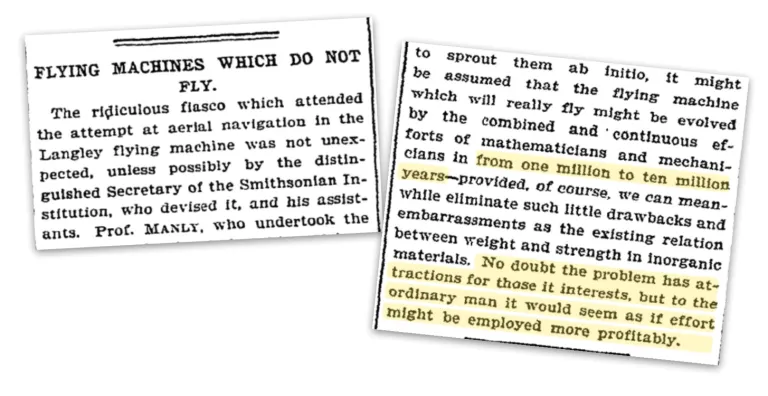
In 1903, the New York Times predicted that it would take at least 10,000,000 years for airplanes to be developed
Published on Oct 22, 2025 at 8:37 AM (UTC-4)
by Daisy Edwards
Last updated on Oct 22, 2025 at 10:17 AM (UTC-4)
Edited by
Emma Matthews
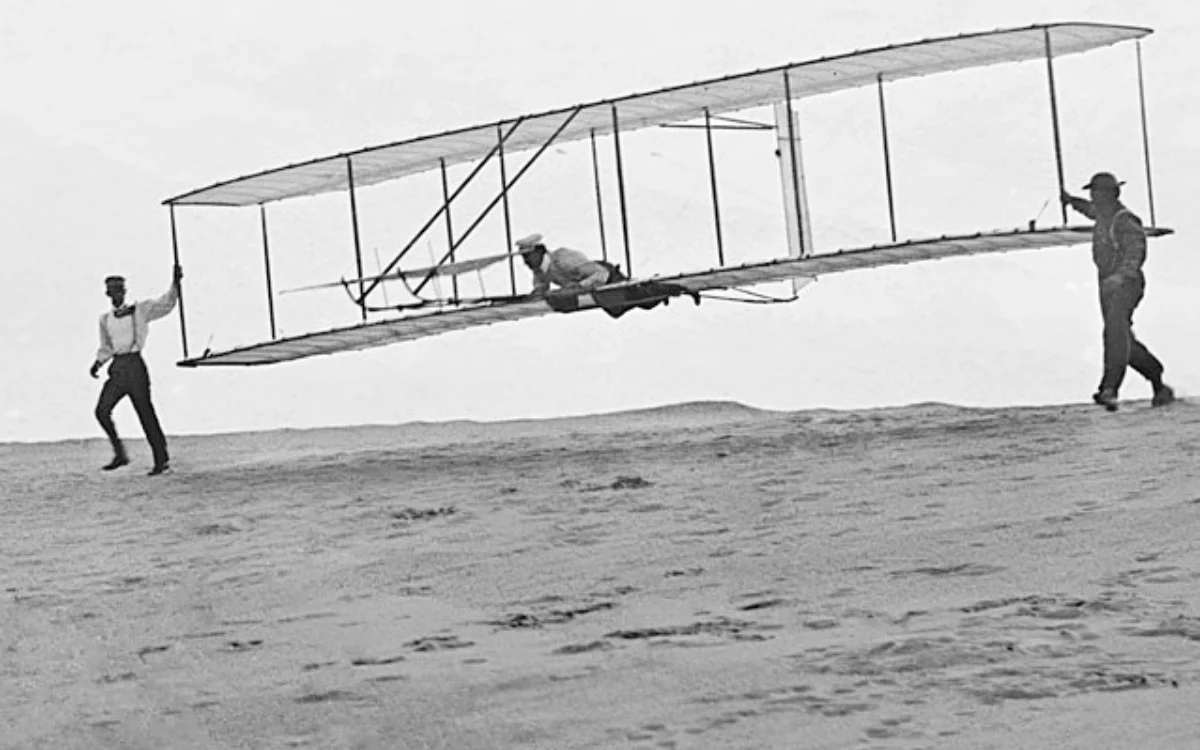

Believe it or not, in 1903, the New York Times predicted that it would take at least 10,000,000 years for airplanes to be developed… but the Wright Brothers’ first flight was just nine weeks later
At the start of the 20th century, one of the world’s most respected newspapers looked at humanity’s dream of flight and said, ‘Not in our lifetime.’
Just over two months later, a wooden contraption with bicycle parts lifted off the ground and changed history forever.
It’s the perfect reminder that the future is always closer than we think, and that predictions age badly when innovation moves faster than imagination.
EXPLORE SBX CARS – Supercar auctions starting soon powered by Supercar Blondie
The 10,000,000-Year New York Times airplanes rule
If the Wright Brothers taught us anything, it’s that skepticism doesn’t slow progress in the future.
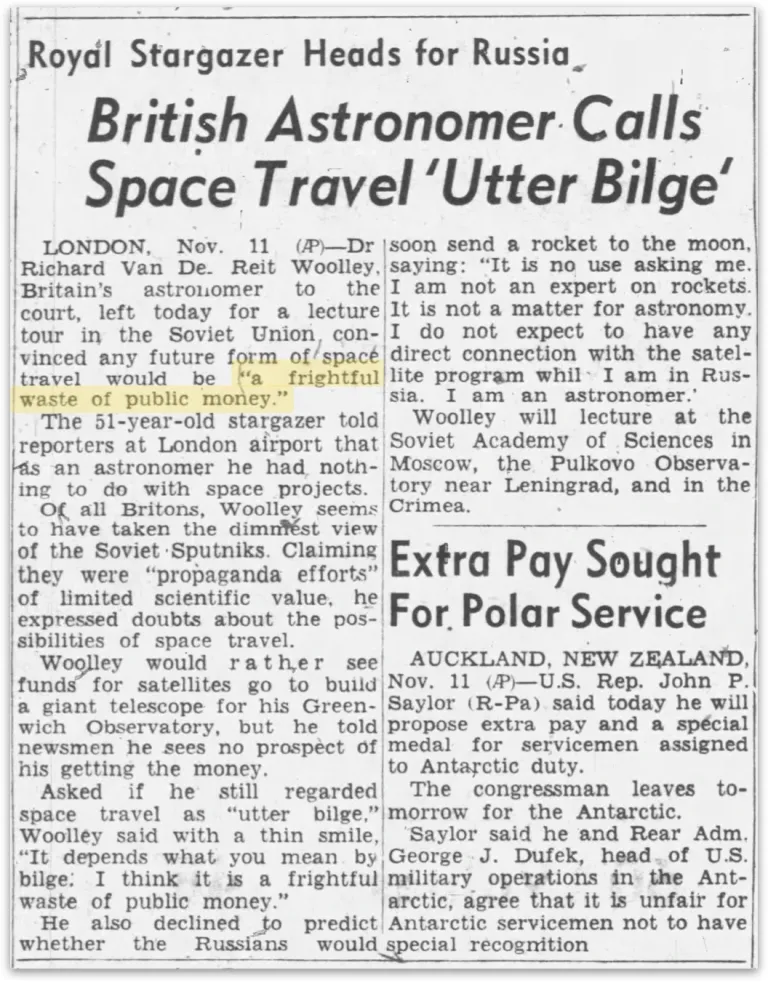
In the 1950s, people didn’t believe that space travel would ever be possible, even astronomers described it as ‘a frightful waste of public money’.
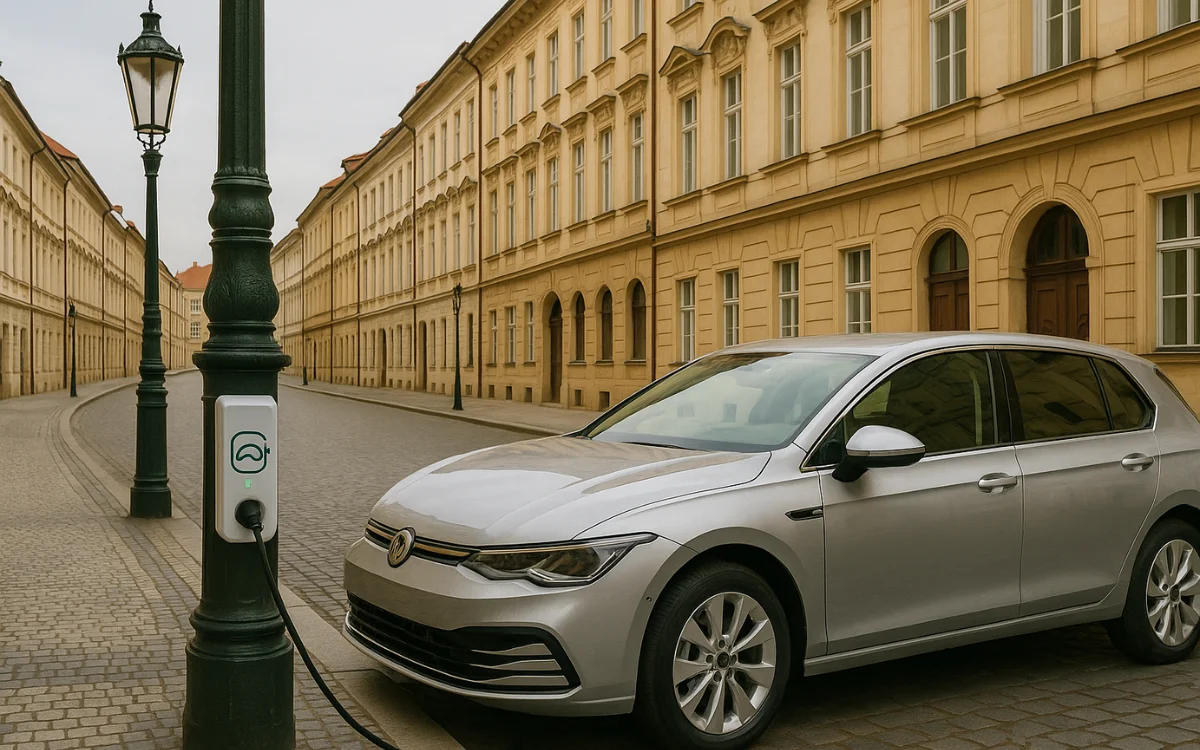
In the early 2000s, few believed electric cars could compete with combustion engines until Tesla flipped the narrative.
Now, battery-powered hypercars like the Rimac Nevera and Lotus Evija are rewriting performance limits, doing 0-60 miles per hour in under two seconds and outpacing everything from Ferraris to Bugattis.
The same pattern repeats across every frontier with innovations that once seemed decades away, and yet, AI copilots, self-learning vehicles, and flying taxis are suddenly here.
Joby Aviation and Lilium are already testing electric air taxis, and companies like Alef Aeronautics are pushing for fully drivable flying cars within this decade.
The idea that we’d be commuting through the sky once sounded as ridiculous as powered flight did in 1903.
Related


The future is always closer than you think
Every generation underestimates how quickly the impossible becomes routine. For instance, in 2010, AI was a research buzzword, and now it’s co-designing cars, generating music, and flying drones with military precision.
In 2020, solid-state batteries were a promise for someday, but in 2025, they’re set to redefine how far EVs can go on a single charge.
The Wright Brothers didn’t wait 10,000,000 years; they just built the future while everyone else doubted it.
That’s the same story repeating now – in tech, supercars, and aviation, as the future keeps showing up earlier than expected.
Daisy is a technology and automotive journalist covering artificial intelligence, consumer tech, Apple news, cryptocurrency, emerging technologies, and transportation innovation. Since joining the team in 2025, she has reported on everything from AI-powered startups and major iOS updates to viral car stories and the latest developments shaping transportation and the digital economy. Drawing on her background in automotive journalism and a degree in History and Journalism from Goldsmiths, University of London, Daisy specializes in breaking down complex topics into clear, engaging reporting for a global audience. Her work spans cutting-edge technology, innovative vehicles, and the people driving change across both industries. Daisy has gained first-hand access to some of the world's most talked-about technologies and innovators, including meeting Tesla's Optimus humanoid robot during its first European appearance in London. She has also discussed the future of space exploration with an astronaut, bringing unique insights and real-world perspectives to her coverage of emerging technology.




