The rise in AI in America is causing an unexpected water problem
Published on Jan 14, 2026 at 8:13 PM (UTC-5)
by Ben Thompson
Last updated on Jan 14, 2026 at 8:13 PM (UTC-5)
Edited by
Amelia Jean Hershman-Jones


The rise of AI in America has brought a lot of change with it, but it’s also causing an unexpected water problem.
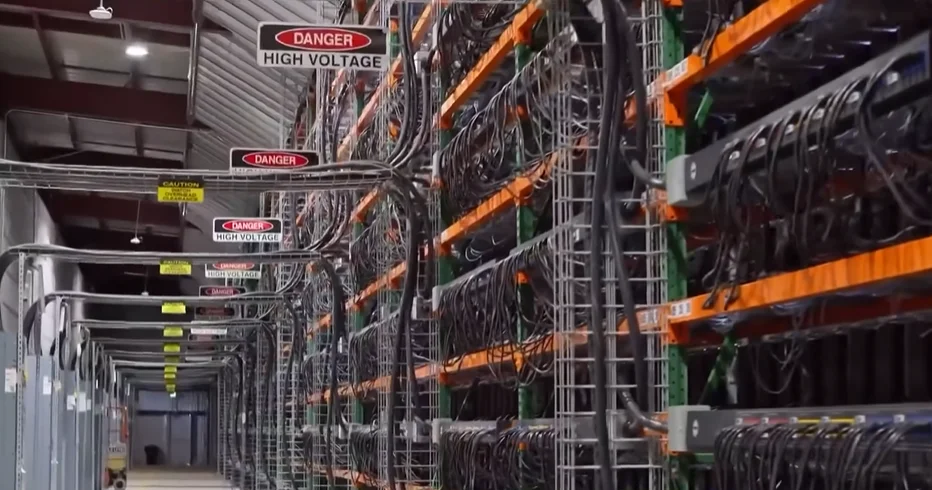
Data centers rely on water to cool the powerful computing systems stored inside their walls.
These facilities use large quantities of fresh water, leading to water shortages in some areas.
One journalist offered his solution to the issue in a column for Forbes.
EXPLORE SBX CARS – Supercar auctions starting soon powered by Supercar Blondie
Why the rise in AI has led to an unexpected water problem in the US
As more and more people make use of AI, data centers are being built across the country to meet demand – there were 5,426 of them in the US as recently as September 2025.
But this surge has come with a cost.
A single large data center requires roughly 300,000 gallons of water per day to function.
In an op-ed for Forbes, journalist Ken Silverstein argued that the building of AI data centers wasn’t the issue.
“[The problem is that] a nationally significant industry is expanding through a patchwork of local approvals, tax incentives, and water systems never intended to support infrastructure of this scale,” he wrote.
There’s no getting away from the fact that AI is a key part of the US economy, and data centers are a core component of that.
But whilst this is an issue of national importance, decisions about the construction of data centers are made on the local level, between counties, town councils, and water districts.
Decisions can sometimes be made without assessing long-term water-consumption forecasts, and that can lead to water shortages.
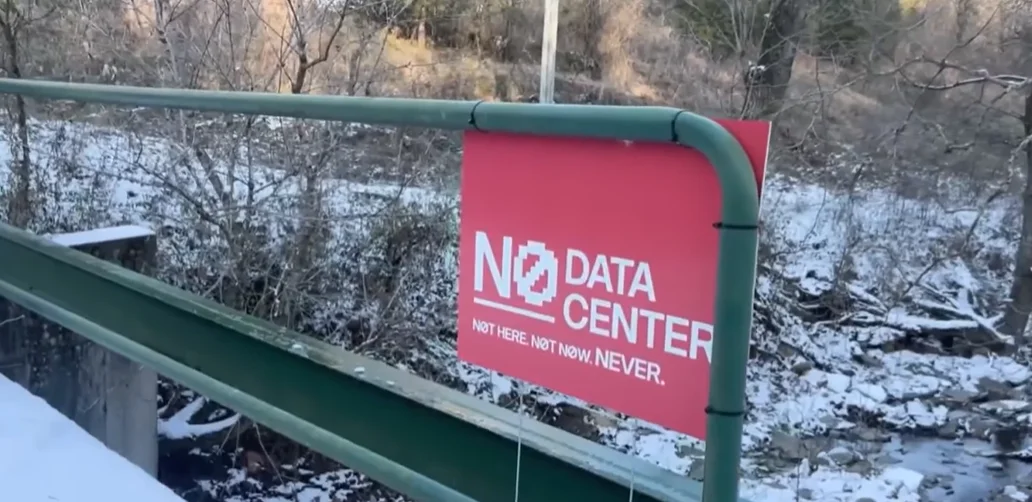
And as you might expect, this generates concern among residents, who then become opposed to the data centers being built in America at all.


What solution did this journalist propose?
In Silverstein’s view, building fewer data centers in America wasn’t the answer to the water problem – ‘more thoughtful siting’ was.
He urged for data centers to be treated like national infrastructure.
“The choice isn’t between AI leadership and local water security.
“The real question is whether the United States is willing to plan its digital infrastructure with the same seriousness it once applied to highways, power plants, and pipelines,” he concluded.
At the end of the day, the genie is out of the bottle with AI.
It’s here, and we have to learn how to live alongside it and in what capacity we want to use it.
But the water needs of locals are of paramount importance, and should be taken into consideration – especially since more than 160 AI data centers were built in water-stressed regions over the past three years, according to the Environmental Law Institute.
There’s seemingly no end to the ways we’re using AI.

Did you know there was a website that would find every single picture of you that exists online?
And that’s not forgetting the times it’s aided people with medical emergencies, as it did for this Norwegian man.
Then there are some people who do take it to the extreme – we can’t say we’d advise doing what this Ohio man did when he let AI control his life for 24 hours.
Ben joined Supercar Blondie in February 2025 after being published by international organizations including LADbible, The Sun, the New York Post, and the Daily Mail. He covers supercars, rare and collectible vehicles, aviation, luxury assets, and the fascinating people behind them. His reporting has explored everything from seven-figure supercars and historic Ferrari collections to unusual aircraft adventures and extraordinary automotive discoveries from around the world. Ben has also gained first-hand insight into vehicle craftsmanship and customization, including visiting specialist workshops to see bespoke vehicles up close.




