California scientists finish 10-year analysis of signals from possible extraterrestrial life and have 100 to home in on
Published on Feb 20, 2026 at 11:32 AM (UTC-5)
by Daisy Edwards
Last updated on Feb 20, 2026 at 12:10 PM (UTC-5)
Edited by
Emma Matthews
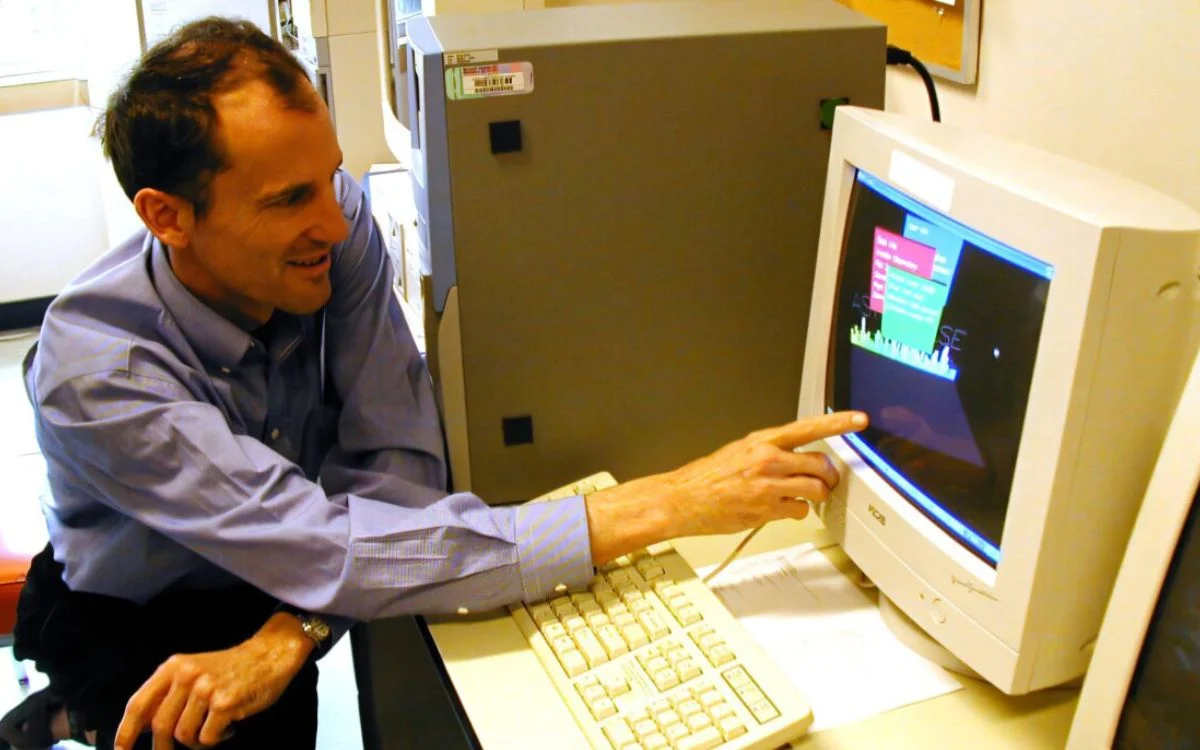

California scientists have finished a 10-year analysis of signals from possible extraterrestrial life and have 100 to home in on, and the backstory is peak early-internet magic.
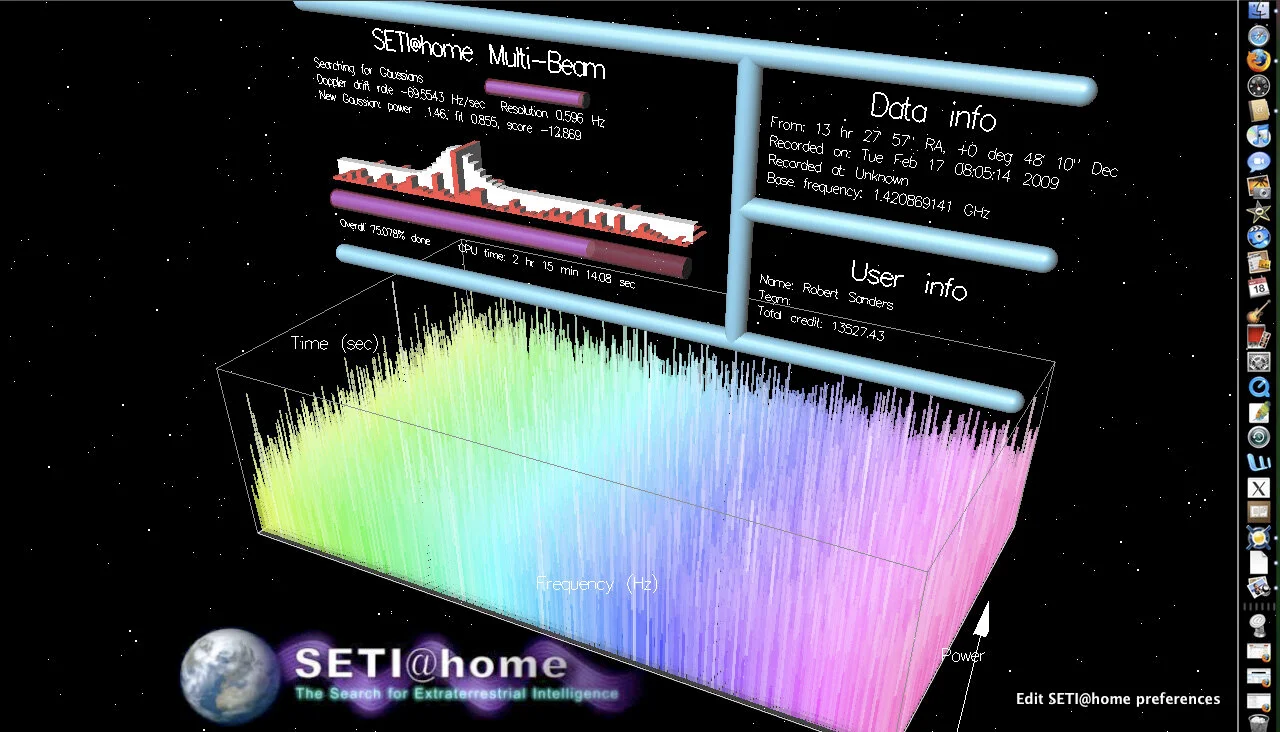
A UC Berkeley team has wrapped up a decade-long deep dive into 12 billion ‘detections’ collected through SETI@home, the famous project that let everyday people donate spare computer power to the alien hunt.
Those detections were basically quick ‘blips’ of radio energy tied to a frequency and a spot in the sky, and most were destined to be junk.
After filtering the pile down again and again, the researchers say they have 100 candidate signals that deserve a serious second look.
EXPLORE SBX CARS – Supercar auctions starting soon powered by Supercar Blondie
A 10-year analysis of signals from possible extraterrestrial life
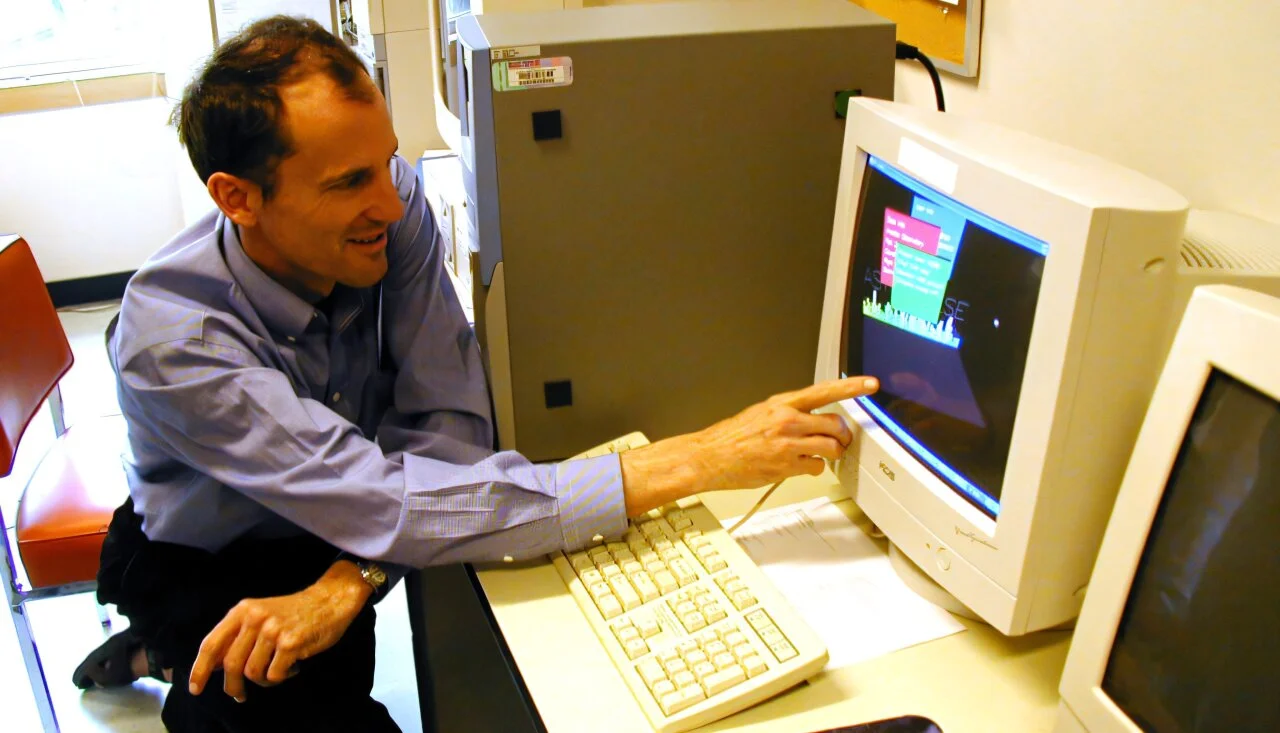
From 1999 to 2020, millions of space-loving volunteers worldwide ran SETI@home software on their PCs, helping analyze radio telescope data that had been recorded at the now-defunct Arecibo Observatory in Puerto Rico.
That crowdsourcing helped produce an ocean of potential ‘interesting’ hits, hinting at potential alien activity, but scientists have always known that the universe is noisy, and Earth is even noisier.
A big villain here is radio frequency interference, which can come from everything from satellites to everyday electronics and broadcasts.
To avoid getting fooled by false positives, the team also tested their own pipeline by injecting about 3,000 fake signals nicknamed ‘birdies’ to see what their system could reliably catch and what it might accidentally toss out.
Click the star icon next to supercarblondie.com in Google Search to stay ahead of the curve on the latest and greatest supercars, hypercars, and ground-breaking technology



100 signals to choose from
After that filtering marathon, the final shortlist consists of 100 signals worth a second look, and the team has been pointing China’s FAST radio telescope at those targets since July to see if any of them show up again.
The FAST observations still need to be analyzed, and the researchers are openly realistic about the odds, but the payoff is huge even if none of the 100 turn out to be aliens.
This wraps up one of the most sensitive searches of its kind and hands future SETI efforts a practical playbook: what worked, what did not, and how best to weed out all the cosmic clutter out there.
Daisy is a technology and automotive journalist covering artificial intelligence, consumer tech, Apple news, cryptocurrency, emerging technologies, and transportation innovation. Since joining the team in 2025, she has reported on everything from AI-powered startups and major iOS updates to viral car stories and the latest developments shaping transportation and the digital economy. Drawing on her background in automotive journalism and a degree in History and Journalism from Goldsmiths, University of London, Daisy specializes in breaking down complex topics into clear, engaging reporting for a global audience. Her work spans cutting-edge technology, innovative vehicles, and the people driving change across both industries. Daisy has gained first-hand access to some of the world's most talked-about technologies and innovators, including meeting Tesla's Optimus humanoid robot during its first European appearance in London. She has also discussed the future of space exploration with an astronaut, bringing unique insights and real-world perspectives to her coverage of emerging technology.




