Using the simple '3-prompt rule' on ChatGPT will immediately guarantee you better results
Published on Mar 13, 2026 at 5:15 AM (UTC+4)
by Claire Reid
Last updated on Mar 13, 2026 at 5:16 AM (UTC+4)
Edited by
Claire Reid
For those of you who like to use ChatGPT to make life a little bit easier, there’s a simple ‘three-prompt rule’ that can help you get better results.
OpenAI launched its ChatGPT AI bot in November 2022, and in just two short months, it had more than 100 million users across the world.
As of 2026, there are 900 million weekly active users of ChatGPT.
And if you’re one of them, the ‘three prompt rule’ is here to make it even more effective.
Click the star icon next to supercarblondie.com in Google Search to stay ahead of the curve on the latest and greatest supercars, hypercars, and ground-breaking technology
The ‘3-prompt rule’ should give you much stronger ChatGPT responses and it’s easy to use
ChatGPT can be a very useful tool; you can ask it to make lists, give you some help with your car, and one man even reckons it helped save his life.
But if you’re just firing questions at the AI bot and leaving it at that, then you might not be getting the best response.
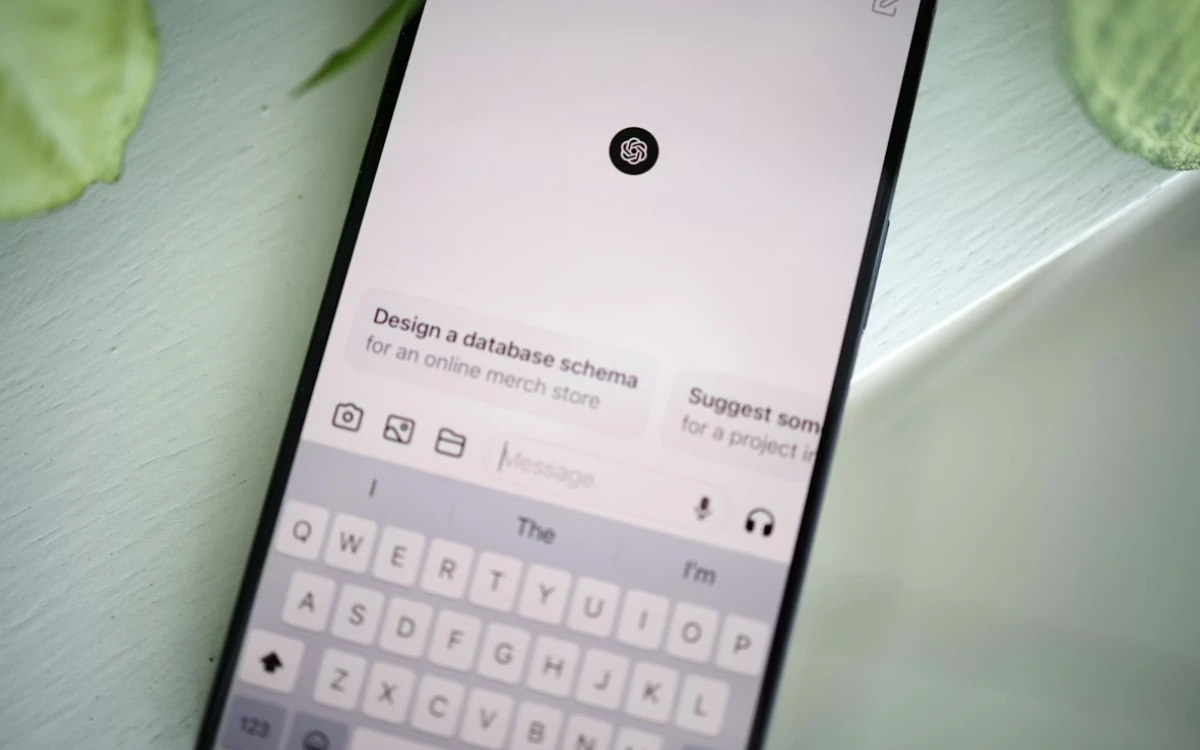
And this is where the three-prompt rule comes into play.
Rather than asking ChatGPT a question and taking its first response, you get the chatbot to make improvements and refinements before coming up with a final answer.
According to Tom’s Guide, this means the answers that are returned will be clearer, sharper, and closer to what you wanted.
Here’s how it works:
- First prompt – ask whatever question you need to be answered, but keep it simple
- Second prompt – you then ask ChatGPT to improve the answer and make it more specific and useful
- Third prompt – this is where you can tweak the response by adding in specific structure or depth to the answer
So, as an example, say you wanted to know more about solar panels and how they actually work.
Here’s what you could ask:
- Prompt one: “How do solar panels work?”
- Prompt two: “Explain how solar panels work in simple terms, including how sunlight turns into electricity and what the main parts of a solar panel system are.”
- Prompt three: “Explain how solar panels work in simple terms for beginners. Break it into 4–5 short steps and briefly describe the role of solar cells, inverters, and electricity generation.”
Here’s why it works so well
At this point, you might be thinking, ‘Well, why can’t you just use the final prompt first?’
But, as Tom’s Guides explains, using the three-prompt rule is actually more effective and not just for the chatbot, but also for you.
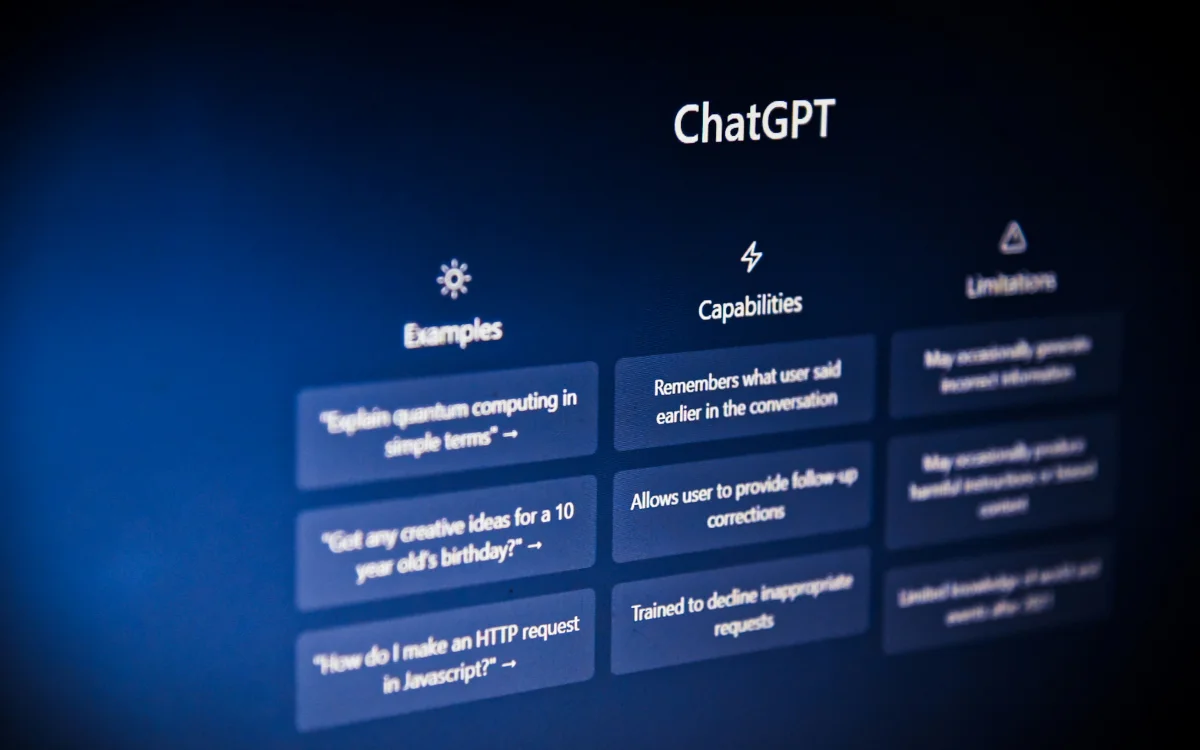
The three-prompt rule turns the response into a work-in-progress.
Initially giving you a bit of a rough draft that you can then hone and tweak until you can boil it down to the information you really want.
By the time you get to your third and final prompt, you’ll have a clear idea in mind about exactly what you want to know – and ChatGPT can give you the answer.
Timeline of key AI breakthrough moments
1950: British mathematician Alan Turing devises the ‘Imitation Game’, now known as Turing Test, designed to test a machine’s ability to replicate human intelligence and behavior
1956: The term ‘Artificial Intelligence’ is officially coined during a research project at Dartmouth College in the UK
1966: MIT professor Joseph Weizenbaum creates ‘ELIZA’, a rudimentary AI-powered chatbot that mimics human behavior
1997: IBM supercomputer Deep Blue defeats world chess champion Garry Kasparov
2011: Apple introduces Siri, the first AI-powered assistant integrated directly into a smartphone
2016: An AI bot writes an entire movie from scratch, including the film’s soundtrack and screenplay2022: OpenAI launches ChatGPT, the world’s first widely available AI-powered chatbot
DISCOVER SBX CARS: The global premium car auction platform powered by Supercar Blondie
With a background in both local and national press in the UK, Claire has covered a range of topics, including technology, gaming, and cryptocurrency, since joining the editorial team at Supercar Blondie in May 2024. Her ability to be first to a story has been integral to making SB’s coverage of scientific discovery, AI, and global tech news a slick 24/7 operation.