The 80-year-old spy technique that harvests your private data from computer radio waves is still very much alive
Published on Mar 14, 2026 at 10:46 PM (UTC-4)
by Daisy Edwards
Last updated on Mar 14, 2026 at 10:46 PM (UTC-4)
Edited by
Mason Jones


The 80-year-old spy technique that harvests your private data from computer radio waves is still very much alive, and it sounds like something straight out of the Cold War.
But this is not some dusty museum relic because experts say computers, keyboards, screens, and other devices can still leak tiny electromagnetic signals that skilled snoops may be able to decode.
That means private information could potentially be reconstructed without malware, without a hacked password, and without physically touching the machine itself.
Now, US lawmakers are demanding answers about whether modern consumers have been left exposed to a threat governments have known about for decades.
Click the star icon next to supercarblondie.com in Google Search to stay ahead of the curve on the latest and greatest supercars, hypercars, and ground-breaking technology
The 80-year-old spy technique is back in the spotlight
This Cold War technique is widely associated with TEMPEST, a term historically used by intelligence agencies for spying methods that exploit unintended electronic emissions from your personal tech devices.
The concept dates back to the 1940s when researchers realized electronic devices could unintentionally broadcast information through radio waves and other signals.
Recently, lawmakers in the United States called for an investigation into whether modern consumer electronics are still vulnerable to this type of surveillance.
The concern is that everyday devices like laptops, phones, and monitors may still leak signals that could potentially be captured and analyzed.


Hackers can harvest your private data from computer radio waves
What makes the story so unsettling is that the threat has been demonstrated multiple times by researchers.
Experiments over the years have shown that it is sometimes possible to reconstruct what appears on a computer screen by capturing electromagnetic signals from nearby equipment.
More recent research suggests even modern video cables and displays may produce signals that could reveal visual data under the right conditions.
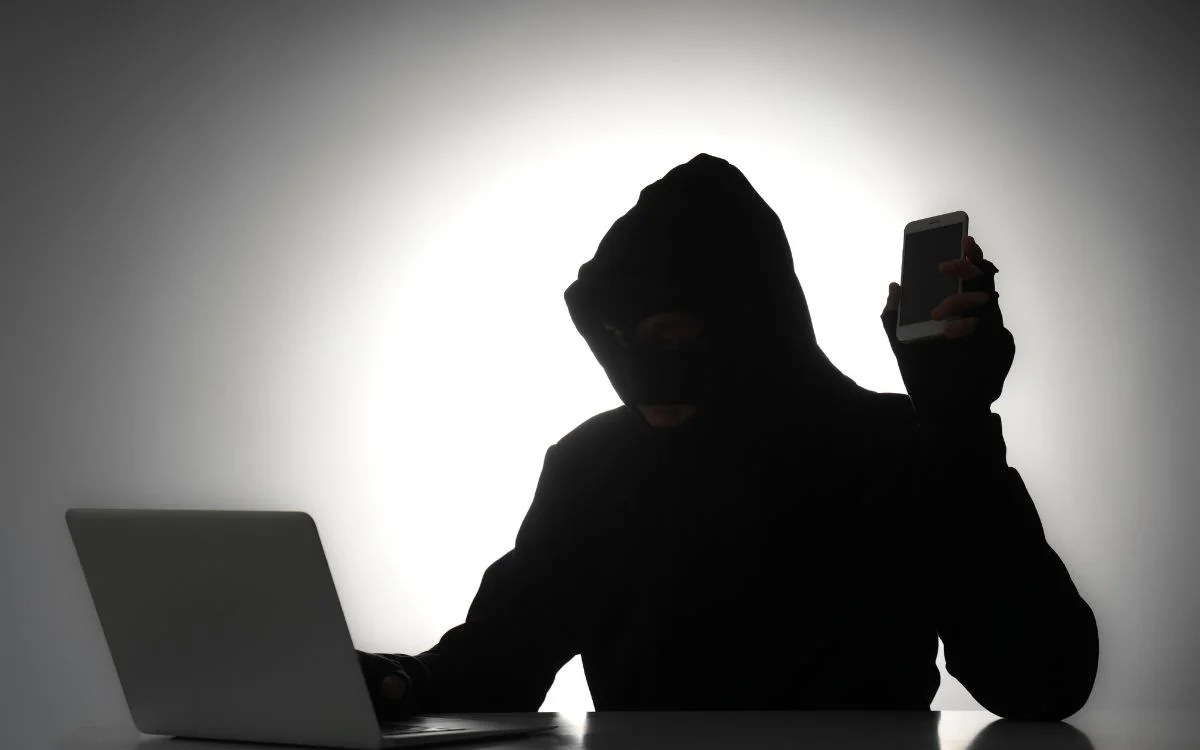
While experts say these attacks are complex and unlikely to target everyday users, they remain a real concern in espionage and high-security environments.
It shows that this decades-old Cold War spying technique is still very much alive.
Daisy is a technology and automotive journalist covering artificial intelligence, consumer tech, Apple news, cryptocurrency, emerging technologies, and transportation innovation. Since joining the team in 2025, she has reported on everything from AI-powered startups and major iOS updates to viral car stories and the latest developments shaping transportation and the digital economy. Drawing on her background in automotive journalism and a degree in History and Journalism from Goldsmiths, University of London, Daisy specializes in breaking down complex topics into clear, engaging reporting for a global audience. Her work spans cutting-edge technology, innovative vehicles, and the people driving change across both industries. Daisy has gained first-hand access to some of the world's most talked-about technologies and innovators, including meeting Tesla's Optimus humanoid robot during its first European appearance in London. She has also discussed the future of space exploration with an astronaut, bringing unique insights and real-world perspectives to her coverage of emerging technology.




