Cybersecurity experts are begging people to stop using ChatGPT to do their taxes and the reasons are serious
Published on Mar 18, 2026 at 2:36 PM (UTC+4)
by Daisy Edwards
Last updated on Mar 18, 2026 at 2:36 PM (UTC+4)
Edited by
Emma Matthews


Getting a little help around tax season is nothing new, but if you’re using AI, cybersecurity types have issued a stark warning: stop using ChatGPT to do your taxes
As tax season rolls around, more people are turning to AI tools for quick answers and easy solutions.
But experts warn that relying on chatbots for something this sensitive could expose users to serious risks.
What feels like a smart shortcut could quickly turn into a costly mistake.
Click the star icon next to supercarblondie.com in Google Search to stay ahead of the curve on the latest and greatest supercars, hypercars, and ground-breaking technology
Cybersecurity experts are begging people to stop using ChatGPT
One of the biggest concerns is how much sensitive information people are handing over to tech companies.
Filing taxes involves extremely personal data, including Social Security numbers, bank details, and income records, which should not be casually entered into a chatbot.
Cybersecurity experts warn that this kind of information could be exposed through data breaches, compromised devices, or even convincing fake AI platforms designed to steal user data.
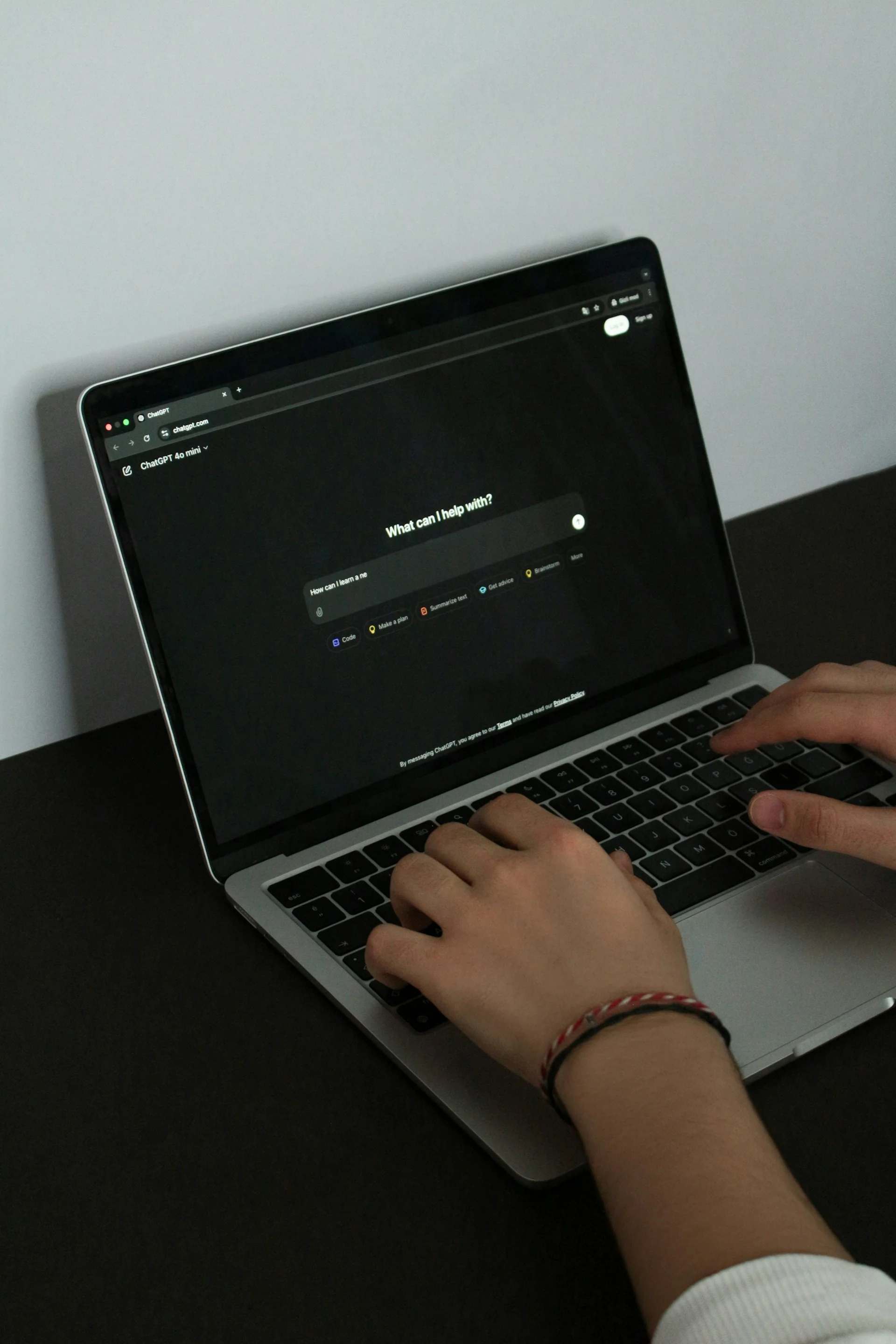
There is also a growing threat from scammers building realistic AI-powered tools that appear legitimate.
These fake services can trick users into submitting their financial details without realizing they are being targeted.
According to a report highlighted by Mashable, experts are increasingly concerned that the rise of AI during tax season is creating new opportunities for cybercriminals.
Don’t get yourself in trouble
Security isn’t the only issue, either, because accuracy is a major problem when it comes to using AI for taxes, as chatbots are not designed to handle complex and constantly changing tax laws.
They can produce incorrect calculations, outdated advice, or even completely fabricated information, which could lead to filing errors or penalties.
And if something goes wrong, the responsibility still falls on the person filing.
Tax authorities will not accept AI-generated mistakes as an excuse, meaning users could face fines or further complications.

Experts say AI can still be useful in a limited way, such as explaining tax terminology or helping users understand general processes.
But when it comes to actually filing a return, the safest approach is still to rely on trusted tax software or a qualified professional.
Because when your finances and identity are on the line, this is one area where cutting corners simply is not worth it.
DISCOVER SBX CARS: The global premium car auction platform powered by Supercar Blondie