This omni-bodied artificial brain outlives its robots and can adapt to danger
Published on Oct 04, 2025 at 3:12 AM (UTC-4)
by Daisy Edwards
Last updated on Oct 04, 2025 at 3:12 AM (UTC-4)
Edited by
Emma Matthews
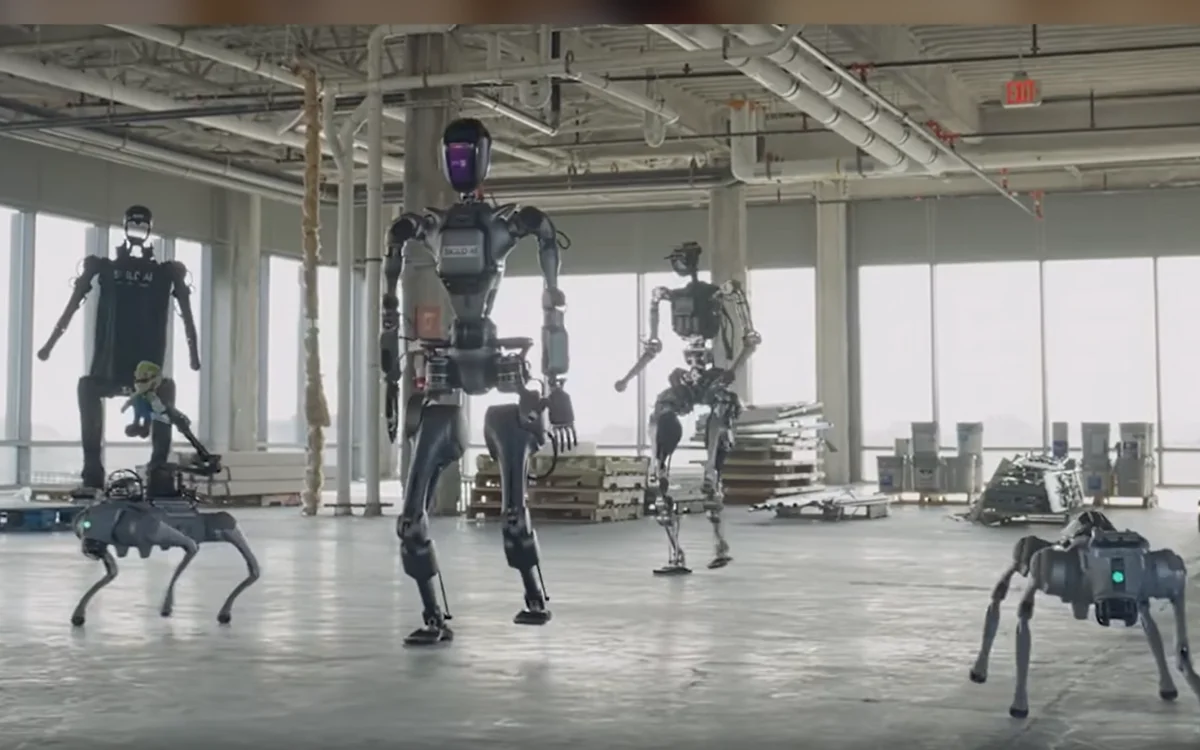

In a scene that could be straight out of Terminator, this omni-bodied artificial brain outlives its robots and can adapt to danger.
Skild AI has created what we previously thought was impossible: a robot brain that literally cannot die.
Most robot AIs today are one-trick ponies, trained for a single task on a specific machine, but if you change one thing – like a broken limb or a jammed wheel – then they crash out.
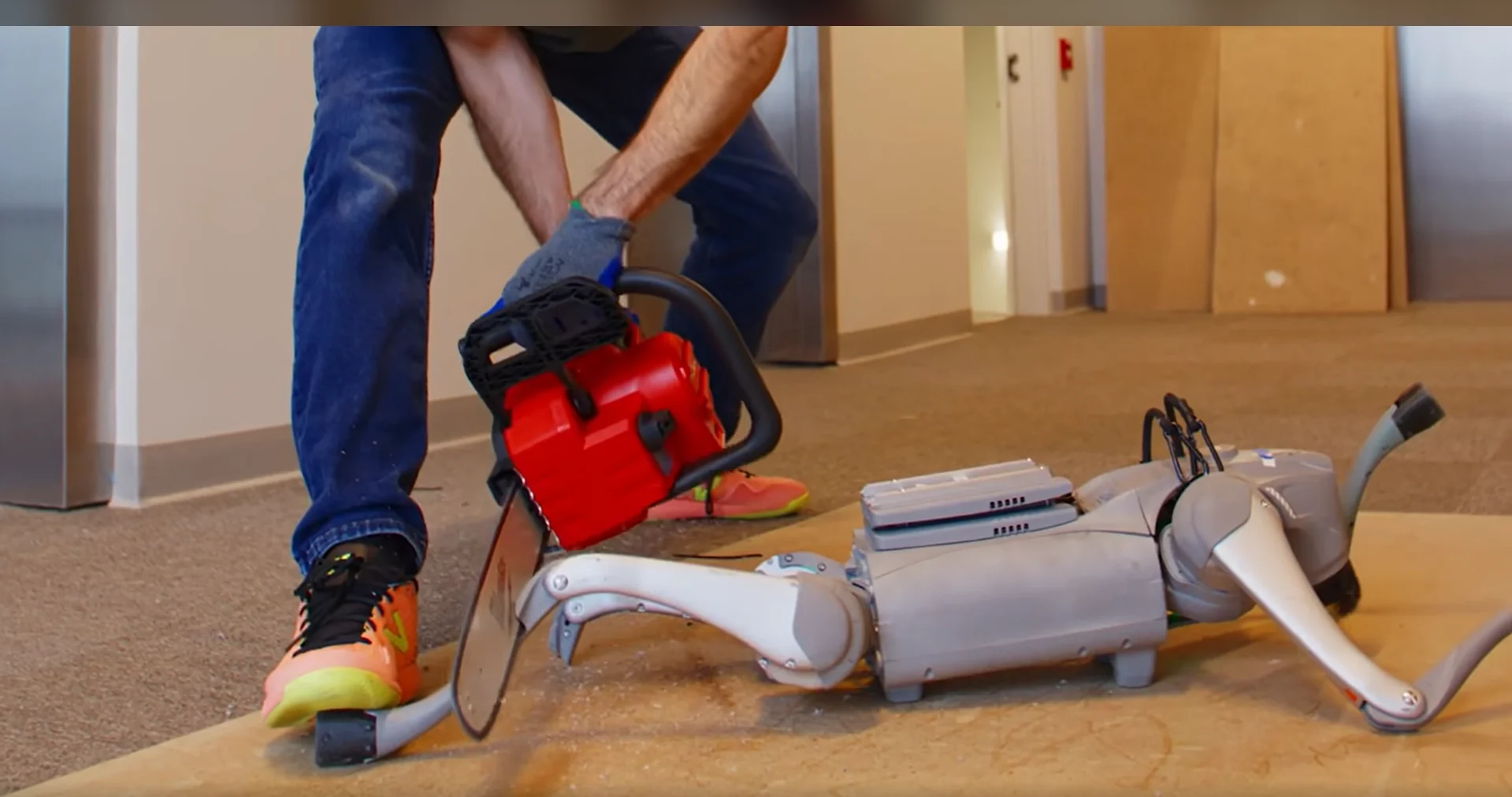
Regardless of the robot it’s inside, this brain will adapt, and come hell, high water, or even chainsaw, the robot will carry on moving.
EXPLORE SBX CARS – Supercar auctions starting soon powered by Supercar Blondie
Omni-bodied artificial brain outlives robots and can adapt to danger
It looks as though some AI is more developed than something in our wildest imaginations – especially when you look at this tech that’s been created by Skild AI.
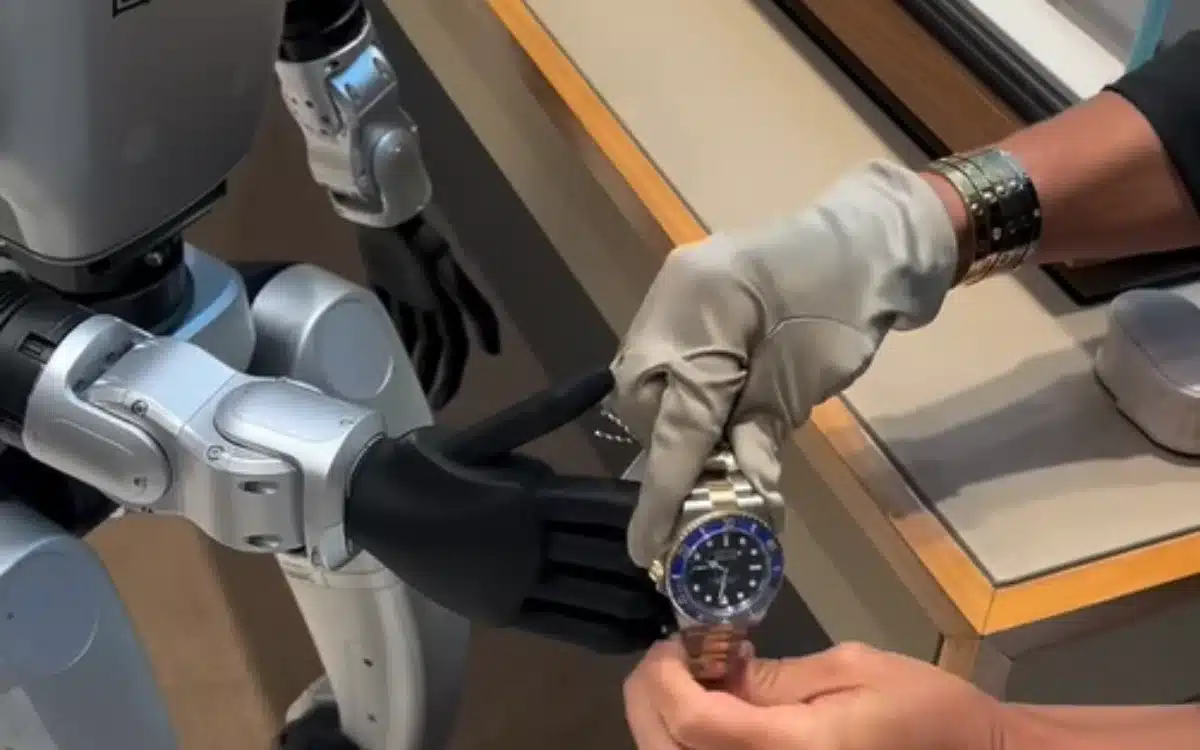
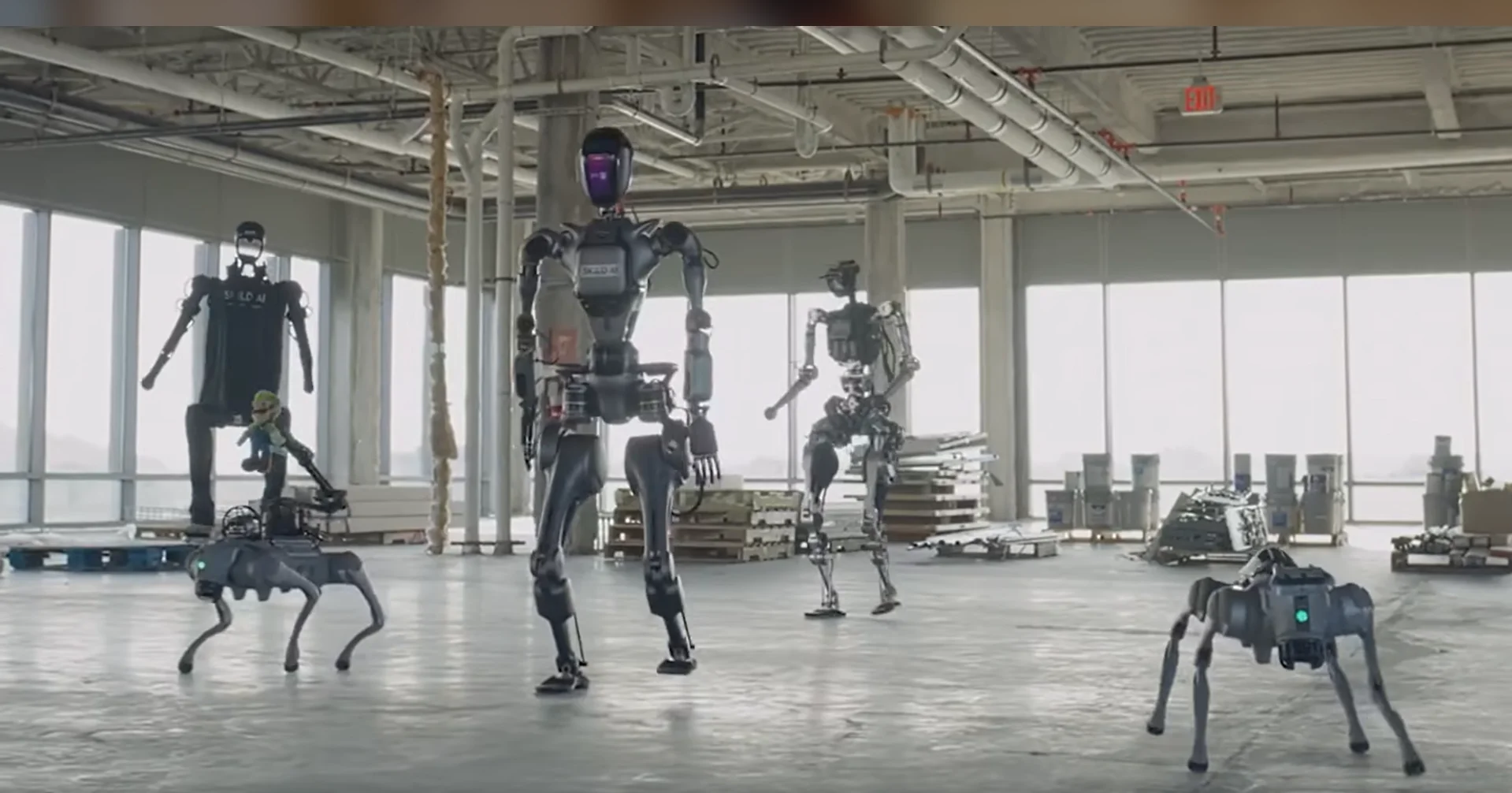
The company has created an omni-bodied artificial brain that is capable of being put into any type of robot and work instantly, with absolutely zero training.
The even more impressive feat is that whatever the robots face, like having a limb chopped off or having its wheels jam, is no problem; the robot will just briefly stop to analyze what to do, and carry on as normal.
To show how truly adaptive the AI brain is, Skild AI took a chainsaw to a robot to show that it would persist even if chopped in half or with no limbs.
It’s a superhero AI
Due to hierarchical control in the form of the high-level brain handling navigation and decision making, and the low-level brain translating that into motor power and joint control, it’s super reactive and adaptive.
This isn’t just cool robotics, it’s actual artificial intelligence that would adapt and thrive in the – often messy – real world.
Robots with these brains will be able to carry on working when things go wrong, or where humans aren’t able to.
The implications of artificial intelligence that is this intelligent may be a little scary, but also could be so incredibly helpful if used in the right contexts.
As Skild AI says, unfortunately, some robots were harmed in the making of this article.
Daisy is a technology and automotive journalist covering artificial intelligence, consumer tech, Apple news, cryptocurrency, emerging technologies, and transportation innovation. Since joining the team in 2025, she has reported on everything from AI-powered startups and major iOS updates to viral car stories and the latest developments shaping transportation and the digital economy. Drawing on her background in automotive journalism and a degree in History and Journalism from Goldsmiths, University of London, Daisy specializes in breaking down complex topics into clear, engaging reporting for a global audience. Her work spans cutting-edge technology, innovative vehicles, and the people driving change across both industries. Daisy has gained first-hand access to some of the world's most talked-about technologies and innovators, including meeting Tesla's Optimus humanoid robot during its first European appearance in London. She has also discussed the future of space exploration with an astronaut, bringing unique insights and real-world perspectives to her coverage of emerging technology.




