This wild AI engine unleashes ChatGPT and Gemini together to crank out massive 300000 word books
Published on May 02, 2026 at 10:04 AM (UTC-4)
by Daisy Edwards
Last updated on May 02, 2026 at 10:04 AM (UTC-4)
Edited by
Mason Jones


AI writing tools are getting seriously out of hand, and this latest AI engine might be the most ambitious yet, as it combines ChatGPT and Gemini to crank out massive 300,000-word books.
It can create full books in the same amount of time it would take a normal person to read a single chapter.
The platform, called YouBooks, is designed to turn rough ideas into full-length manuscripts with minimal effort.
And right now, it’s being offered at a surprisingly low price, which is why so many people are suddenly paying attention.
How YouBooks works
At the heart of this wild tech tool, YouBooks, is a multi-model system that combines several major AI platforms, including ChatGPT and Gemini, to generate long-form content.
Instead of relying on just one AI brain, it pulls from multiple models at once, which helps improve accuracy, structure, and overall readability.
It can even carry out real-time web research while writing, meaning the content can stay current and fact-checked as it’s being generated.
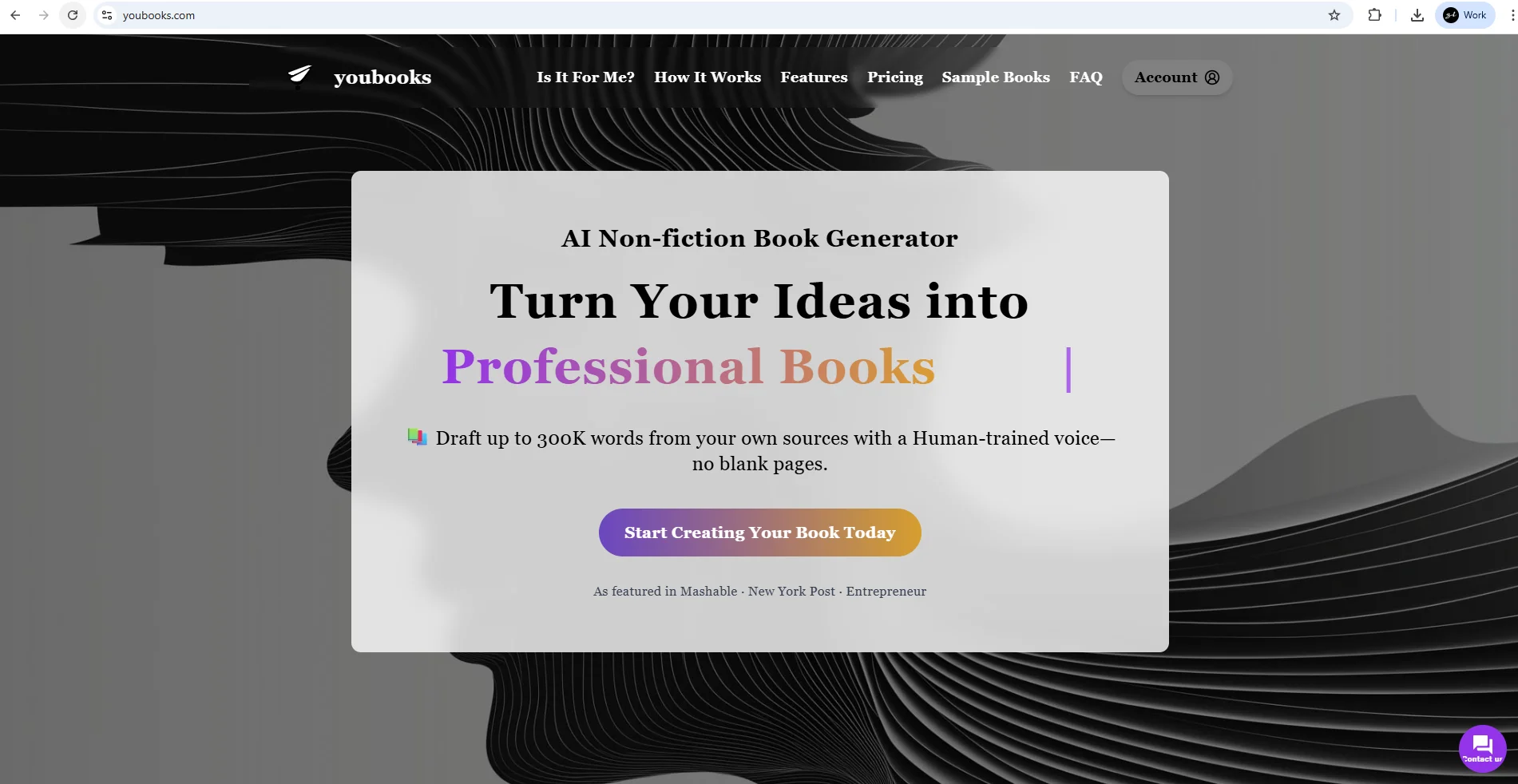
Users simply input a topic or idea, and the system builds out chapters, sections, and full narratives automatically.
It can also adapt tone and style by analyzing writing samples or uploaded documents, making the finished product feel more personal.
In short, it’s less like a chatbot and more like a full publishing assistant working behind the scenes.
Related

This combo of ChatGPT and Gemini is powerful
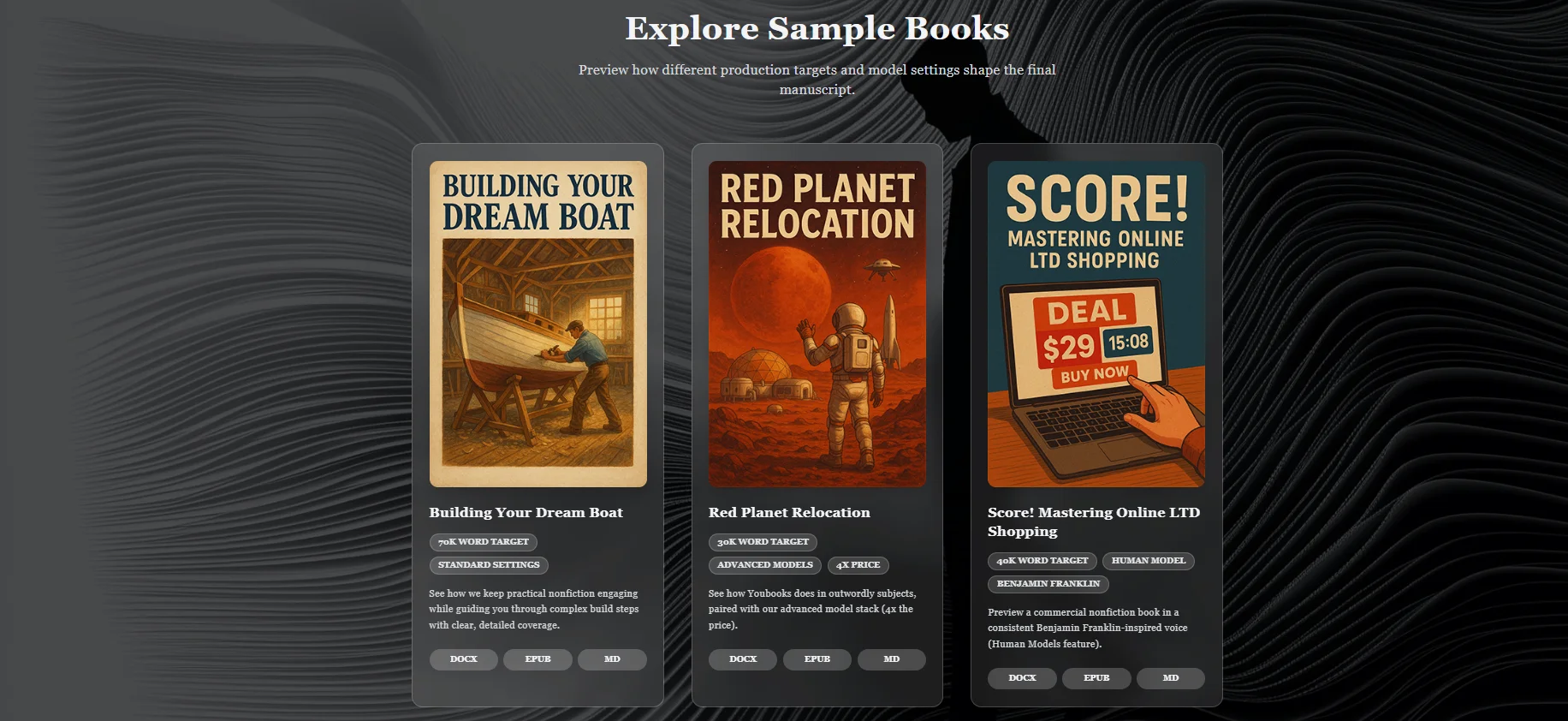
The most amazing feature is the sheer scale, because this AI engine can generate manuscripts up to 300,000 words long, which is well beyond the length of many traditional non-fiction books.
It works using a credit-based system, where each word generated counts toward a monthly allowance, and users can export their finished literary masterpieces in formats like PDF, Word, or EPUB.
There are also commercial rights included, meaning anything created can be sold or published without extra licensing nightmares.
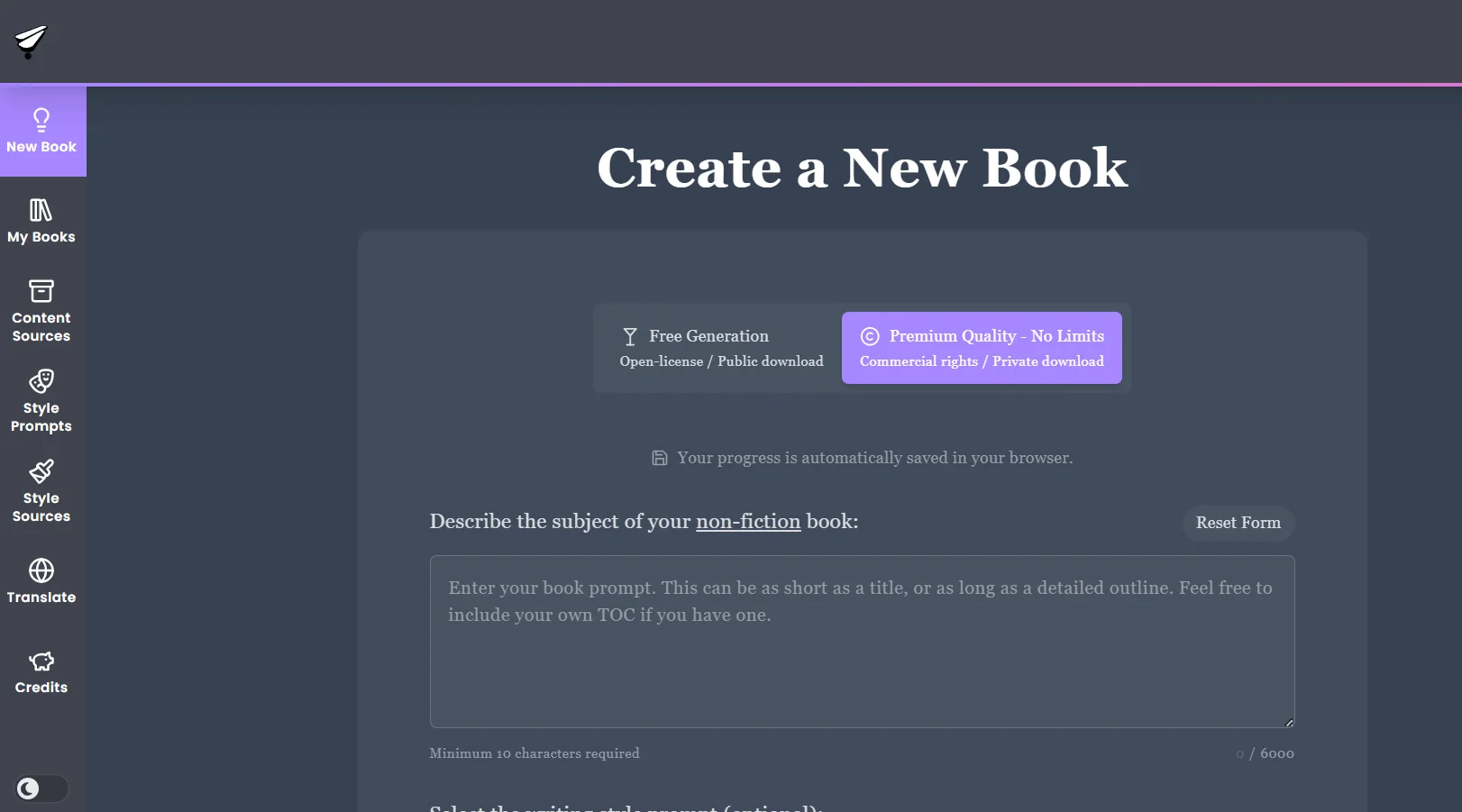
Of course, it’s not perfect; the tool is designed to assist rather than completely replace human creativity, but it dramatically cuts down the time it takes to go from idea to finished draft.
For anyone who’s ever thought about writing a book but never got started, this kind of AI might remove the biggest barriers of all: the blank page and writer’s block.
Daisy is a technology and automotive journalist covering artificial intelligence, consumer tech, Apple news, cryptocurrency, emerging technologies, and transportation innovation. Since joining the team in 2025, she has reported on everything from AI-powered startups and major iOS updates to viral car stories and the latest developments shaping transportation and the digital economy. Drawing on her background in automotive journalism and a degree in History and Journalism from Goldsmiths, University of London, Daisy specializes in breaking down complex topics into clear, engaging reporting for a global audience. Her work spans cutting-edge technology, innovative vehicles, and the people driving change across both industries. Daisy has gained first-hand access to some of the world's most talked-about technologies and innovators, including meeting Tesla's Optimus humanoid robot during its first European appearance in London. She has also discussed the future of space exploration with an astronaut, bringing unique insights and real-world perspectives to her coverage of emerging technology.




