US man tests five telescopes ranging from $1 to $100,000 to find out how well they can take photos of space
Published on Mar 17, 2026 at 3:52 PM (UTC+4)
by Daisy Edwards
Last updated on Mar 17, 2026 at 3:52 PM (UTC+4)
Edited by
Emma Matthews
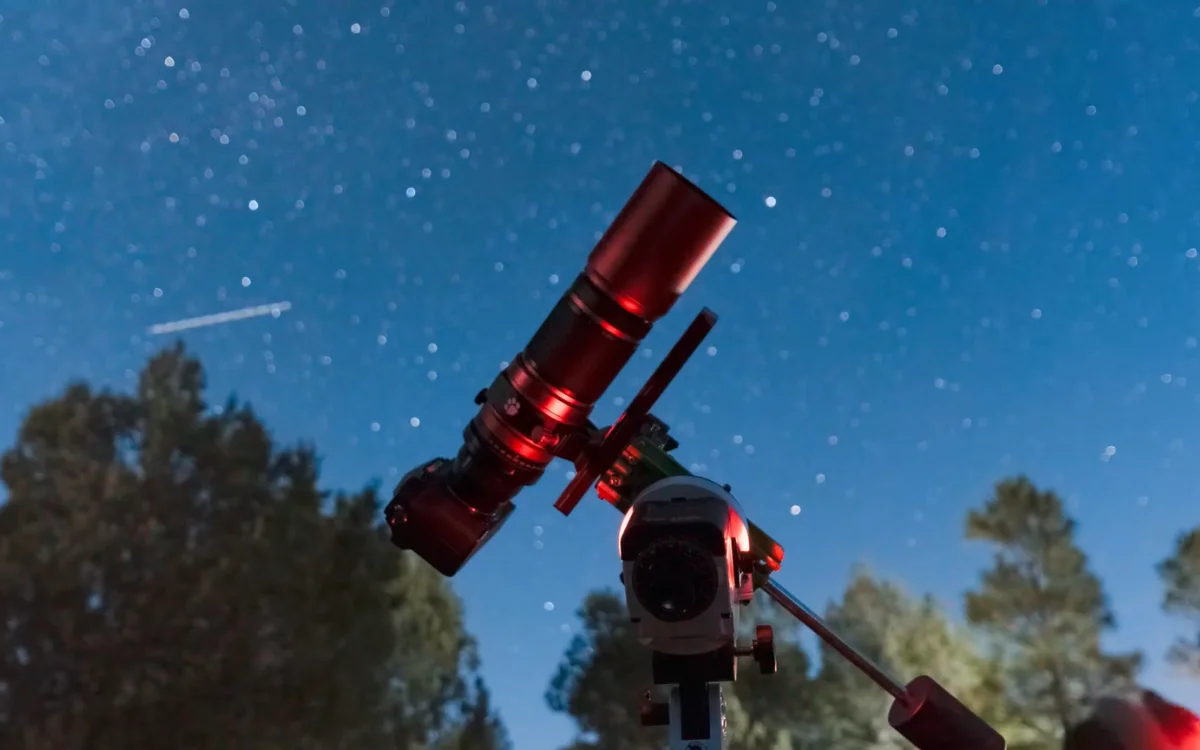

A YouTuber decided to test out five telescopes, ranging from a dollar to hundreds of thousands, to determine exactly how much you need to spend to take great photos of space.
The creator put a whole lineup of telescopes to the test, starting with a tiny $1 scope and ending with a huge observatory-class setup worth nearly $100,000.
He wanted to see how much of a difference the price tag really makes when you are trying to photograph deep space objects like nebulae and distant galaxies.
While the cheapest options could still spot a few things in the night sky, the more expensive systems unlocked a jaw-dropping view of the universe.
Click the star icon next to supercarblondie.com in Google Search to stay ahead of the curve on the latest and greatest supercars, hypercars, and ground-breaking technology
The difference between five telescopes, ranging from $1 to $100,000
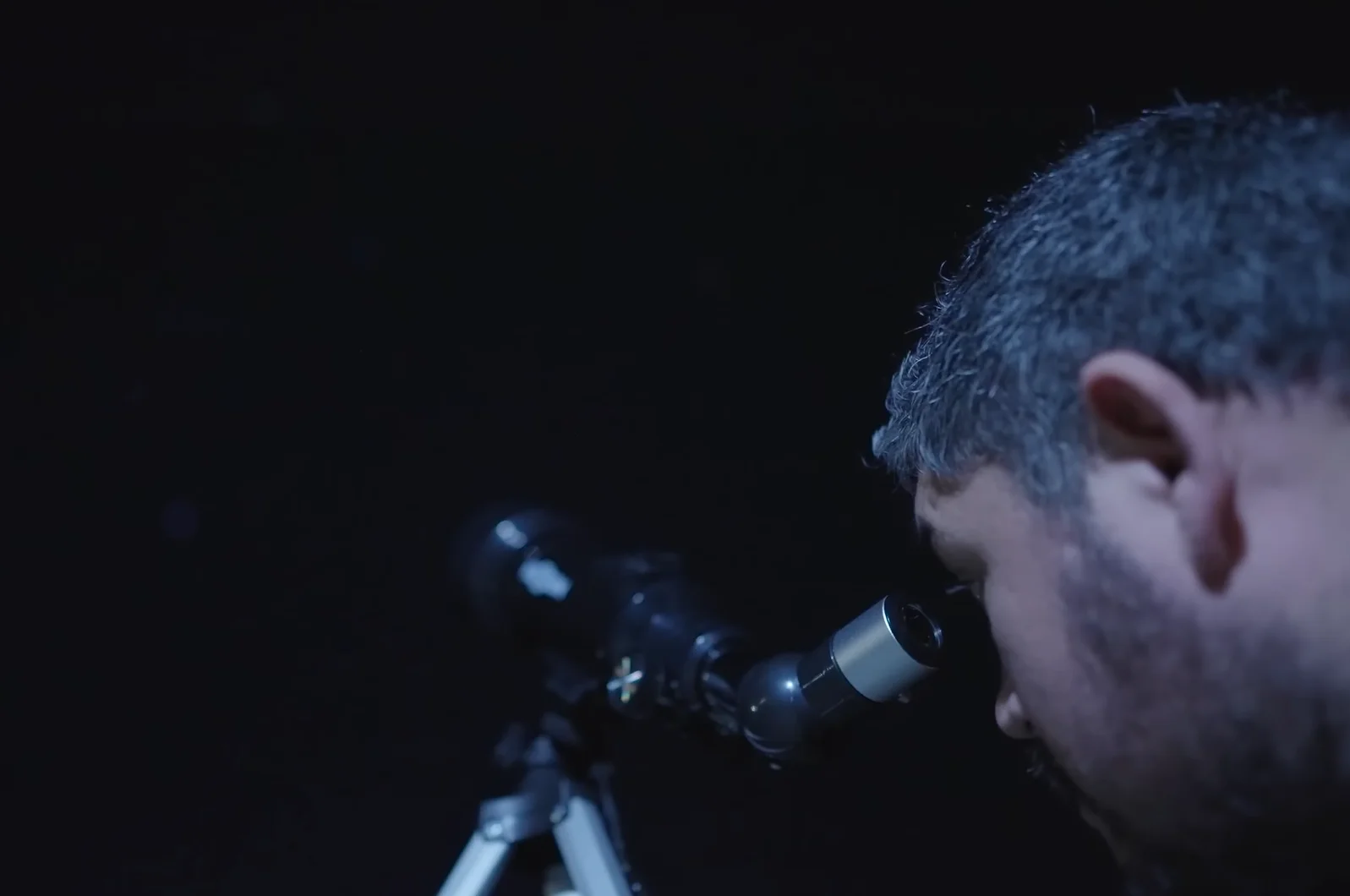
The first telescope in the space photography experiment was a tiny $1 model that looked more like a toy than a serious bit of gear.
Even so, the YouTuber still pointed it at the Orion Nebula to see if it could handle a deep space photo, which was a tall order for something so small, and it couldn’t even carry the weight of an iPhone.
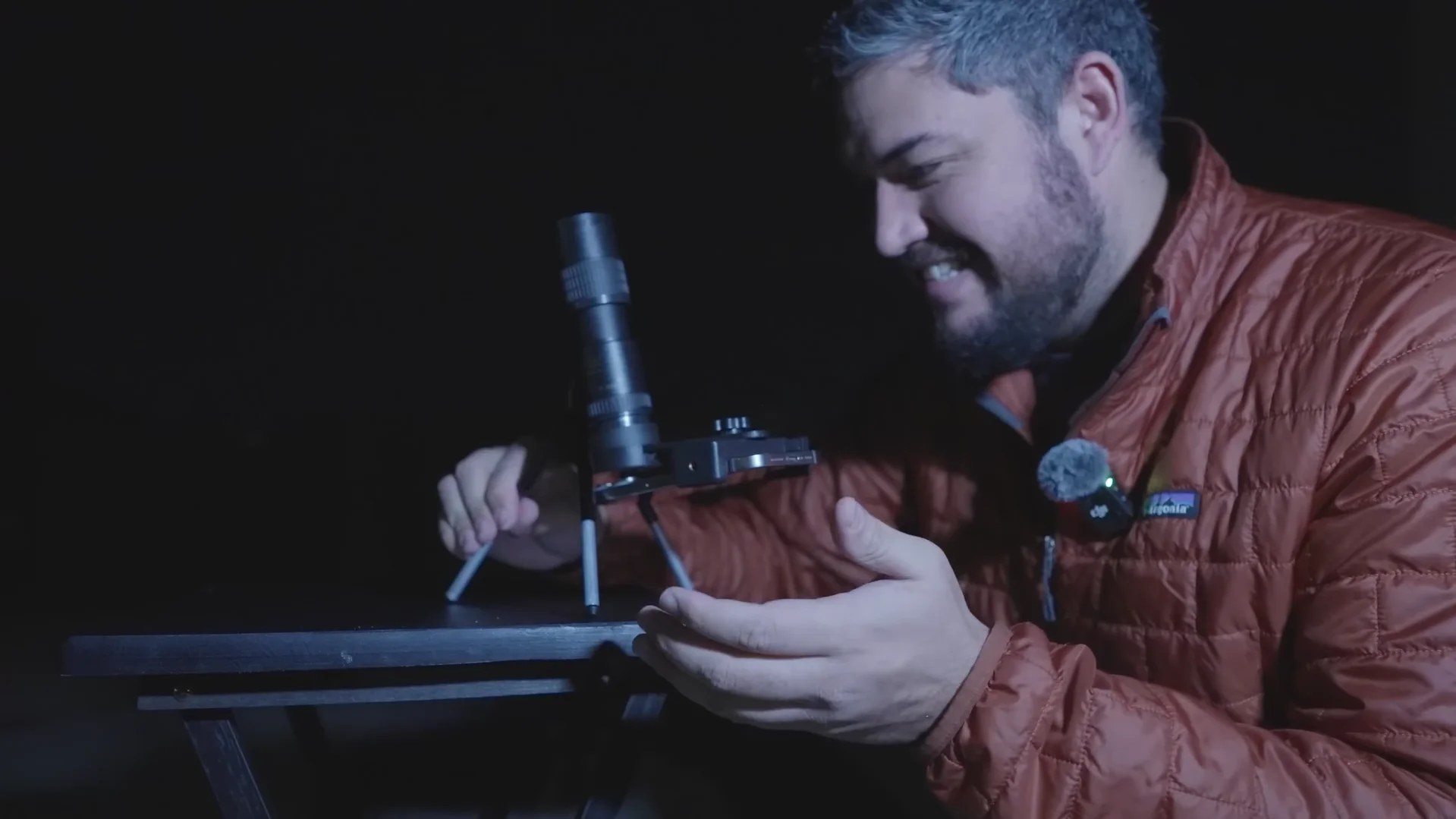
Next came a $100 telescope bought online, complete with over-the-top marketing and a phone adapter for snapping iconic space pictures through the eyepiece.
It managed to grab a blurry and basic shot of Orion, but it was clear that while these cheaper telescopes can be fun for beginners, they are not exactly built for serious astrophotography.
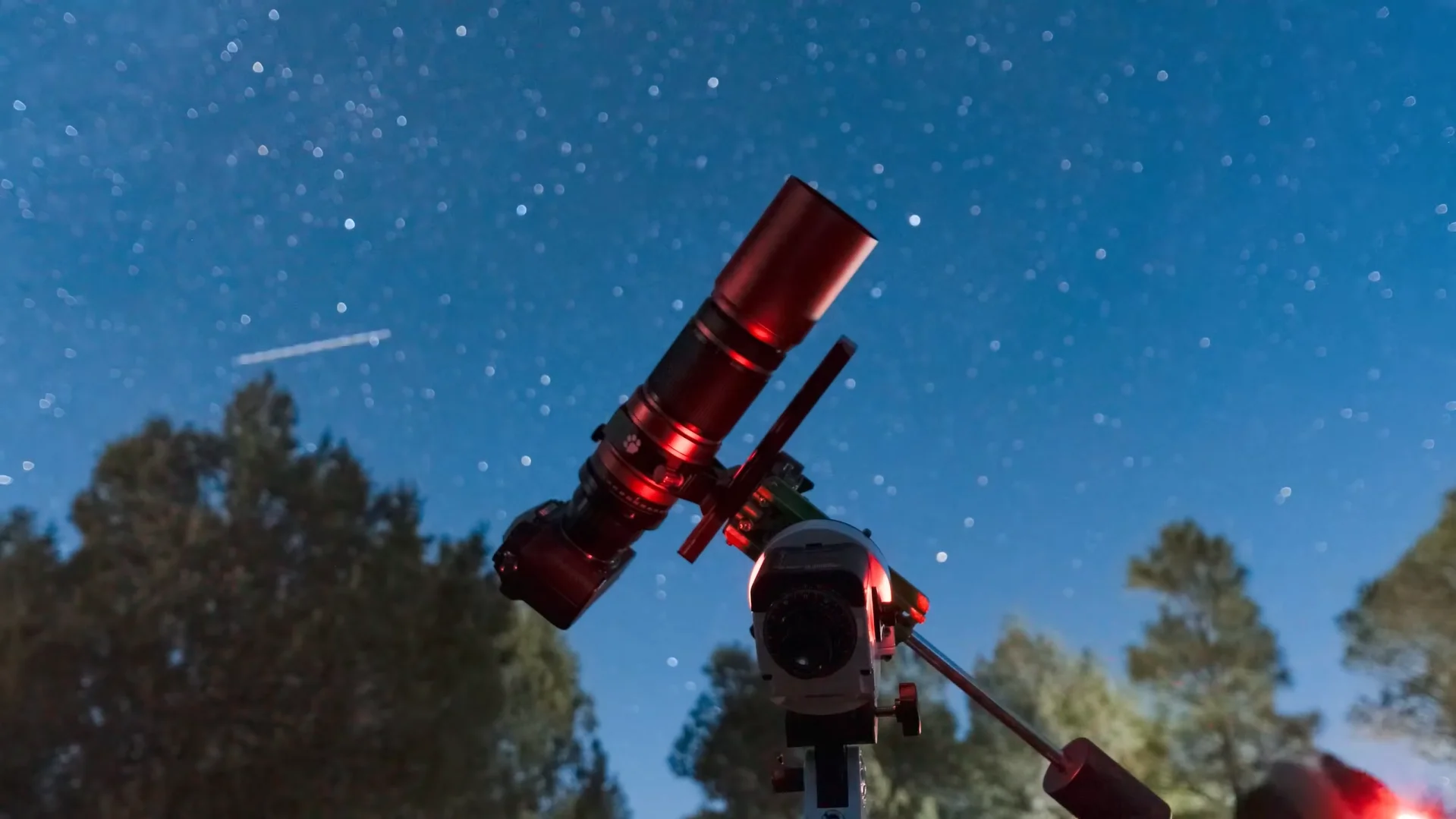
Things started to get much more exciting with a $900 RedCat 51 telescope, paired with a proper camera and star tracker.
That setup was able to capture stunning wide-field images of the Orion region, the Horsehead and Flame Nebulae, and even colorful sections of the Milky Way.
Can they take good photos of space?
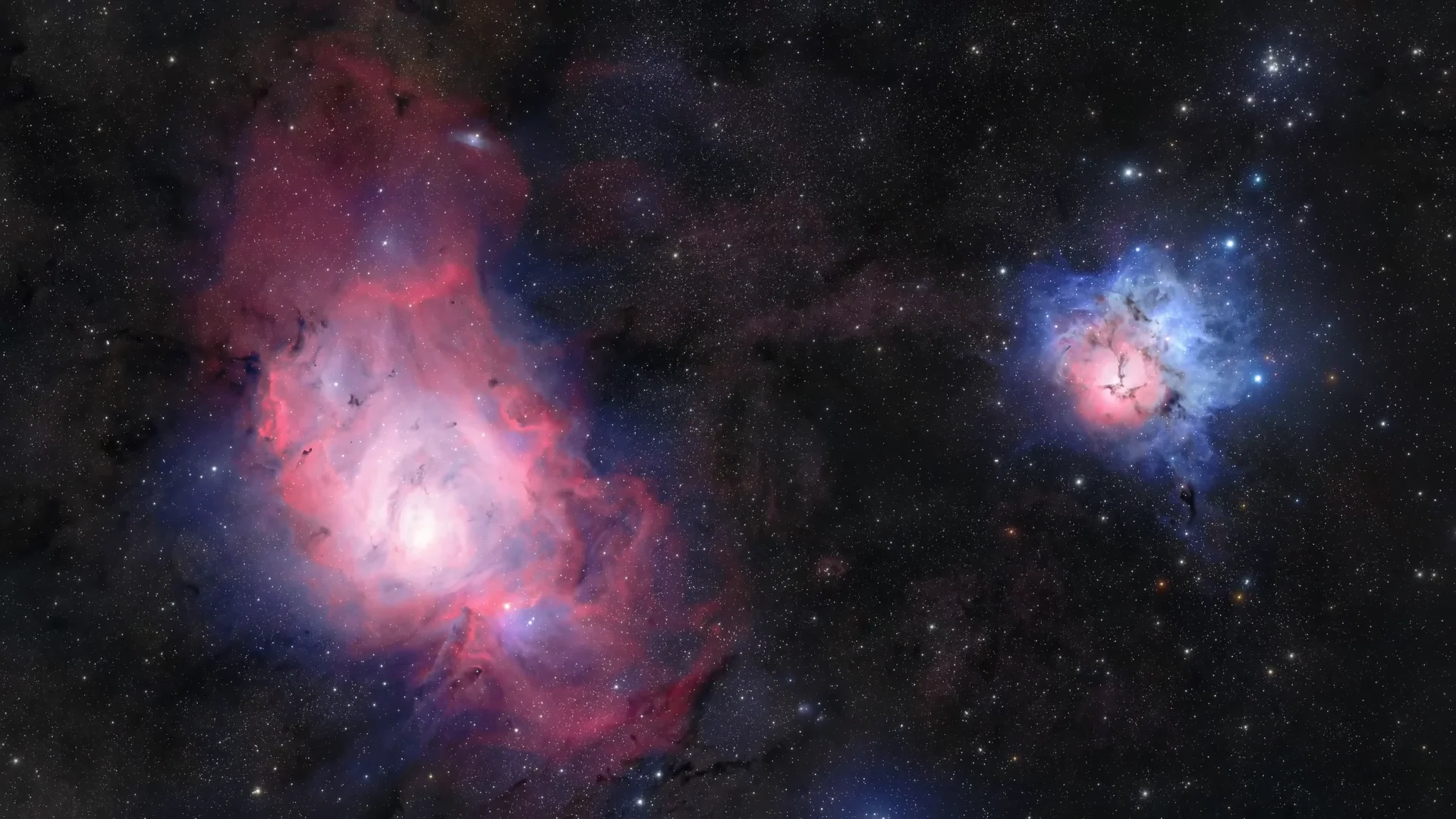
From there, the creator stepped up to his own $15,000 telescope system, which brought sharper detail, better tracking, and the ability to reveal more of the science hidden inside the cosmos.
Using special filters, he photographed nebulae in ways that showed shockwaves, glowing hydrogen gas, and superheated oxygen.
But the real showstopper was the $100,000 observatory-class telescope.
With that giant setup, he captured incredibly detailed images of galaxies like Centaurus A and NGC 1365, showing off structures and features that would be impossible to resolve with cheaper gear.

In the end, his conclusion was simple: spending $100,000 will not magically make someone better at taking photos of space, but it can reveal parts of the universe that smaller systems cannot reach.
DISCOVER SBX CARS: The global premium car auction platform powered by Supercar Blondie