Using 'pre-mortem' AI prompt before every big decision can save you from making bad mistakes
Published on Mar 08, 2026 at 8:08 PM (UTC-4)
by Daisy Edwards
Last updated on Mar 11, 2026 at 7:21 AM (UTC-4)
Edited by
Amelia Jean Hershman-Jones
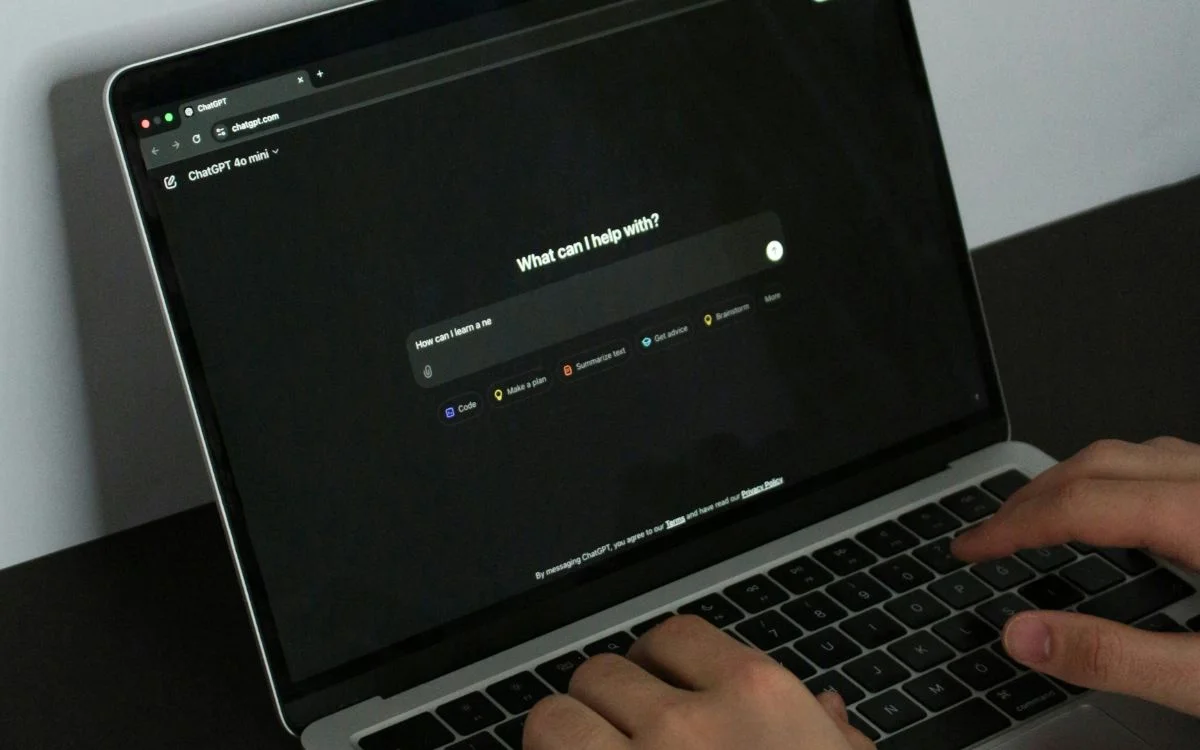

Using a ‘pre-mortem’ AI prompt before every big decision can save you from making bad mistakes, and one writer says it has already helped her dodge some huge ones.
The clever trick is designed to force people to confront the risks they are already half-aware of but might be too excited to engage with fully.
Instead of asking AI whether an idea is good, the prompt tells it to imagine the whole thing has gone badly wrong a year later.
That simple twist can turn a rushed, emotional choice into a much clearer one.
Click the star icon next to supercarblondie.com in Google Search to stay ahead of the curve on the latest and greatest supercars, hypercars, and ground-breaking technology
You should start using a ‘pre-mortem’ AI prompt before every big decision
If you’ve ever made a pros and cons list when you’re making a big decision, this tech idea is for you.
A writer decided to ask ChatGPT to imagine it is 12 months in the future, after a big decision was made, and the situation has turned into a ‘complete disaster’, and then explain what went wrong without offering reassurance.
According to Caswell, the answers are not magic predictions; they are usually facts, worries, or weak spots that were already there but had not yet been properly faced.
That is what helped stop her from making what could have been three major mistakes.
She said the prompt made her rethink a high-profile AI job that would have taken her to Austin, pushed her away from buying a house that looked great on the surface, and even helped with business and financial decisions.
In each case, the AI did not invent secret knowledge; it simply forced the uncomfortable details into full view.

It flips your decision upside down
What makes the prompt so clever is that it flips the normal way people think.
Most of us ask, “Will this work?” but the pre-mortem asks, “It failed, so why did it fail?”
That change matters because excitement can make people ignore obvious warning signs.
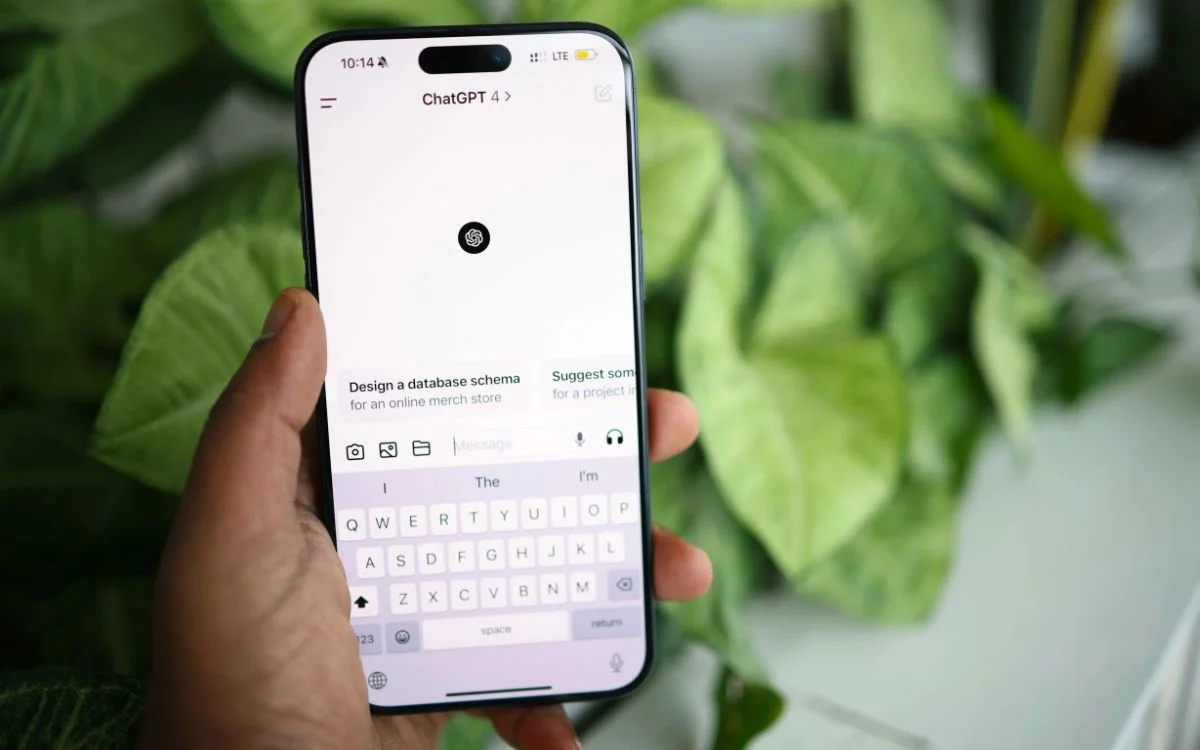
Caswell also shared a positive version of the same prompt, asking AI to imagine the decision went better than expected and explain what actions in the first 30 days made it succeed.
Together, the two prompts create a quick reality check that takes less than 10 minutes but could stop a very expensive regret.
AI still is not making the choice for you, but it might be the fastest way to spot a bad idea before it becomes a big mistake.
Daisy is a technology and automotive journalist covering artificial intelligence, consumer tech, Apple news, cryptocurrency, emerging technologies, and transportation innovation. Since joining the team in 2025, she has reported on everything from AI-powered startups and major iOS updates to viral car stories and the latest developments shaping transportation and the digital economy. Drawing on her background in automotive journalism and a degree in History and Journalism from Goldsmiths, University of London, Daisy specializes in breaking down complex topics into clear, engaging reporting for a global audience. Her work spans cutting-edge technology, innovative vehicles, and the people driving change across both industries. Daisy has gained first-hand access to some of the world's most talked-about technologies and innovators, including meeting Tesla's Optimus humanoid robot during its first European appearance in London. She has also discussed the future of space exploration with an astronaut, bringing unique insights and real-world perspectives to her coverage of emerging technology.




