People surprised to find out what clicking 'I'm not a robot' button actually does
Published on Aug 12, 2025 at 5:00 PM (UTC-4)
by Daisy Edwards
Last updated on Aug 12, 2025 at 5:00 PM (UTC-4)
Edited by
Tom Wood
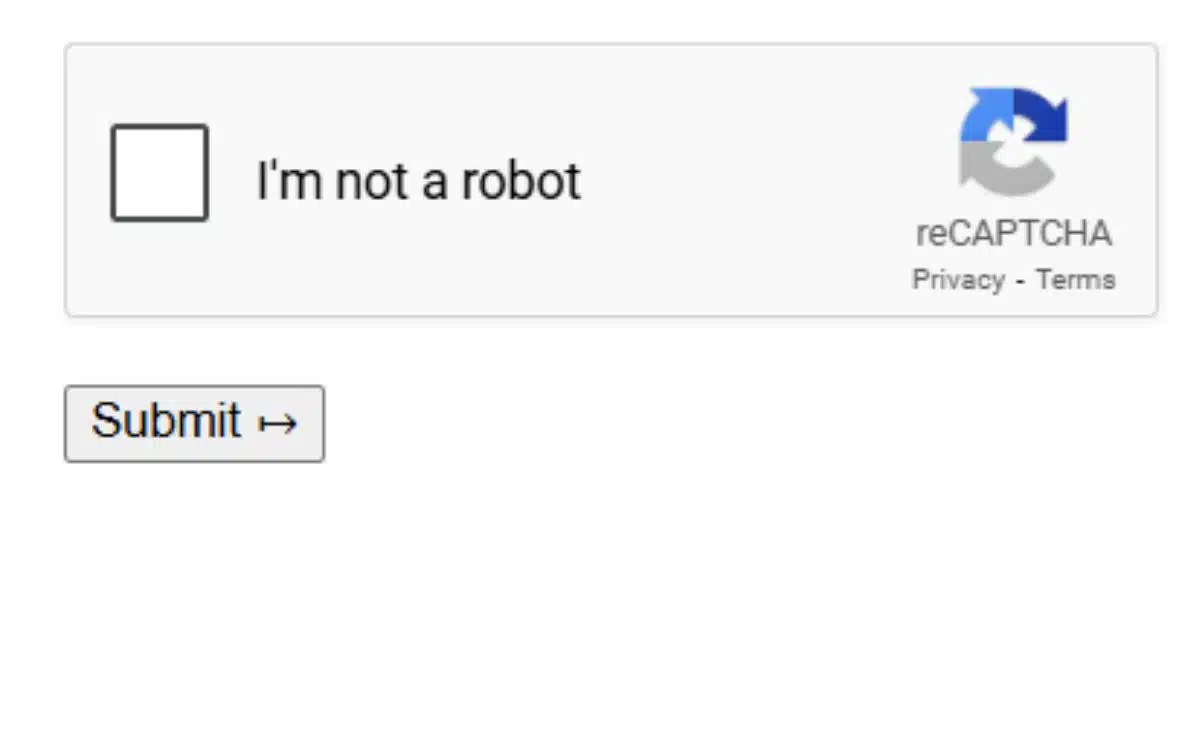

Have you ever thought about what it actually means to have to convince a website you’re visiting that you’re in fact, a human? Well, people are surprised to find out what clicking the ‘I’m not a robot’ button actually does.
In our increasingly digital age, clicking a little box that says ‘I’m not a robot’ is a very normal part of life, but have you ever thought about why we do it?
Surely, it can’t be that hard to program a robot or some sort of AI to click on the box and confirm that it is human, even when it isn’t.
Turns out though, it’s not about if you click the box, it’s actually about the way in which you move your mouse and interact with your computer that is the best show of humanity there is.
EXPLORE SBX CARS – Supercar auctions starting soon powered by Supercar Blondie
What the ‘I’m not a robot’ button actually does
When you’re surfing the web on any bit of tech, you’re probably completing loads of ‘Completely Automated Public Turing tests to tell Computers and Humans Apart’ or CAPTCHAs as they’re more commonly known .
These are the little boxes you have to tick to confirm you are not a robot, or squiggly words you have to read or pictures you need to click on, all meant to slow an AI down.
However, have you ever wondered how clicking on a box tells a computer that we’re human?
Well, it turns out it’s much less about if we’ve clicked it or not, but the way we have clicked on it.
AI has already beat the CAPTCHA test
We recently covered an incident where ChatGPT’s new Agent actually successfully passed the ‘I’m not a Robot’ test, meaning that its movements were convincingly human.
CAPTCHA tests track the way we move our mice when we click and even look through our recent searches, if we’ve skipped from our emails, to a cat video on YouTube, to our ex’s Instagram, we’re probably human.
The way the AI may have got away with it was because it was encouraged by a human to undertake tasks, so there seemed to be a human element involved in the process.
Essentially it’s the cat video watching, social media stalking, email writing chaos of our daily lives which makes us human and CAPTCHA knows and appreciates that, but when you complete a CAPTCHA, your data gets analyzed.
So, carry on surfing the web sufficiently humanly like the little weirdos we all are, the internet depends on it.
Daisy is a technology and automotive journalist covering artificial intelligence, consumer tech, Apple news, cryptocurrency, emerging technologies, and transportation innovation. Since joining the team in 2025, she has reported on everything from AI-powered startups and major iOS updates to viral car stories and the latest developments shaping transportation and the digital economy. Drawing on her background in automotive journalism and a degree in History and Journalism from Goldsmiths, University of London, Daisy specializes in breaking down complex topics into clear, engaging reporting for a global audience. Her work spans cutting-edge technology, innovative vehicles, and the people driving change across both industries. Daisy has gained first-hand access to some of the world's most talked-about technologies and innovators, including meeting Tesla's Optimus humanoid robot during its first European appearance in London. She has also discussed the future of space exploration with an astronaut, bringing unique insights and real-world perspectives to her coverage of emerging technology.




