This is what would happen if an asteroid headed straight towards the International Space Station
Published on Mar 04, 2026 at 12:22 PM (UTC+4)
by Claire Reid
Last updated on Mar 04, 2026 at 12:23 PM (UTC+4)
Edited by
Mason Jones
Ever wondered what would happen if an asteroid were spotted hurtling towards the International Space Station (ISS) while astronauts were aboard?
Well, in 2015, the world found out because a dead satellite was detected as it headed directly towards the ISS at more than eight miles per second.
The situation was described as the ‘worst possible scenario’ for those onboard.
Thankfully, the piece of space junk didn’t hit ISS – but here’s exactly what went down in the hours beforehand.
DISCOVER SBX CARS – The global premium auction platform powered by Supercar Blondie
The International Space Station had a near miss a decade ago
July 16, 2015 probably started out as a fairly normal day for astronauts Scott Kelly, Gennady Padalka, and Mikhail Kornienko, who were living on International Space Station.
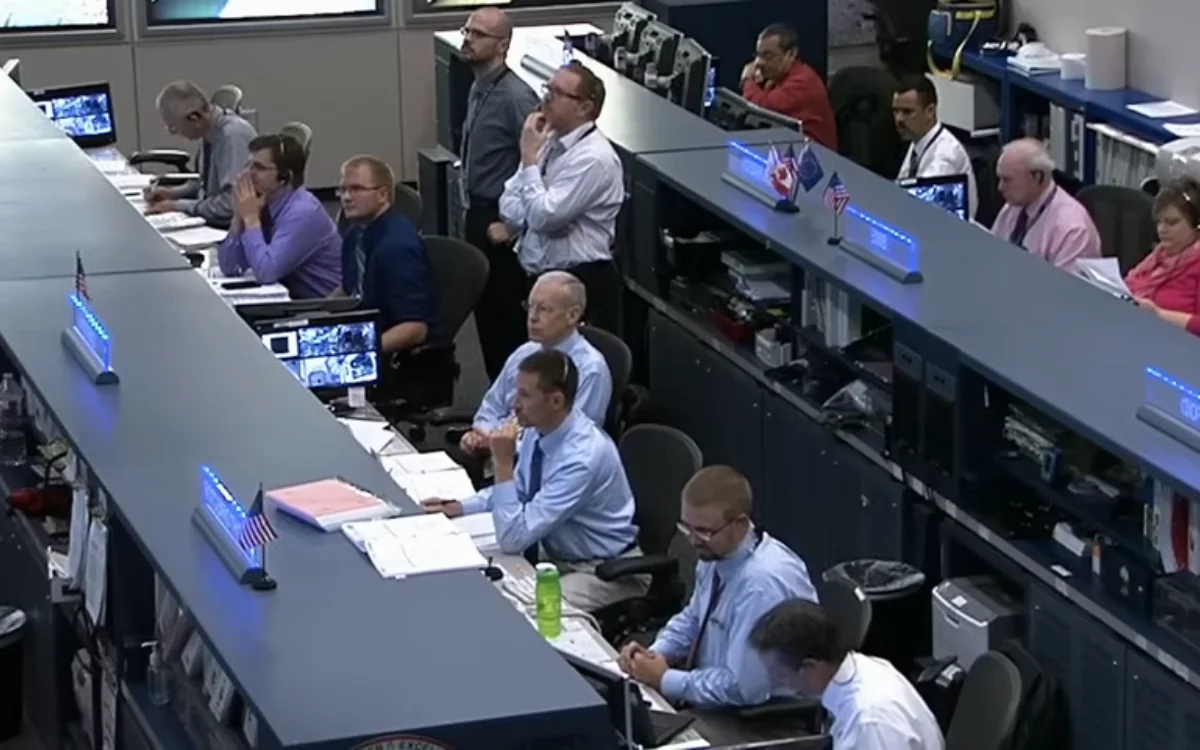
However, early that morning, the team received a radio call from mission control and was told that a ‘dead satellite’ was headed towards ISS and the astronauts were ‘susceptible to being hit’.
Speaking to Naked Science, Kelly said he asked how fast it was travelling and was informed it was moving at speeds of more than eight miles per second.
“That’s the worst possible scenario,” he said. “That’s essentially a head-on collision.”
Typically, NASA has plenty of time to move ISS if an asteroid is spotted, but on July 16, 2015, that wasn’t the case, and the team had just three hours’ notice.
“They said it’s going to come inside our sphere fast, and if it’s going to hit the station, it’s going to be very bad. Very bad,” NASA flight controller Jay Marschke told Naked Science.
So, the astronauts could do nothing but prepare themselves for the worst.
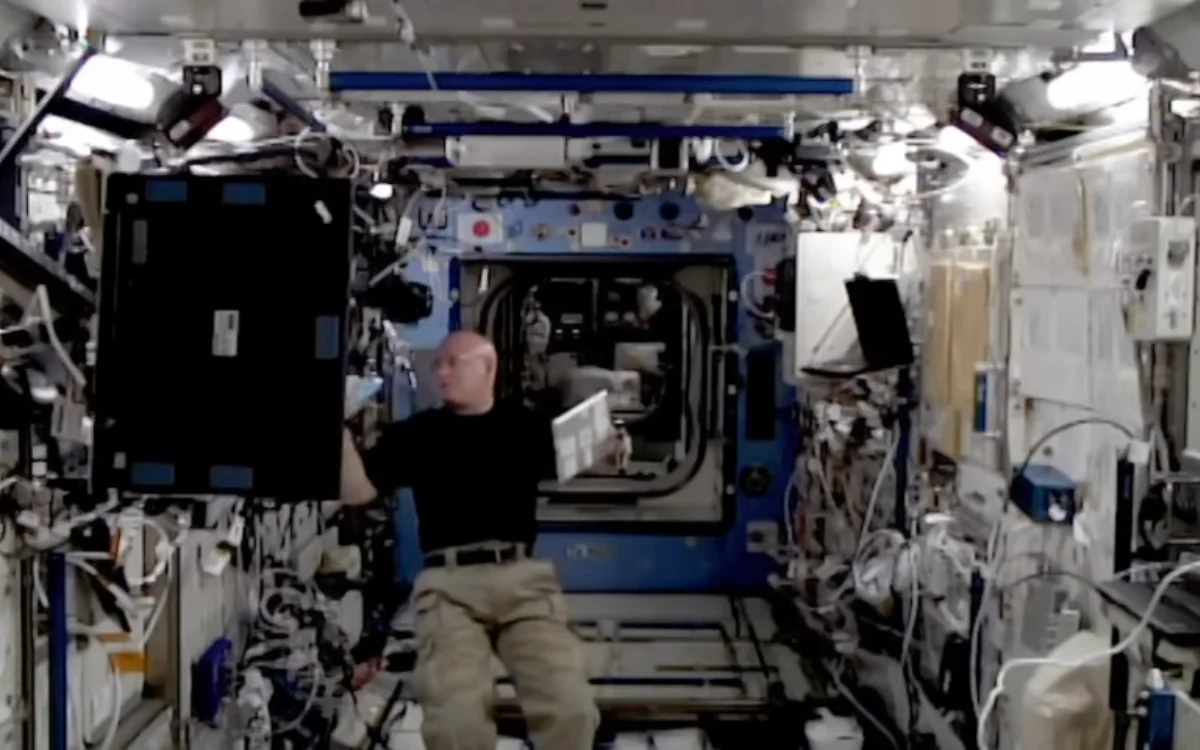
The crew was told to ‘shelter in place’ inside the Soyuz escape ship, which works a little like a lifeboat, but in space.
However, before they could get inside Soyuz, they had to secure ISS for impact.
The team does this in case only part of the space station is hit, and there’s a chance only one module will pressurize.
Padalka and Kornienko worked together to close off the Russian modules, while Kelly took the US modules on his own with just an hour to get the work done.
With just 20 minutes until the satellite’s ‘closest approach’, the team got into Soyuz and braced themselves.
Click the star icon next to supercarblondie.com in Google Search to stay ahead of the curve on the latest and greatest supercars, hypercars, and ground-breaking technology
Had the dead satellite hit, it would have been ‘a catastrophic event’
The International Space Station was built to be tough, and its outer walls are made from four-inch-thick Kevlar and ceramic fabric panels, which means they can handle minor knocks or bumps from small bits of space junk floating by.
However, the ISS’s walls would have been no match for the dead satellite on July 16.
The ISS orbits the Earth at speeds of around 17,500mph, so if it did ever get involved in a collision, it certainly wouldn’t end well for those onboard.
“Something that’s 10 centimeters or greater, if that hits a pressurized module, the likelihood [is] we’re talking about a catastrophic event,” Marschke added.
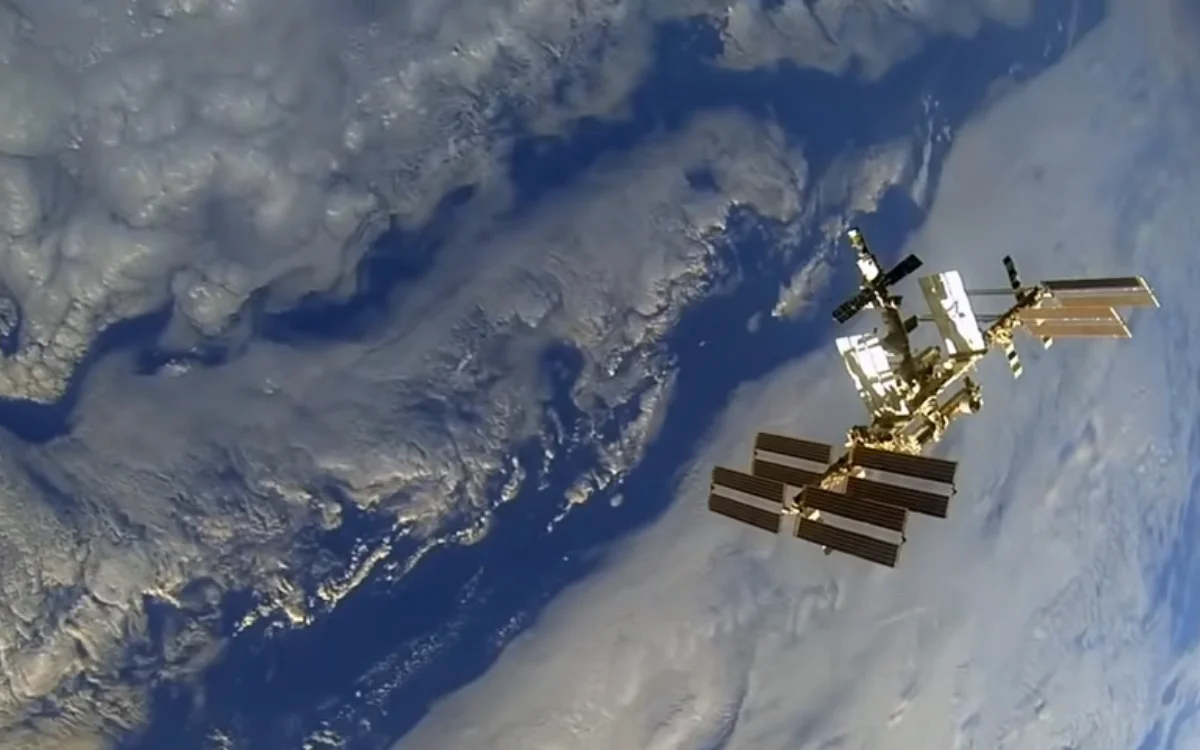
While that may sound absolutely terrifying, Kelly explained that if there was an impact, he’d never actually be aware of it.
“If we had been hit by something going that fast and of that size, we would have never even known it,” he said.
Of course, as we know, it didn’t hit the ISS, but it did come close – around a mile away, or ‘too close to comfort’ according to Kelly.
“Happy there was no impact,” Kelly wrote on Twitter at the time.
“Great coordination with international ground teams. Excellent training.”
DISCOVER SBX CARS: The global premium car auction platform powered by Supercar Blondie
With a background in both local and national press in the UK, Claire has covered a range of topics, including technology, gaming, and cryptocurrency, since joining the editorial team at Supercar Blondie in May 2024. Her ability to be first to a story has been integral to making SB’s coverage of scientific discovery, AI, and global tech news a slick 24/7 operation.