Technician made a simple mistake during maintenance of NASA satellite that ended up causing $135,000,000 of damage
Published on Jan 22, 2026 at 7:49 AM (UTC+4)
by Claire Reid
Last updated on Jan 22, 2026 at 10:11 PM (UTC+4)
Edited by
Ben Thompson
A technician at Lockheed Martin made a mistake while working on a NASA weather satellite that ended up costing a whopping $135 million to fix. Ouch.
NOAA-19, also known as NOAA-N Prime, was the very last of the American National Oceanic and Atmospheric Administration (NOAA) weather satellites to be launched into orbit.
It was launched back in 2009 and was decommissioned last August following a battery failure.
However, its road to being sent into space didn’t run smoothly, and years before it blasted off into space, it was involved in a very costly accident.
DISCOVER SBX CARS – The global premium auction platform powered by Supercar Blondie
The technician missed one vital aspect of the job, and it turned out to be a costly mistake
If you think you’ve had a bad week at work, then please spare a thought for the technician working at Lockheed Martin back in 2003 who ended up costing the company millions.
At the time, Lockheed Martin was helping to build the NOAA satellite at its facility in California.
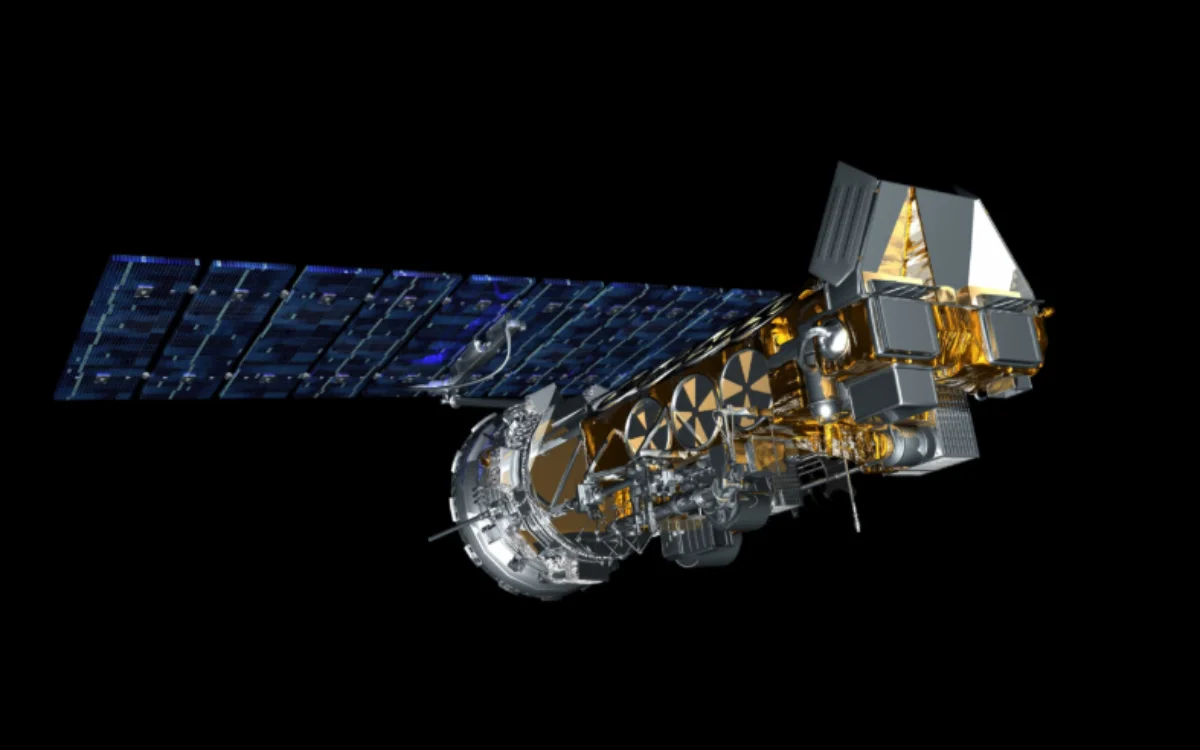
Engineers and technicians were carefully rotating the 14-foot satellite when it fell around 3 feet onto the concrete floor.
Now, you don’t need to be a tech whizz to know that dropping sensitive NASA equipment onto a concrete floor from a height isn’t going to do it any good – and the poor satellite was left with ‘severe damage’.
Following the incident, NASA launched an investigation to get to the bottom of how it could have happened.
The inquiry revealed that while the turn-over cart (TOC) that was used during the incident had been in storage, an unnamed technician removed twenty-four bolts that were needed to secure the satellite to the cart.
The technician hadn’t recorded this removal, so when the turn-over cart was brought out to be used, those working on it had no clue the vital bolts had been removed and hadn’t checked prior to using it.
The result? The satellite hit the deck, and hard.
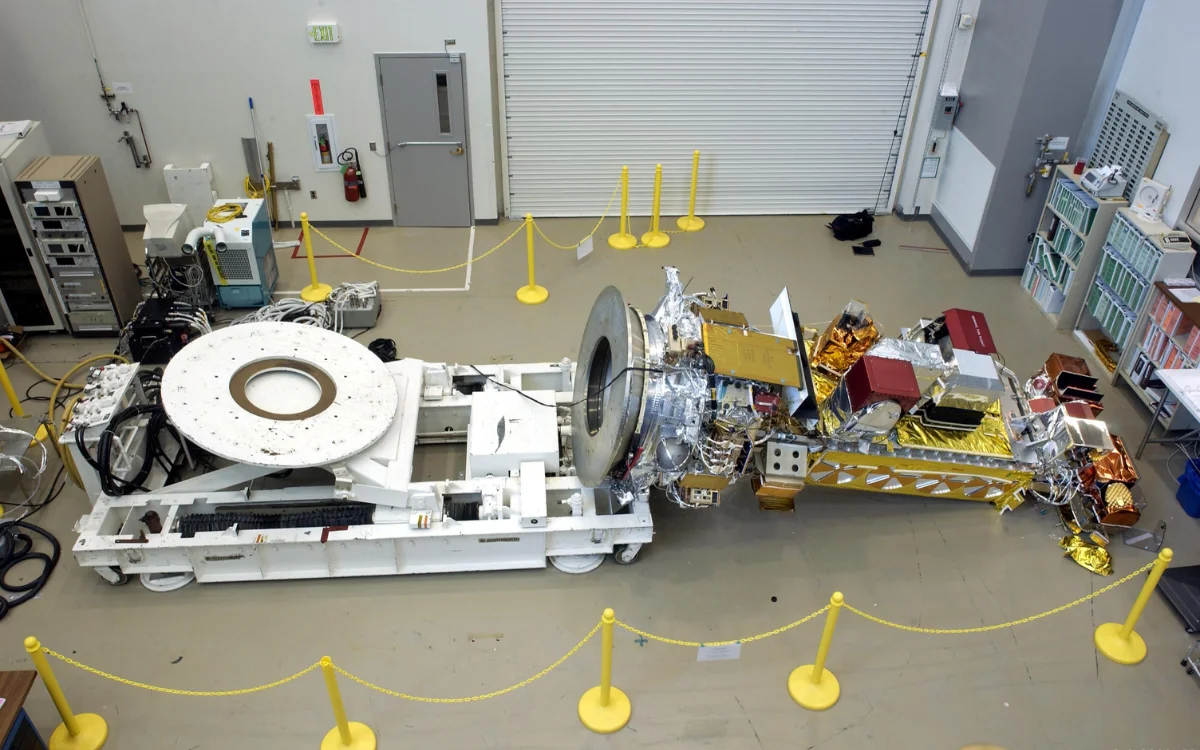
“The bolts were removed from the TOC by another project while the cart was in a common staging area, an activity which was not communicated to the NOAA project team,” NASA wrote in its report.
Click the star icon next to supercarblondie.com in Google Search to stay ahead of the curve on the latest and greatest supercars, hypercars, and ground-breaking technology
Fixing a NASA satellite is about as expensive as you’d expect
The damage sustained in the fall amounted to an eye-popping $135 million.
Lockheed Martin Space Systems spokesman Buddy Nelson said around 15 percent of the satellite needed repairs following the incident.
And, as it happened at a Lockheed Martin facility, the company agreed to forfeit all profits from the project to help cover the cost.
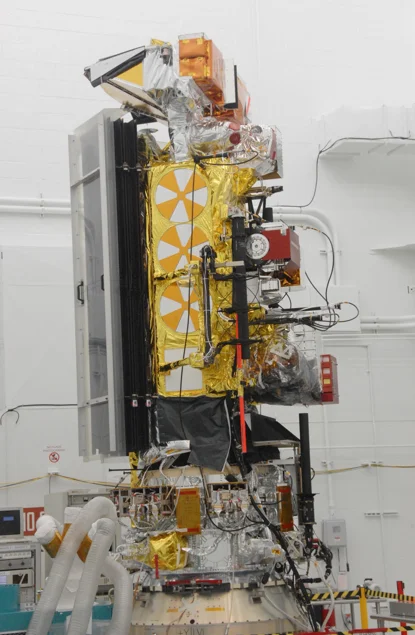
“Lockheed Martin has voluntarily contributed to the rebuild effort all profit previously earned and paid on the contract,” Nelson said at the time.
“The company will undertake the completion of the N-Prime satellite bus on a cost-only basis, forgoing all profits that otherwise might have accrued to Lockheed Martin for this spacecraft bus.”
It’s unclear what happened to the technician, but we reckon they will have had a very hard time living this one down at work.
DISCOVER SBX CARS: The global premium car auction platform powered by Supercar Blondie
With a background in both local and national press in the UK, Claire has covered a range of topics, including technology, gaming, and cryptocurrency, since joining the editorial team at Supercar Blondie in May 2024. Her ability to be first to a story has been integral to making SB’s coverage of scientific discovery, AI, and global tech news a slick 24/7 operation.