Tesla has been forced to rename Full Self-Driving in Europe after it was labeled 'misleading'
Published on Oct 13, 2026 at 9:59 PM (UTC-4)
by Alessandro Renesis
Last updated on Oct 13, 2026 at 9:59 PM (UTC-4)
Edited by
Mason Jones
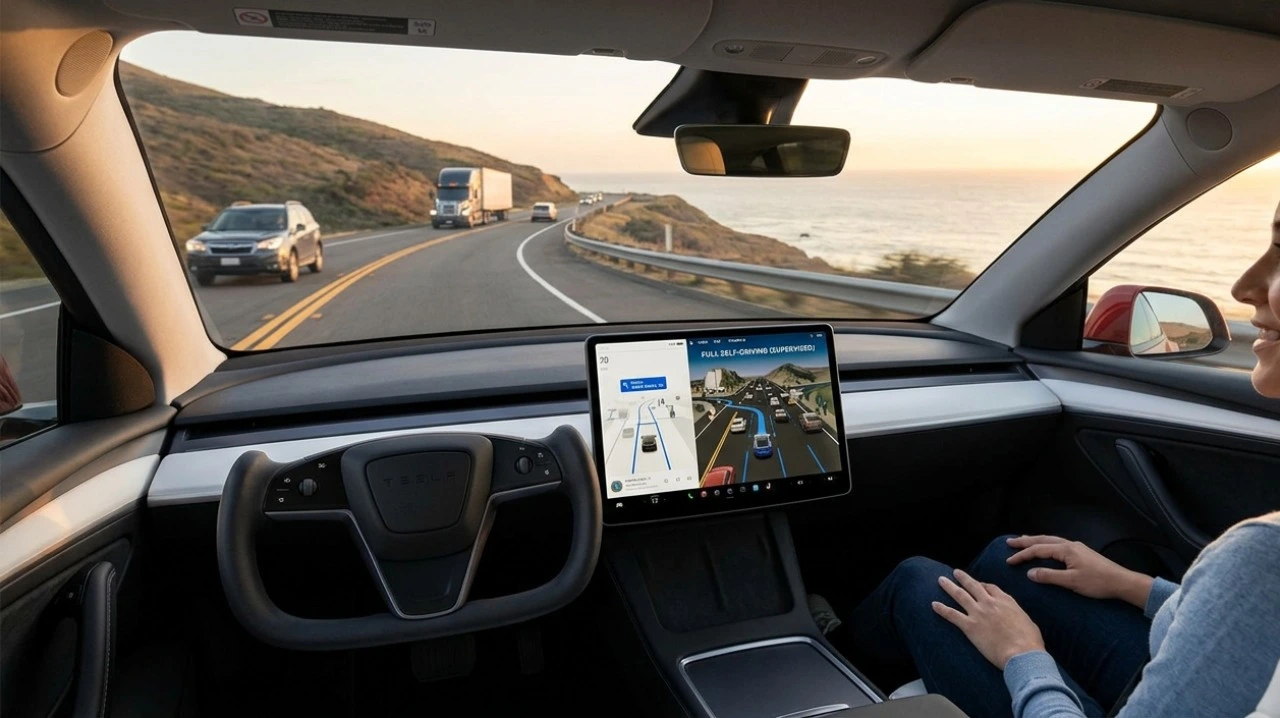

Tesla FSD is finally being approved in Europe, which is the good news.
The bad news is that it’s happening very, very slowly, and very, very gradually.
Not only that, the EU is doing what it does best: regulating.
And the regulation includes a strange – but ultimately fair – name change.
The EU is (technically) correct
Some people argue that the EU tends to over-regulate.
But at the risk of sounding excessively pedantic, it does have a point on this occasion.
Tesla calls it FSD – Full Self-Driving – but it technically isn’t.
For complicated (mostly) legal reasons, Tesla FSD is actually Level 2.
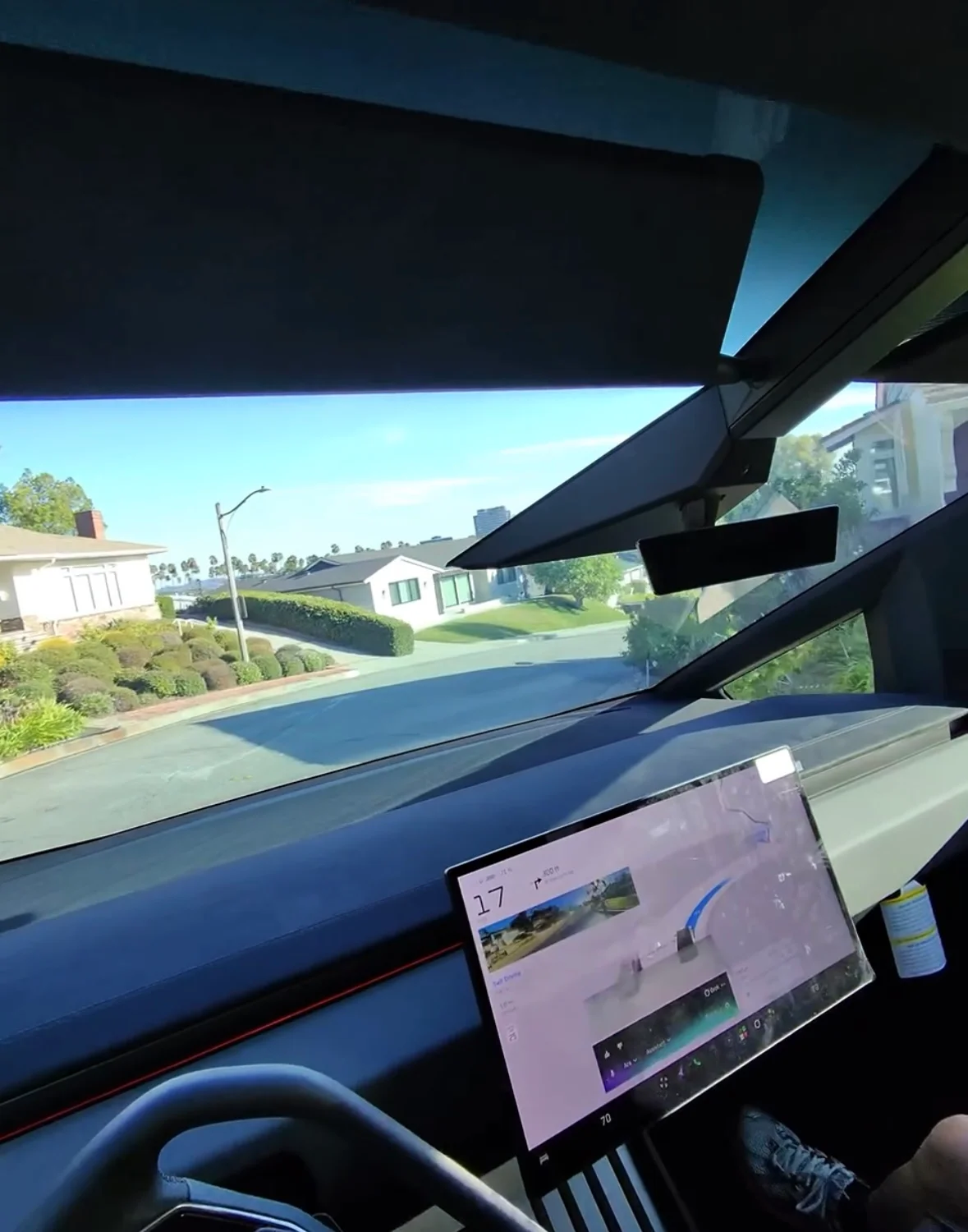
In terms of autonomy, Level 2 is nowhere near what you can call ‘full’ autonomy.
So the Tesla FSD is instead going with the name ‘Assisted Driving’ in Europe.
Related
Why Tesla had to change the feature’s name
FSD has been available in the US for a while, but it is not available in Europe.
With exceptions, most European drivers don’t have access to FSD.
In the EU, Autopilot (FSD’s predecessor) has always been available, but the car periodically checks if you are paying attention by asking you to apply a small amount of turning torque to the steering wheel.
And when we say ‘periodically’ we mean every two seconds, which was a little bit annoying.
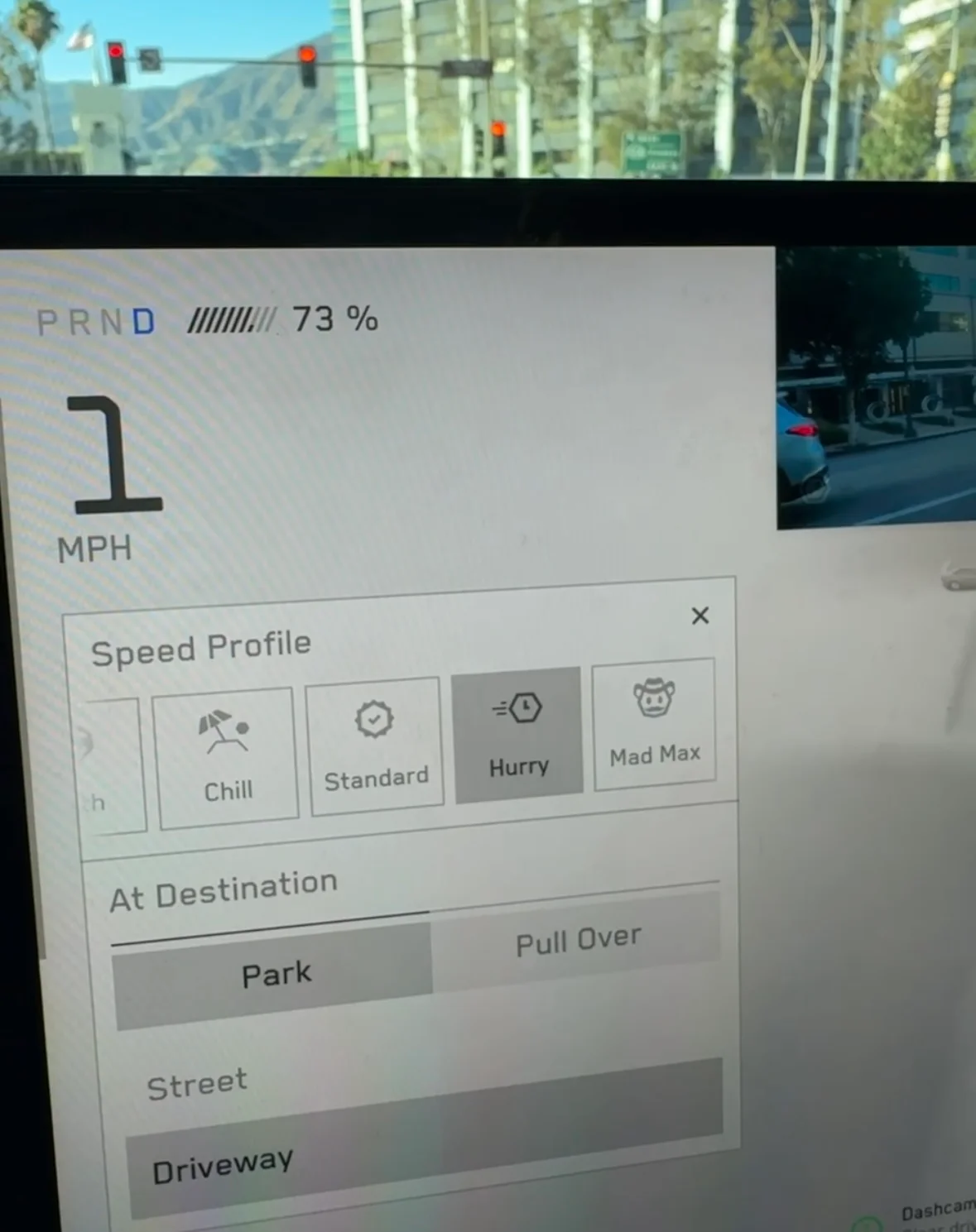
Recently, a few EU countries have fully approved FSD but then, as reported by CNBC, German regulators called the original branding ‘somewhat misleading,’ adding that ‘It is not a system that takes over the entire driving task’.
That’s a fair assessment, which ultimately led to the automaker changing the name to ‘Assisted Driving’.
Why Tesla keeps it at Level 2
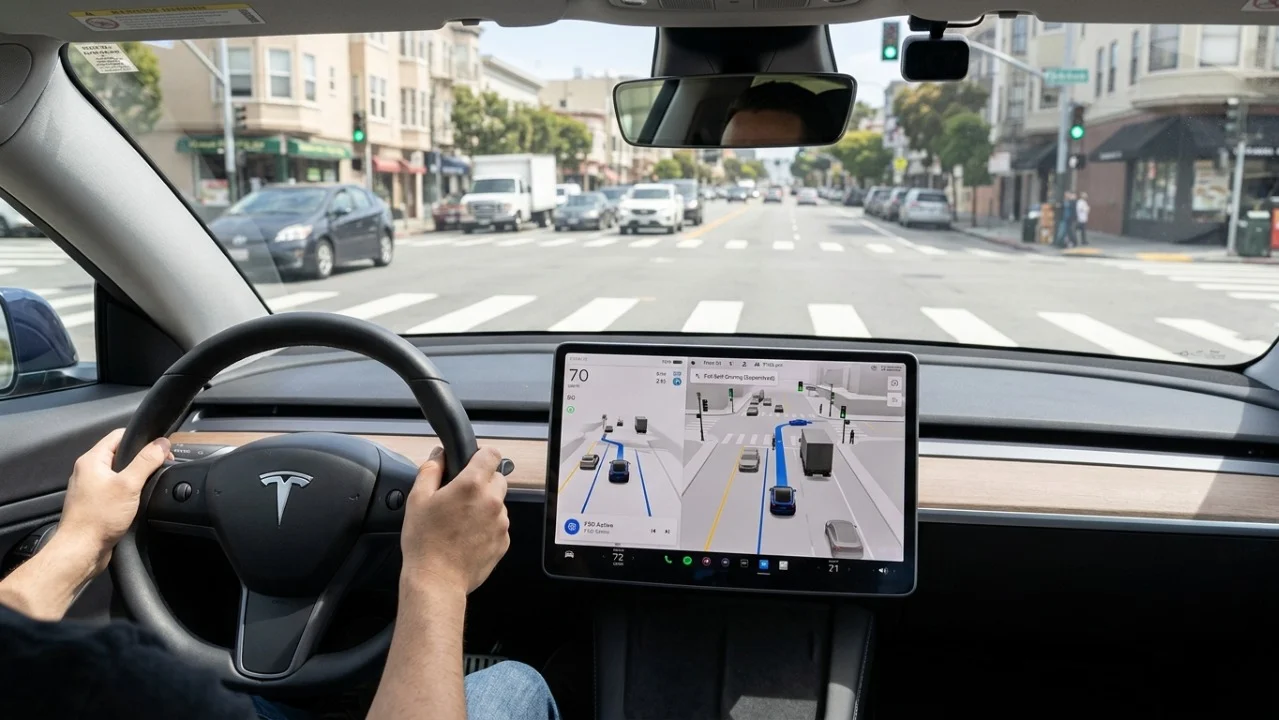
In theory, Tesla aims for FSD to achieve Level 4 capability, but Tesla currently maintains its Level 2 classification largely for legal and liability reasons.
Level 4 is the second-highest level of autonomy, meaning the car is capable of driving itself in designated scenarios without driver feedback or intervention.
However, delegating driving means delegating legal liability.
By keeping it at Level 2, Tesla is saving itself from huge headaches, because Level 2 means the driver is still fully responsible for whatever happens on the road.
That said, Tesla’s safety data suggests that driving with FSD engaged results in significantly lower accident rates than average human driving.
Alessandro is an automotive journalist with 10 years of experience covering supercars, automotive history, emerging vehicle technology, and luxury transportation. He wrote the first article published on SupercarBlondie.com when the website launched in 2022 and has since built a reputation for insightful reporting across the automotive and transportation industries. His expertise is grounded in hands-on experience. Alessandro has driven every Tesla model ever produced, from the original Roadster to the Cybertruck, and regularly covers the latest developments in electric vehicles and automotive innovation. His passion for transportation extends beyond cars, he has even flown a Boeing 787 Dreamliner simulator in Addis Ababa, Ethiopia. His reporting spans everything from classic American muscle cars and rare automotive discoveries to luxury yachts, private aircraft, high-end watches, and cutting-edge vehicle technology. Known for his deep knowledge of automotive history and ability to uncover the stories behind iconic vehicles, Alessandro brings readers a blend of historical context, technical expertise, and first-hand experience.