Man let his Tesla drive itself on 1,200-mile, 19 hour road trip across the East Coast of America and shares what happened each step of the way
Published on Sep 26, 2026 at 9:50 AM (UTC-4)
by Alessandro Renesis
Last updated on Sep 26, 2026 at 9:50 AM (UTC-4)
Edited by
Alessandro Renesis
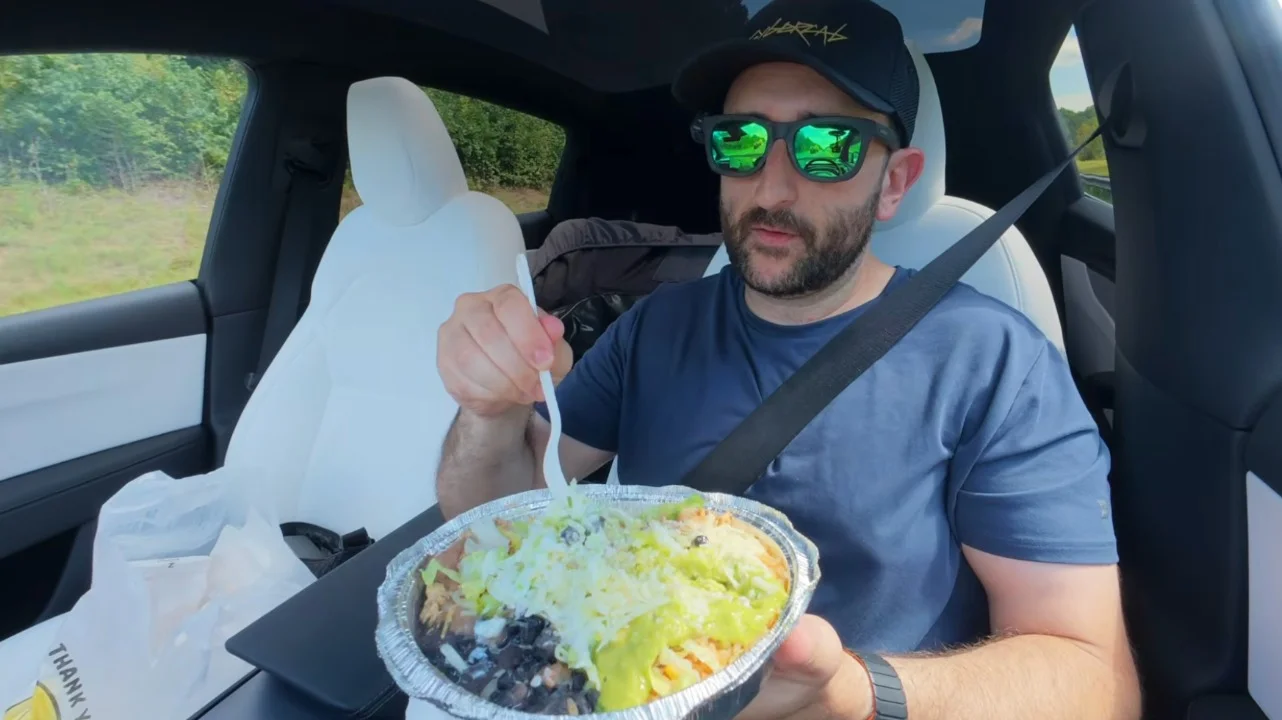

This guy tried driving his Tesla on FSD across the East Coast of America and didn’t go as planned.
And when we say ‘driving’ we actually mean the opposite.
He didn’t drive at all, because the whole point of the experiment was to test FSD.
Well, the result was pretty crazy, with only exception.
This 19-hour East Coast road trip was revealing
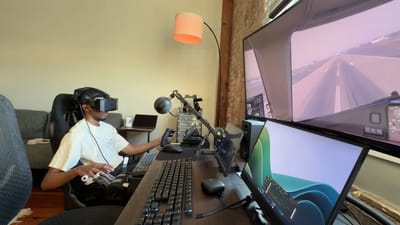
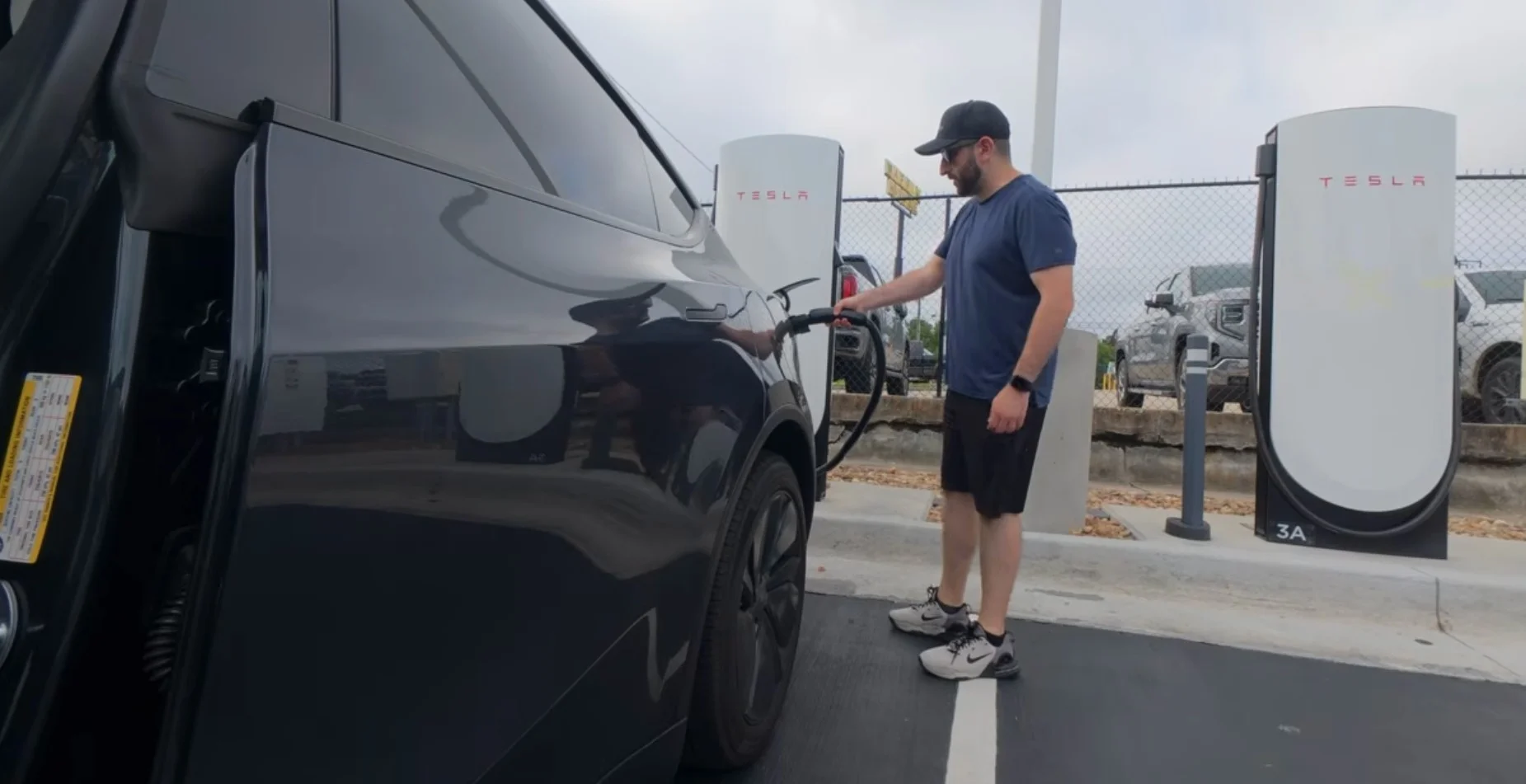
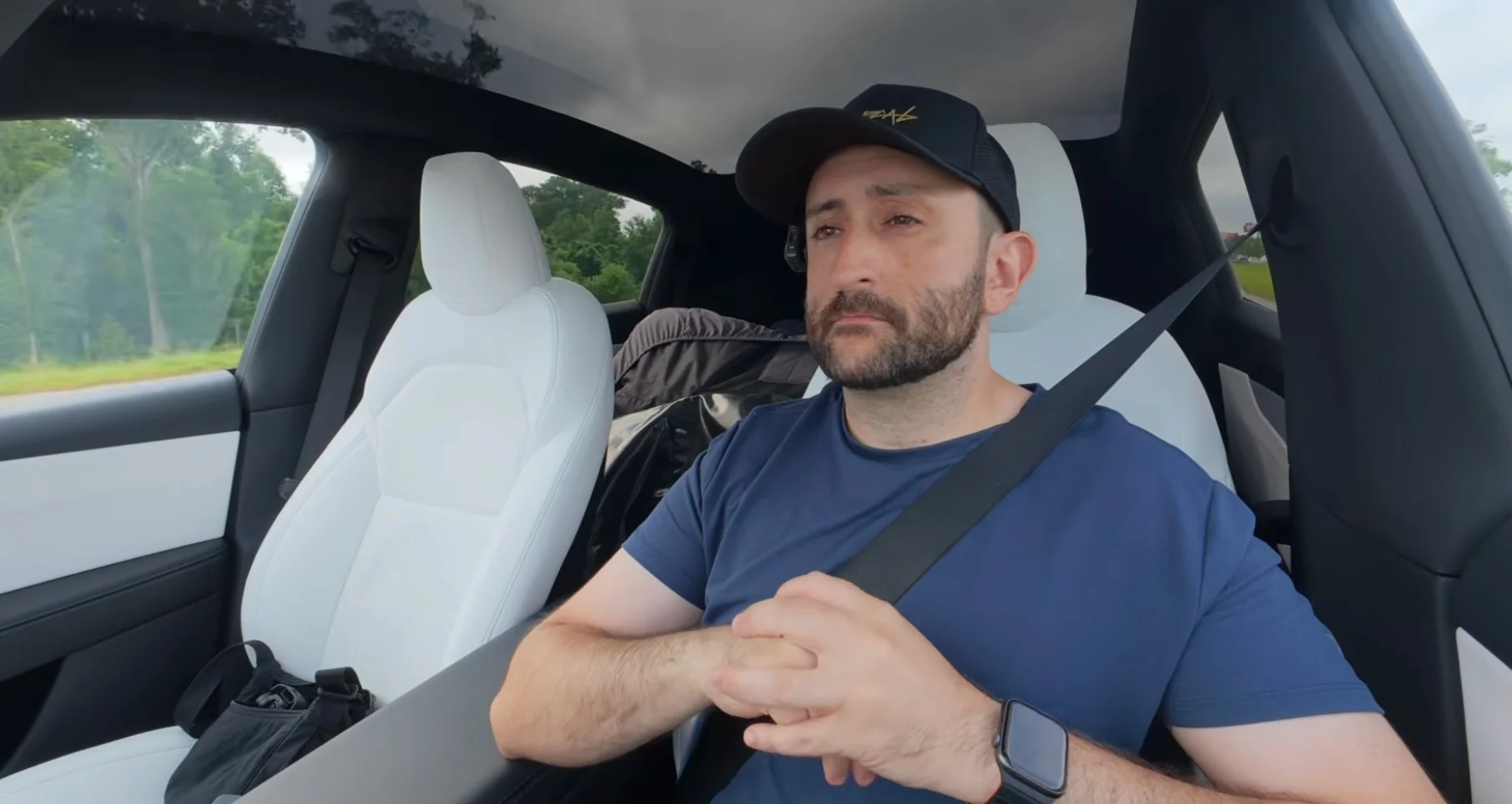
A YouTuber who goes by Drive Electric Today wanted to complete a 19-hour road trip across the East Coast of the United States of America using nothing but FSD.
The idea was simple, and it revolved around a very simple question: can a Tesla realistically complete a road trip on Full Self-Driving alone?
Ordinarily, these videos start with a couple of positives and then a couple of negatives.
On this occasion, it was like a sequence of incrementally impressive positives.
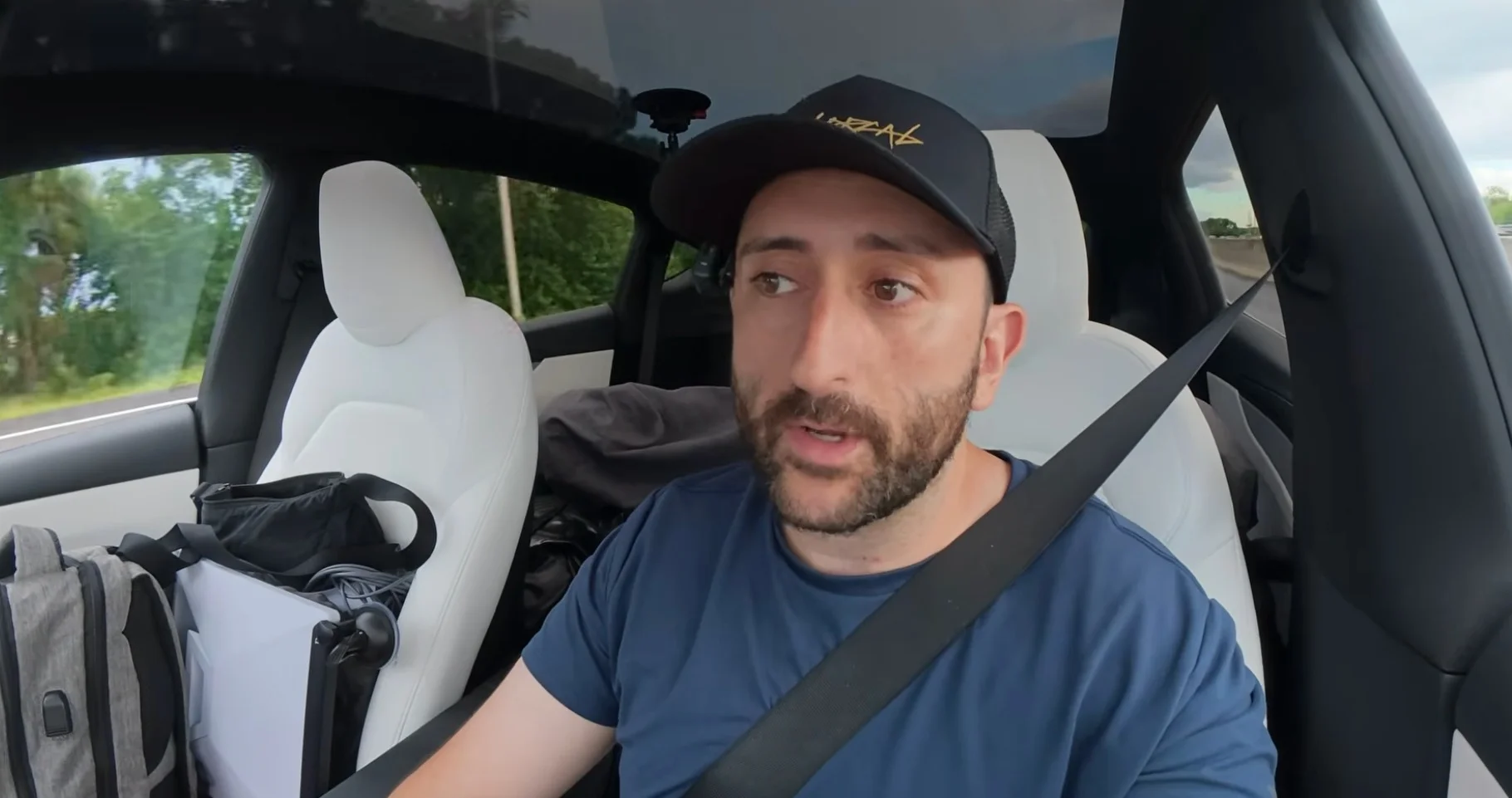
In the YouTuber’s view, using FSD allowed him to multi-task but also to enjoy the scenery.
Of course, you can still enjoy the scenery if you’re driving, but it’s not the same.
You can keep an eye on that beautiful mountain range or the glittering water of the lake or cattle on the side of the road, but at the end of the day you still need to watch where you’re going.
That’s the first and main advantage he described in the video.
With FSD, driving felt like camping.
And then, well, camping also felt like camping.
Ordinarily, in a road trip, you enjoy the ride but it tires you out, and then you need a rest.
With FSD, it was like going on vacation after getting back from the previous vacation.
There was, however, one key challenge.
Because then it started raining.
The only limit of Tesla FSD
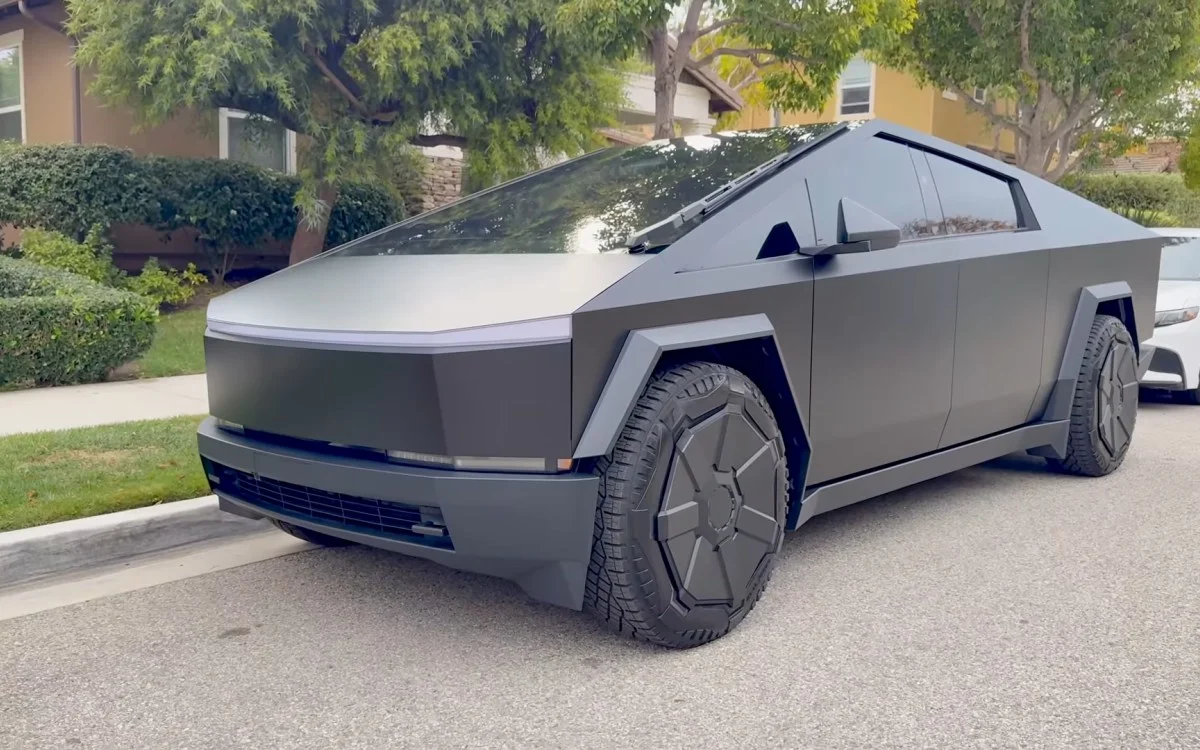
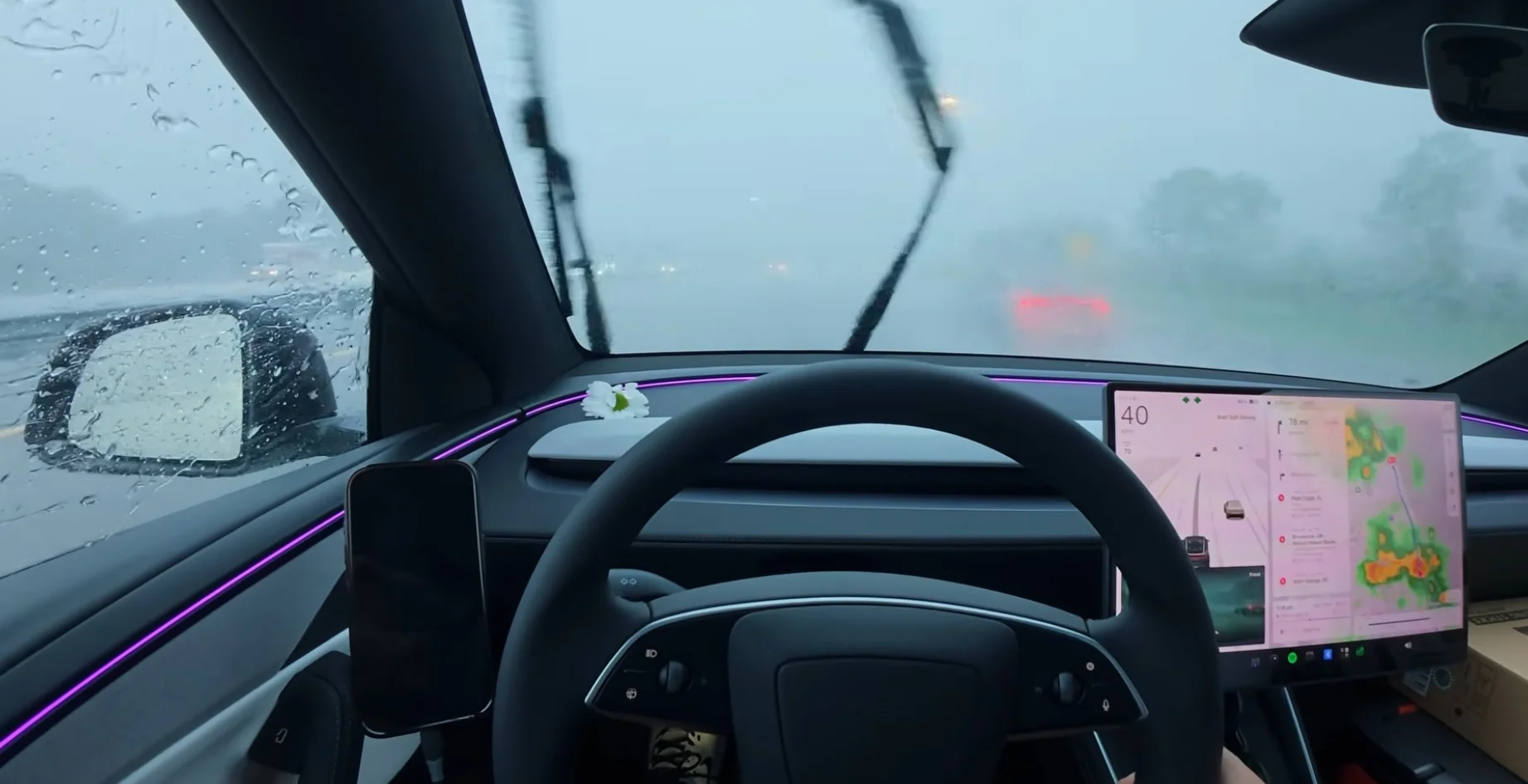
As far as this guy was concerned, FSD was fully capable of handling everything, but with one key exception.
When the weather got worse, with heavy rain and poor visibility, FSD began to struggle, requiring the driver to step up and take over driving.
It sounds like a very specific exception, but it isn’t.
In general, humans are capable of handling nearly every and any weather scenario at the wheel of the car.
It’s subjective and personal, but, broadly speaking, most people don’t have to stop just because it starts raining or it gets foggy.
That’s not the case with FSD, where the ‘limit’ – so to speak – is much easier to reach.
Is self-driving fully ready?
There are two major camps.
Let’s call them Team Autonomy Tomorrow At All Costs and Team Realism.
People who sympathize with Team Autonomy Tomorrow At All Costs are basically saying that self-driving is pretty much ready, we’re just waiting for regulators to catch up.
Team Realism, on the other hand, believes that the technology simply isn’t there.
Cars can indeed safely navigate relatively complex environments and deal with most situations, but we’re still years away from full autonomy.
For the most part, self-driving vehicles are only being deployed in specific parts of America and very few other places.
And when we say full autonomy, we mean the ability to deal with 100 percent of the situations humans can deal with, 100 percent of the time, with an accident-per-mile ratio that’s either equal to or better than that of a human.
Based on what we saw in this video, Team Realism is probably right.

Alessandro is an automotive journalist with 10 years of experience covering supercars, automotive history, emerging vehicle technology, and luxury transportation. He wrote the first article published on SupercarBlondie.com when the website launched in 2022 and has since built a reputation for insightful reporting across the automotive and transportation industries. His expertise is grounded in hands-on experience. Alessandro has driven every Tesla model ever produced, from the original Roadster to the Cybertruck, and regularly covers the latest developments in electric vehicles and automotive innovation. His passion for transportation extends beyond cars, he has even flown a Boeing 787 Dreamliner simulator in Addis Ababa, Ethiopia. His reporting spans everything from classic American muscle cars and rare automotive discoveries to luxury yachts, private aircraft, high-end watches, and cutting-edge vehicle technology. Known for his deep knowledge of automotive history and ability to uncover the stories behind iconic vehicles, Alessandro brings readers a blend of historical context, technical expertise, and first-hand experience.