Man drives Tesla Model S after McLaren supercar and reveals wild reason why the Tesla feels a lot faster
Published on Jul 18, 2026 at 2:07 AM (UTC-4)
by Alessandro Renesis
Last updated on Jul 18, 2026 at 2:07 AM (UTC-4)
Edited by
Mason Jones
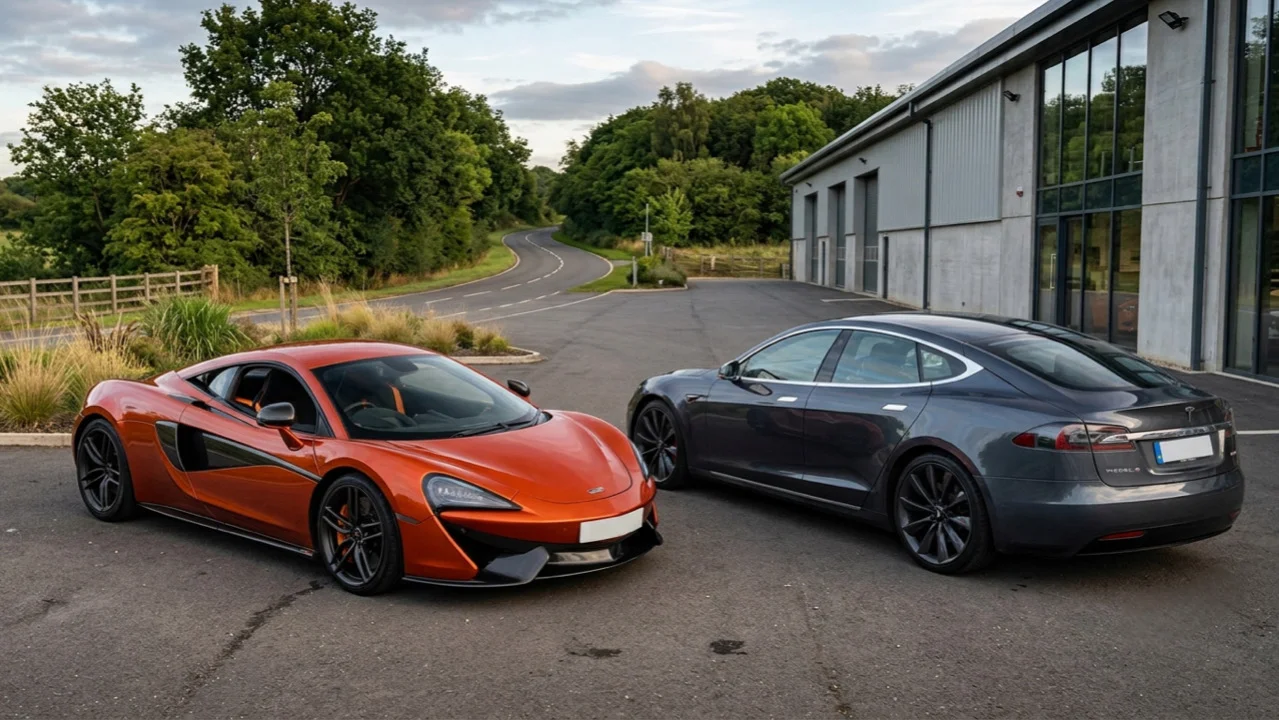

The Tesla Model S P100D and the McLaren 570S are two exceptionally fast cars.
But they’re also miles apart, and built for totally different purposes.
What they have in common is sheer performance, even though obviously one is faster than the other.
And yet, for an incredibly logical reason, the Tesla feels a lot faster than the McLaren.
Similar performance numbers, but for entirely different purposes
Even though they occupy dramatically different segments of the market, the Tesla Model S P 100D (and especially the Plaid) and the McLaren 570S are both staggeringly fast.
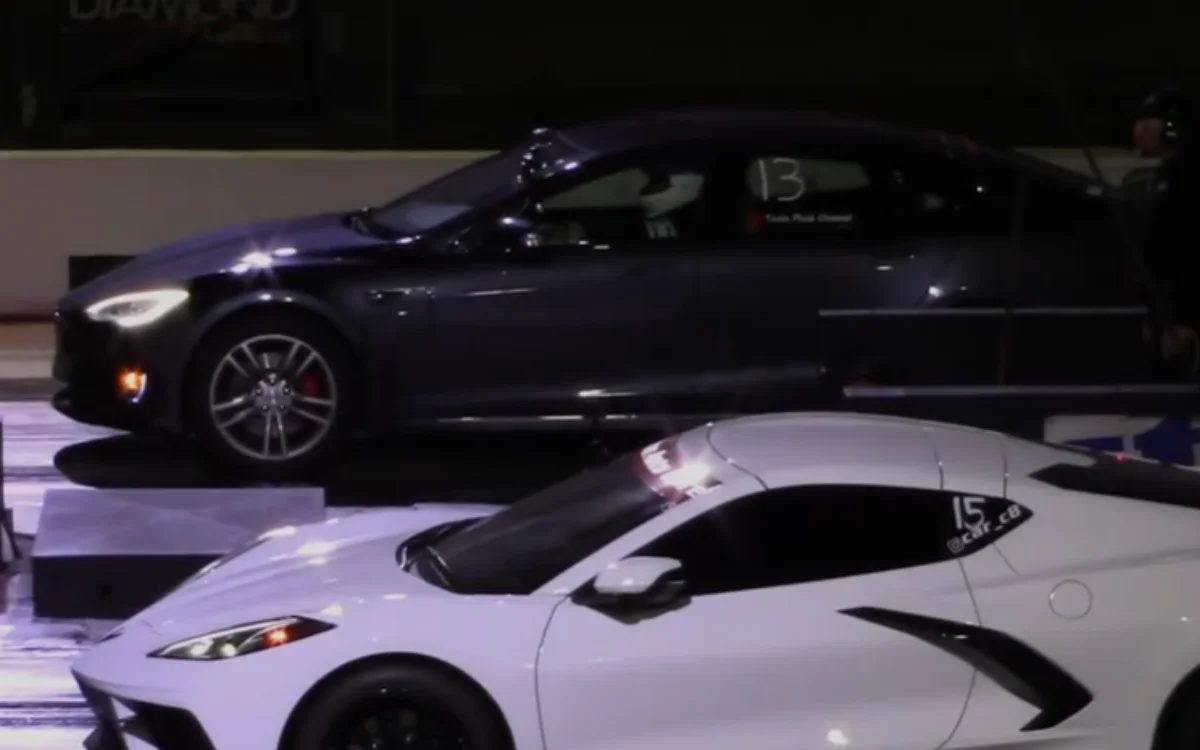
In Ludicrous mode, the P 100D does 0-60 in 2.5 seconds, and it can run the quarter mile in around 10.5 seconds.
The McLaren 570S has a similar quarter-mile time, but the 0-60 time is 3.1 seconds.
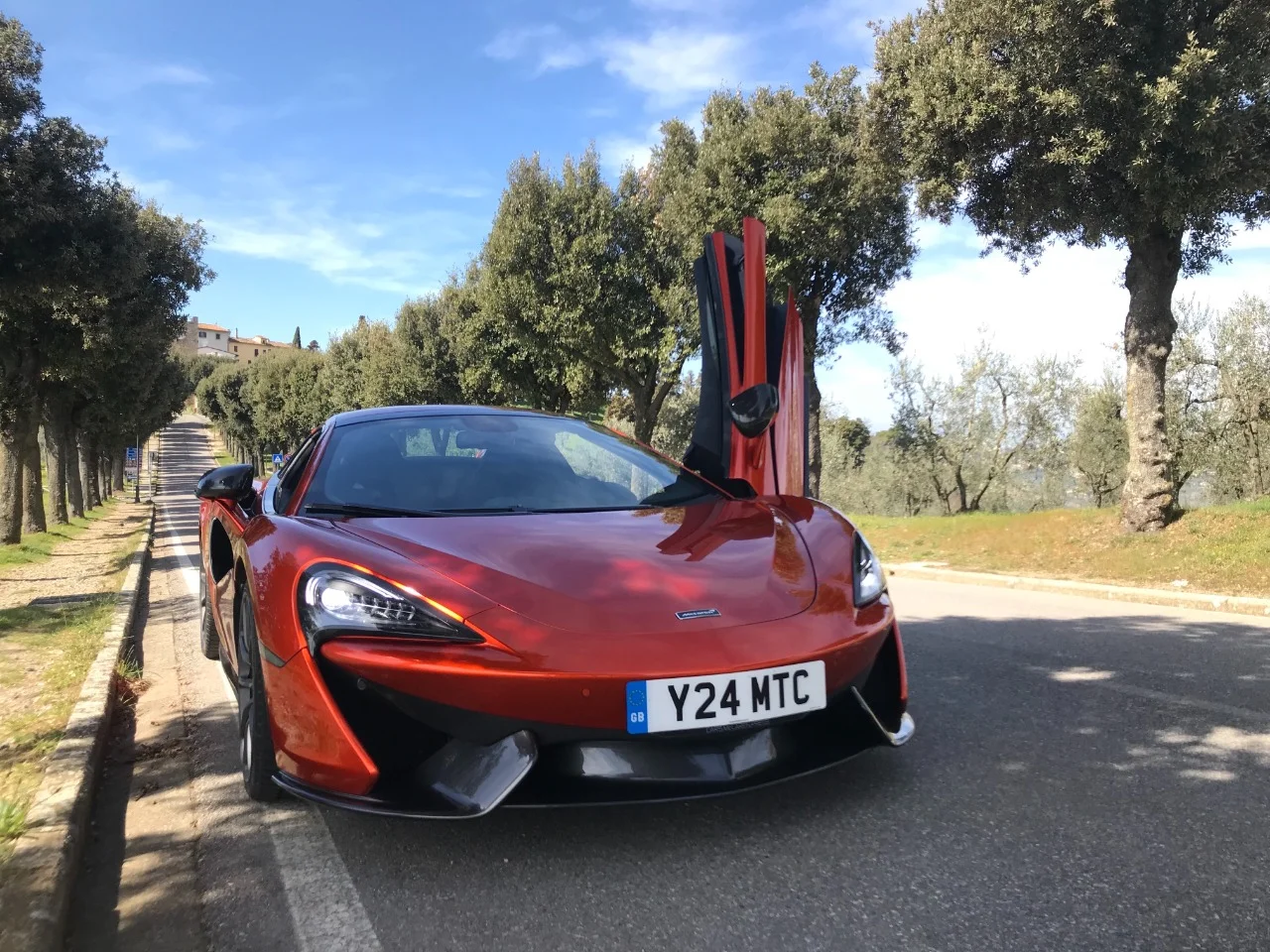
The 570S also has a higher top speed, and it’s faster around the track, mainly because it’s built for it.
By contrast, the Model S is (or rather was) a high-end sedan, which means it was built for the school run, not the quarter-mile run.
Overall, apart from the 0-60 time, the McLaren 570S is objectively faster in just about any and every measurable way.
And yet, for a very specific reason, it feels a lot slower than the Model S.
Supercars are great, but they come with caveats
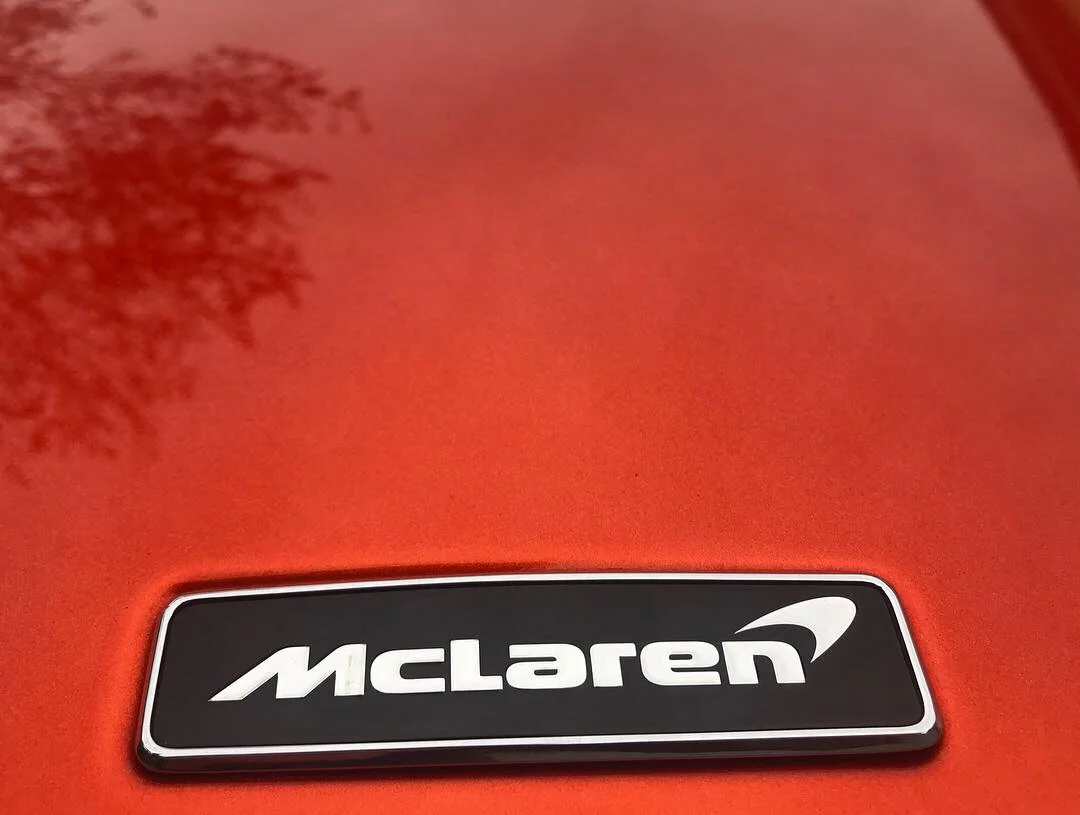
A while back, I was given a McLaren 570S to review for a week or so.
The whole experience was fun, but a little bit stressful.
The first thing I thought was, “Where the heck am I going to park it overnight?”
Back then, I didn’t have a garage and the car was too wide to fit in the driveway.
And even though I wasn’t living in the favelas, it wasn’t exactly the safest neighborhood in the history of the world.
It gets worse because the car was painted in a vivid shade of orange dubbed Volcano Orange and it stood out like a sore thumb.
This was the first of many caveats.
Like most supercars, it was too low to the ground and difficult to see out of.
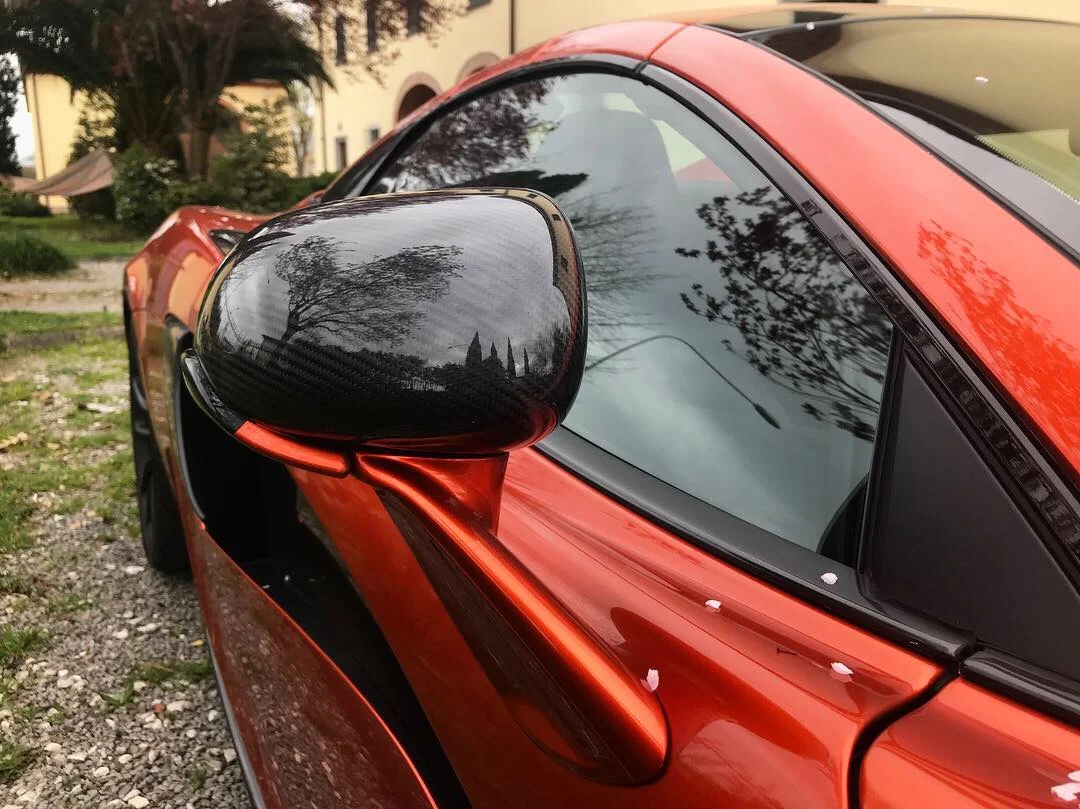
And there’s something else no one wants to mention: depending on where you live in the world, you won’t get a lot of love at the wheel of a supercar.
In several European countries, supercars are sort of ‘frowned upon’, and so, for every kid that smiles when they see it, there’s somebody who won’t give you the right of way even if their life depended on it.
And then there’s the counter-intuitive question of speed.
Why the Tesla Model S P100D felt faster than the McLaren
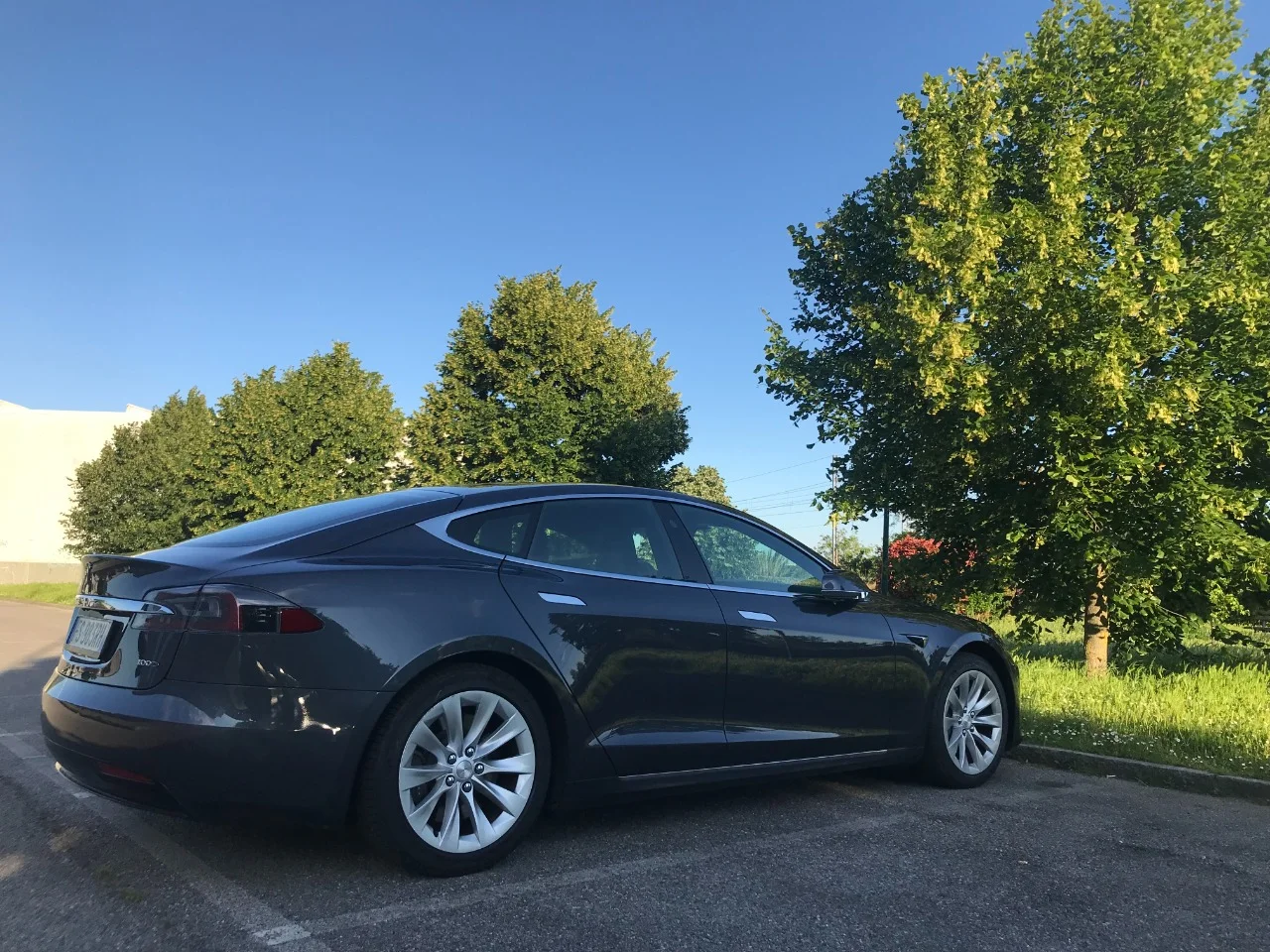
The McLaren 570S isn’t even the fastest supercar in the world.
Not even close.
It ‘only’ made 570 PS – 562 horsepower – but it was fast and torquey.
It felt exactly like the sort of car you might wrap around a lamppost if you’re not careful.
As a result, I drove it like a Benedictine monk.
I spent the week tip-toeing around, rarely daring to put the pedal to the metal.
Then I had to hand it back to McLaren’s Milan dealership and I was sad, but also relieved.
This $200,000 (give or take) asset, for a week, had become my $200,000 liability.
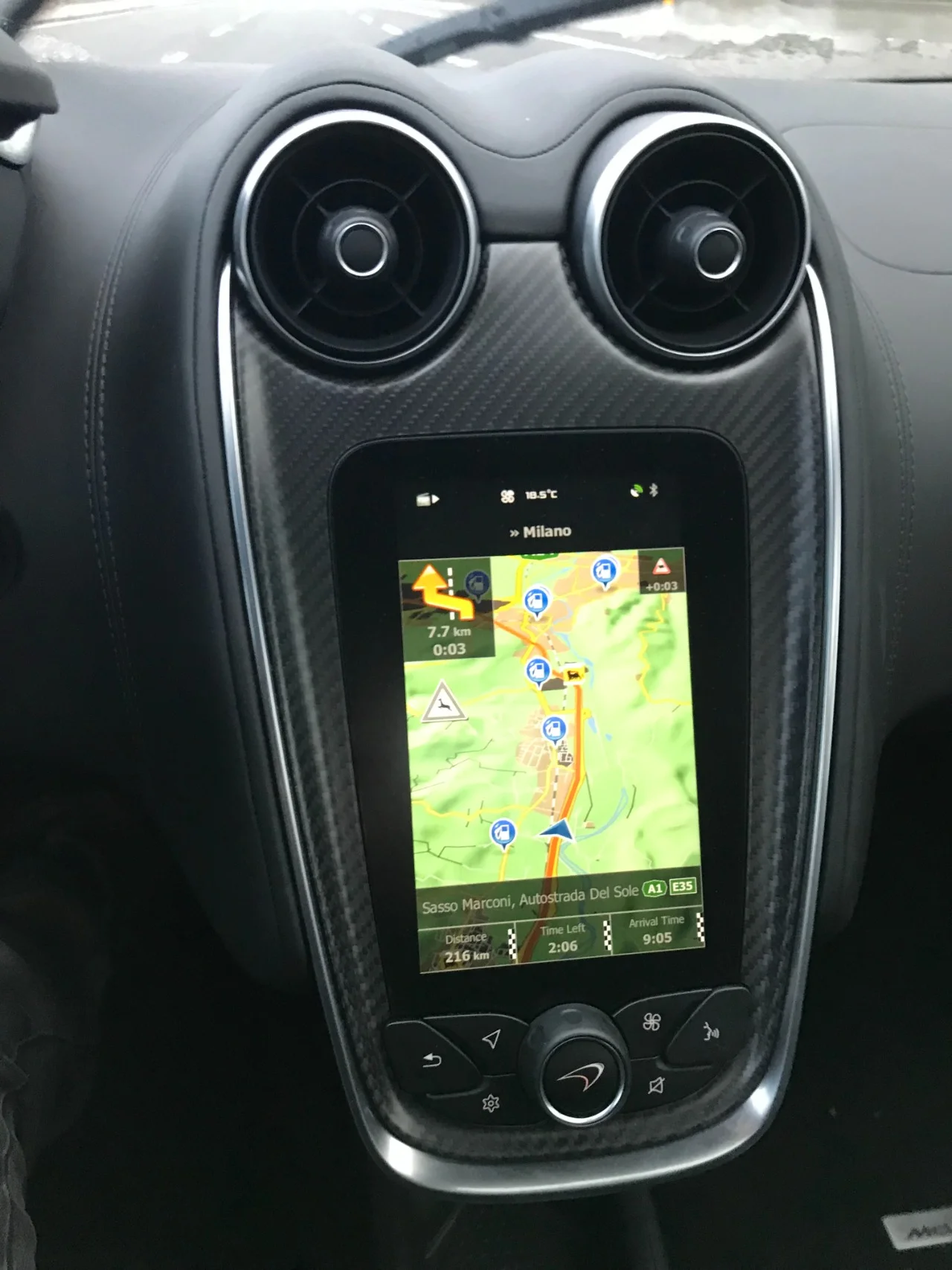
Just a few weeks later, I had another car on test: the Tesla Model S P 100D.
In real-world terms, the Model S felt like a bullet.
It accelerates like particles at CERN and it’s never, ever out of torque.
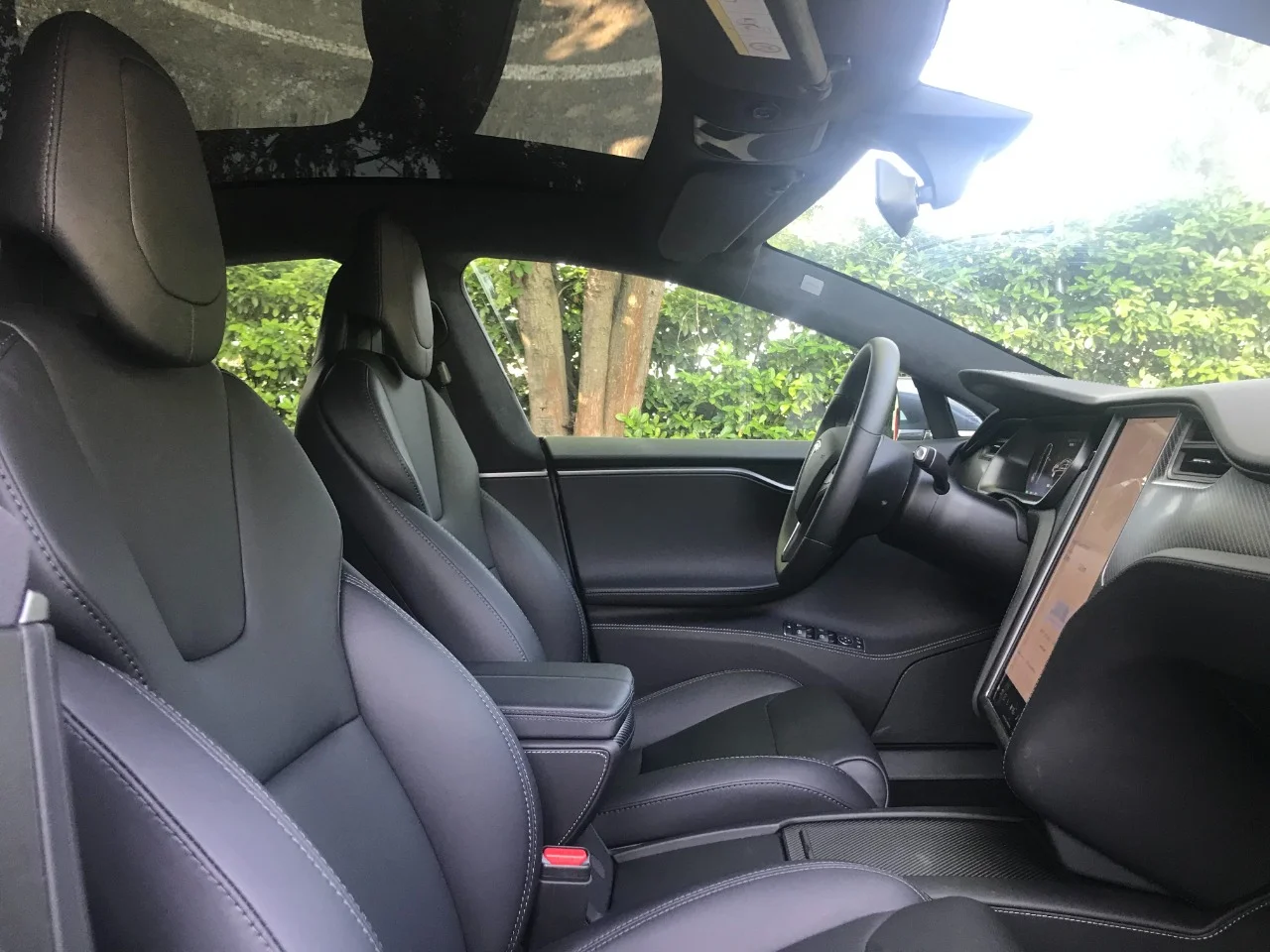
I also had this for over a week, and I had to be extra careful not to drive it over the limit because it felt so natural and solid.
Maybe this explains why that’s exactly what some two-car garages look like.
You have a fun, dangerous, expensive supercar for the weekend; and then you have a solid, reliable, smooth sedan or SUV for Monday-Friday.
Alessandro is an automotive journalist with 10 years of experience covering supercars, automotive history, emerging vehicle technology, and luxury transportation. He wrote the first article published on SupercarBlondie.com when the website launched in 2022 and has since built a reputation for insightful reporting across the automotive and transportation industries. His expertise is grounded in hands-on experience. Alessandro has driven every Tesla model ever produced, from the original Roadster to the Cybertruck, and regularly covers the latest developments in electric vehicles and automotive innovation. His passion for transportation extends beyond cars, he has even flown a Boeing 787 Dreamliner simulator in Addis Ababa, Ethiopia. His reporting spans everything from classic American muscle cars and rare automotive discoveries to luxury yachts, private aircraft, high-end watches, and cutting-edge vehicle technology. Known for his deep knowledge of automotive history and ability to uncover the stories behind iconic vehicles, Alessandro brings readers a blend of historical context, technical expertise, and first-hand experience.