The gap between the monthly cost of charging a Tesla Model Y vs filling a Toyota Camry in the US is very surprising
Published on Aug 04, 2026 at 4:03 PM (UTC-4)
by Henry Kelsall
Last updated on Aug 14, 2026 at 12:39 PM (UTC-4)
Edited by
Mason Jones
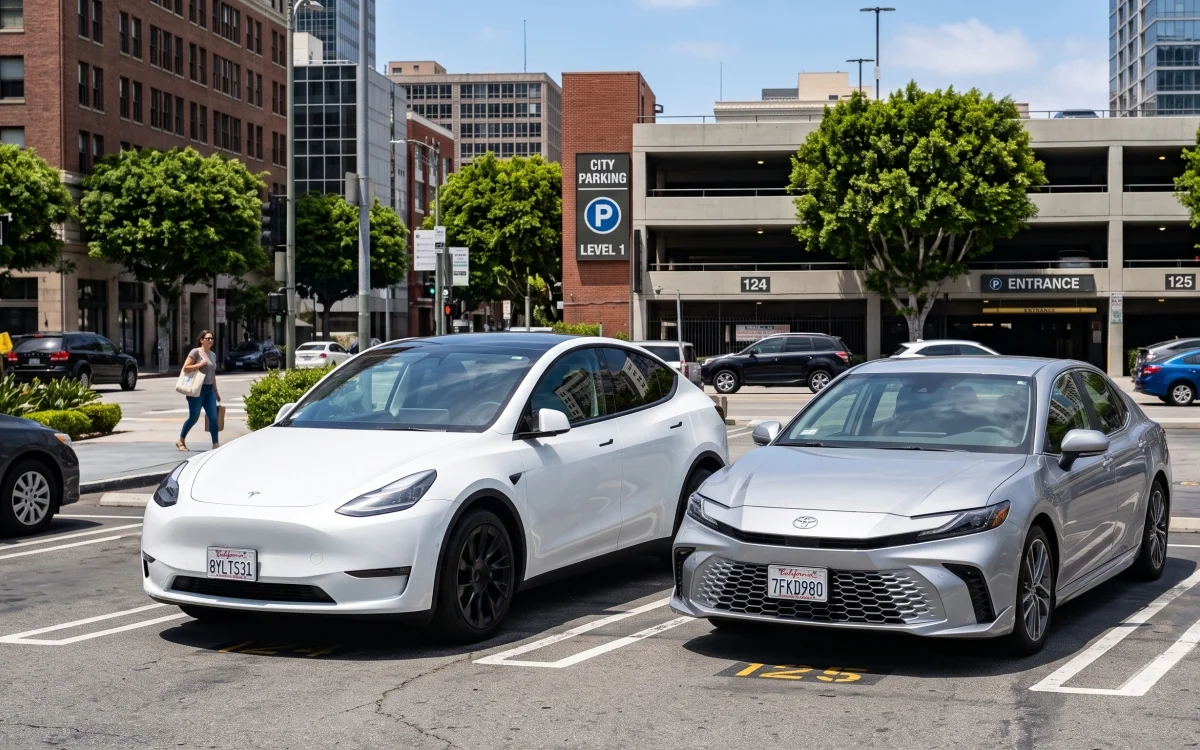

The debate between electric cars and gasoline-powered cars is something that is unlikely to end, and the difference between charging a Tesla Model Y and refueling a Toyota Camry highlights this.
While some people are adamant that EVs are the future, others are convinced that gasoline cars still have a part to play.
That’s why it’s important to take a good look at the facts and figures.
Once you do take a deeper look at what the numbers say, there is an almost ironic twist to the tale.
Some caveats that are important to point out
One or two things are worth pointing out before we get too deep into the numbers.

For starters, the MSRP can skew the comparison. It is no secret that even a base Tesla Model Y can be much more expensive than a standard Toyota Camry.
But second-hand prices can lower that difference, as well as the fact that the current Tesla Model Y is being replaced by the long-wheelbase version.
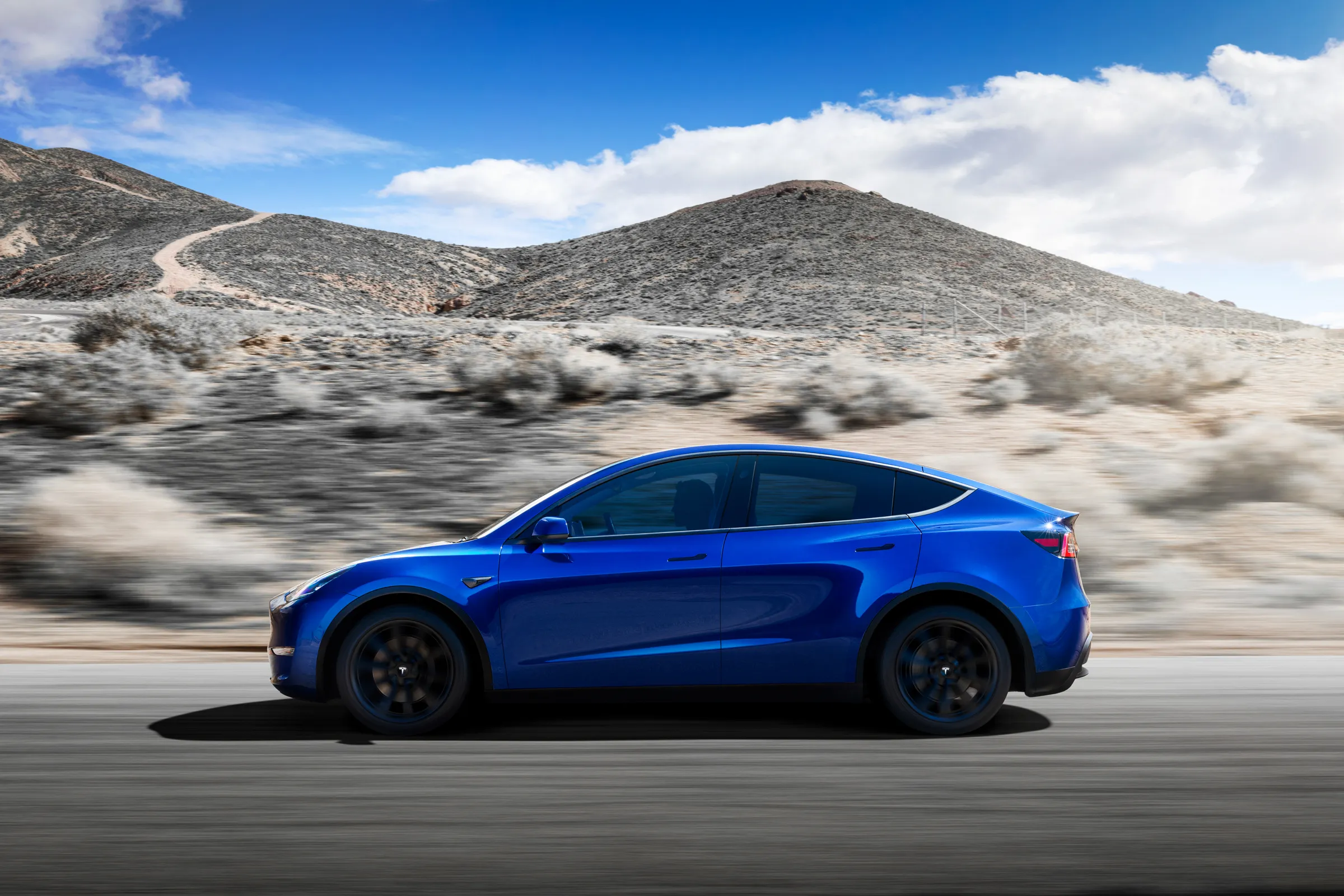
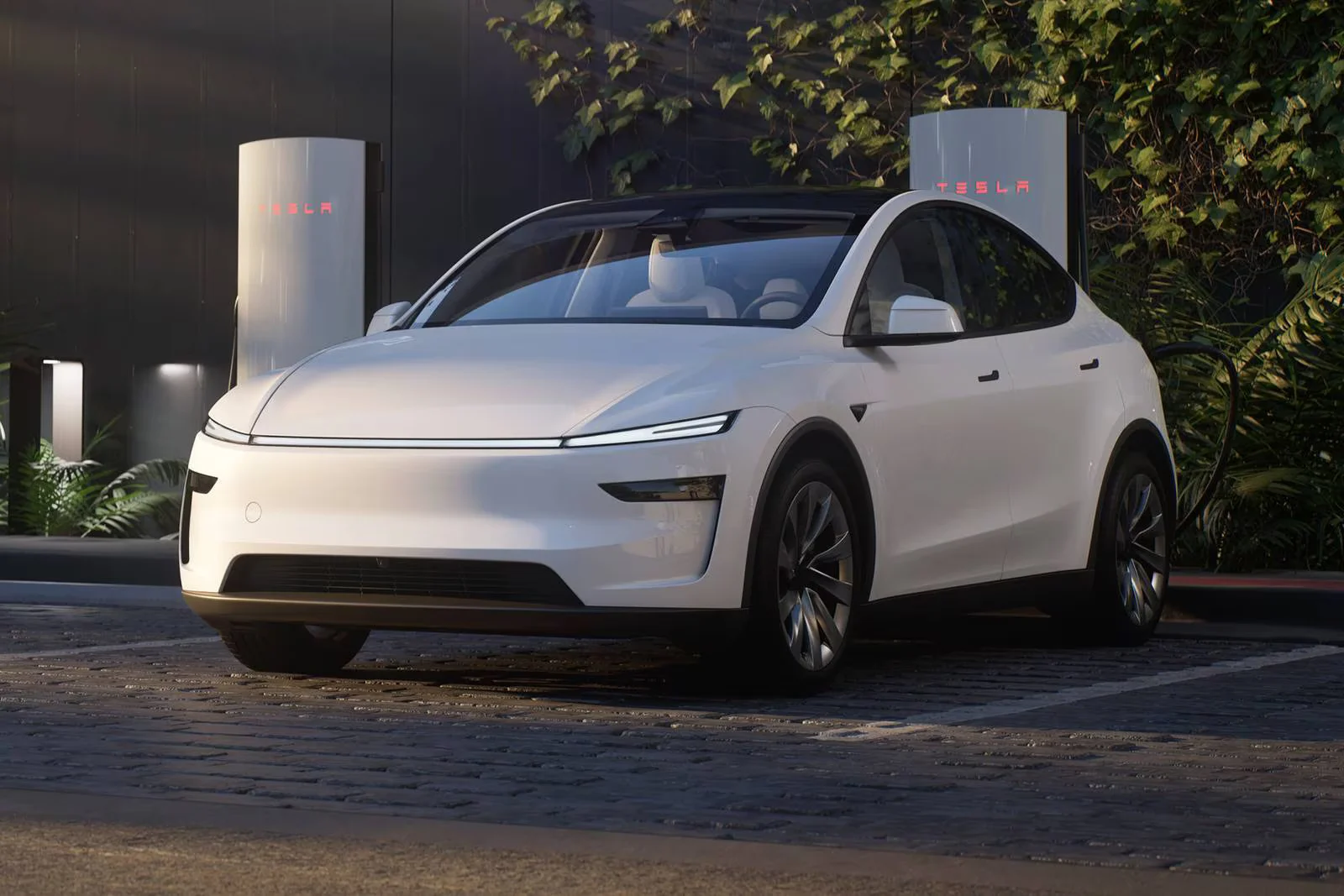
Charging prices have a caveat too, especially when it comes to home charging.
Recharging at home is far cheaper than using a Supercharger, and much cheaper than refilling with gas.
Energy prices can also dictate the overall cost, so let’s assume a more overall picture.
Tesla Model Y recharging vs Toyota Camry refuelling
If both the Toyota and Tesla have driven at least 15,000 miles in a year, the Model Y will always come out that bit cheaper.
This is even true in US states where the energy prices are a little higher.
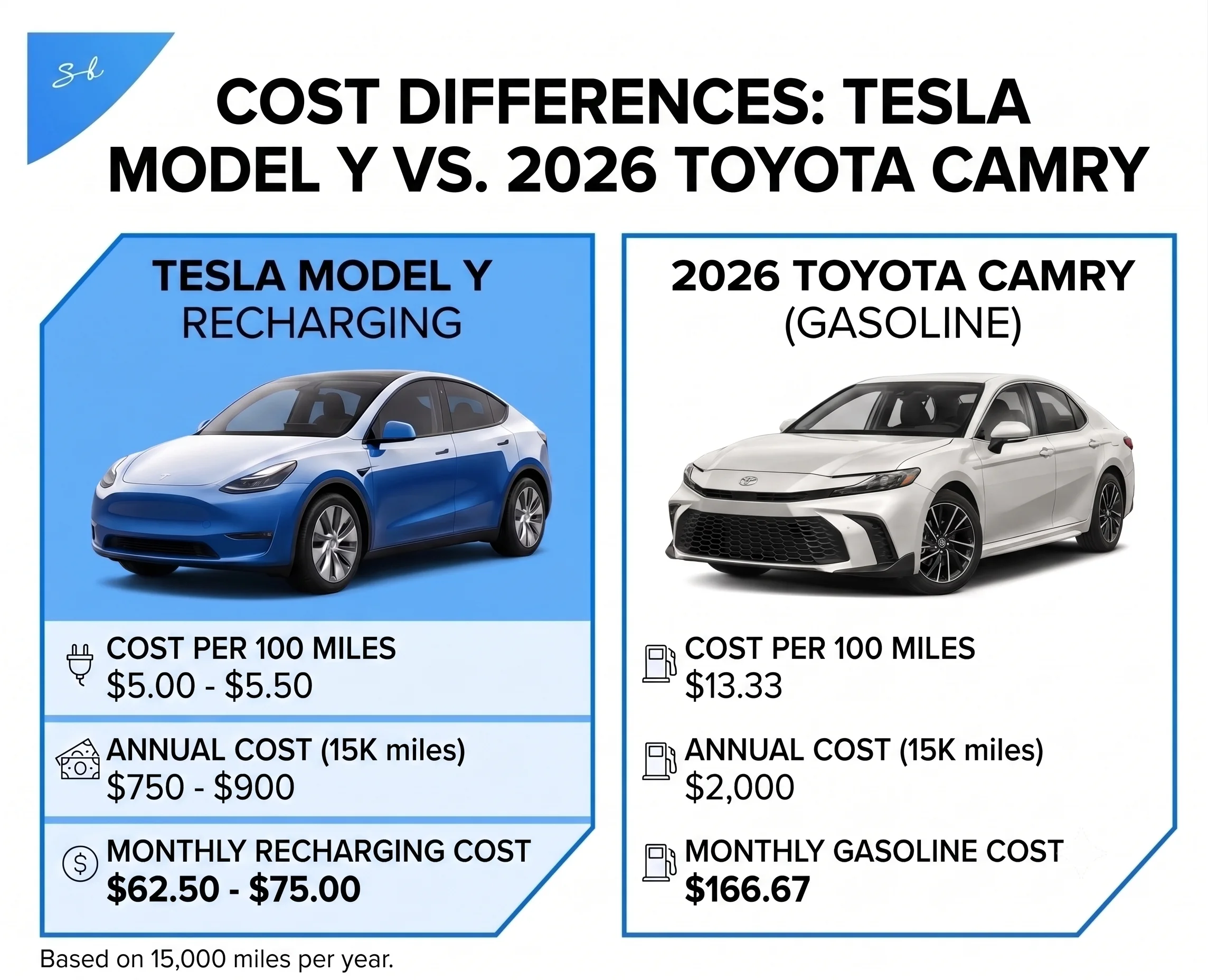
At home, the cost of recharging a Model Y will range between $5 and $5.50 per 100 miles driven.
That equates to between $750 and $900 in total over a 15,000-mile period, depending on energy prices, etc.
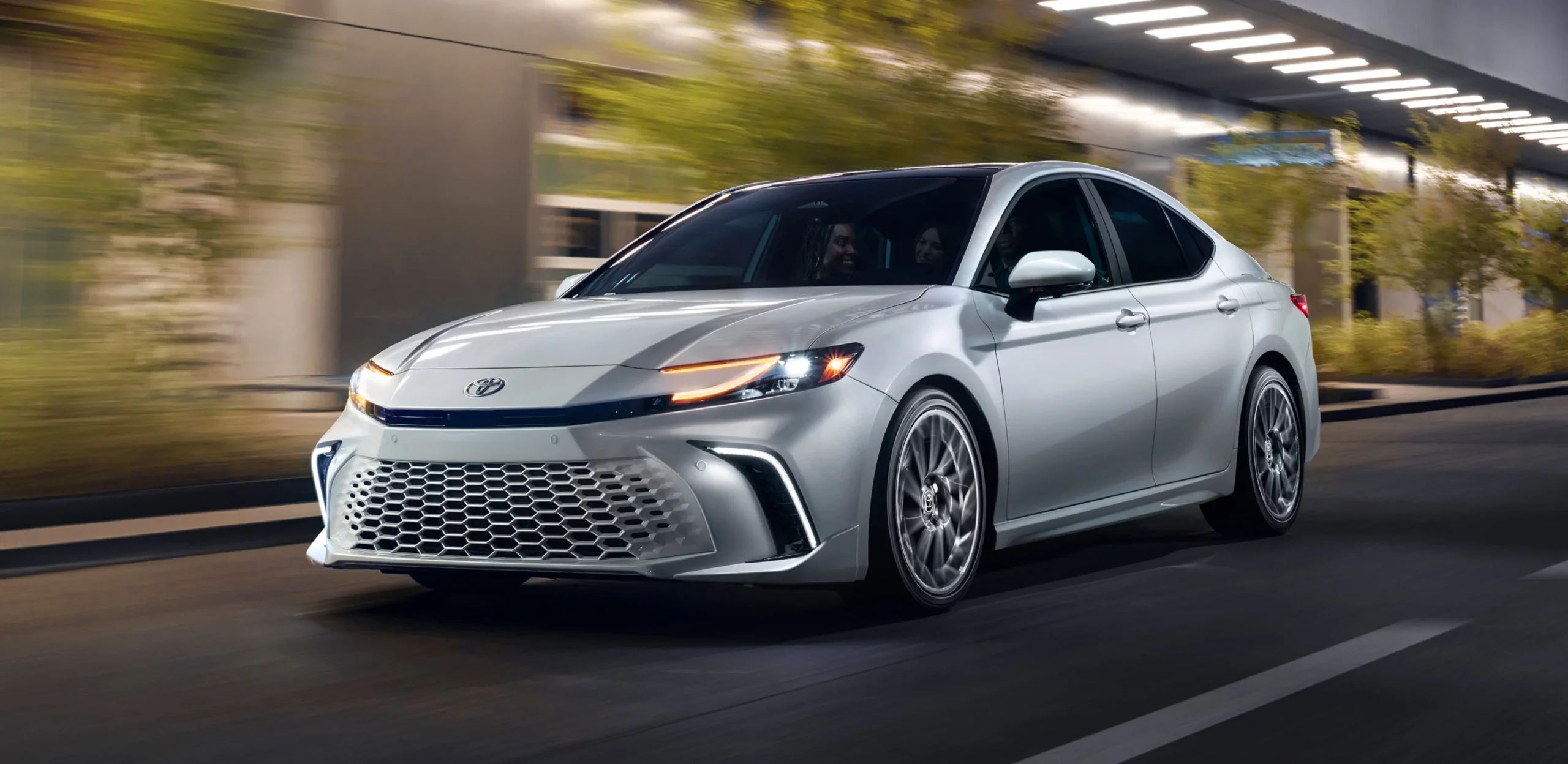
Unsurprisingly, a Toyota Camry, a car that is still quite efficient on fuel, will cost you more.
You are looking at about $13.33 per 100 miles, with an average of 51 MPG, and if gas was at a higher $6.80 a gallon, it comes to around $166.67 a month ($2,000 a year) in gas costs..
Yet that still isn’t the end of the story.
More facts are at play in the gas versus electric debate
It is no secret that gas prices are higher now than they have been for some time. Prices in America are as high as they have ever been.
Yet it’s still cheaper than what many are paying in Europe.
Gas prices have risen to crazy levels across the Atlantic, and some people are struggling to cope with the increased costs.
Some countries, such as those in the Middle East that are rich in oil, don’t need to worry about this, as fuel is so cheap.
Therefore, for cost reasons, buying an EV makes little sense for them.
In Japan, fuel is still inexpensive, so EV uptake will be slower than it is on the other side of the world.
In short, there are lots of caveats that make this a very interesting debate.
At this moment in time, it doesn’t look like there is one outright winner.
Henry joined the Supercar Blondie team in February 2025, and since then has covered a wide array of topics ranging from EVs, American barn finds, and the odd Cold War jet. He’s combined his passion for cars with his keen interest in motorsport and his side hustle as a volunteer steam locomotive fireman at a heritage steam railway.