Man shares how much he's saved after getting free Supercharger for a month
Published on Jan 07, 2026 at 5:32 PM (UTC+4)
by Alessandro Renesis
Last updated on Jan 07, 2026 at 9:33 PM (UTC+4)
Edited by
Emma Matthews

Back when electric cars were still a novelty, you could occasionally get free access to a Supercharger as part of the deal when you bought a new Tesla.
The lucky ones got a deal with free Supercharging for a few months or a few thousand miles.
And the really lucky ones got lifetime access to Supercharging.
This guy got it for a month, and the savings were already impressive.
DISCOVER SBX CARS: The global premium car auction platform powered by Supercar Blondie
How does this actually work?
Electric cars went from zero to mainstream in a couple of decades.
When Tesla unveiled the Roadster in 2008, EVs were basically non-existent.
Now, nearly 20 years later, they’re everywhere.
But automakers had to work hard to get to that result.
Some automakers – and some governments – enticed would-be buyers with a long list of incentives and freebies thrown in the mix.
Tax breaks and exemptions, free services, free charging – you name it.
As for Tesla, the automaker occasionally gave its buyers free access to Superchargers, either temporarily or permanently, to sweeten the deal.
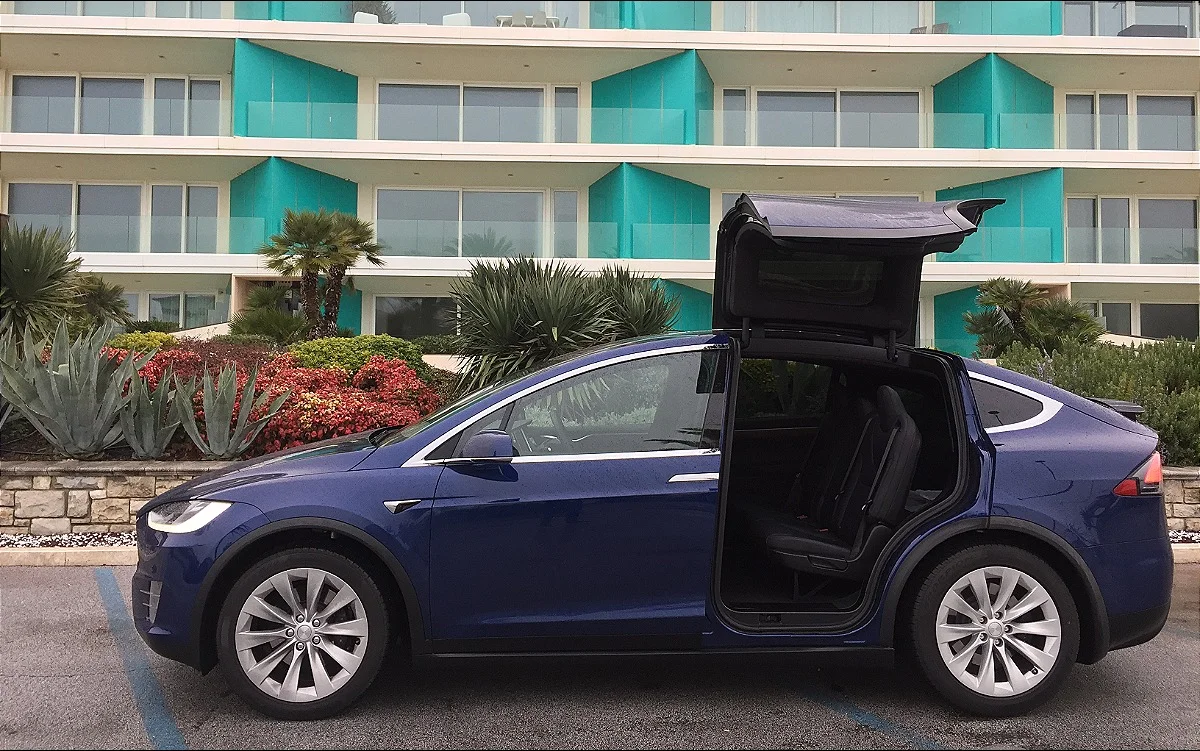
This guy got a month’s free access to Superchargers for his Tesla Model X, and here’s how much he saved.
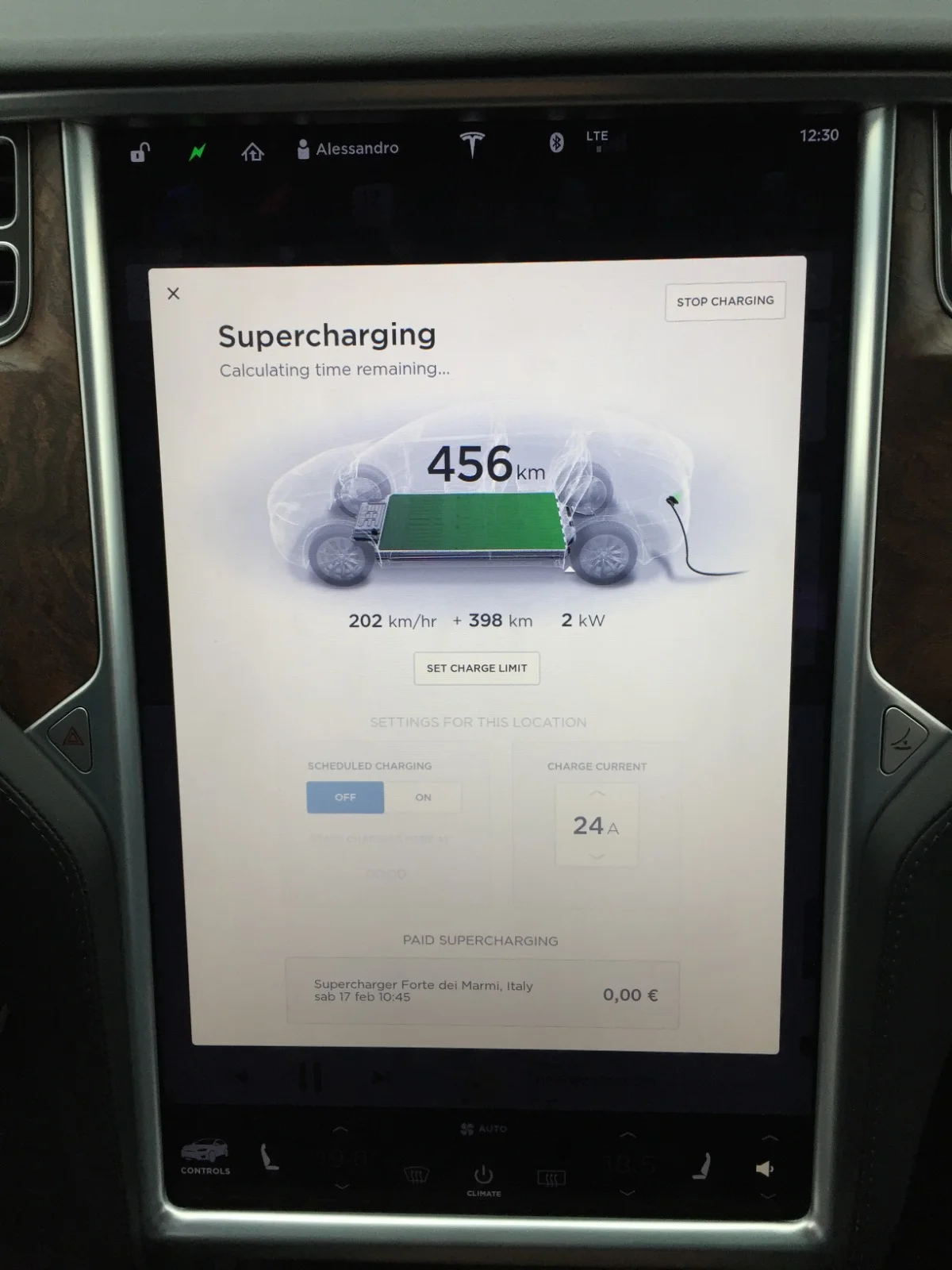
This Tesla cost him exactly zero dollars to run for a month
This driver was allowed to charge his Tesla Model X 100D for free for a month, and he saved a significant amount of cash.
Superchargers are efficient and fast, but they’re also generally the most expensive way you can charge your Tesla.
And they’re getting more expensive every year.
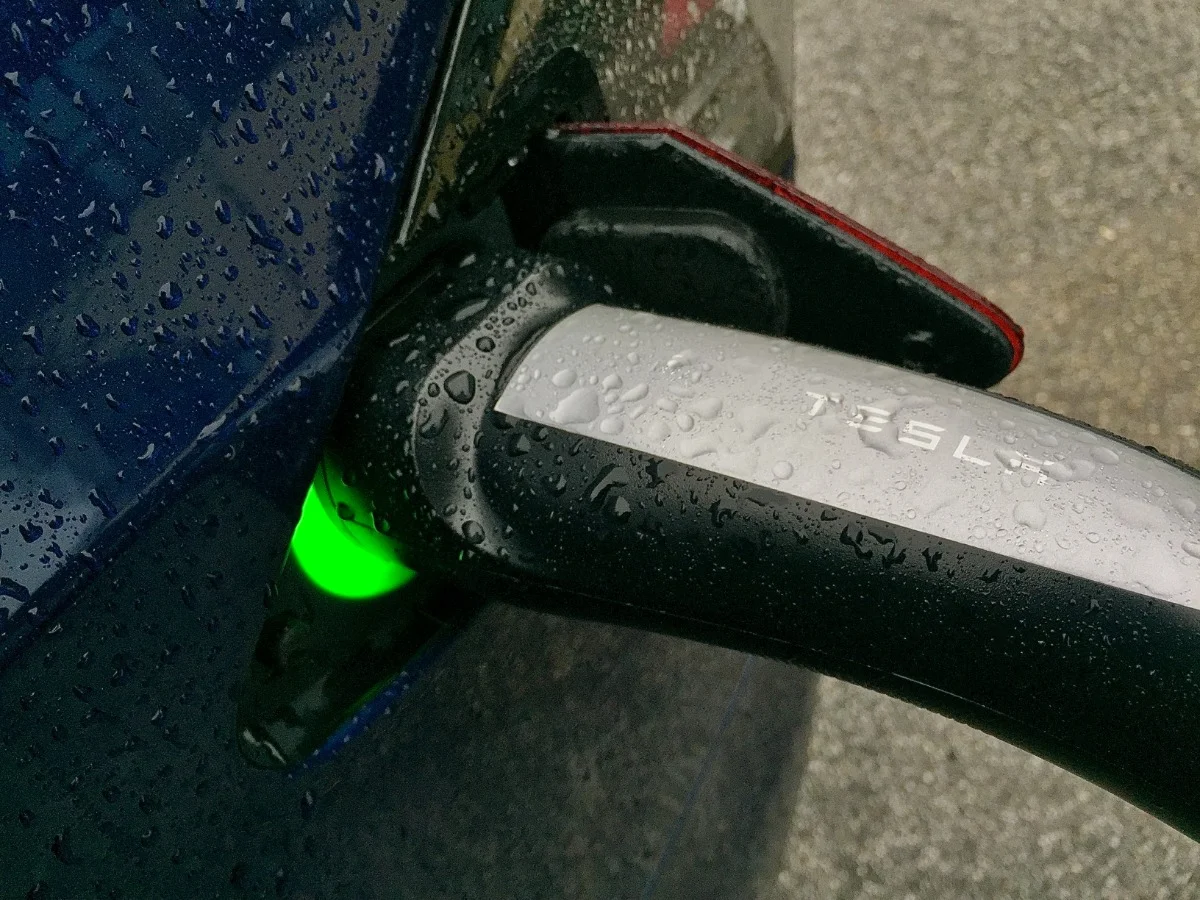
The Model X owner saved around $200 by getting free charging after driving the car for around 1,500 miles, but that can vary a lot depending on where you’re based.
In the olden days, Supercharging used to be between $0.20 and $0.30 per kWh.
These days, it can easily cost you between $0.40 and $0.50, or even $0.60 with peak rates in busy areas.
No wonder the free Supercharging perk is basically gone now.
A complete history of electric vehicles
1832-1839: Early electric vehicles and rudimentary battery-powered carriages emerge
1890: William Morrison builds a six-passenger electric wagon in the US, sparking interest in electric cars
1912: Detroit Electric releases models with 80-mile ranges, making EVs practical for daily driving
1996: GM EV1 becomes the first mass-produced modern EV, available via lease in California
2008: Tesla Roadster debuts with 244-mile range, proving electric sports cars can compete with gasoline vehicles
2010: Nissan Leaf launches as the first mass-market EV with worldwide availability
2012: Tesla Model S introduces long-range luxury EVs with over-the-air software updates
2023: Global EV sales surpass 10 million units, signaling mainstream adoption
2024: Solid-state battery prototypes begin testing, promising higher energy density and faster charging
After beginning his automotive writing career at DriveTribe, Alessandro has been with Supercar Blondie since the launch of the website in 2022. In fact, he penned the very first article published on supercarblondie.com. He’s covered subjects from cars to aircraft, watches, and luxury yachts - and even crypto. He can largely be found heading up the site’s new-supercar and SBX coverage and being the first to bring our readers the news that they’re hungry for.