Tesla and SpaceX are starting work on the biggest building in the world in December in huge 100 million square feet, $16.8 billion 'Terafab' project
Published on Oct 02, 2026 at 7:45 AM (UTC-4)
by Alessandro Renesis
Last updated on Oct 05, 2026 at 10:48 AM (UTC-4)
Edited by
Mason Jones
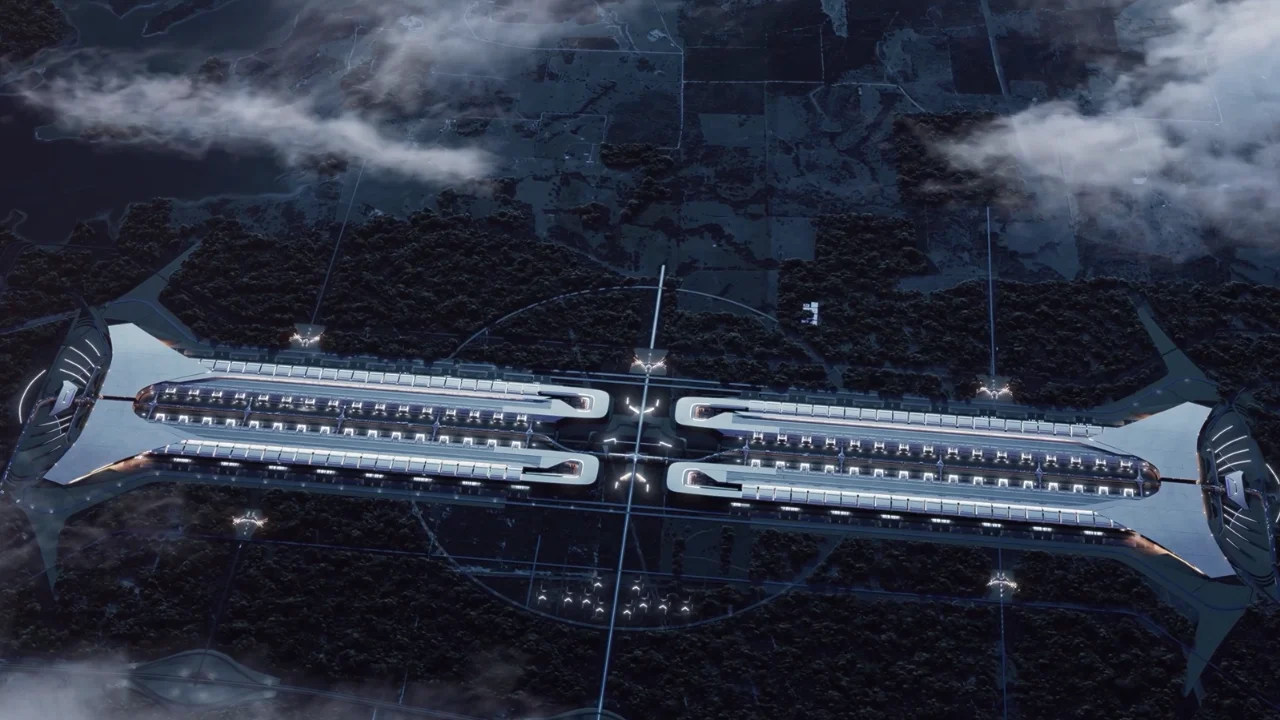

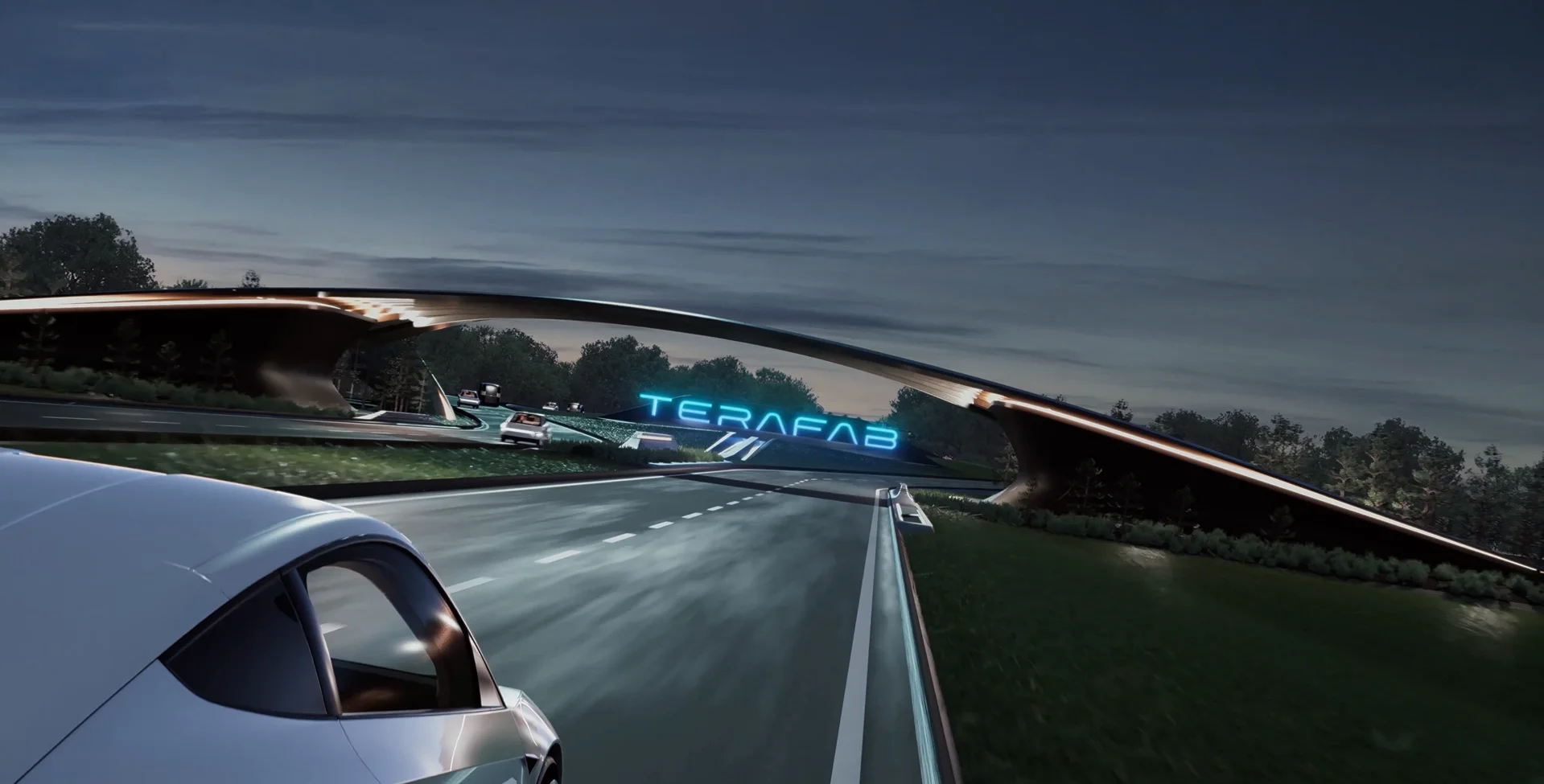
Tesla and SpaceX are working on what will be the largest corporate building in the world, called Terafab.
Stretching out over 100 million square feet in Texas, Terafab will be the result of a joint venture between Tesla, SpaceX, and Intel.
The investment is monumental, and here’s what the building will be used for.
Here’s what we can expect from the Terafab complex
The new Grimes County facility is expected to be the world’s largest semiconductor manufacturing plant, making it both a commercial and a geo-strategic move.
Chips rule the world, apparently.
That’s because almost every modern device – short of a loaf of bread – relies on chips.
The idea is to manufacture and test chip and, once in full swing, Terafab should be able to produce up 100 or even 200 billion AI and memory chips per year.
Related
Why Tesla and SpaceX desperately need it
The problem is that Tesla currently relies on outside suppliers like Samsung, Micron, and TSMC, which creates financial and supply chain bottlenecks.
“The combined SpaceX and Tesla demand for chips is expected to be in excess of one terawatt of compute, which is significantly larger than the current global supply,” a spokesperson said.
“While we are deeply appreciative of our current chip suppliers and encourage them to expand production whenever possible, this looming gulf between supply and demand is at the core of Terafab’s necessity.”
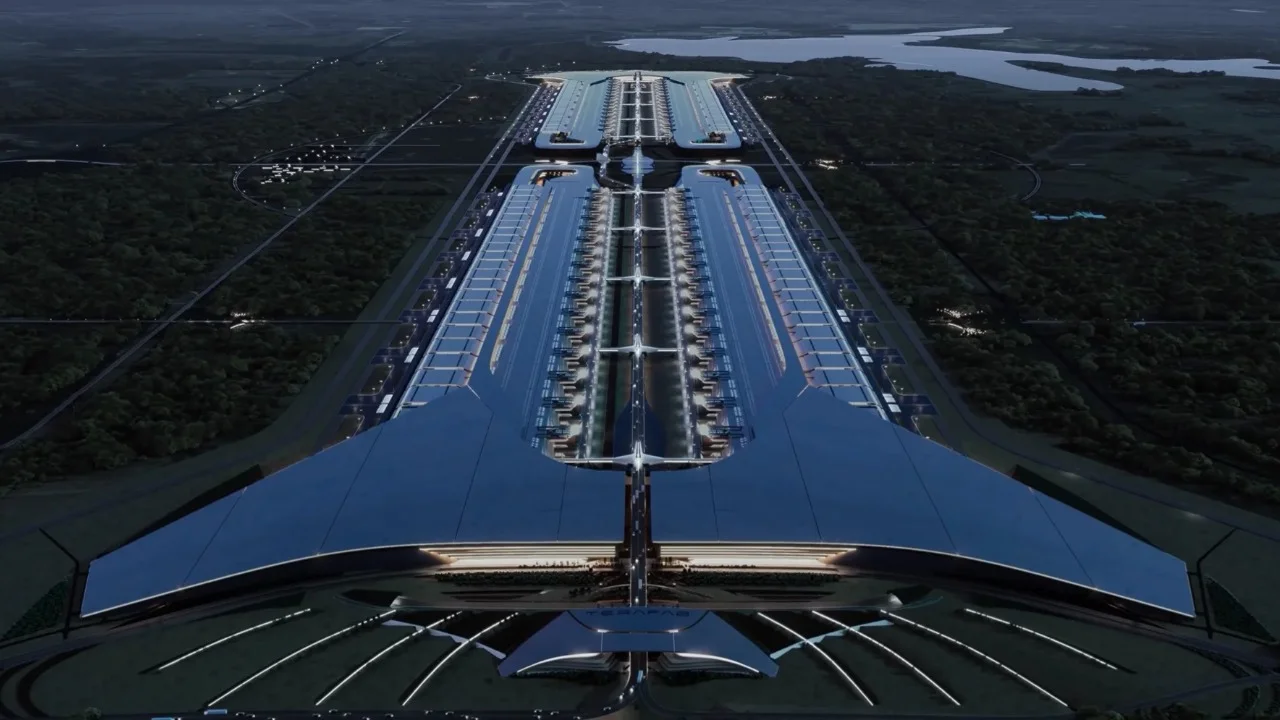
For context, the current record holder for usable indoor floor space in a single building is Chengdu’s New Century Global Center at 18.9 million square feet.
Terafab, a 100-million-square-foot project, would dwarf that.
The first phase of Terafab is anticipated to cost $16.8 billion.
It’s believed that it will provide 3,000 jobs once completed.
Some people believe that Musk will end up creating a ‘mega-company’
Elon Musk runs several businesses, but he also acts as the central driving force.
Over the last two or three years, Musk has been integrating his companies into one another quite rapidly and aggressively.
X, for example, is technically a social media platform, but it also comes with a built-in AI feature, Grok.
And because the primary way to access Grok is through X, the social media platform has effectively evolved into an AI distribution engine tightly linked with xAI.
Then there’s Tesla – which Musk has repeatedly said isn’t just an automaker – and SpaceX.
SpaceX and Tesla have worked together on the Roadster, and it may not be a one-off.
Also, both Tesla and SpaceX heavily rely on AI.
Some people believe that sooner or later, the natural next step will be to turn these companies into a giant AI/space/automotive company.
We’ll see, but we wouldn’t be surprised either way.
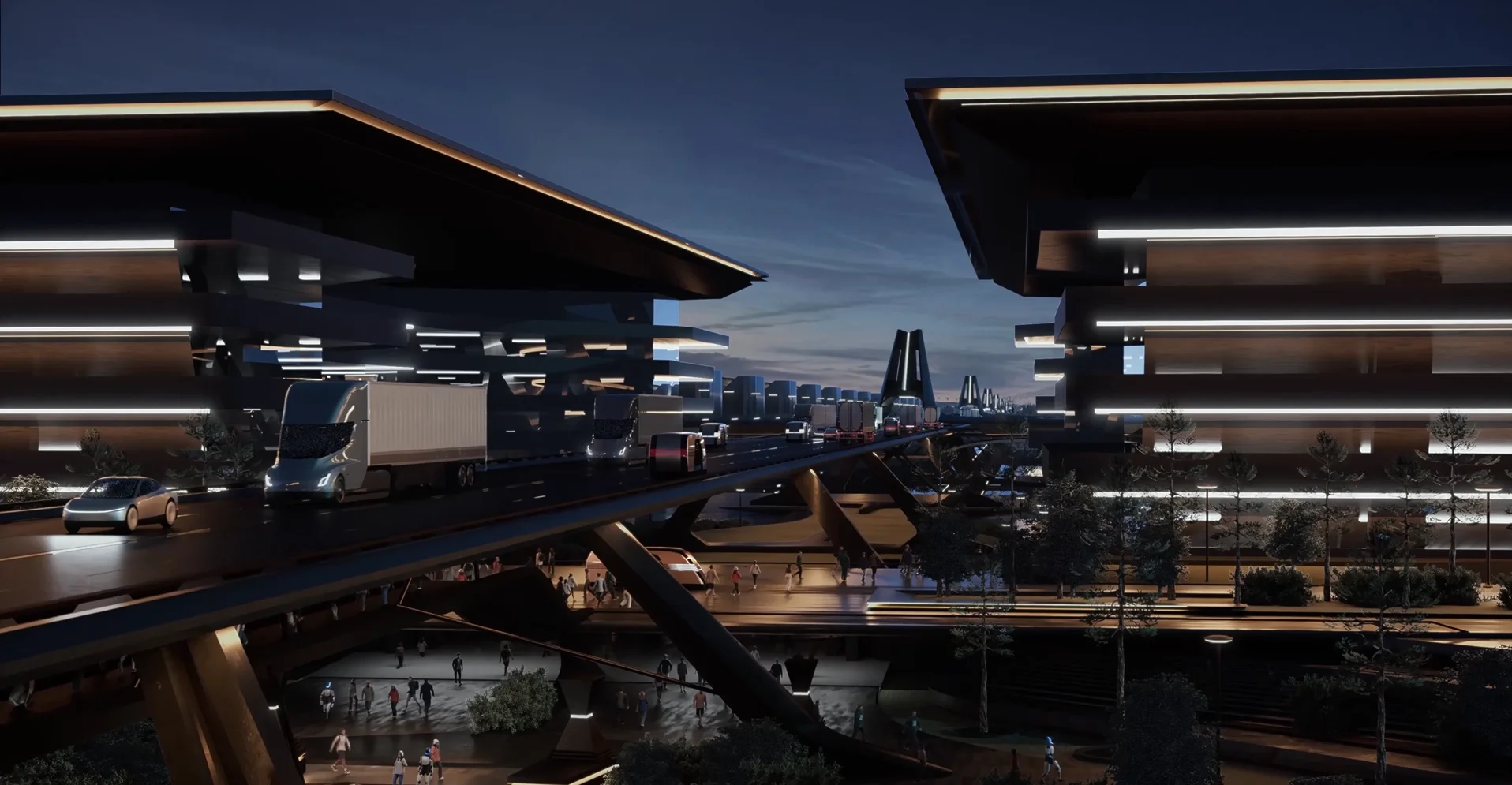
Timeline of Terafab
January 2026: Elon Musk first acknowledges the need for an in-house semiconductor manufacturing plant during an earnings call
April 2026: Terafab is established as a joint venture between Tesla, SpaceX, xAI, and Intel
May 2026: SpaceX files plans for a full-scale manufacturing complex in Grimes County
August 2026: SpaceX and Tesla formally announce the $16.8 billion Phase 1 plane for the Grimes County campus
Late 2026: Target date for early small-batch runs of Tesla’s fifth-generation AI5 chips
2029: Planned ramp for commercial mass production
Alessandro is an automotive journalist with 10 years of experience covering supercars, automotive history, emerging vehicle technology, and luxury transportation. He wrote the first article published on SupercarBlondie.com when the website launched in 2022 and has since built a reputation for insightful reporting across the automotive and transportation industries. His expertise is grounded in hands-on experience. Alessandro has driven every Tesla model ever produced, from the original Roadster to the Cybertruck, and regularly covers the latest developments in electric vehicles and automotive innovation. His passion for transportation extends beyond cars, he has even flown a Boeing 787 Dreamliner simulator in Addis Ababa, Ethiopia. His reporting spans everything from classic American muscle cars and rare automotive discoveries to luxury yachts, private aircraft, high-end watches, and cutting-edge vehicle technology. Known for his deep knowledge of automotive history and ability to uncover the stories behind iconic vehicles, Alessandro brings readers a blend of historical context, technical expertise, and first-hand experience.