The aircraft quietly replacing the Boeing 747 as the era of four-engine giants ends
Published on Jan 02, 2026 at 10:13 AM (UTC+4)
by Jason Fan
Last updated on Jan 02, 2026 at 5:15 PM (UTC+4)
Edited by
Mason Jones

Once upon a time, the Boeing 747, better known as the Queen of the Skies, solved long-haul travel by simply being larger than any other aircraft.
Four engines, a double-deck hump, and room for everyone made it the ultimate flying statement.
Airlines loved its capacity, and passengers loved its presence.
Fuel bills, however, eventually had other ideas.
SBX CARS – View live supercar auctions powered by Supercar Blondie
The Boeing 747 may be the most iconic aircraft ever
Introduced in 1970, the Boeing 747 was a truly revolutionary aircraft.
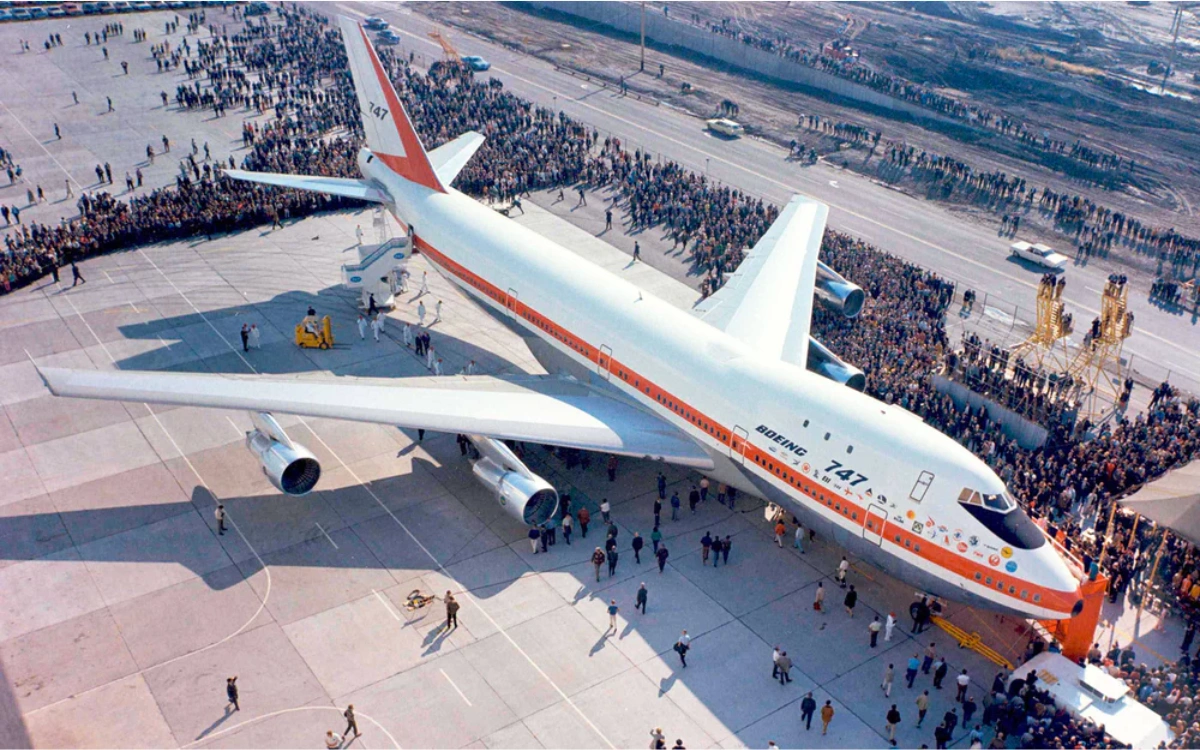
It allowed airlines to carry hundreds of passengers across oceans in a way no previous aircraft could, lowering ticket prices and making international travel more accessible.
Its humpbacked silhouette became a cultural icon, appearing in films, photoshoots, and even serving as Air Force One.
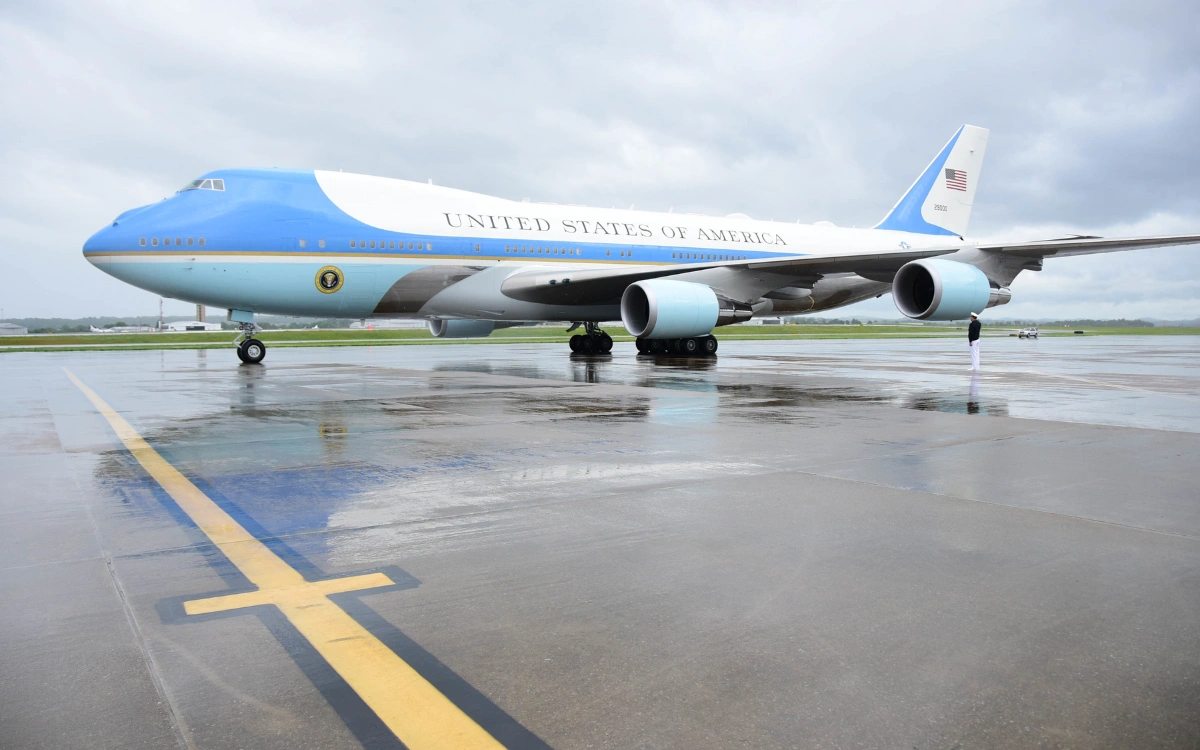
But as decades passed, fuel efficiency, environmental regulations, and changing passenger demands began to favor sleeker, twin-engine designs.
In 2023, Boeing delivered the final 747, officially ending the reign of the four-engine jumbo.
So what’s taking its place?
Airlines are quietly pivoting toward highly efficient, long-range twinjets that offer many of the Boeing 747’s benefits, without the four-engine baggage.
Leading the pack is the Airbus A350, which blends range, capacity, and comfort.
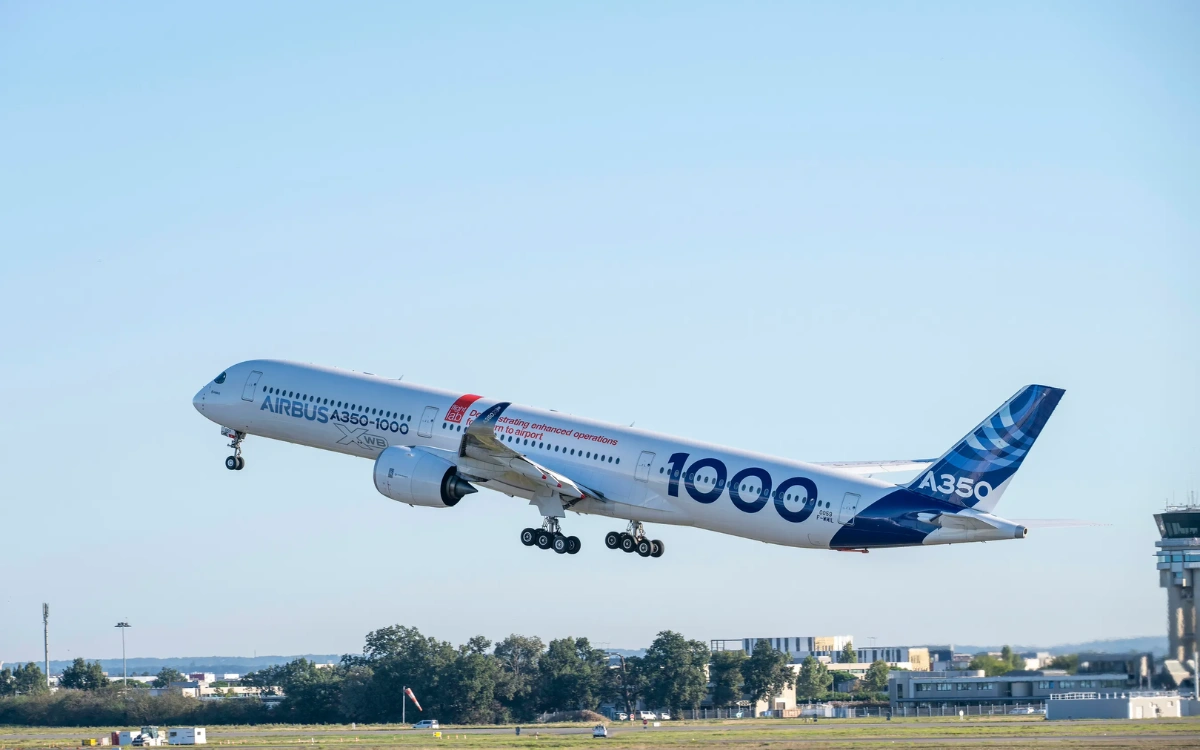
Built largely from lightweight composite materials, the A350 is designed for ultra-long-haul flights with lower fuel burn.
In fact, the new Airbus A350-1000ULR is the key to Qantas launching non-stop flights between Sydney and New York in 2027.
Its advanced aerodynamics and Rolls-Royce engines allow airlines to carry between 300 to 350 passengers across 8,000 nautical miles efficiently.
This makes it a favorite for transoceanic routes that once demanded a jumbo.
Next up is the Boeing 787 Dreamliner, a plane that has reshaped airline strategy.
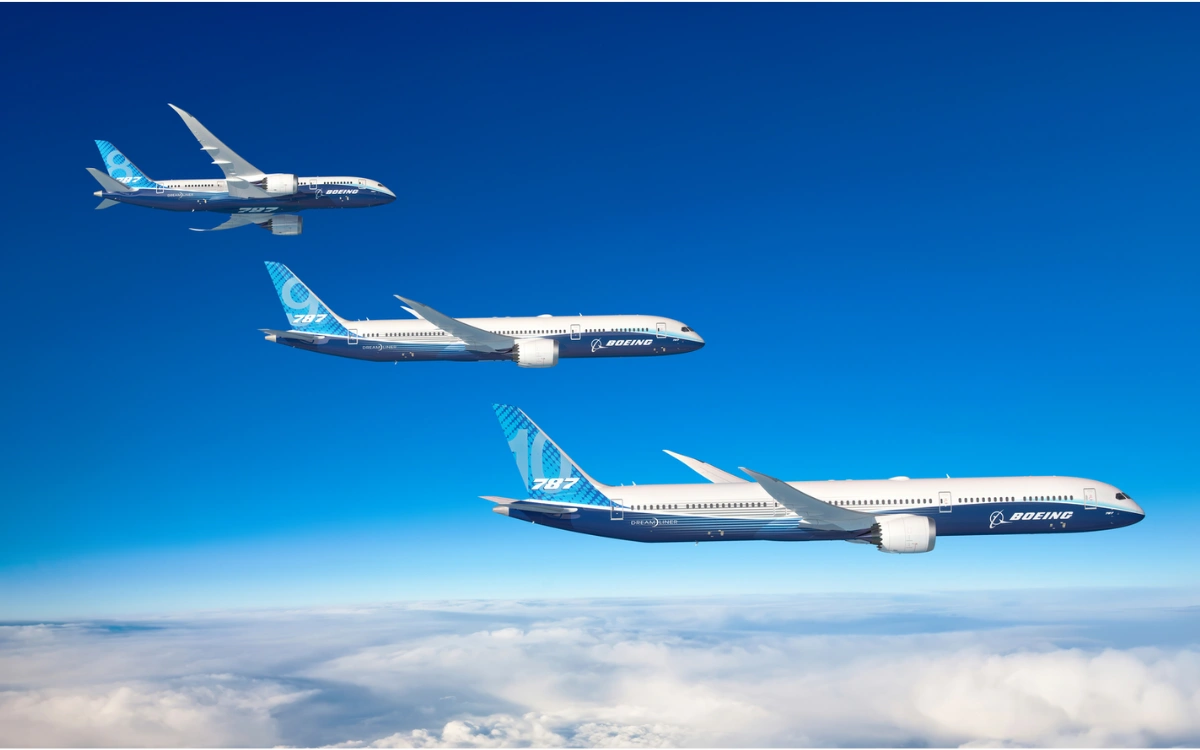
Smaller than the 747, it emphasizes ‘long and thin’ routes: direct flights between cities that previously couldn’t support a jumbo jet economically.
Thanks to carbon-fiber construction, improved aerodynamics, and next-gen engines, the 787 is lighter, quieter, and far more fuel-efficient than older long-haul aircraft.
Passengers enjoy higher cabin humidity, bigger windows, and smoother rides, showing that efficiency doesn’t mean sacrificing comfort.
Finally, there’s the Boeing 777X, which comes closest to the jumbo spirit of the Queen of the Skies, while embracing modern efficiency.
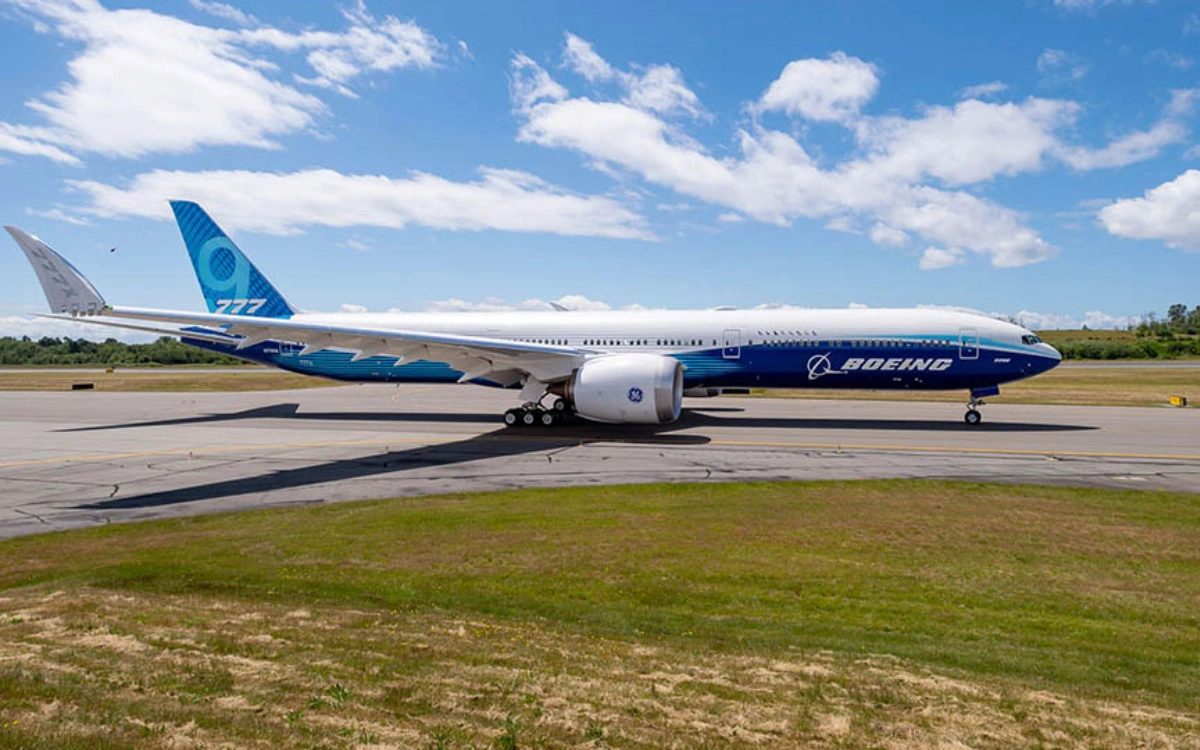
Its folding wingtips give it extra wingspan in the air without exceeding airport limits on the ground.
Powered by enormous GE9X engines, it can carry 400+ passengers (nearly the capacity of a 747), while burning far less fuel.
For airlines needing high-capacity planes on premium routes, the 777X is becoming the go-to choice, quietly filling the role of the Queen of the Skies.
While the era of four-engine giants may have ended, but their legacy lives on in these modern aircraft.
DISCOVER SBX CARS: The global premium car auction platform powered by Supercar Blondie