The first solar eclipse of 2026 is coming and this is when, where and how to watch it
Published on Feb 16, 2026 at 6:52 PM (UTC+4)
by Daisy Edwards
Last updated on Feb 16, 2026 at 6:53 PM (UTC+4)
Edited by
Daisy Edwards
The first solar eclipse of 2026 is coming, and this is when, where, and how to watch it as a rare ‘Ring of Fire’ prepares to light up the sky.
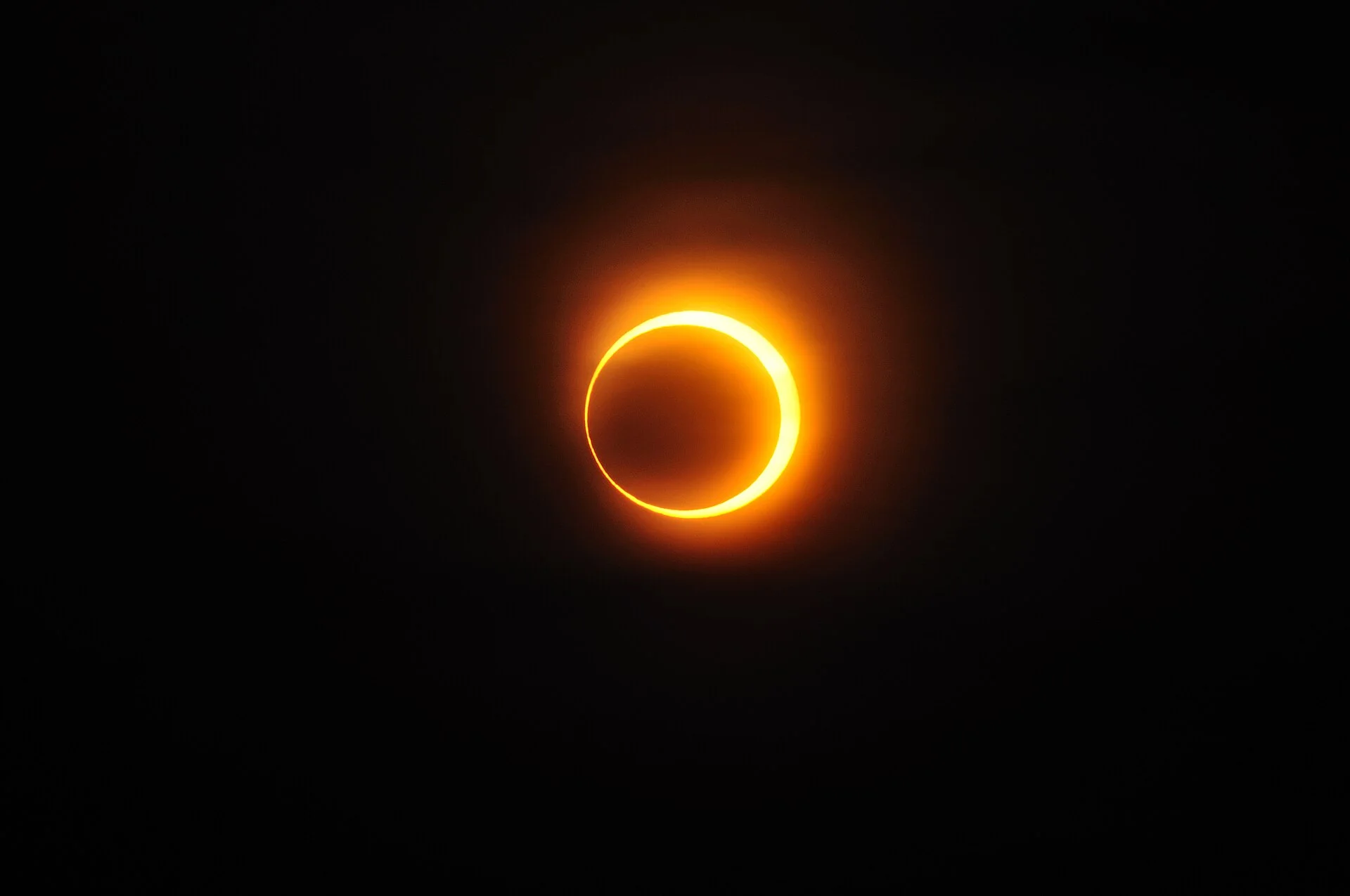
The annular eclipse will see the moon pass directly in front of the sun, leaving a blazing halo visible from parts of the world.
At its peak, around 96 percent of the sun’s center will be covered, with the full ring effect lasting up to two minutes and 20 seconds.
It is set to be one of the most striking and dramatic celestial events of the year.
EXPLORE SBX CARS – Supercar auctions starting soon powered by Supercar Blondie
When and where to watch the first solar eclipse of 2026
Every now and then, space puts on a bit of a show for us.
The dramatic annular phase, where the fiery ring is fully visible, will be confined to a narrow path across the globe.
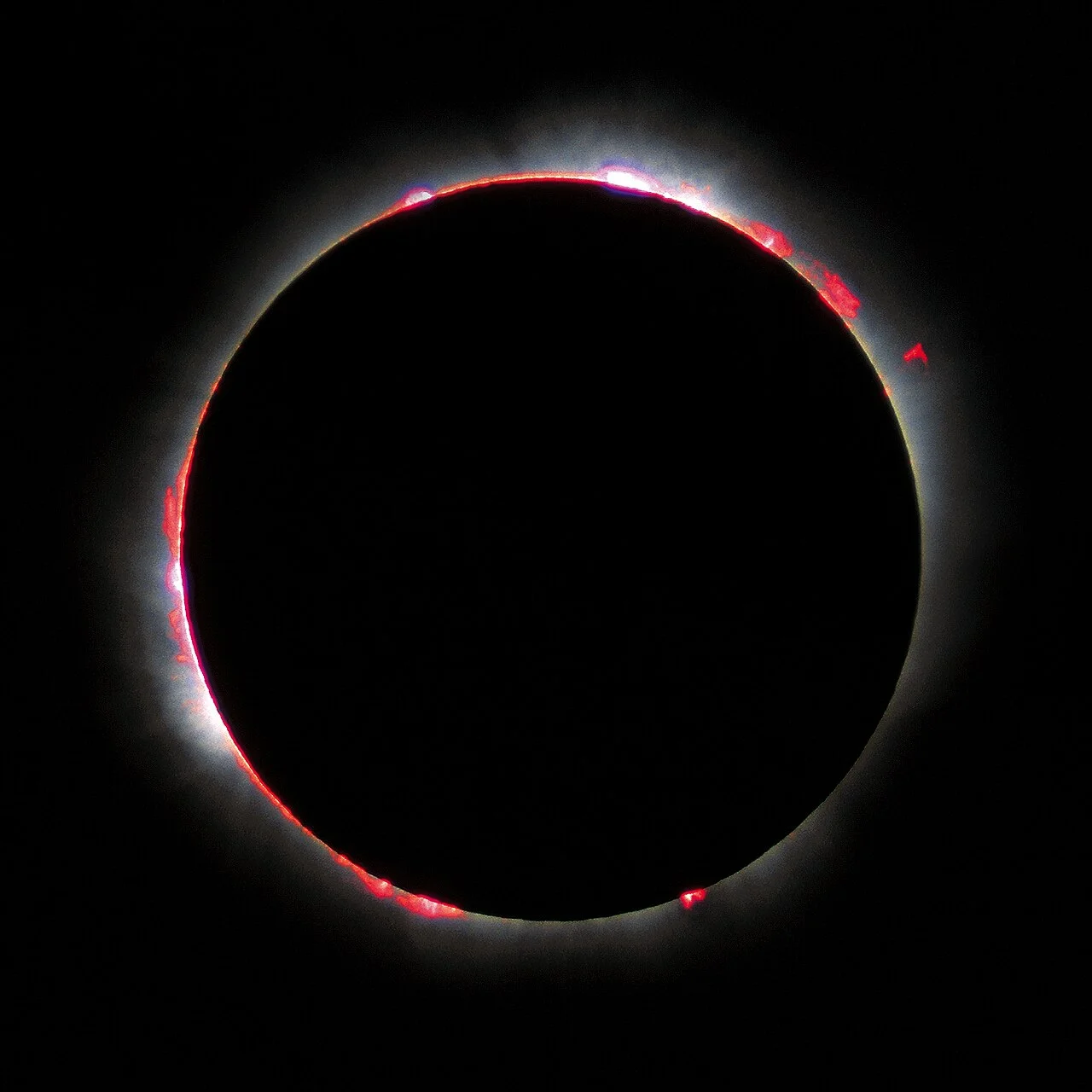
That prime viewing corridor stretches across Antarctica, including research stations such as Concordia and Mirny, making it a bucket list moment for those stationed on the icy continent.
Elsewhere, millions will still be able to catch a partial eclipse.
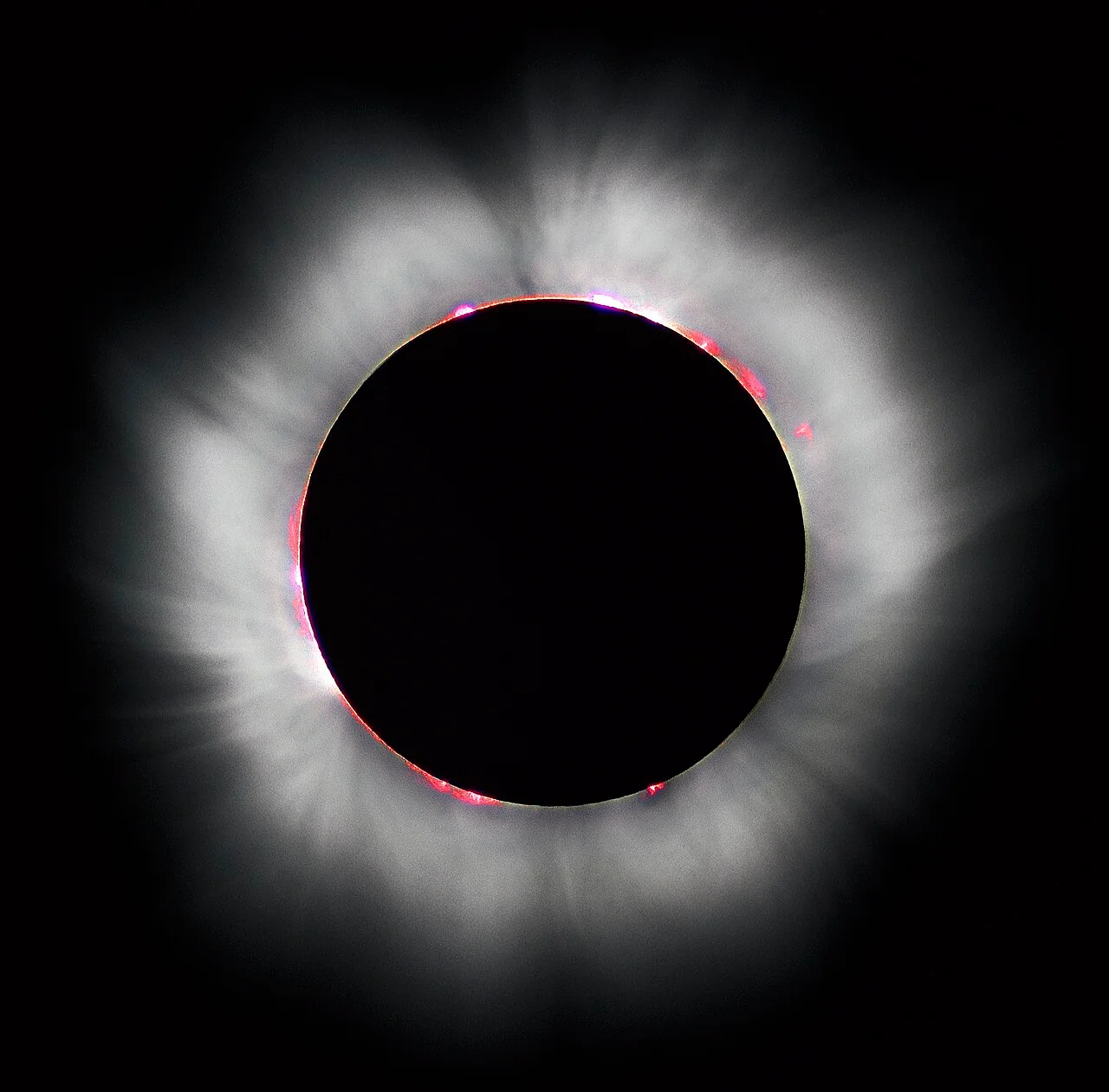
Parts of southern Africa, including South Africa, Tanzania, Zambia, and Zimbabwe, are expected to see the moon take a noticeable ‘bite’ out of the sun.
Sections of Argentina and Chile will also experience partial coverage, while other regions will miss out entirely if the sun is below the horizon during alignment.
Click the star icon next to supercarblondie.com in Google Search to stay ahead of the curve on the latest and greatest supercars, hypercars, and ground-breaking technology
How to watch it
A solar eclipse is not an event to view with the naked eye.
Because the moon never completely blocks the sun during an annular eclipse, looking directly at it without protection can cause serious eye damage.
Certified eclipse glasses that meet the ISO 12312-2 safety standard are essential.
Any glasses that are scratched or damaged should not be used, and regular sunglasses are not safe.
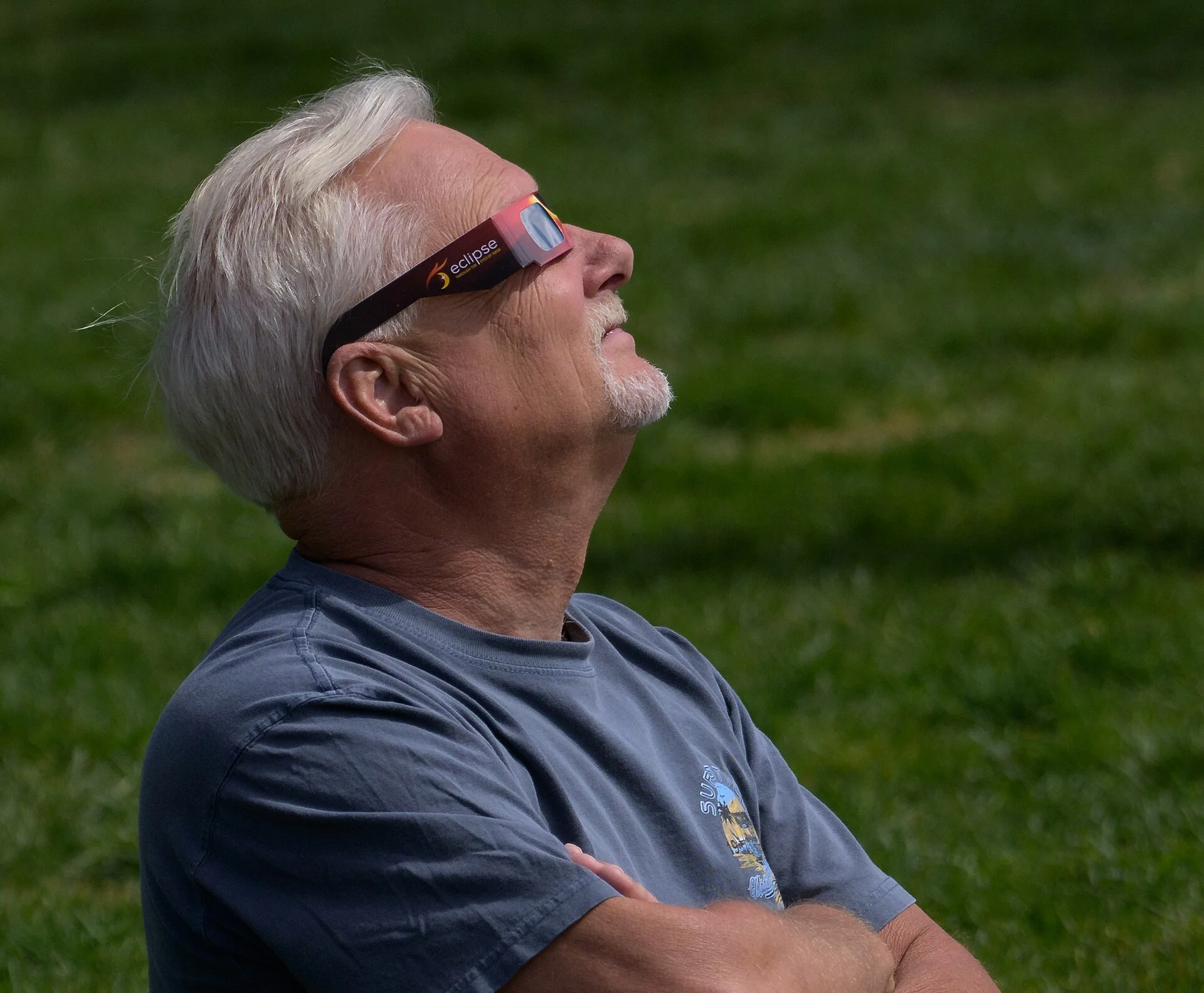
If you do not have eclipse glasses, indirect viewing is the safest option.
Simple projection methods, such as a pinhole projector, can cast an image of the sun onto a surface, allowing you to watch the eclipse unfold without ever looking directly at it.
The first solar eclipse of 2026 will take place on Tuesday, February 17, beginning at 07:01 UTC, giving skywatchers in the right parts of the world a rare chance to witness the ‘Ring of Fire’ effect live.
DISCOVER SBX CARS: The global premium car auction platform powered by Supercar Blondie