The Nissan GT-R is finally dead as orders are closed after 18 years
- Nissan has announced the R35 GT-R is officially no more
- This follows on from Australia, the UK, Europe and America ceasing sales
- Nissan seems to be making way for a new flagship vehicle – the R36 sports car
Published on Mar 03, 2025 at 6:10 AM (UTC-5)
by Daisy Edwards
Last updated on Mar 04, 2025 at 12:37 AM (UTC-5)
Edited by
Kate Bain
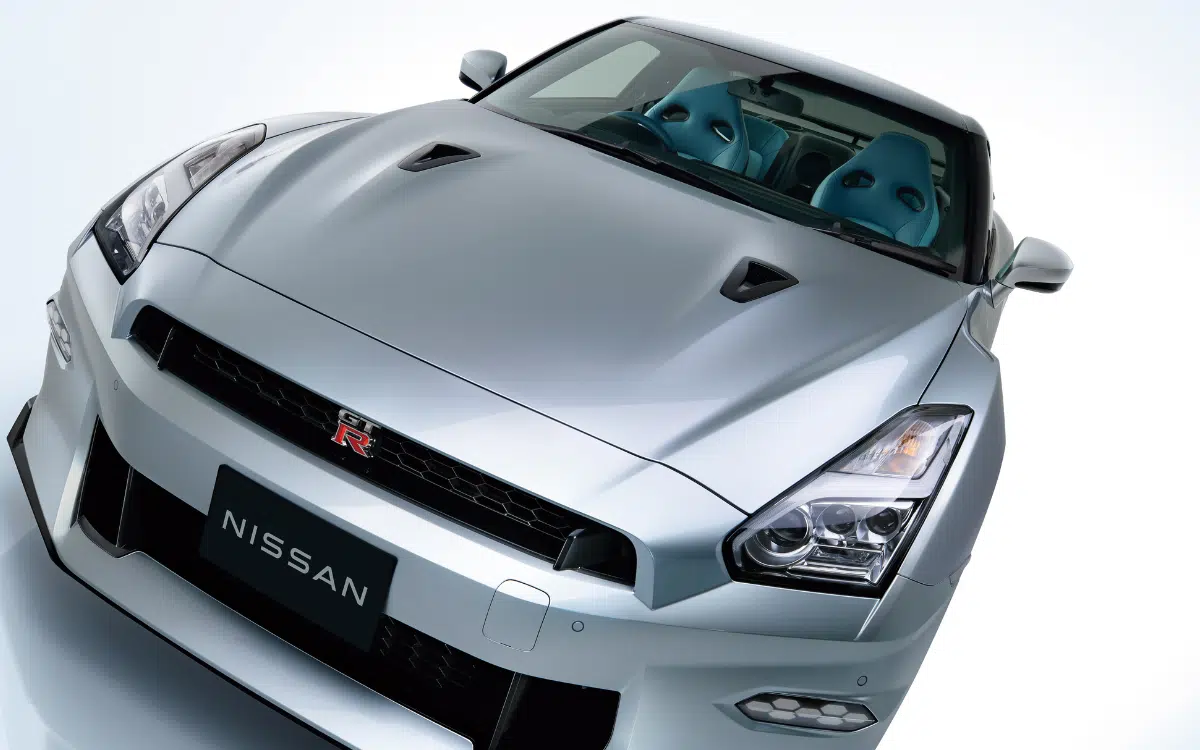

Nissan has made the surprise announcement that after reaching the ripe old age of 18, its R35 GT-R model is no more.
It had been gradually disappearing from global markets over the last few years, but the final nail in the coffin was when the car manufacturer announced that it would stop taking orders for the car in Japan, ending an almost 20 year legacy.
The car was announced at the Tokyo Motor Show in 2007 to much excitement and as the car manufacturer’s flagship vehicle, it has served the company well.
Now production is ceasing, the Japanese manufacturer is looking to the future to find a new flagship car, hoping its new R36 sports car will become as beloved as the R35 GT-R.
DISCOVER SBX CARS: The global premium car auction platform powered by Supercar Blondie
Ding-dong the Nissan GT-R is dead
The year is 2007 and Apple has just released its first iPhone. Meanwhile, at the Tokyo Motor Show, Japanese car manufacturer Nissan has just changed the automotive scene as we know it.
The Nissan R35 GT-R blasted onto the market offering rapid performance and forward thinking technology, quickly becoming the car manufacturer’s flagship vehicle.
It’s no surprise however then that the GT-R stayed on the market so long with very little change to the vehicle itself, only receiving periodic facelifts to keep up with the aesthetics of the time.
The lack of change to the car’s actual build and technology might actually be what killed it off though, as with little change to the original, this once-futuristic sports car has now become increasingly obsolete in the rapidly developing world of motors.
Related
So, what’s next?
New crash test rules in Australia meant that R35 GT-R sales stopped all the way back in 2021, when Nissan Australia announced that ‘due to the implementation of Australia’s unique pole side impact design rules (ADR 85), the Nissan GT-R will not be imported into the Australian market after October 31, 2021’.
In 2022, the UK and Europe swiftly followed suit. The GT-R is also dead in America.
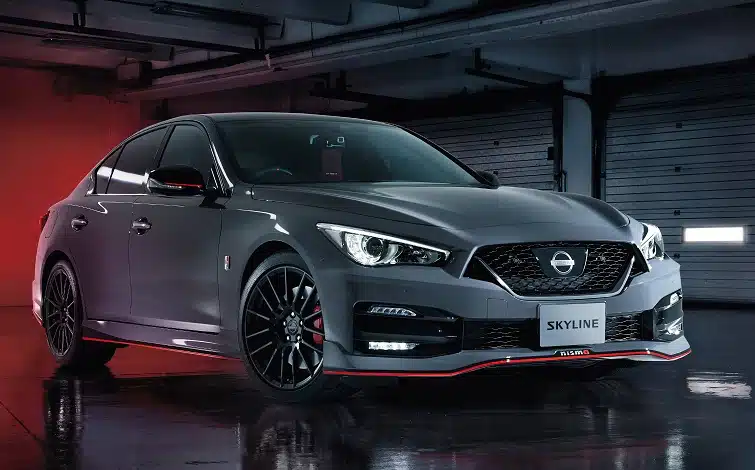
This happened last year when Nissan premiered two limited edition versions, the T-Spec Takumi and the Skyline Trim as the car’s swansong.
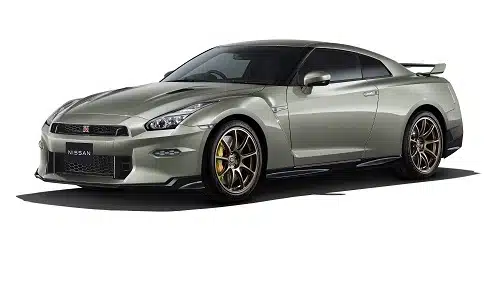
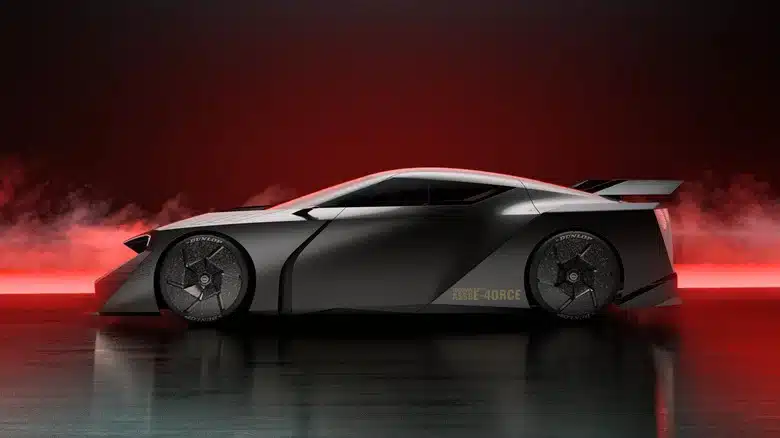
It looks like the manufacturer is lining up its new flagship car with the 2023 announcement of the imminent release of its new R36 sports car.
Just like its competitors, the Japanese car manufacturer is moving towards electrification.
Nissan has a long way to go when it comes to battery development, and hopefully, the R36 brings the manufacturer into the 2020s.
Daisy is a technology and automotive journalist covering artificial intelligence, consumer tech, Apple news, cryptocurrency, emerging technologies, and transportation innovation. Since joining the team in 2025, she has reported on everything from AI-powered startups and major iOS updates to viral car stories and the latest developments shaping transportation and the digital economy. Drawing on her background in automotive journalism and a degree in History and Journalism from Goldsmiths, University of London, Daisy specializes in breaking down complex topics into clear, engaging reporting for a global audience. Her work spans cutting-edge technology, innovative vehicles, and the people driving change across both industries. Daisy has gained first-hand access to some of the world's most talked-about technologies and innovators, including meeting Tesla's Optimus humanoid robot during its first European appearance in London. She has also discussed the future of space exploration with an astronaut, bringing unique insights and real-world perspectives to her coverage of emerging technology.