This is why most of America's commercial jets look so boring now compared to even just over a decade ago
Published on Apr 25, 2026 at 12:13 PM (UTC-4)
by Henry Kelsall
Last updated on Apr 25, 2026 at 12:13 PM (UTC-4)
Edited by
Mason Jones
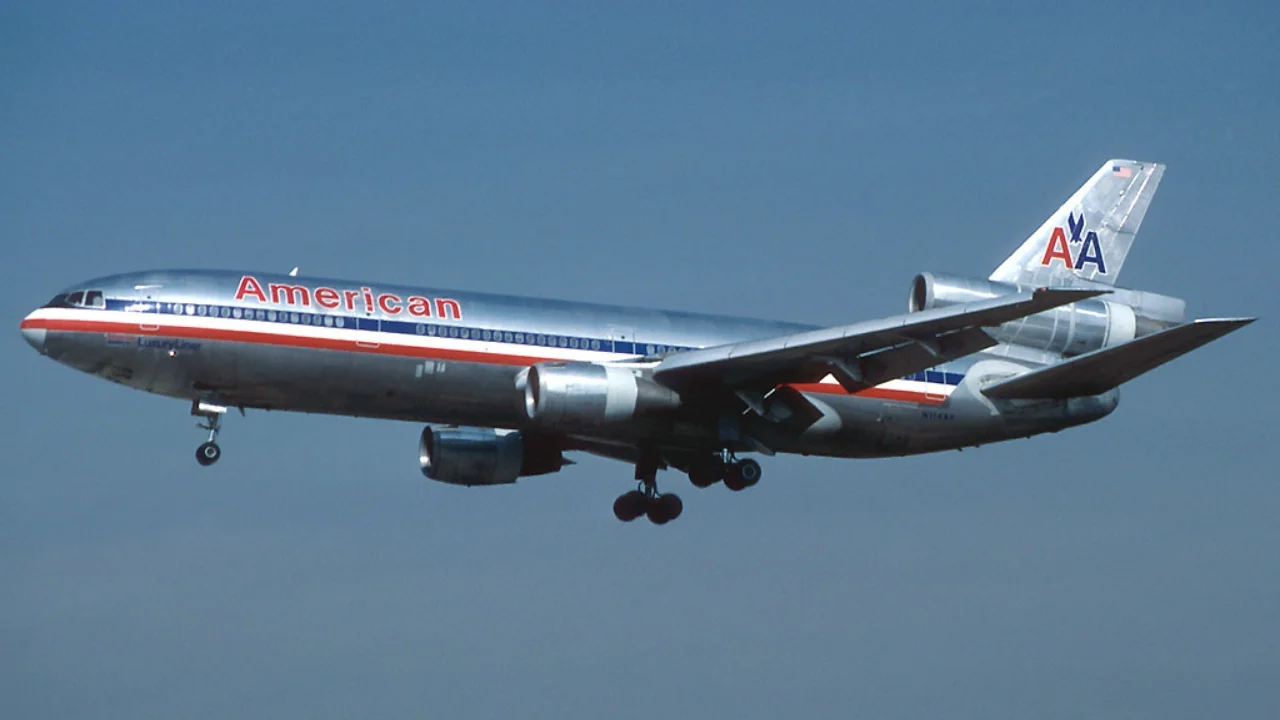

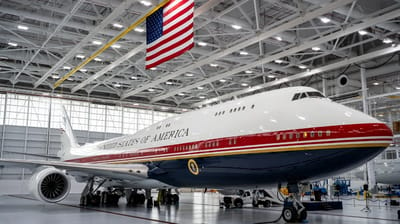
It probably hasn’t escaped your attention that in the world of aircraft, America’s commercial jets look a lot more boring than they did even 10 years ago.
Aircraft often used to glisten in the sun thanks to a mirror-like shine, yet now many jets are in rather bland liveries, predominantly white, a far cry from the days of flying mirrors.
While this may be a disappointment for aviation enthusiasts and those with a general love of all things aviation, the reasoning behind this decision does make sense.
In fact, a lot of it comes down to how the aircraft are now built compared to 10-20 years ago.
Why America’s commercial jets had a shiny skin
Paint was often kept to a minimum on early commercial jets, and even more so in the earlier days of aviation.
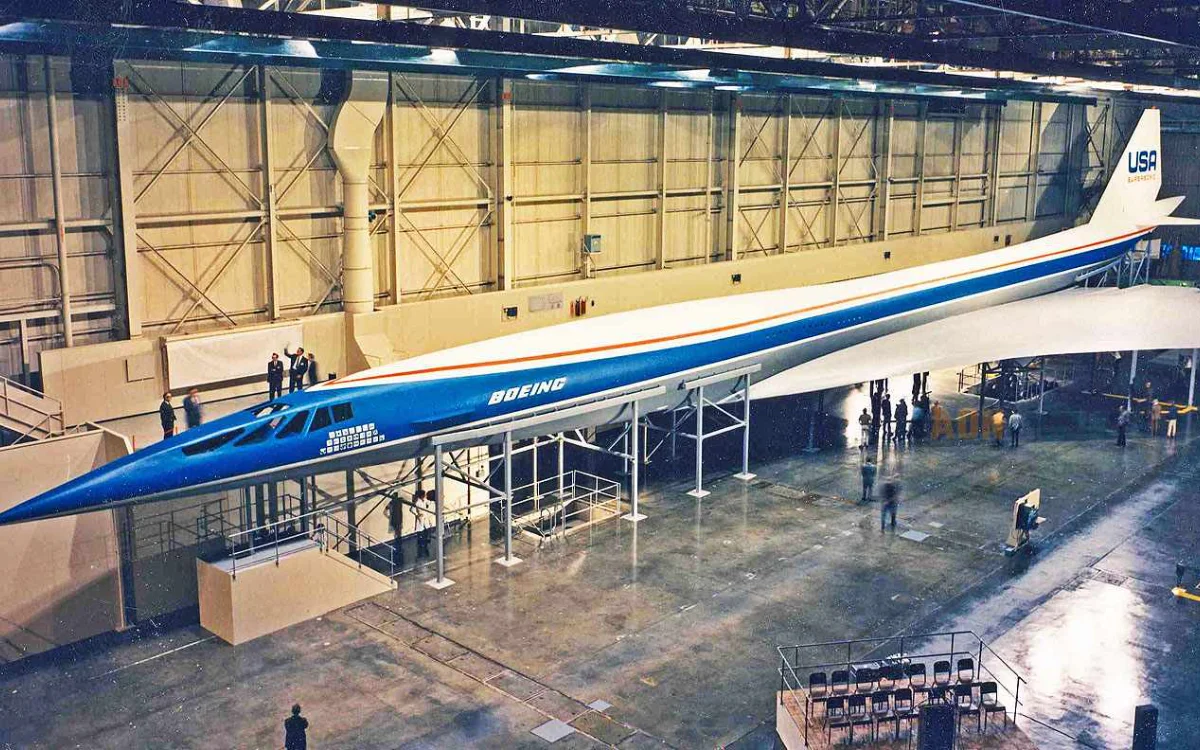
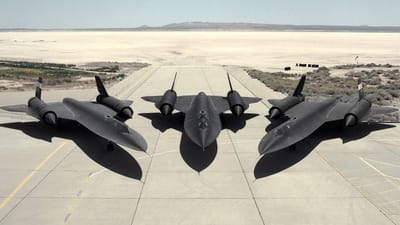
Military aircraft were largely the exception, due to a need for camouflage and to portray a country’s air force.
But take a look at airliners, mostly from the 1930s onwards, and you will notice a distinct lack of paint.
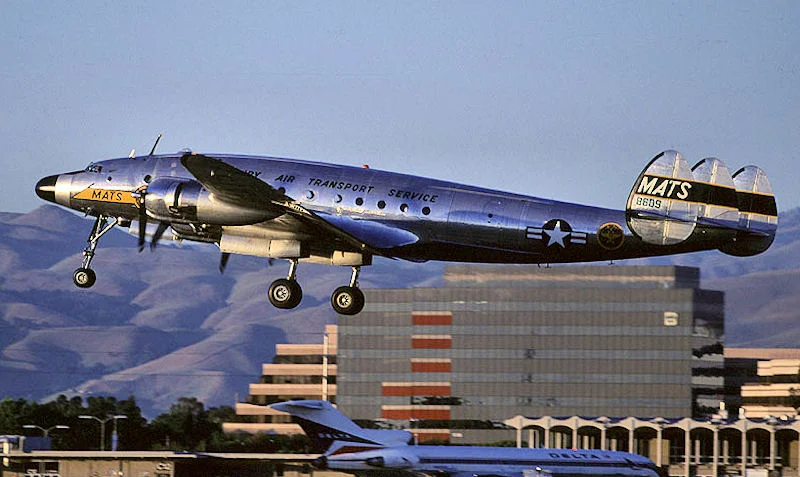
Aircraft like the Lockheed Constellation and even the jet-powered British de Havilland Comet were only partially painted.
This is down to the construction of those aircraft.
Aluminum was the primary material, which usually had an alclad aluminum alloy skin.

Alclad is strong, high-purity, and has very good corrosion resistance.
With a high shine, this is what led to the mirror-like finishes on aircraft.
There was also a practical reason for this, and that came down to weight.
This is how weight dictated aircraft’s paint schemes
More weight can have an impact on overall performance, increase drag, and cause a plane to burn more fuel.
While it might not look like it, paint can actually add a reasonable amount of weight to something.
For example, 50 gallons of paint to paint a Boeing 737 can lead to an extra weight of 250lbs.
Why add all that extra weight when a Boeing, Airbus, or any other commercial jets looks so good without it?
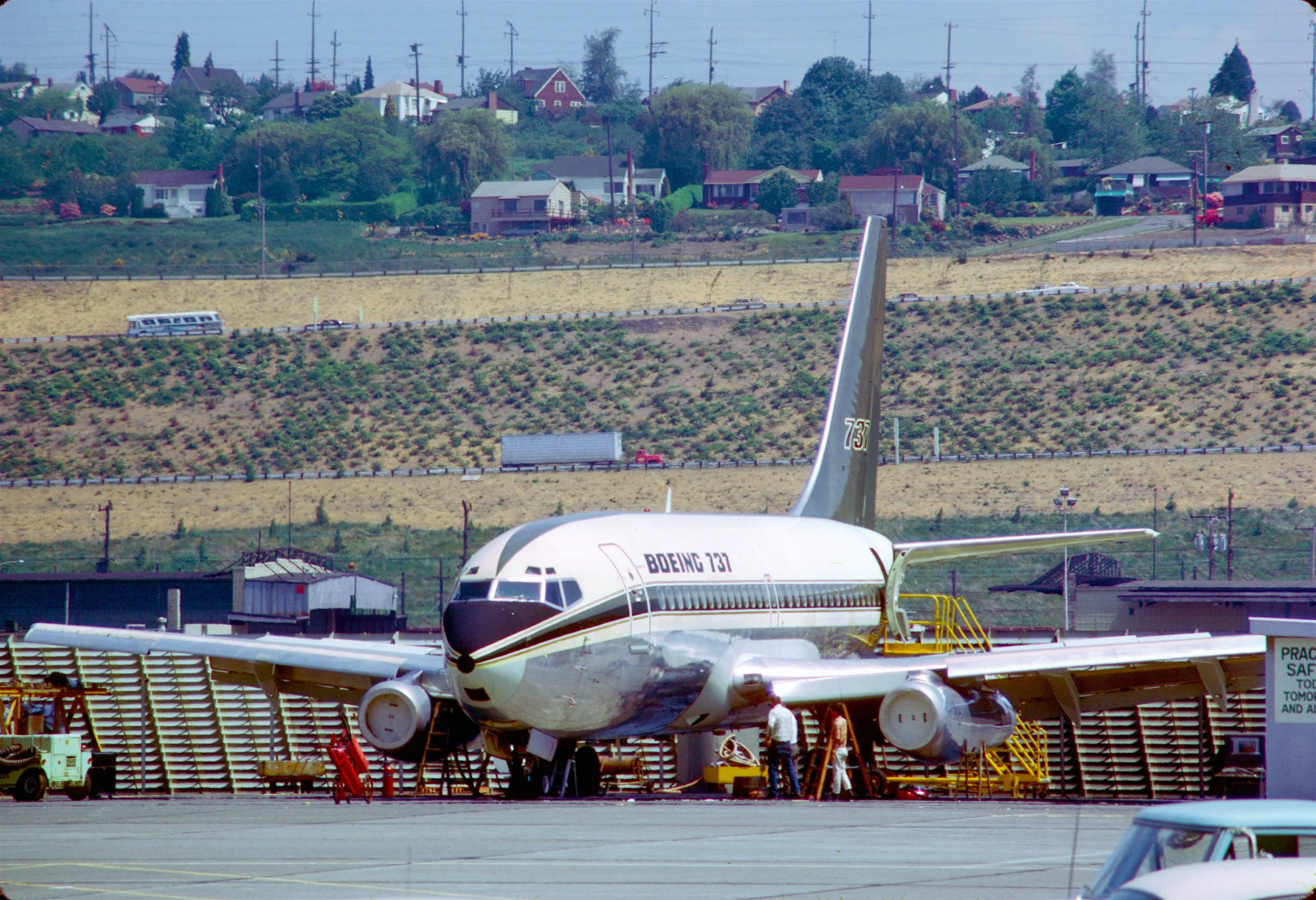
Boeing itself has said that to just paint the logos and cheatlines down the side would require only 25lbs of paint.
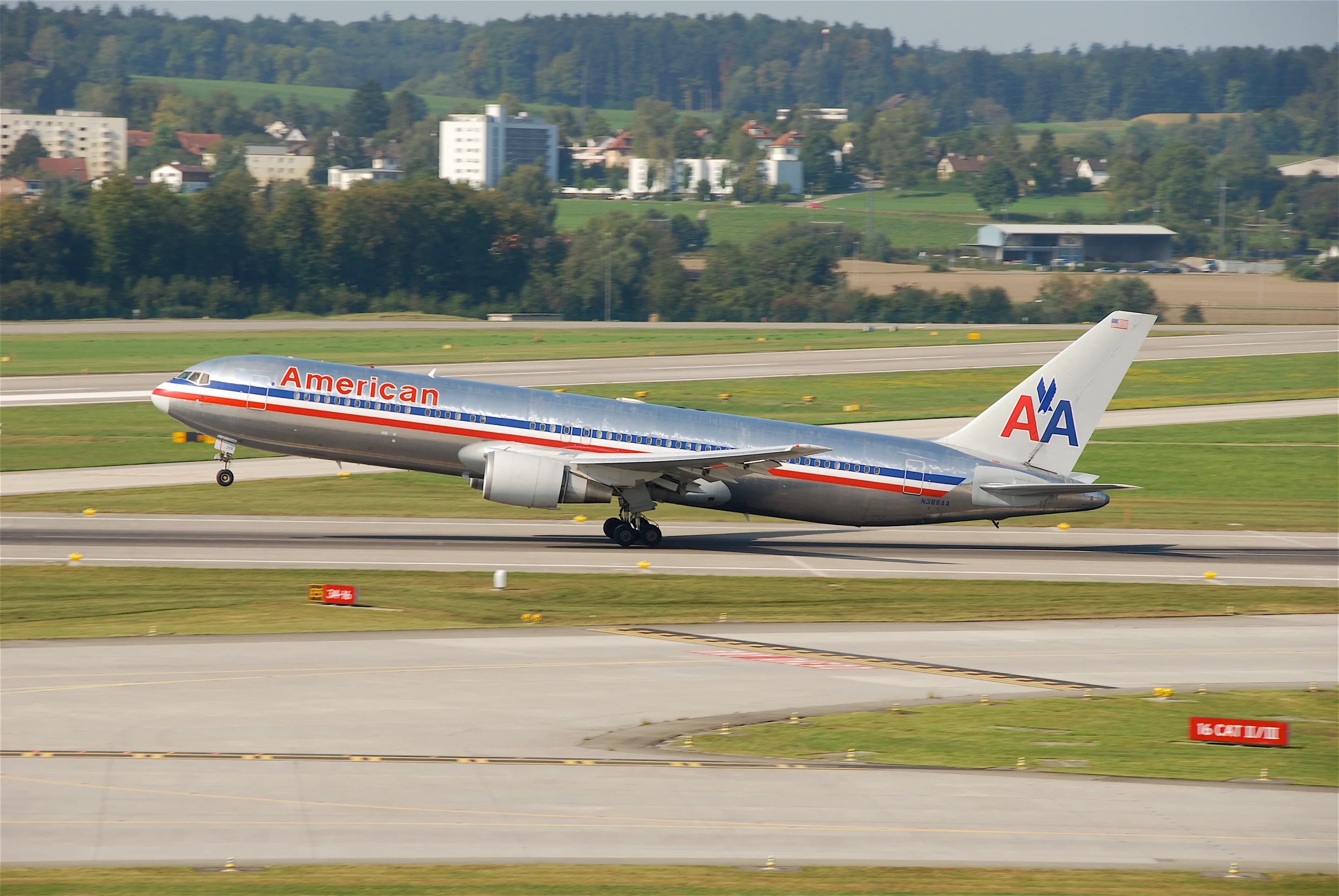
American Airlines perhaps embodied this era best with the Eagle livery of 1968-2013.
Its jets would be almost all aluminum, with only the airline’s logo and stripes painted onto the fuselage.
If more paint were used, it would usually only be the top portion of the fuselage that was fully painted.
Why commercial aircraft no longer have aluminum liveries
Matthew Burchette, senior curator at the Museum of Flight in Washington, spoke to Supercar Blondie about the change from aluminum to painted liveries.
“Bare aluminum looks great when polished, but it’s vulnerable – especially with exposure to moisture, salt, de-icing chemicals, and pollution,” he said.
“Paint adds a protective barrier that reduces corrosion and extends the aircraft’s lifespan,” added Burchette.
A painted airliner simply requires a lot less care on that side to stop corrosion.
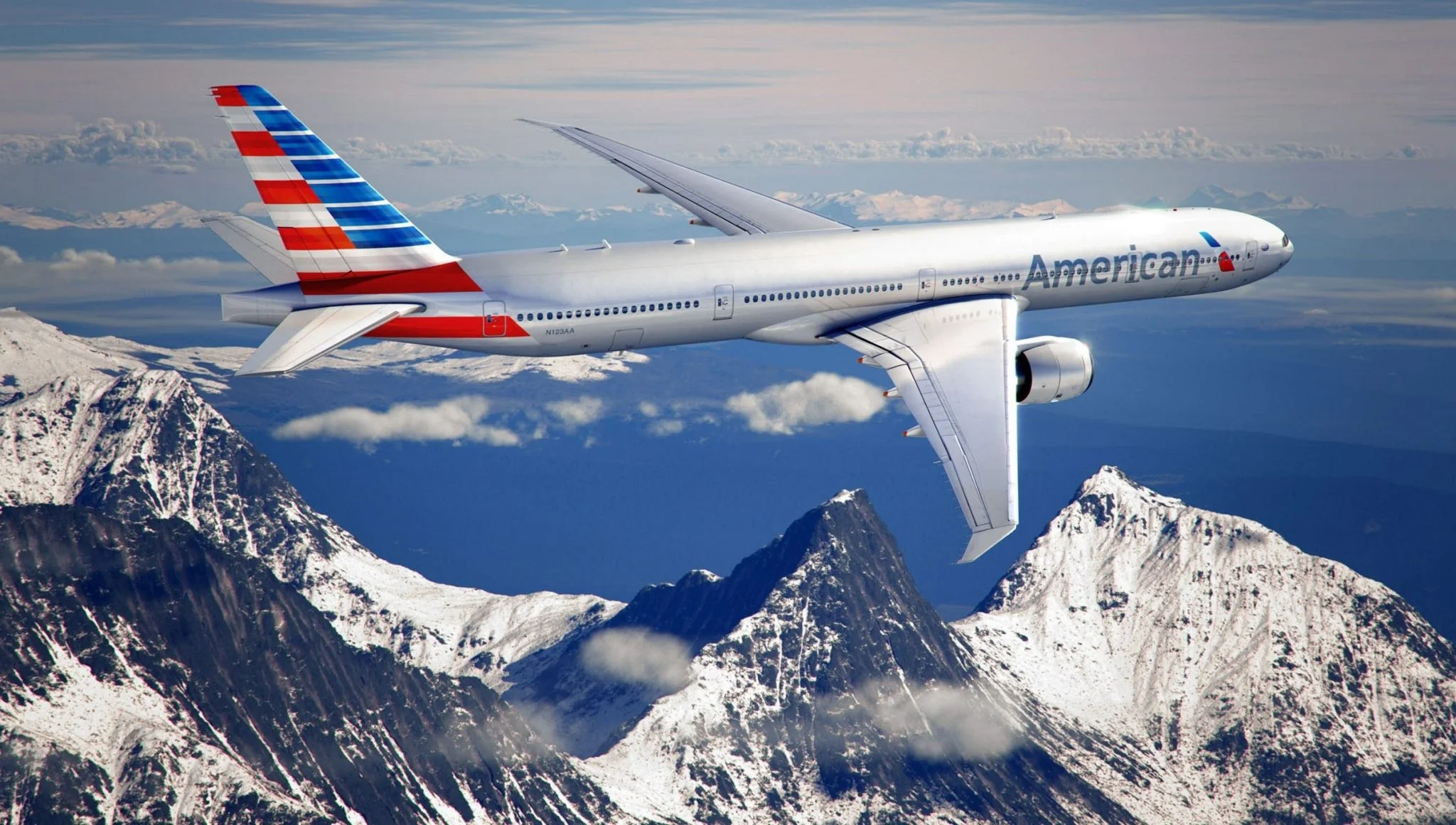
With aircraft construction also changing, there’s no longer the need to worry about the weight of paint.
“Modern polyurethane and epoxy paints are thinner, lighter, and more durable – making the weight tradeoff much smaller than it used to be,” Burchette explained.
That has led to more corporate-looking liveries, and less shiny ones than what we used to have.
But the reasoning behind this shift does make perfect sense.
Airliner branding has also played a part for the commercial jets
Perhaps more boring but still important is that branding now plays a bigger role with liveries on commercial jets.
“Paint allows for bold liveries, logos, and colors that stand out in a crowded market,” Burchette told Supercar Blondie.
“Airlines increasingly saw aircraft as flying billboards, and polished metal limited design flexibility,” he added.
Another factor is that modern construction materials have changed how liveries need to be applied.
“Modern aircraft like the Boeing 787 Dreamliner and Airbus A350 use large amounts of carbon-fiber composites instead of bare aluminum,” said Burchette.
“These materials must be painted both for protection and to shield them from UV damage,” he added.
So plenty of reasons are behind this shift in liveries on commercial jets, from practical reasons to branding purposes.
It is fascinating just how important paint can be to an airliner during its service life.
Henry joined the Supercar Blondie team in February 2025, and since then has covered a wide array of topics ranging from EVs, American barn finds, and the odd Cold War jet. He’s combined his passion for cars with his keen interest in motorsport and his side hustle as a volunteer steam locomotive fireman at a heritage steam railway.