A battery design first patented in 1901 by Thomas Edison has been rebooted and could end up being the future of energy
Published on Mar 12, 2026 at 9:26 AM (UTC+4)
by Claire Reid
Last updated on Mar 12, 2026 at 9:26 AM (UTC+4)
Edited by
Claire Reid
A long-forgotten battery patented by Thomas Edison back in 1901 has inspired a new design that could help shape the future of energy.
Edison was a prolific inventor with more than 1,000 patents to his name.
He’s credited with creating the light bulb, the automatic telegraph, and the first movie camera, but back in 1901 he patented an idea for a nickel-iron battery that failed to catch on.
However, now scientists from UCLA have rebooted Edison’s idea, and it could be a game-changer.
Click the star icon next to supercarblondie.com in Google Search to stay ahead of the curve on the latest and greatest supercars, hypercars, and ground-breaking technology
The rebooted Edison battery can charge in just seconds
While many carmakers are hailing EVs as the vehicles of the future, they actually have a long history.
Back in 1900, EVs actually outnumbered gas-powered cars in the US, and Edison hoped to improve range by developing a nickel-iron battery that he believed could offer up to 100-miles of range, and faster charging times.
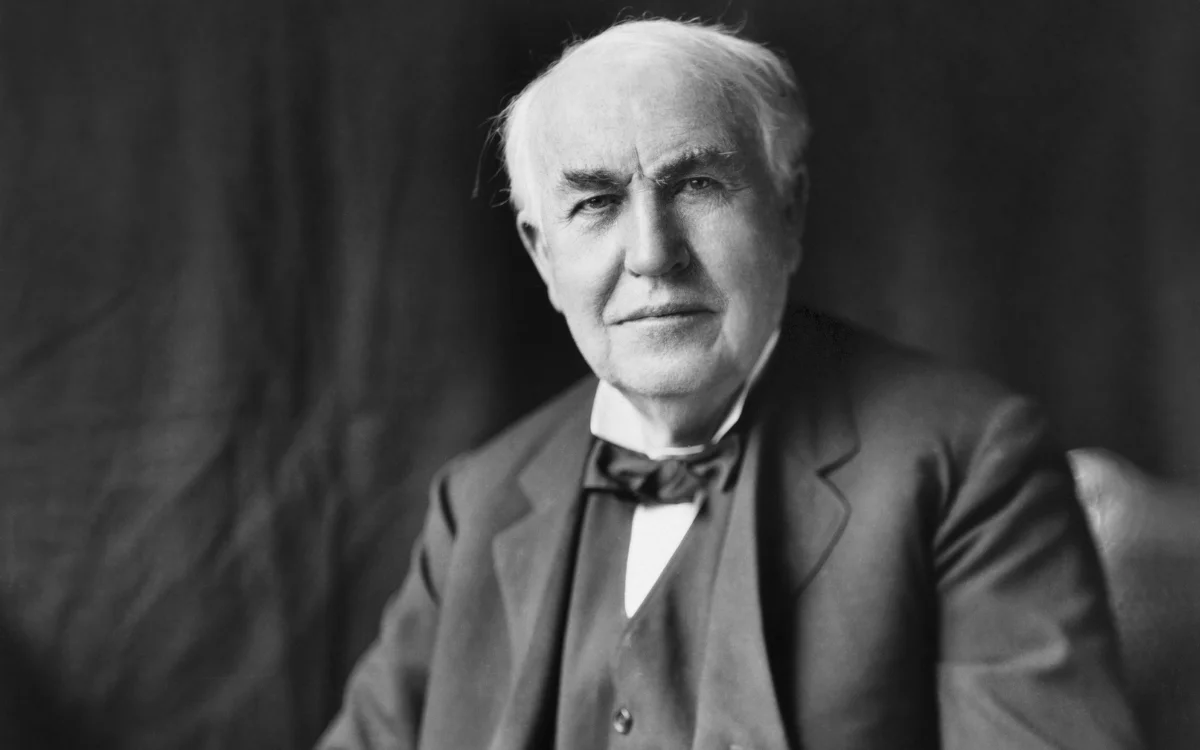
Unfortunately, the claims didn’t quite match the reality and ultimately the popularity of ICE vehicles raced ahead.
But now a team of international researchers, co-led by UCLA, have begun working on an updated and rebooted nickel-iron battery and it’s got some impressive stats.
The prototype battery was able to charge in seconds, rather than minutes or even hours.
It also achieved more than 12,000 charging cycles, which is the equivalent of around three decades of daily recharges.
The battery technology is built from tiny clusters of metal that have been patterned using proteins and then bonded to a two-dimensional material made of super thin sheets, that are about as thick as an atom.
And while that all might sound incredibly complex, the team behind the study said it’s actually pretty simple.
“People often think of modern nanotechnology tools as complicated and high-tech, but our approach is surprisingly simple and straightforward,” assistant researcher at UCLA and co-author of the study Maher El-Kady said.
“We are just mixing common ingredients, applying gentle heating steps and using raw materials that are widely available.”
Here’s how the new batteries could be used in future
Although Edison originally planned for his nickel-iron battery to be used in cars, the team says that the technology isn’t a great fit.
The new battery doesn’t have the same storage capabilities as the lithium-ion batteries that are currently used in EVs.
However, its super fast charging and top notch endurance mean that it could be used to store renewable energy.
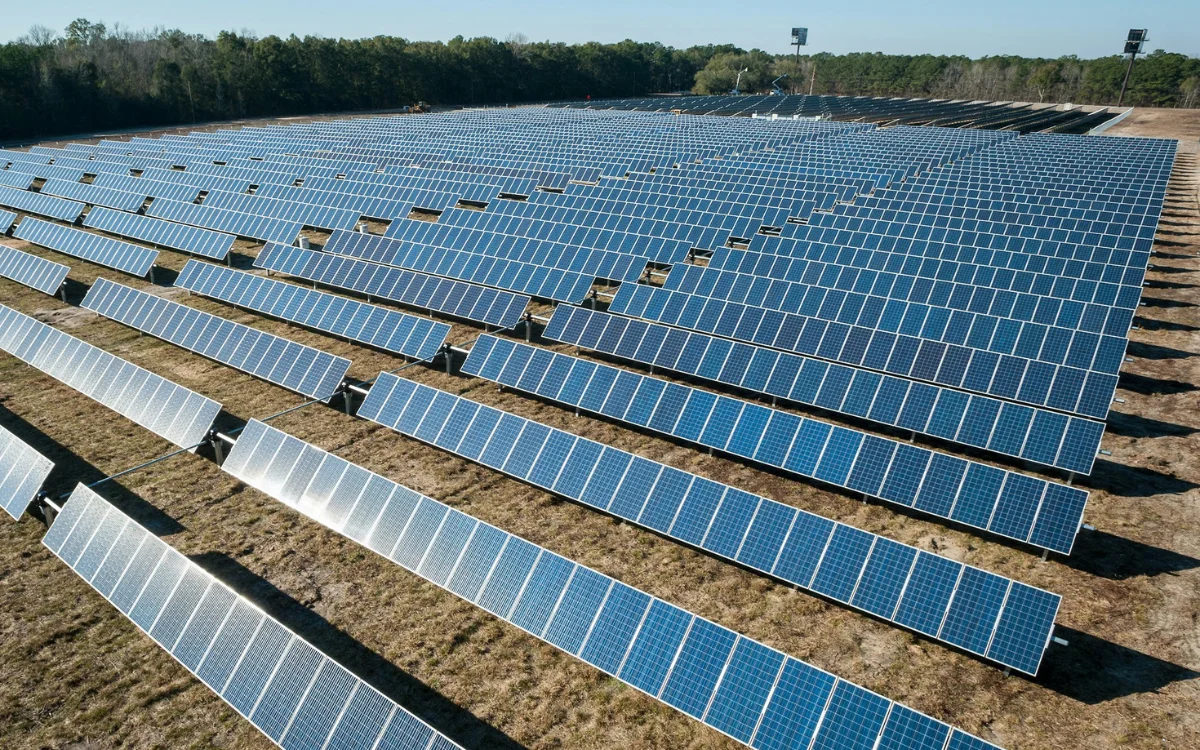
The batteries could store excess electricity from solar farms during the day and then use it to power the grid at night.
“Because this technology could extend the lifetime of batteries to decades upon decades, it might be ideal for storing renewable energy or quickly taking over when power is lost,” El-Kady added.
“This would remove worries about the changing cost of infrastructure.”
A quick history of EV batteries
1859: Invention of the lead-acid battery by Gaston Planté—used in early electric carriages
1899: Camille Jenatzy’s electric car, using lead-acid batteries, sets a land speed record of 65 mph
1960s: Nickel-cadmium (NiCd) batteries provide better energy density but are costly
1996: GM EV1 uses advanced lead-acid and nickel-metal hydride (NiMH) batteries in prototypes
2008: Tesla Roadster launches with lithium-ion cells -first car to use laptop-style battery packs
2012: Tesla Model S refines battery cooling and packaging for longer range and safety
2015: Solid-state battery research accelerates, promising faster charging and higher energy density
2020: EV battery costs drop 89% in a decade, reaching $137/kWh, enabling mass-market EVs
2023: Panasonic, CATL, and others begin testing next-gen ‘4680’ cell designs for higher performance
DISCOVER SBX CARS: The global premium car auction platform powered by Supercar Blondie
With a background in both local and national press in the UK, Claire has covered a range of topics, including technology, gaming, and cryptocurrency, since joining the editorial team at Supercar Blondie in May 2024. Her ability to be first to a story has been integral to making SB’s coverage of scientific discovery, AI, and global tech news a slick 24/7 operation.