Tourists keep turning up to an AI landmark that doesn't exist so a warning has been issued
Published on Feb 09, 2026 at 8:12 AM (UTC+4)
by Jason Fan
Last updated on Feb 09, 2026 at 10:58 AM (UTC+4)
Edited by
Kate Bain
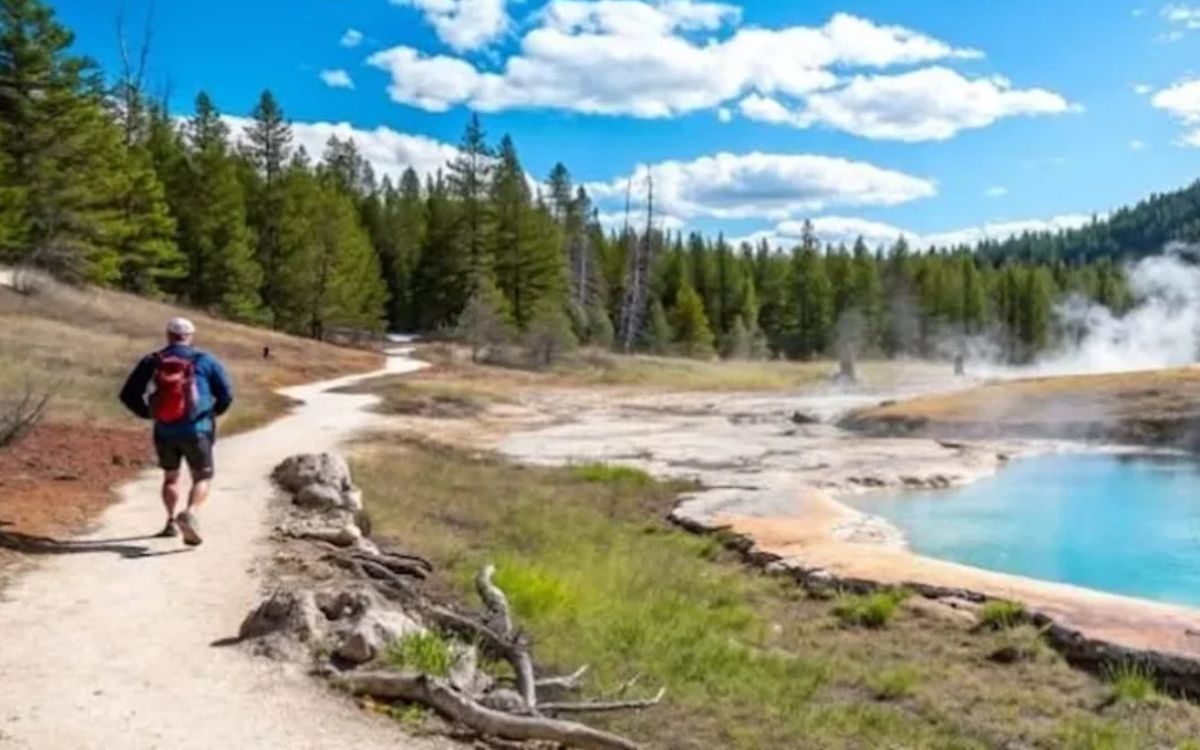

An AI landmark listed by Tasmania Tours, the so-called Weldborough Hot Springs, has sparked confusion, road trips, and more than a few awkward pub conversations.
It was marked online as a ‘peaceful escape’ in Australia’s most southern state, offering a ‘secluded forest retreat’ and mineral-rich pools.
The description painted it as one of Tasmania’s must-visit natural wonders.
There was just one small problem: they weren’t real.
DISCOVER SBX CARS – The global premium auction platform powered by Supercar Blondie
Relying on AI for marketing can be problematic
Instead of soaking in steamy bushland pools, hopeful travellers have been arriving at the Weldborough Hotel, about two hours north-east of Launceston, asking locals how to find the hot springs.
According to ABC, local pub owner Kristy Probert became the unofficial spokesperson for a place that doesn’t exist.
She had to field daily phone calls and face-to-face questions, including from a group of 24 mainland visitors who detoured specifically for a dip.
“The Weld River is freezing cold,” she said.
Probert even joked that visitors are more likely to find sapphires than hot water in the AI landmark.
The fictional springs appeared in blog posts on the Tasmania Tours website, which featured AI-generated articles and images promoting destinations around the state.
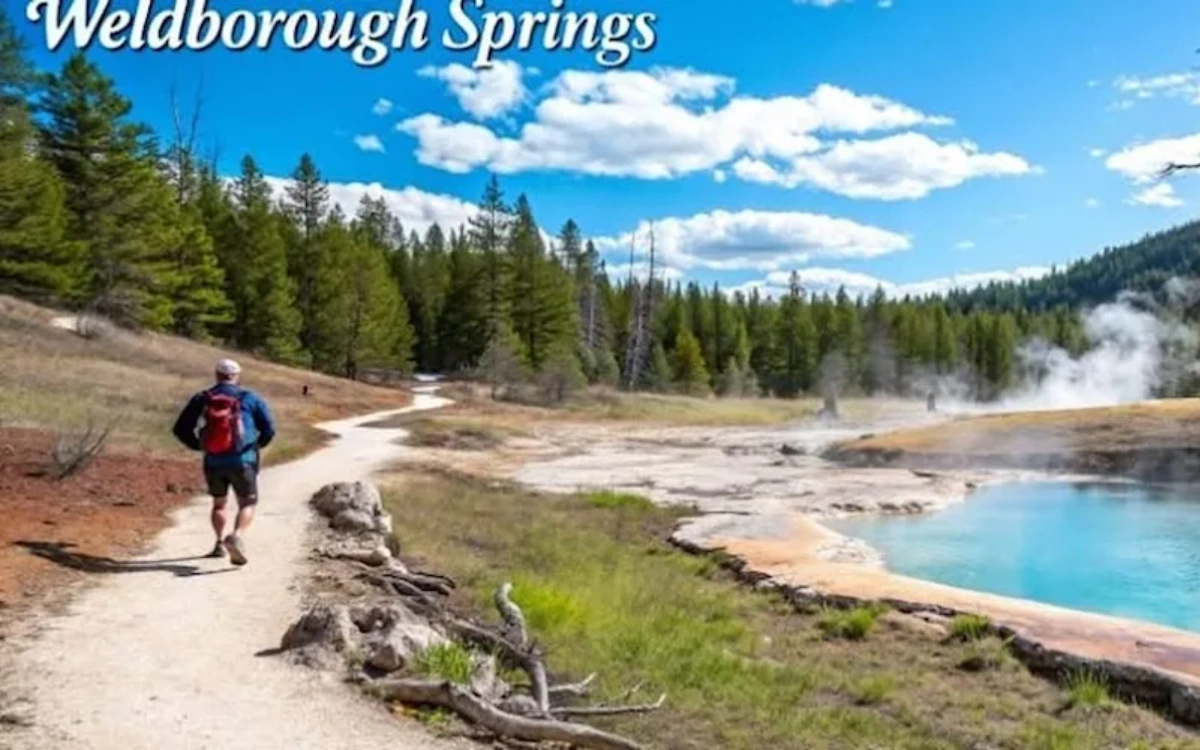
Owner Scott Hennessy later admitted that their AI had ‘messed up completely,’ explaining that outsourced marketing content had accidentally gone live without proper review.
He said that the posts have now been removed, and stressed that the business itself is legitimate, just overly enthusiastic in its embrace of technology.
Click the star icon next to supercarblondie.com in Google Search to stay ahead of the curve on the latest and greatest supercars, hypercars, and ground-breaking technology
It’s increasingly common to fall prey to an AI landmark
Experts say that the situation is a classic case of ‘AI hallucination’, when generative AI models confidently produce false information that appears plausible.
Unfortunately, the Weldborough saga is not unique.
Elsewhere, AI-generated travel guides have also sent tourists on a wild goose chase.
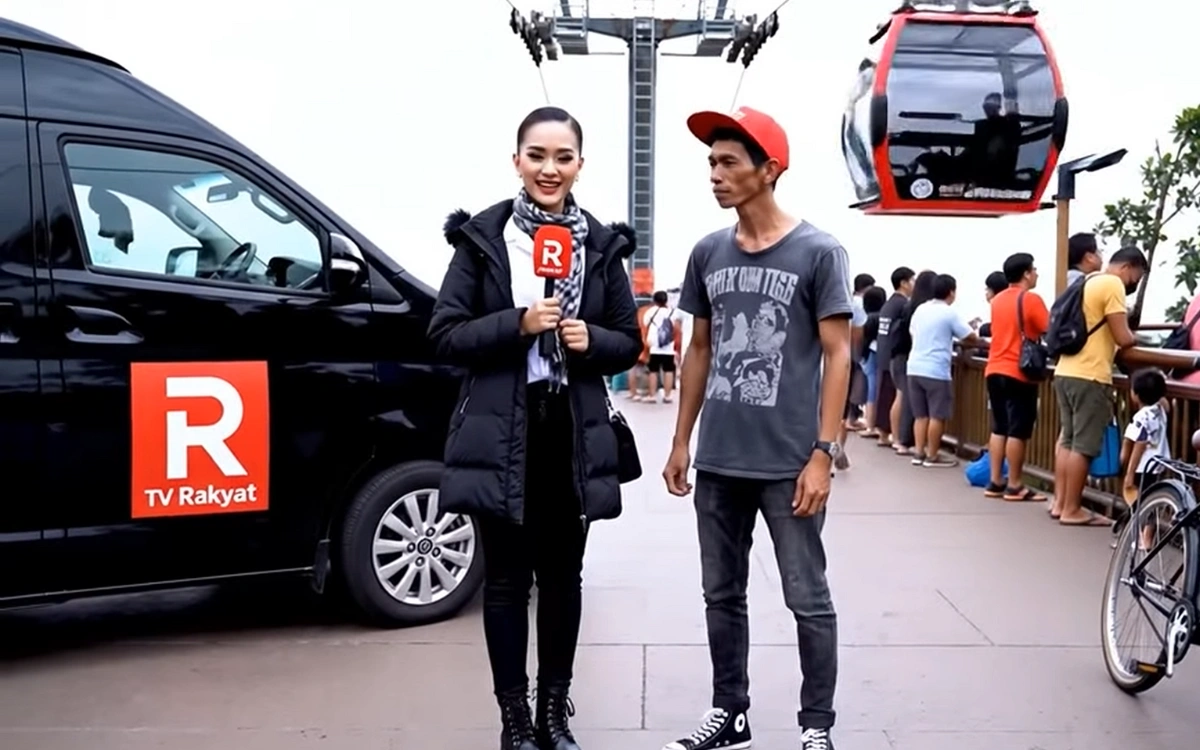
In Malaysia, an elderly couple traveled more than 300km (186 miles) across the country to take a cable car ride, only to realize the ride didn’t exist.
They were fooled by an AI-generated video trending on social media, which came complete with a fake ‘reporter’ for legitimacy.
This isn’t just a harmless prank either.
Miguel Angel Gongora Meza, founder of Evolution Treks Peru, recently told BBC about a pair of tourists that fell prey to AI travel plans.
According to him, he encountered the duo excitedly talking about their plans to hike alone in the mountains to the ‘Sacred Canyon of Humantay’.
As you would expect by now, the place didn’t actually exist.
And not only did the tourists face a monetary loss of nearly $160, the elevation and climate changes in the region also meant that they could have lost their lives without a guide.
While AI-generated travel guides are certainly a problem, situations like the Weldborough Hot Springs are a wake-up call.
As AI tools become a bigger part of everyday life, people are being urged to double-check their sources, rather than blindly trusting AI.
DISCOVER SBX CARS: The global premium car auction platform powered by Supercar Blondie