Toyota lets visitors experience hydrogen vehicles at its massive 12,000-acre Arizona proving ground
Published on Dec 21, 2025 at 11:09 PM (UTC+4)
by Alessandro Renesis
Last updated on Dec 19, 2025 at 6:27 PM (UTC+4)
Edited by
Mason Jones

Some automakers ignore hydrogen altogether, while others – like Toyota – think it’s the best thing since sliced bread, which probably explains why they built an entire facility in Arizona dedicated to FCEV.
FCEV (fuel cell electric vehicles) are the way to go, according to the Japanese automaker.
And the company put its money where its mouth has always been.
Because this facility is much, much bigger than you can imagine.
DISCOVER SBX CARS: The global premium car auction platform powered by Supercar Blondie
How do hydrogen cars actually work?
Most people call them hydrogen cars because it’s just easier but that’s perhaps an oversimplification.
Hydrogen cars, with exceptions, are still electric cars.
The key difference is that most EVs are powered by batteries, whereas a hydrogen car is powered by fuel cells.
These fuel cells are replenished with compressed hydrogen, and that’s where power comes from.
Pros? Two.
Hydrogen doesn’t need to be mined, which makes it (theoretically) easier to source than lithium batteries.
The second advantage is the fact that charging a fuel cell vehicle takes seconds or minutes, while charging a battery electric vehicle still takes longer.
Cons? Some people would probably say there’s more than one.
Hydrogen may be the most abundant element in the universe, but turning it into usable fuel is not easy or cheap.
And finding a charging station is still a huge problem, especially in some areas.
Still, Toyota is clearly determined to go down this road.
The Japanese automaker even built an entire proving ground specifically for this reason
Inside the massive facility built by Toyota
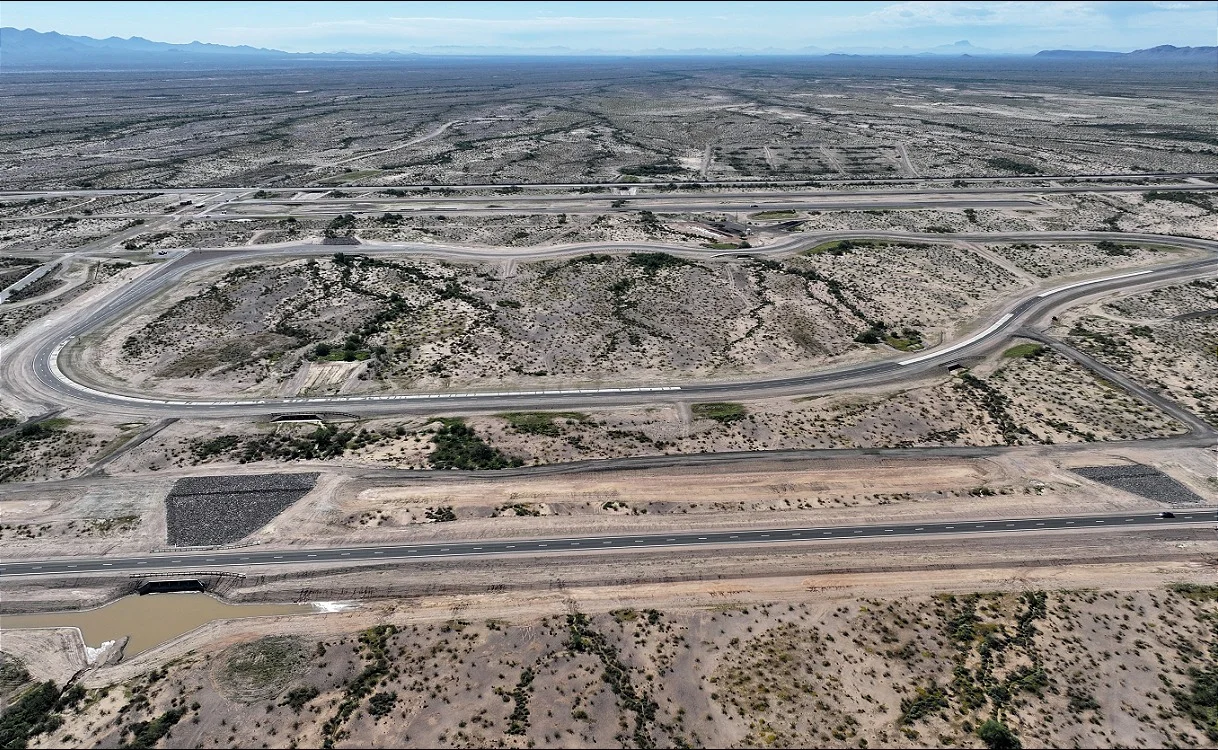
Toyota built a massive 12,000-acre proving ground in the middle of nowhere in Arizona.
Known as ‘Arizona Proving Grounds’, the idea is to use the facility to develop hydrogen cars, and it also serves as a testing hub for Toyota engineers, media people, and visitors.
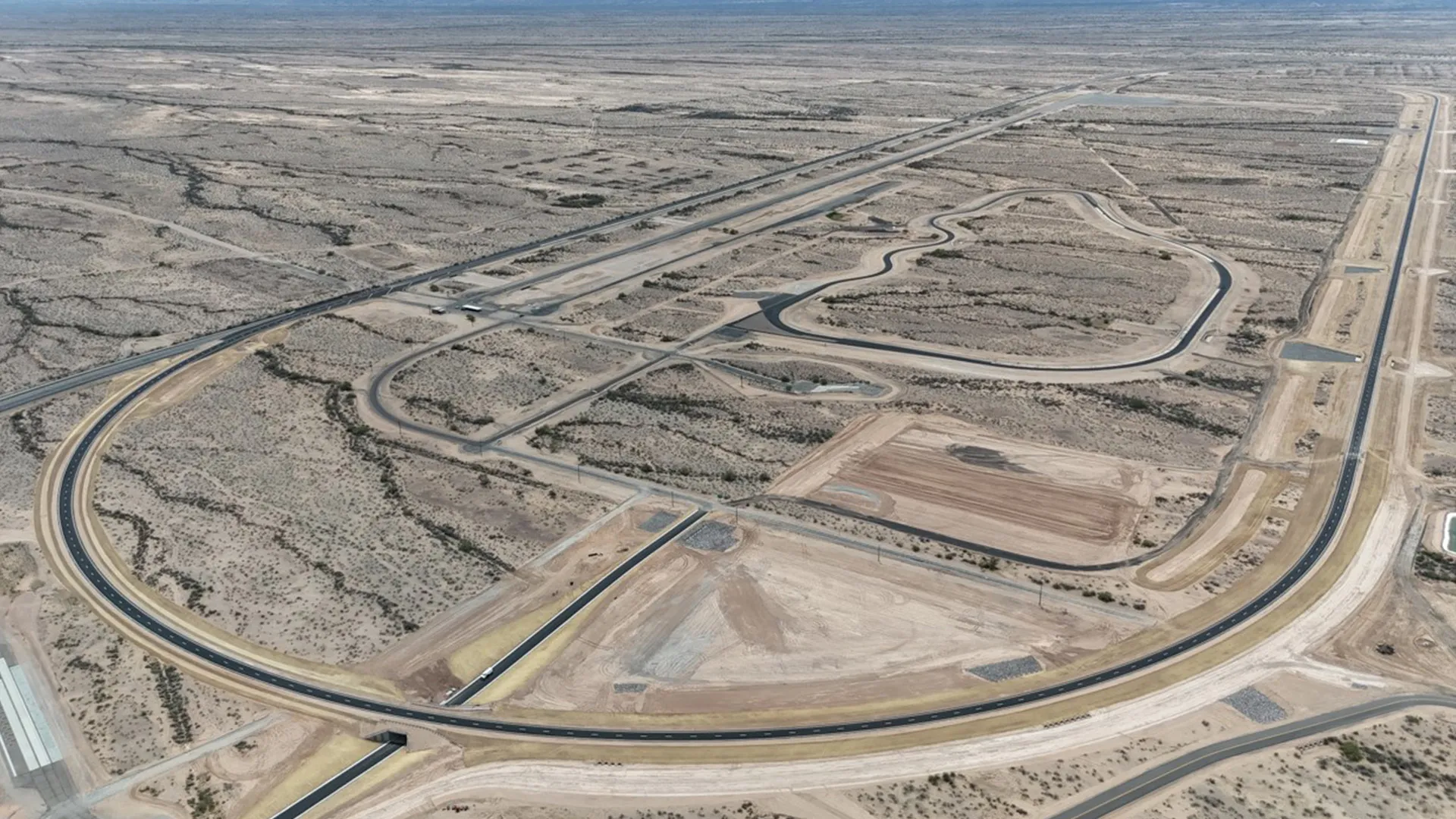
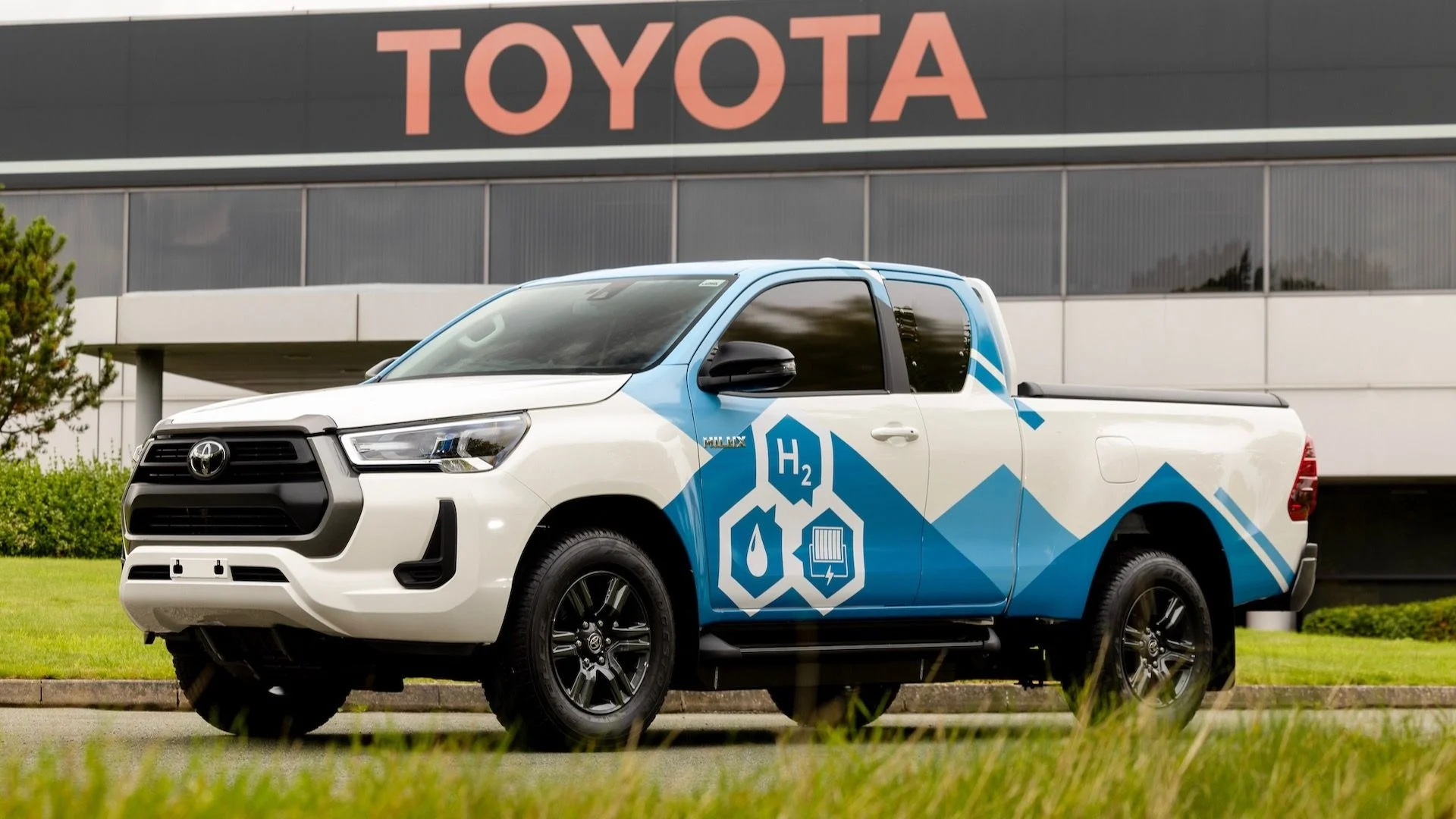
There are a few different vehicles available, including the Mirai, the Tacoma H2 Overlander, and a fuel-cell semi-truck capable of 400 miles of range while hauling 80,000 pounds.
They even made a Tundra-based mobile generator that produces potable water and operates silently.
The fact that Toyota built an entire facility just so it could test these vehicles tells you everything you need to know about their belief in this technology.
Timeline of hydrogen cars
1807: French-Swiss inventor François Isaac de Rivaz builds the first hydrogen-oxygen car prototype
1860: Belgian engineer Étienne Lenoir builds the first production hydrogen vehicle, the ‘Hippomobile’
1966: General Motors unveils the Chevrolet Electrovan – the world’s first fuel-cell vehicle
1992: Toyota begins developing FCEV (fuel cell electric vehicles)
2002: Toyota and Honda introduce FCEVs, exclusively available in ‘Beta’ mode in Japan and California
2008: Honda launches the FCX Clarity, the first ‘true’ production FCEV
2014: Toyota introduces the Mirai, the first FCEV available worldwide
2024: Honda begins production of the CR-V e:FCEV, a hybrid vehicle combining batteries and fuel cells
After beginning his automotive writing career at DriveTribe, Alessandro has been with Supercar Blondie since the launch of the website in 2022. In fact, he penned the very first article published on supercarblondie.com. He’s covered subjects from cars to aircraft, watches, and luxury yachts - and even crypto. He can largely be found heading up the site’s new-supercar and SBX coverage and being the first to bring our readers the news that they’re hungry for.