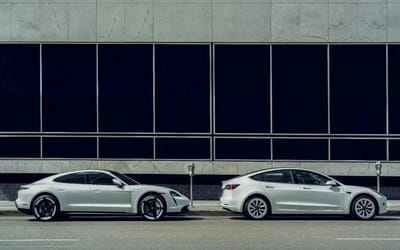
Toyota is turning its electric BZ4X into a giant battery to save your home during a blackout
Published on Jan 09, 2026 at 12:15 AM (UTC+4)
by Molly Davidson
Last updated on Jan 09, 2026 at 1:09 PM (UTC+4)
Edited by
Mason Jones

Toyota is rethinking what an electric car is actually for.
Not just getting you from A to B, not just cutting emissions or ticking regulatory boxes.
The company is now seriously looking at EVs as backup power sources – the kind that matter when the grid goes down.
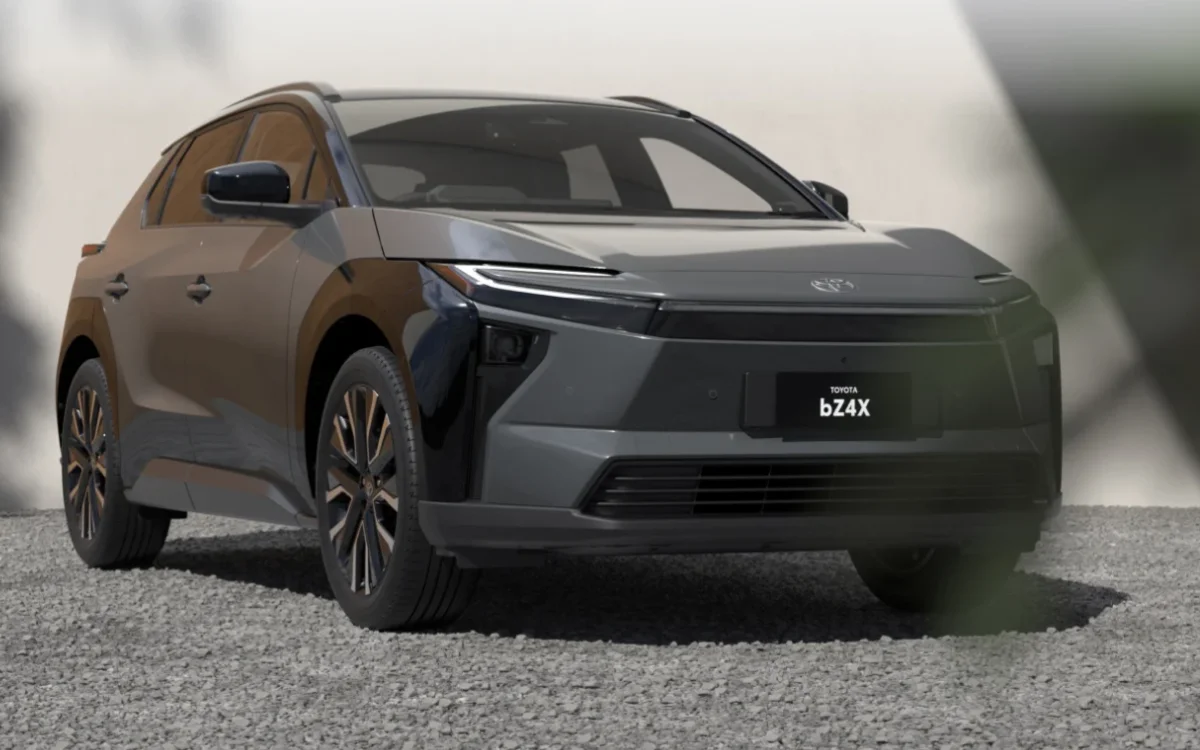
And its electric bZ4X is at the center of that idea.
DISCOVER SBX CARS – The global premium auction platform powered by Supercar Blondie
How Toyota plans to turn the bZ4X into a backup battery for your home
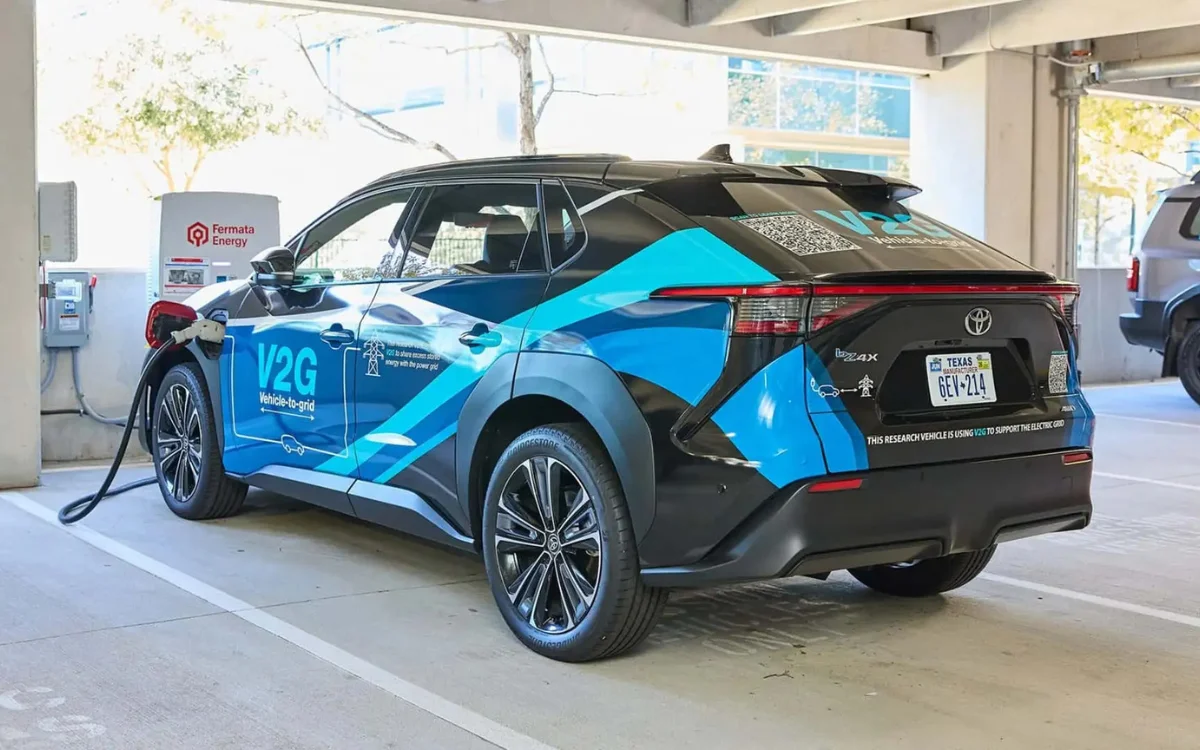
At its North American headquarters in Plano, Texas, Toyota is running real-world experiments that flip the normal EV rulebook.
Usually, cars take electricity from the grid and that’s the end of the relationship.
Toyota is testing what happens when the car gives power back.
The pilot uses a Japanese-spec Toyota bZ4X hooked up to a bidirectional charger from Fermata Energy, working with Texas utility Oncor.
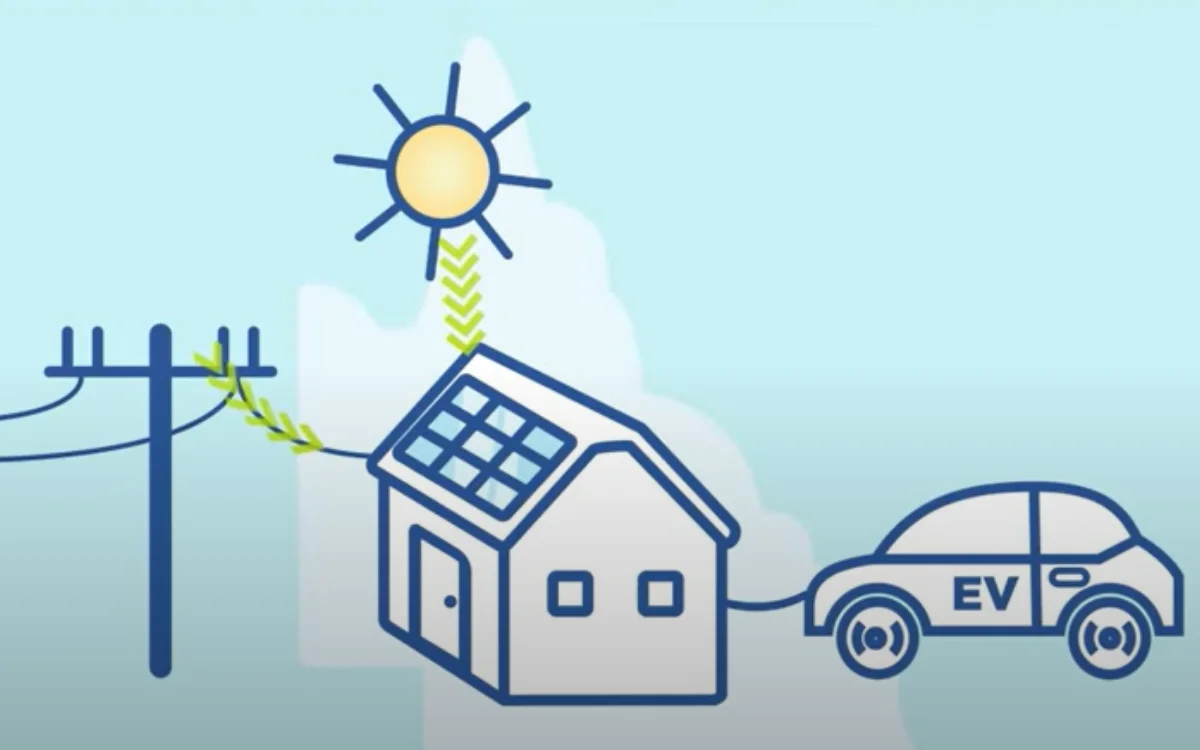
Translation: the charger lets electricity flow both ways, not just into the car.
Smart software watches electricity prices and grid stress in real time.
When demand is low and power is cheap, the bZ4X charges up.
When demand spikes – or when the grid struggles – the car can send energy back out.
Eventually, that power could go straight into your house during a blackout.
This matters because the power grid is under pressure.
Extreme heat, stronger storms, aging equipment, and energy-hungry data centers are all piling on at once.
Blackouts are becoming less of a rare emergency and more of a summer personality trait.
Toyota says EVs could actually help.
A lot.
The company estimates that the four million EVs already on US roads could collectively deliver energy equal to about 40 nuclear power reactors.
That’s serious grid muscle just sitting in driveways and parking lots.
For drivers, the appeal goes beyond emergency lights and running the fridge.
This setup could let owners charge when electricity is cheap, store that energy, and use it later when prices jump.
Toyota also says spreading demand like this could reduce strain on transformers and power lines, which saves money in the long run.
Toyota Motor North America senior vice president of enterprise strategy and solutions Christopher Yang summed it up neatly, calling bidirectional charging a ‘win-win’ for drivers, communities, and the grid.
Why automakers are suddenly treating EVs like energy infrastructure
A few years ago, EVs were seen as a headache for utilities.
Too many people charging at once?
Bad news.
Now that thinking has flipped.
Since cars spend most of their lives parked, they’re basically giant batteries doing nothing.
And utilities love unused batteries.
Some automakers already sell vehicles with vehicle-to-grid capability, even if most owners aren’t using it yet.
Toyota doesn’t offer it to customers today, which is why these pilot programs matter.
This is the homework phase.
If it works, EV ownership changes shape.
Your car isn’t just transportation anymore, it’s backup power, it’s grid support.
It’s emergency insurance with wheels.
And when the lights go out, that might matter more than range, screens, or how fast it gets to 60.
DISCOVER SBX CARS: The global premium car auction platform powered by Supercar Blondie
With roles at TEXT Journal, Bowen Street Press, Onya Magazine, and Swine Magazine on her CV, Molly joined Supercar Blondie in June 2025 as a Junior Content Writer. Having experience across copyediting, proofreading, reference checking, and production, she brings accuracy, clarity, and audience focus to her stories spanning automotive, tech, and lifestyle news.