We've driven the Toyota Mirai to find out the truth about hydrogen cars
- We drove the hydrogen-powered Toyota Mirai
- It’s just as smooth and nippy as any other electric sedan
- It charges faster, but there’s a catch
Published on Nov 04, 2024 at 10:26 AM (UTC-5)
by Alessandro Renesis
Last updated on Nov 05, 2024 at 5:53 AM (UTC-5)
Edited by
Tom Wood
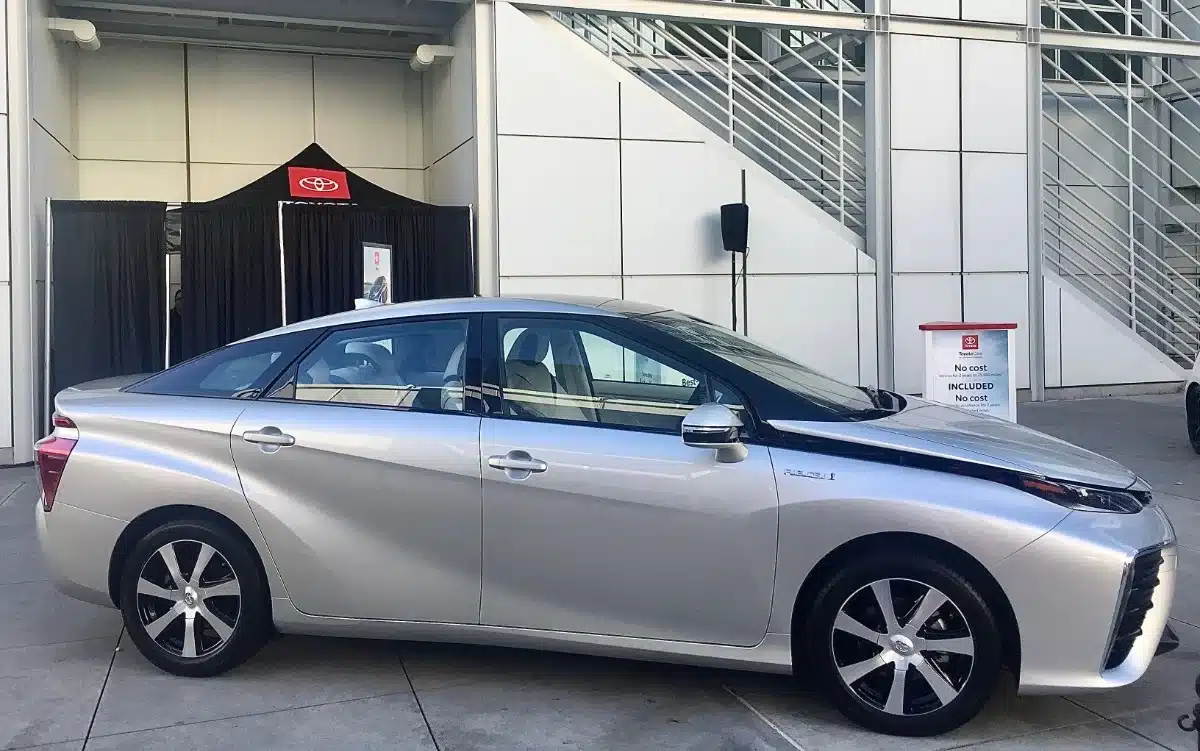

We got behind the wheel of the Toyota Mirai to find out more about why everyone seems to be talking about hydrogen cars at the moment.
Hydrogen cars are all the rage at the minute.
Everyone’s talking about them, and many are wondering why we aren’t doing more to adopt those instead of battery vehicles.
Well, during our test, Toyota North America may have (accidentally?) explained the biggest reason why.
DISCOVER SBX CARS: The global premium car auction platform powered by Supercar Blondie
What does the Toyota Mirai feel like to drive?
One of the most common misconceptions about hydrogen cars is that hydrogen replaces the engine – it doesn’t.
Instead, hydrogen fuel cells replace batteries, but the engine of a hydrogen car, with exceptions, is generally always electric.
The Toyota Mirai, for example, is the world’s best-selling hydrogen car, and it uses an electric motor, which is powered by hydrogen fuel cells instead of batteries.
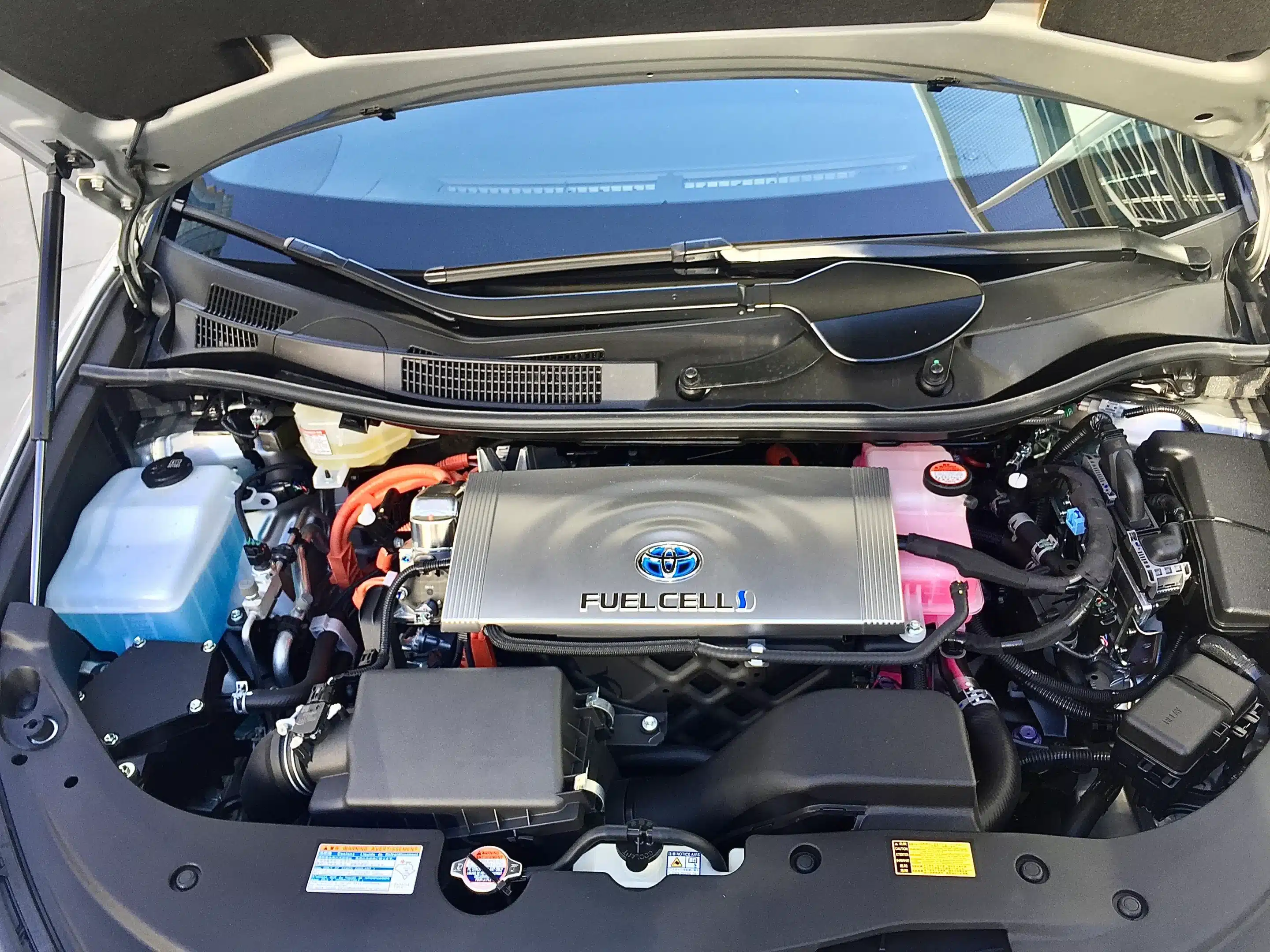
As a result, the Toyota Mirai feels largely the same as any other EV to drive.
It’s comfortable, very smooth, and quite nippy.
Toyota says it does 0-60mph in 7.6 seconds, which is not bad for an 182-horsepower car.
It’s not a race car, but it’s no slouch either.

Why hydrogen cars aren’t more popular
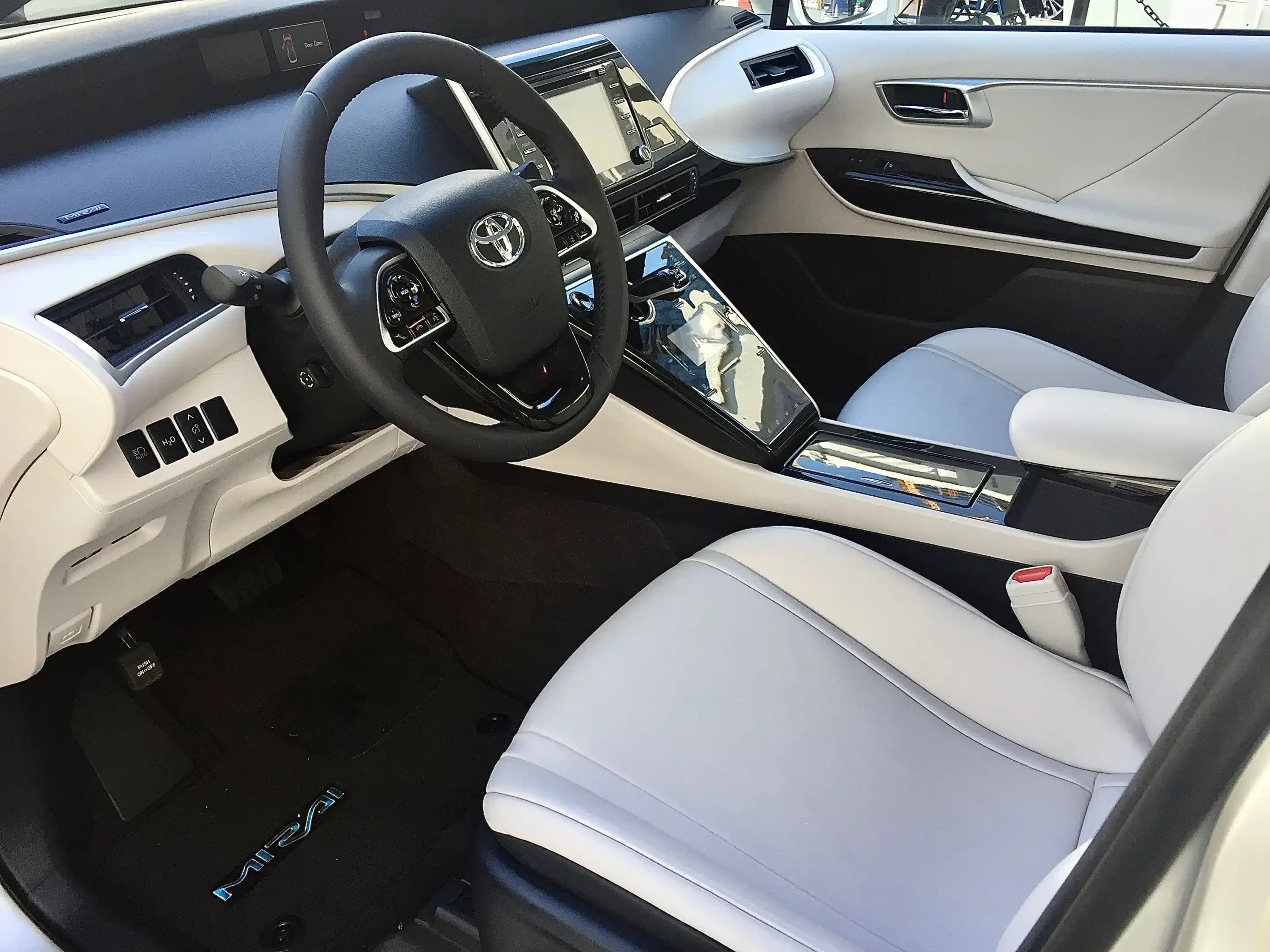
Hydrogen cars, also known as FCEVs (Fuel Cell Electric Vehicles) have two clear advantages over battery-powered electric vehicles.
First, charging only takes a few minutes, not half an hour or more.
Second, hydrogen, unlike for example the lithium and cobalt that are used to manufacture batteries, doesn’t need to be mined or sourced.
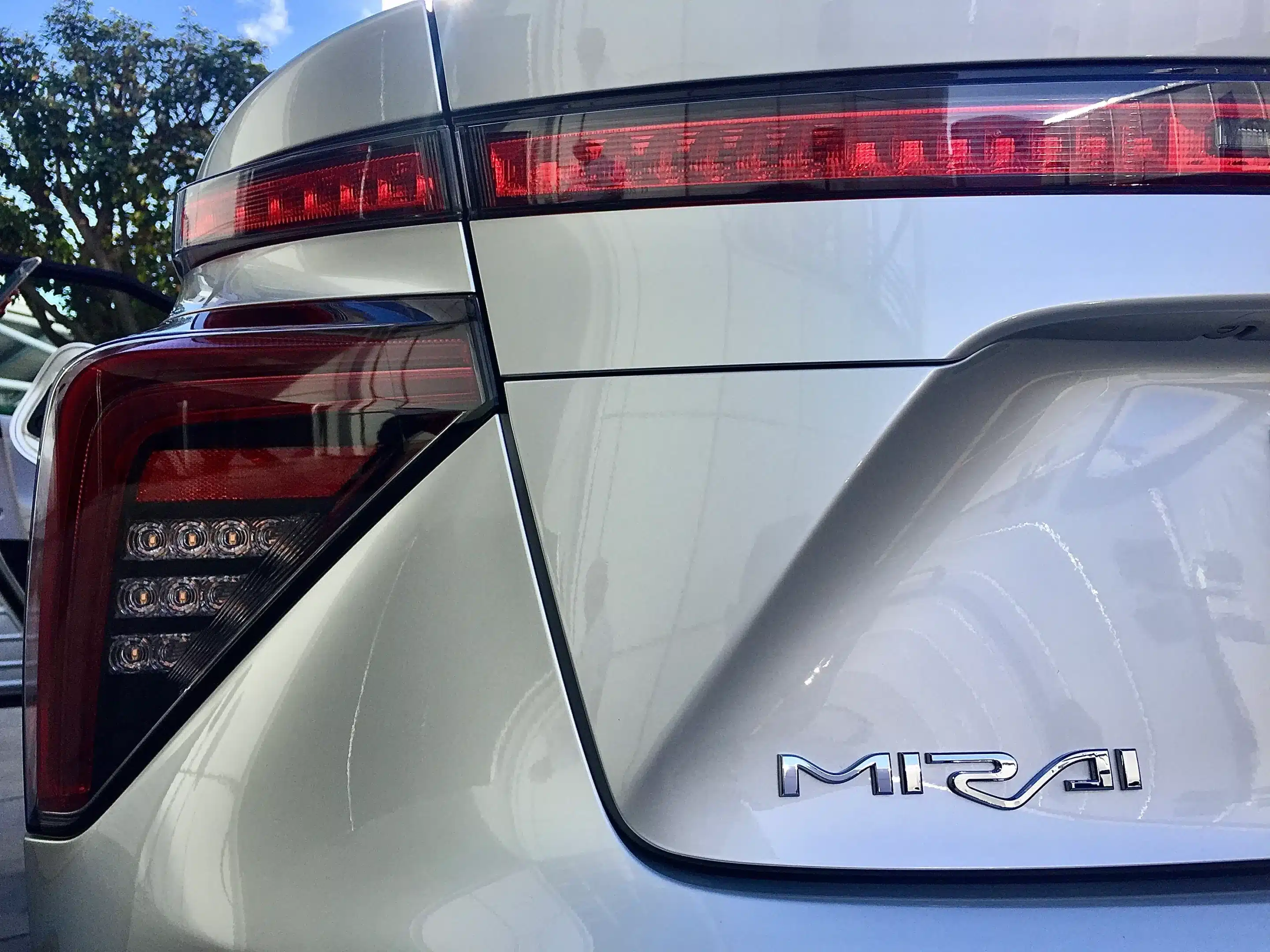
But this brings us on to what is probably the main reason why FCEVs aren’t catching on.
It may also explain why the Mirai is one of only four FCEVs currently in production, along with the Honda CR-V e:FCEV, the Hyundai Nexo, the BMW iX Hydrogen.
The range isn’t always that great, for example one Toyota Mirai owner said $90 at the ‘pump’ only got him 176 miles, and certainly doesn’t help.
But there’s something else.
Another problem that’s even bigger.
When the PR person from Toyota North American explained the process required to turn hydrogen into fuel, it gave us a collective headache.
In order to create a BEV, automakers battery manufacturers use a system that’s more or less tried and tested, and it is also a system that’s quickly getting more efficient.
By contrast, compressing, pressurizing and cooling down hydrogen, storing it in tanks, manufacturing fuel cells is still very expensive and even more complicated.
If you’re thinking the government’s push towards BEVs rather than FCEVs has something to do with it – well – you’re not alone.
Toyota said pretty much the same thing.
Alessandro is an automotive journalist with 10 years of experience covering supercars, automotive history, emerging vehicle technology, and luxury transportation. He wrote the first article published on SupercarBlondie.com when the website launched in 2022 and has since built a reputation for insightful reporting across the automotive and transportation industries. His expertise is grounded in hands-on experience. Alessandro has driven every Tesla model ever produced, from the original Roadster to the Cybertruck, and regularly covers the latest developments in electric vehicles and automotive innovation. His passion for transportation extends beyond cars, he has even flown a Boeing 787 Dreamliner simulator in Addis Ababa, Ethiopia. His reporting spans everything from classic American muscle cars and rare automotive discoveries to luxury yachts, private aircraft, high-end watches, and cutting-edge vehicle technology. Known for his deep knowledge of automotive history and ability to uncover the stories behind iconic vehicles, Alessandro brings readers a blend of historical context, technical expertise, and first-hand experience.