Traffic lights used to only have two colors and they used loud buzzers to warn drivers to stop
Published on Jan 06, 2026 at 10:21 AM (UTC+4)
by Jason Fan
Last updated on Jan 06, 2026 at 3:40 PM (UTC+4)
Edited by
Mason Jones

Yellow traffic lights are such a normal part of daily driving that most of us never stop to wonder why they exist at all.
But for the earliest motorists, intersections were far more confusing than they are now.
Long before yellow traffic lights calmly warned drivers to slow down, traffic signals relied on just red and green, often paired with bells or buzzers to signal danger.
The familiar three-color system we take for granted was actually born largely out of necessity (and noise complaints).
SBX CARS – View live supercar auctions powered by Supercar Blondie
Yellow traffic lights were born in Detroit
The very first traffic signals appeared in the late 19th and early 20th centuries, well before cars dominated city streets.
Early systems were designed for pedestrians, horse-drawn carriages, and trains, not speeding automobiles.
Some used gas lamps, while others relied on mechanical arms.
Many also included audible warnings, like whistles, bells, or buzzers, to alert people when it was time to stop.
These signals were initially effective, although far from elegant.
But they didn’t scale well as traffic volumes exploded.
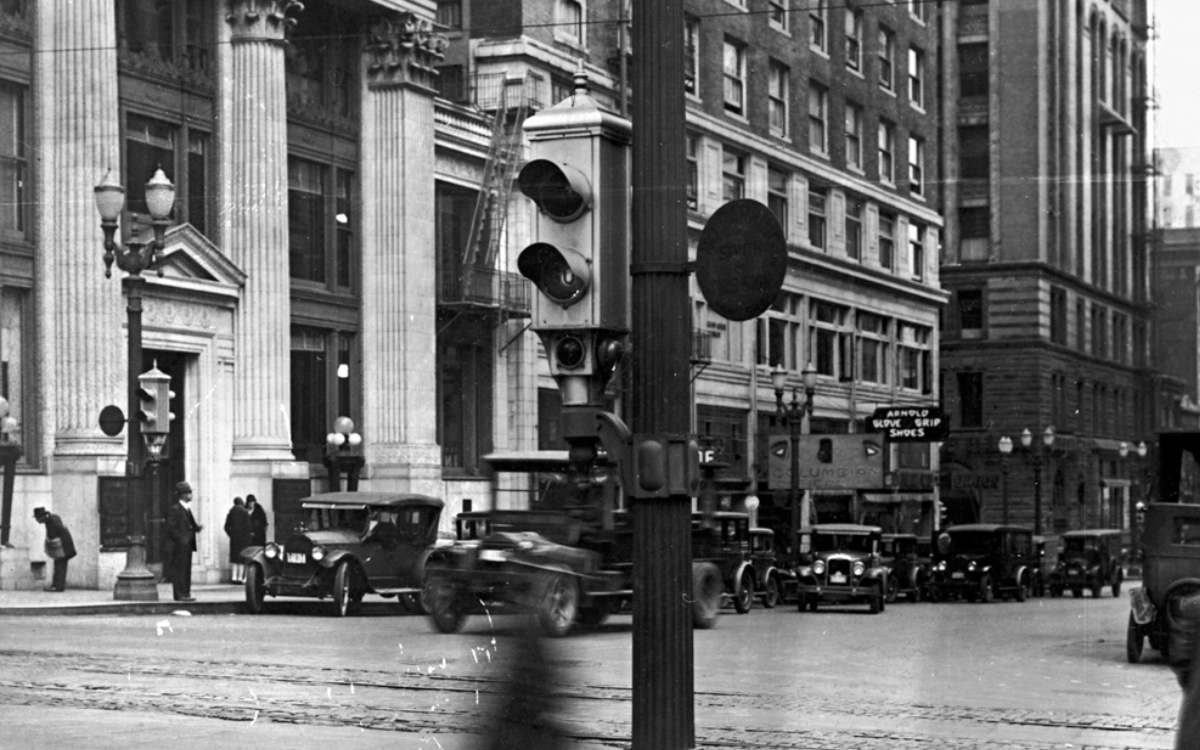
As cars became faster and more common, a serious problem emerged: drivers had no warning that a green light was about to turn red.
The sudden switch caused confusion, panic stops, and frequent collisions at busy intersections.
Enter William Potts, a Detroit police officer and traffic engineer who would forever change the way the world moves.
In 1920, Potts introduced the first yellow traffic light, adding it as a transitional signal between green and red.
The circumstances behind the invention were very practical.
Detroit was booming thanks to the auto industry, and intersections were becoming increasingly dangerous.
Potts realized that drivers needed a visual ‘heads-up’ instead of a jarring buzzer or an instant stop command.
Borrowing the idea from railroad signaling, which already used red, green, and yellow, he created the first three-color, four-way electric traffic signal.
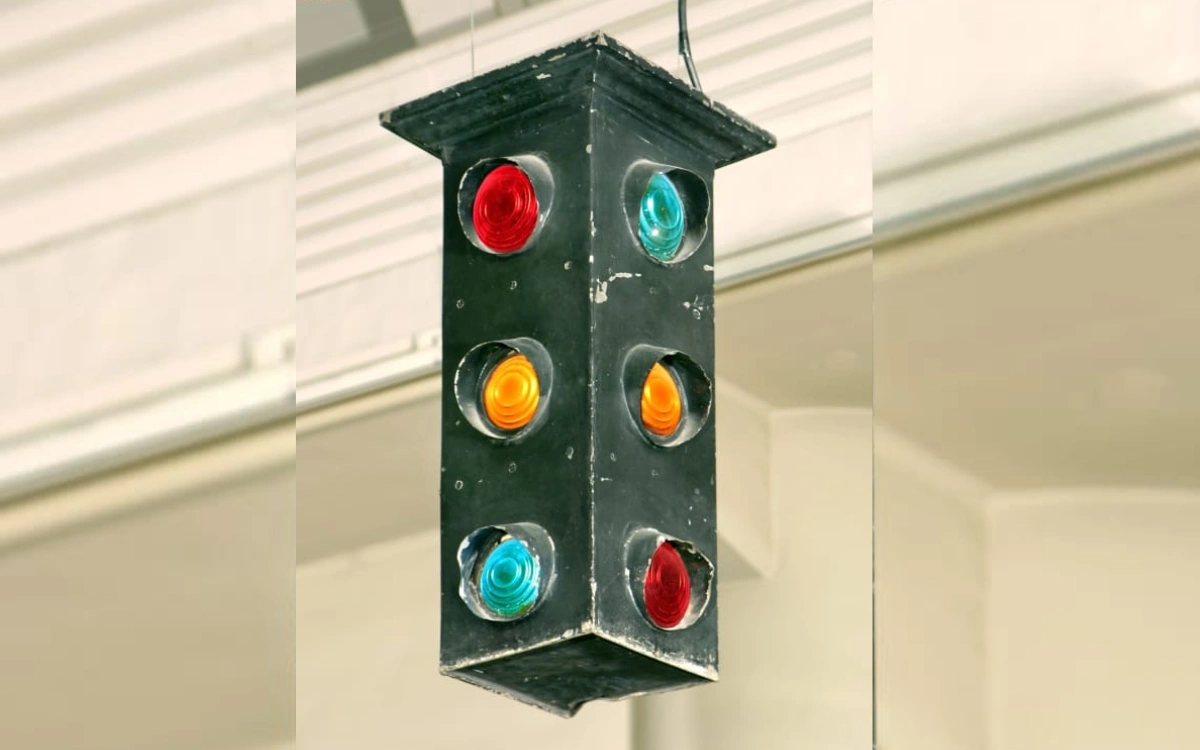
The yellow light told drivers to slow down, not slam on the brakes.
The idea caught on quickly.
Yellow lights reduced crashes, eliminated the need for noisy alarms, and made intersections more predictable.
By the 1930s, three-color traffic signals had spread across the United States and beyond, becoming the global standard.
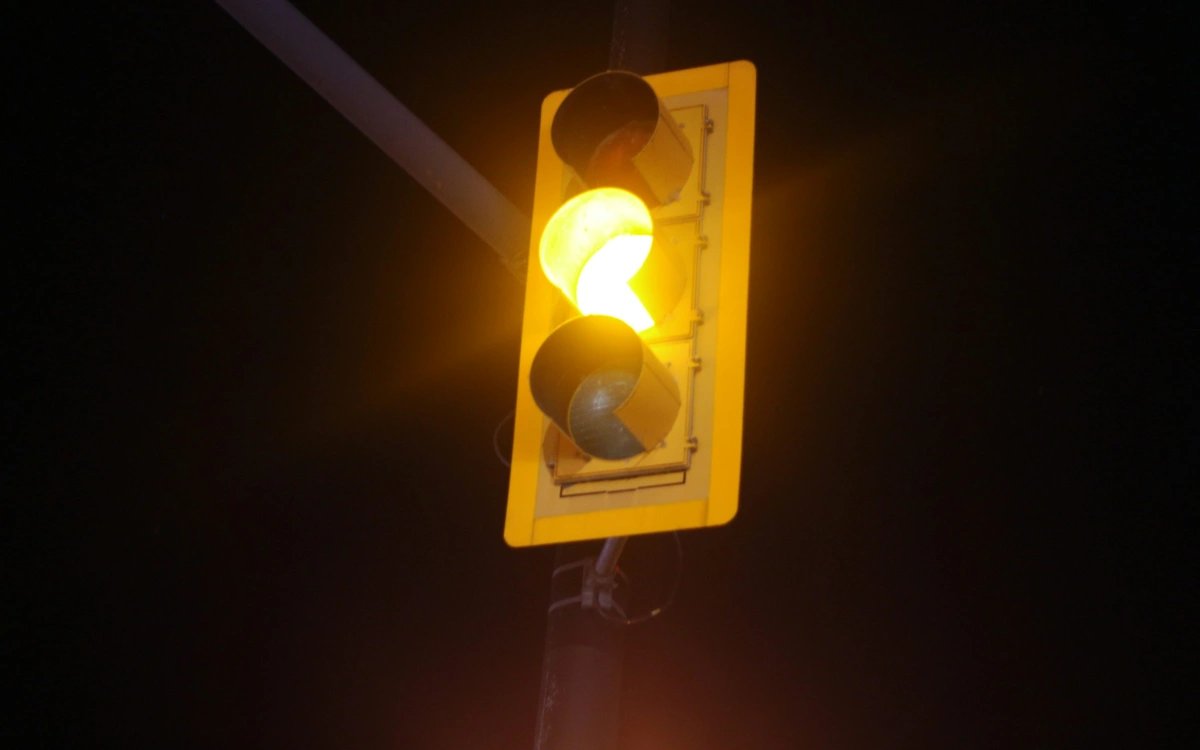
The buzzing bells and mechanical contraptions faded into history.
The tri-color system might finally be facing changes
While tri-color traffic signals have become the norm, not every country uses the same three colors.
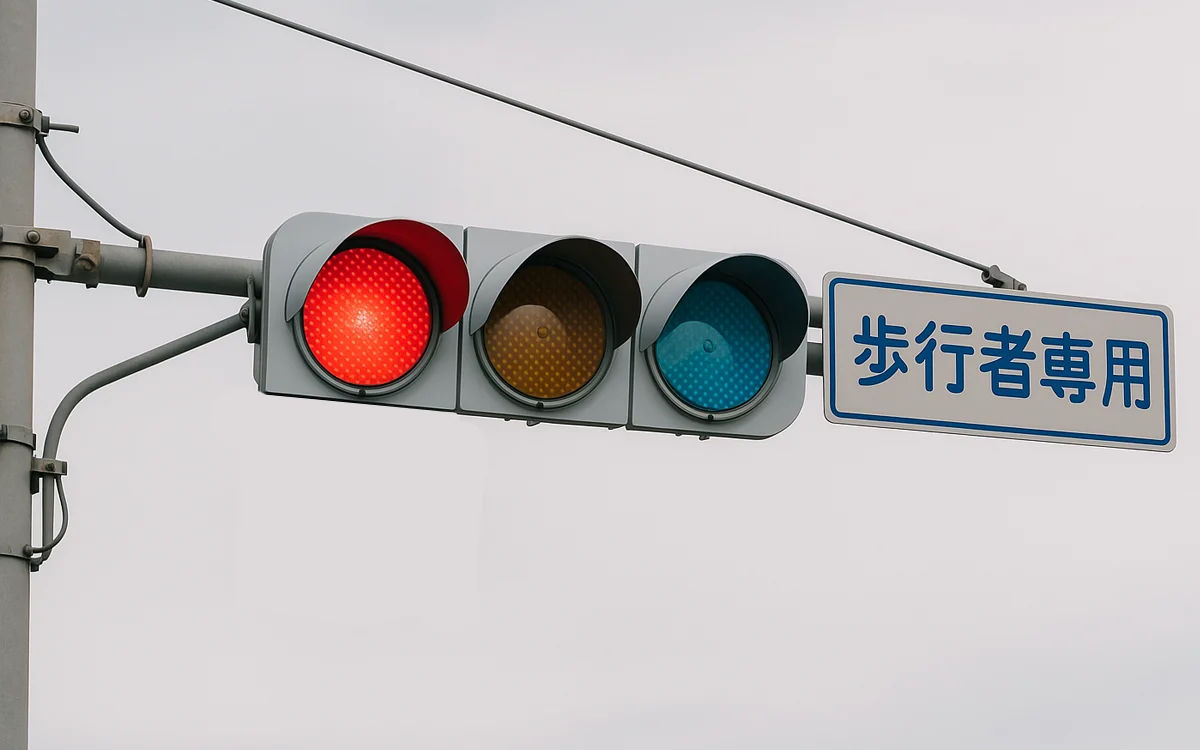
Today’s traffic lights have also become smarter, with plenty of sensors that make it confusing for people to understand how they work.
Despite the new innovations, the yellow light remains unchanged in purpose.
However, there might even be a new color added to traffic lights soon, more than a hundred years after the first tri-colour traffic signal was invented.
When that happens, it will truly be the start of a new era.
DISCOVER SBX CARS: The global premium car auction platform powered by Supercar Blondie