The true story behind Lamborghini and how Ferrari's rejection created a supercar empire
Published on May 23, 2026 at 6:07 PM (UTC-4)
by Alessandro Renesis
Last updated on May 23, 2026 at 6:07 PM (UTC-4)
Edited by
Emma Matthews

It’s often forgotten, but Ferrari essentially created Lamborghini as we know it today.
Enzo Ferrari was a genius and a visionary, but he wasn’t an easy person to deal with.
And Ferruccio Lamborghini found that out the hard way.
The irony is that, in hindsight, Ferrari’s harsh rebuff was the spark that ignited the Lamborghini empire.
It all started with a polite request from Lamborghini
Imagine being a professional athlete and having a rival you don’t really like.
You excel at the same sport, competing for the same contracts and sponsorships in a constant, neck-and-neck battle where you never quite lose, but you never clearly win either.
Now, imagine realizing that you are the reason this rival became so formidable.
That’s more or less what happened between Ferrari and Lamborghini.
Ferrari and Lamborghini have a lot in common.
Separated by less than 20 miles of Italian countryside, the headquarters of these two companies were founded within a stone’s throw of one another, fueling a local grudge that went global.
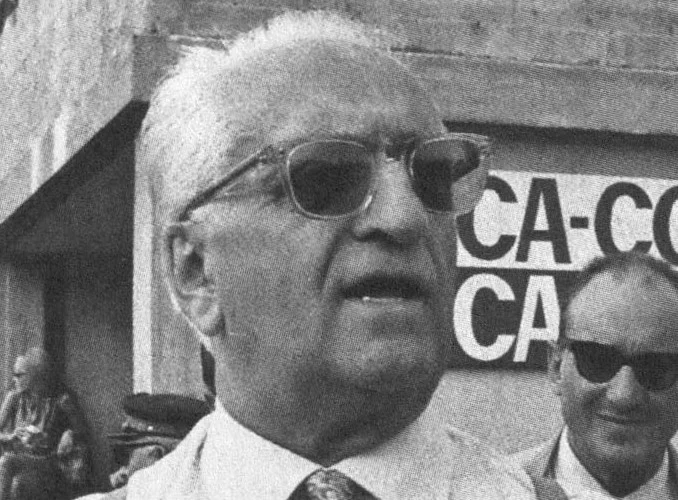
After WWII, Enzo Ferrari, pictured above, went back to making race cars, and Ferruccio Lamborghini went back to making tractors.
But the tractor business was booming, and Ferruccio did the thing most rich people do and bought himself a Ferrari.
The car was impressive, but Lamborghini felt it could be improved – and he decided to tell Enzo exactly how.
Enzo didn’t take it well.
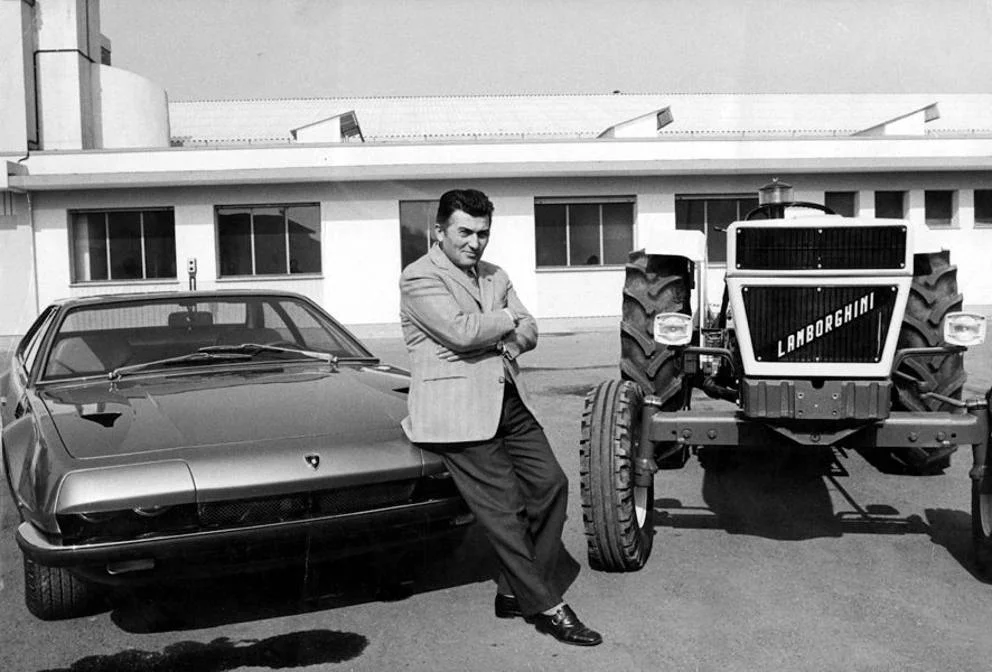
When Ferruccio, pictured above, approached Enzo Ferrari with his critique, Enzo famously responded with mockery.
Legend has it Enzo dismissed him with a stinging remark.
“You are a tractor driver, you are a farmer. You shouldn’t complain about driving my cars because they’re the best cars in the world,” Enzo reportedly told him.
In hindsight, it was a mistake.
Related
Enter the Lamborghini 350 GT: the car that started it all
Ferruccio was both infuriated and insulted, and so he decided to do something about it: time to build his own supercar.
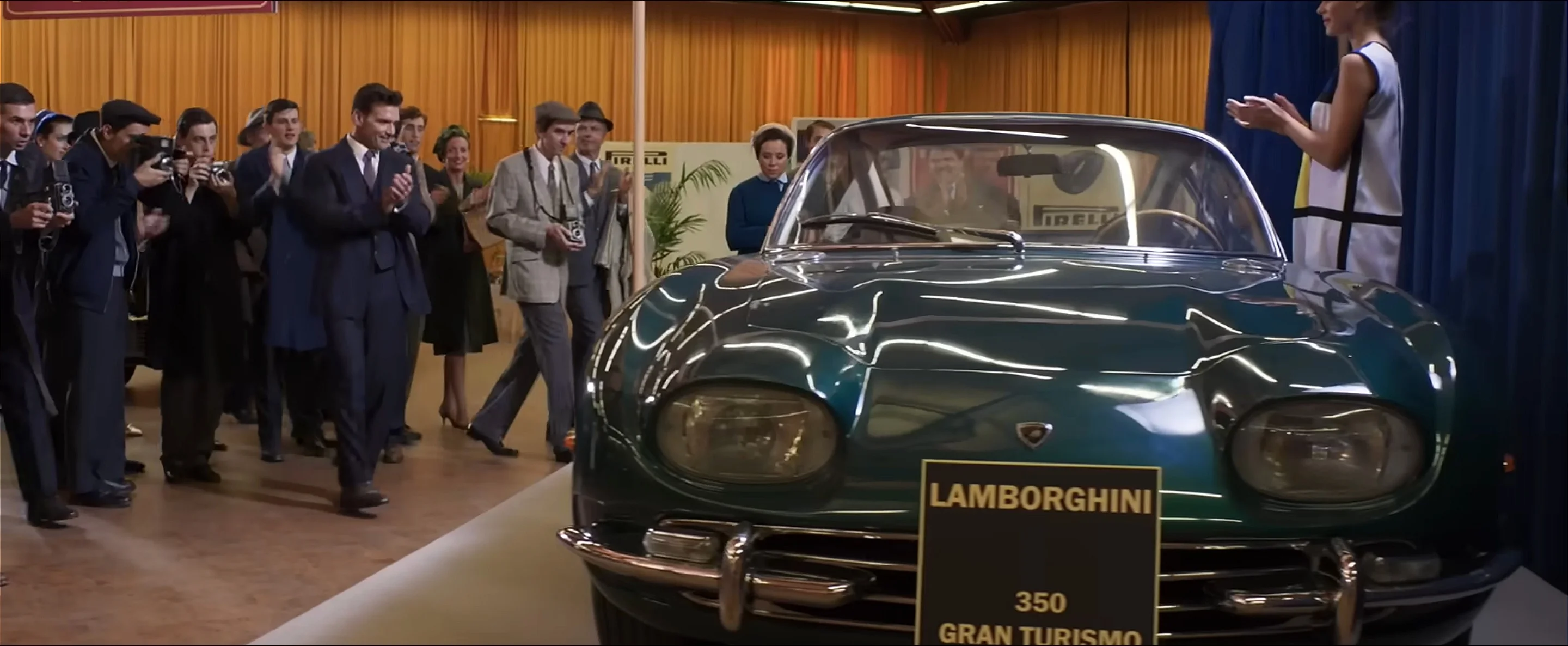
Powered by a V12 and engineered by Giampaolo Dallara, the 350 GT was a 280hp grand tourer that gave rival Ferraris a run for their money.
When it was introduced at the 1964 Geneva Motor Show, Enzo couldn’t believe his eyes.
The car was a huge hit.
It put the company on solid financial ground after a few shaky years and placed Ferruccio Lamborghini firmly on the map.
But Lamborghini was only getting started.
Following the 350 GT and its successor, the 400 GT, Lamborghini unveiled the Miura in 1966.
The Miura remains one of the most beautiful cars ever designed and, more importantly, it is widely recognized as the world’s first true ‘supercar’.
If there’s a heaven for legendary founders, we’re willing to bet Enzo and Ferruccio are still arguing over the new Ferrari 12Cilindri and its rival, the Lamborghini Revuelto.
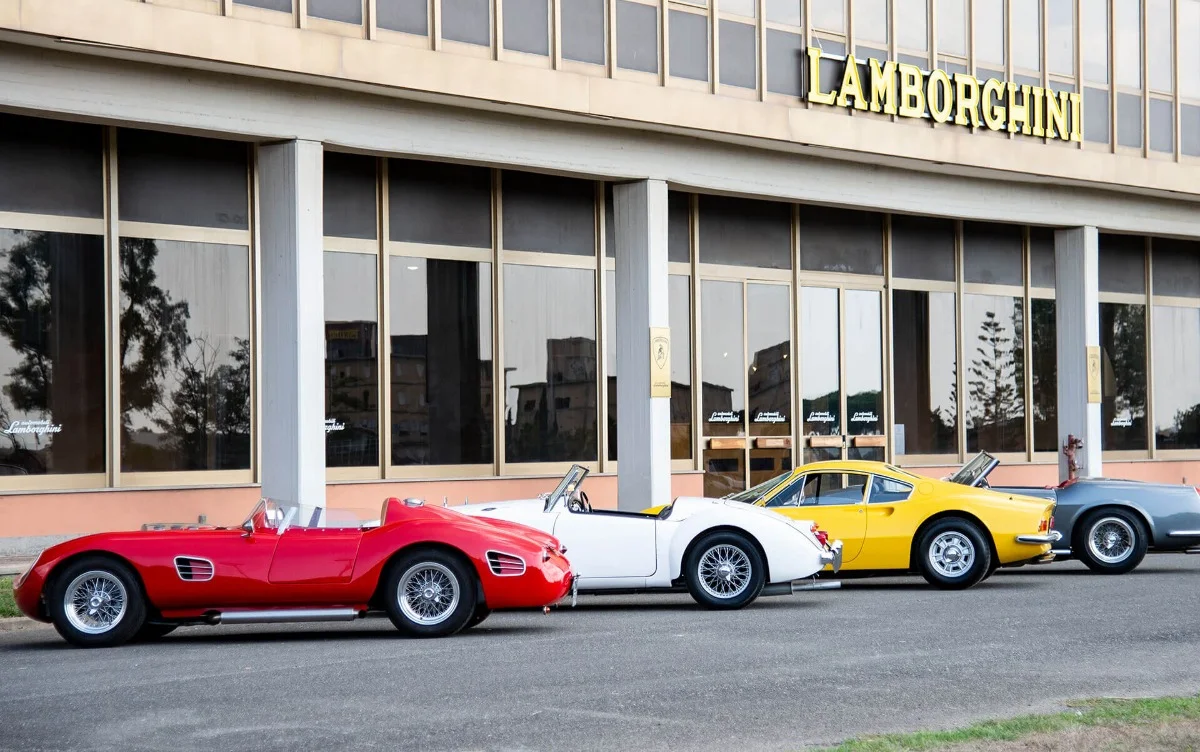
It was Ferrari’s first ‘mistake’, but it wasn’t the last
Just a few years after the Lamborghini fallout, Enzo found himself in another high-stakes game of pride.
This time, the rival wasn’t a local tractor maker; it was Ford.
In the early 1960s, Ferrari wasn’t doing well financially, and Henry Ford II was prepared to acquire the brand.
The deal was nearly signed, but when Enzo realized he would lose control of his racing team, he walked away and insulted Ford in the process.
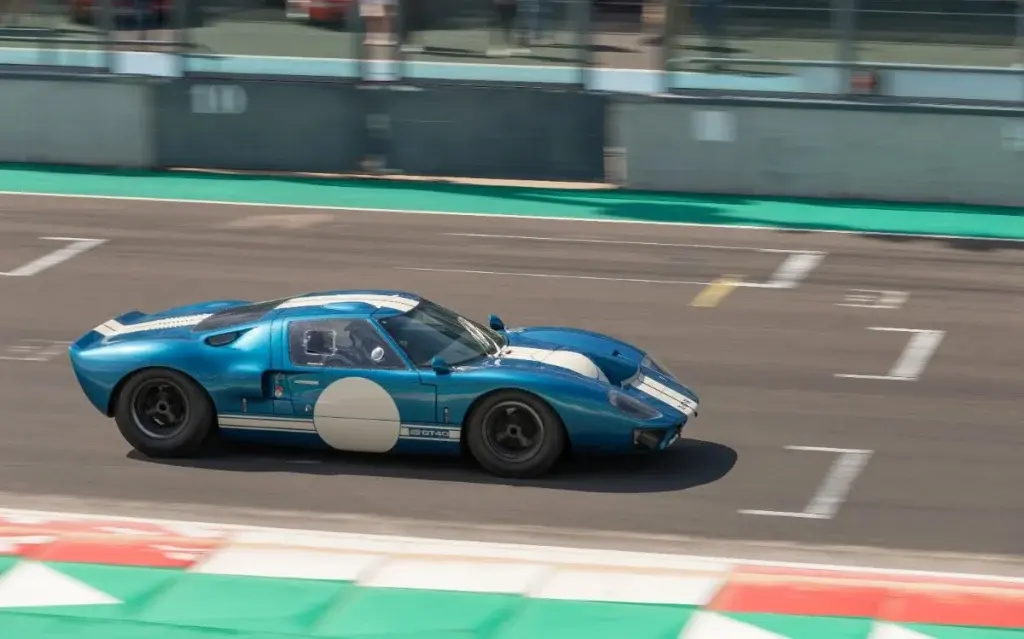
Unlike Lamborghini, Ford didn’t feel the need to prove itself on the road.
After all, a mass-market manufacturer and a boutique supercar brand weren’t exactly competing for the same customers.
And that’s why Henry Ford II decided to do something even ‘worse’.
He decided he wanted to hit Ferrari where it hurt most: on the race track.
Backed by the immense resources of the Ford empire, Henry Ford II ordered his engineers to build a machine capable of crushing the Italian manufacturer at Le Mans, which they did.
They created the GT40, which beat Ferrari four years in a row, including the legendary 1-2-3 finish in 1966 that humiliated the Prancing Horse on the world’s biggest stage.
Even Hollywood took notice
The 2013 movie Rush opened the floodgates for automotive cinema.
Hollywood realized that audiences love epic stories like that, leading to the big-screen fictionalization of both the Ford vs. Ferrari and Lamborghini vs. Ferrari rivalries.
In 2019, we got Ford v Ferrari, which was actually titled Le Mans ’66 in some countries.
With a star-studded cast including Matt Damon and Christian Bale, the movie was a massive hit – costing $97 million but raking in over $225 million at the box office.
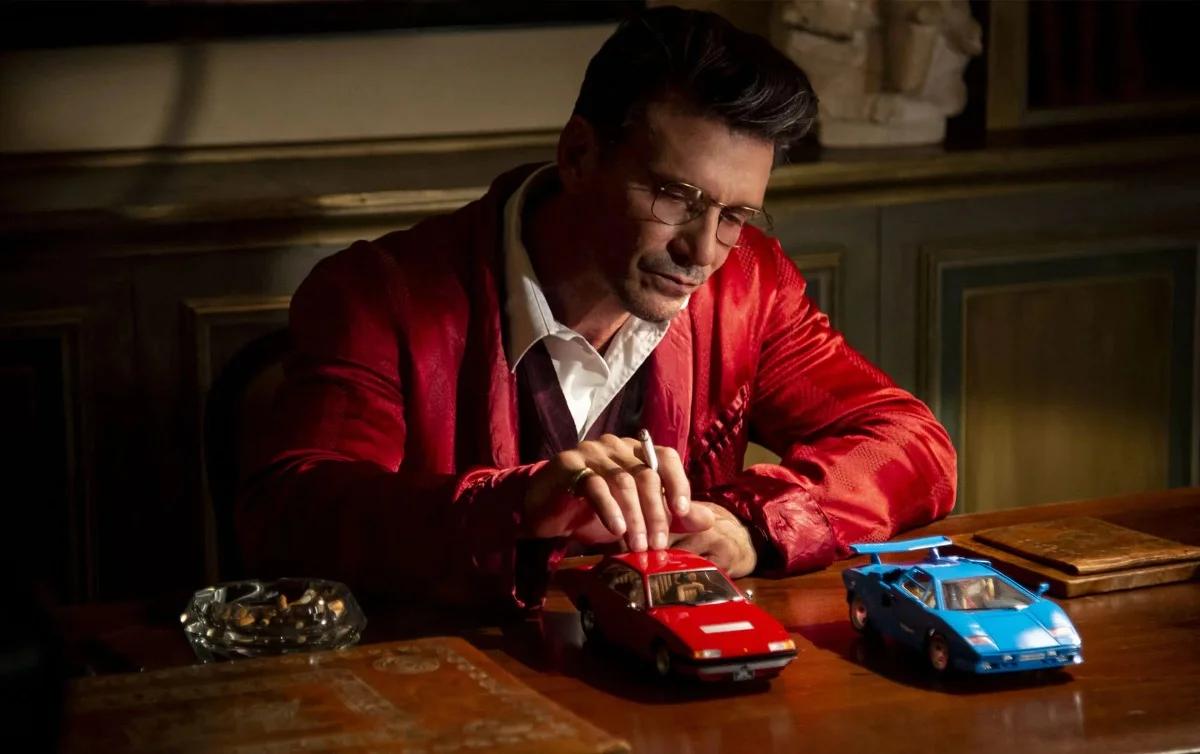
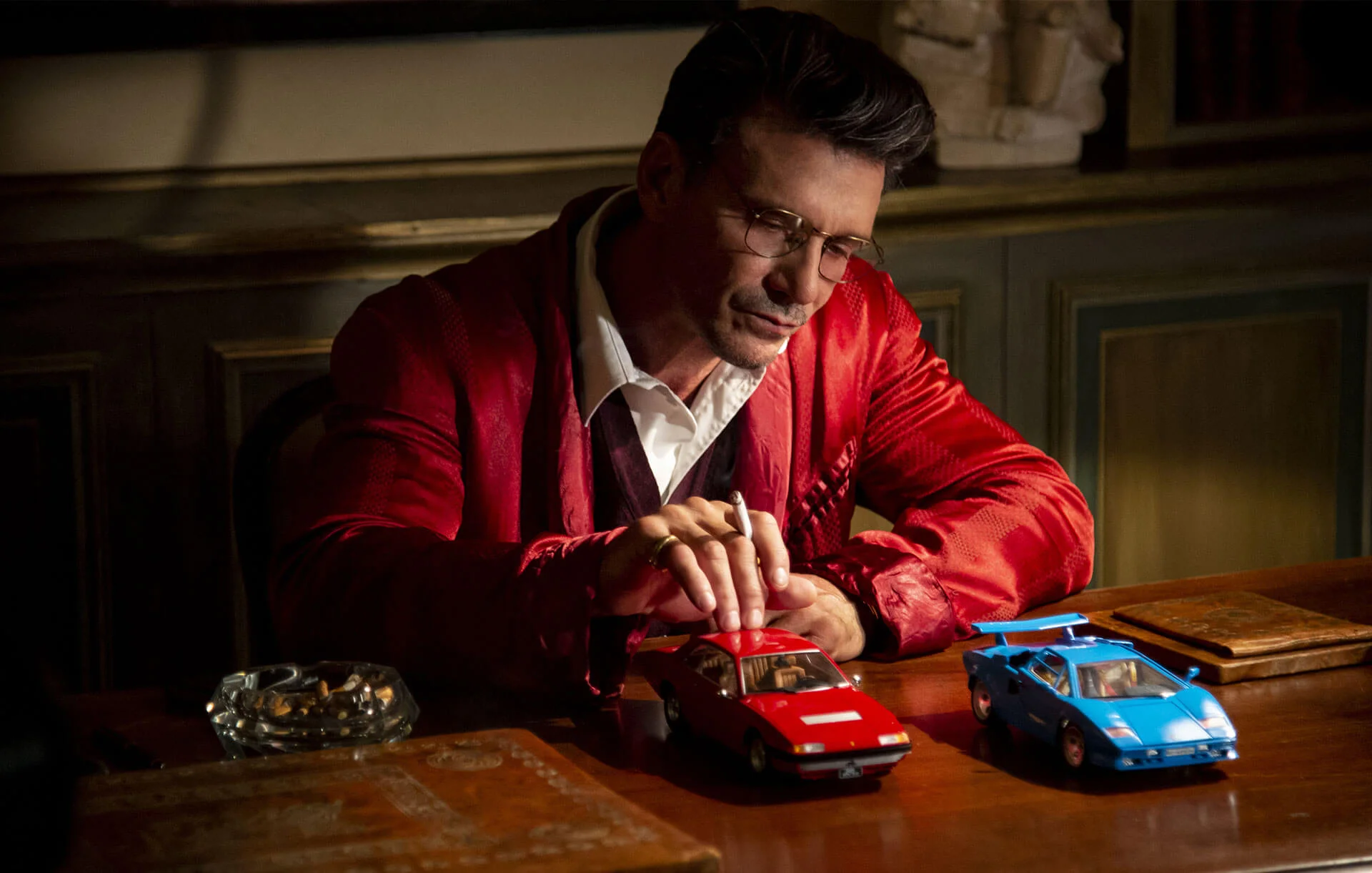
Then, in 2022, Lamborghini: The Man Behind the Legend brought that legendary rivalry with Enzo to the big screen, with Frank Grillo as Ferruccio Lamborghini, pictured above, even though this movie was nowhere near as successful as Ford v Ferrari.
But all’s well that ends well, as they say, because Ford, Ferrari, and Lamborghini are doing just fine in today’s market.
Alessandro is an automotive journalist with 10 years of experience covering supercars, automotive history, emerging vehicle technology, and luxury transportation. He wrote the first article published on SupercarBlondie.com when the website launched in 2022 and has since built a reputation for insightful reporting across the automotive and transportation industries. His expertise is grounded in hands-on experience. Alessandro has driven every Tesla model ever produced, from the original Roadster to the Cybertruck, and regularly covers the latest developments in electric vehicles and automotive innovation. His passion for transportation extends beyond cars, he has even flown a Boeing 787 Dreamliner simulator in Addis Ababa, Ethiopia. His reporting spans everything from classic American muscle cars and rare automotive discoveries to luxury yachts, private aircraft, high-end watches, and cutting-edge vehicle technology. Known for his deep knowledge of automotive history and ability to uncover the stories behind iconic vehicles, Alessandro brings readers a blend of historical context, technical expertise, and first-hand experience.