Man does two-year test on 40 phones to see if fast charging is really killing your battery
Published on Dec 12, 2025 at 6:04 AM (UTC+4)
by Daisy Edwards
Last updated on Dec 11, 2025 at 8:39 PM (UTC+4)
Edited by
Amelia Jean Hershman-Jones
Think your phone is losing charge faster than ever? One man invested his own energy into a two-year test on 40 phones to see if fast charging is really killing your battery like a lot of people suspect it does.
The experiment spanned multiple rounds of testing across iPhones and Android phone models.
He set out in his experiment to prove whether fast charging actually damages battery health over time.
After hundreds of tests and replaced batteries, the results were nothing like people expected.
EXPLORE SBX CARS – Supercar auctions starting soon powered by Supercar Blondie
This fast charging test shows you if it’s killing your phone battery
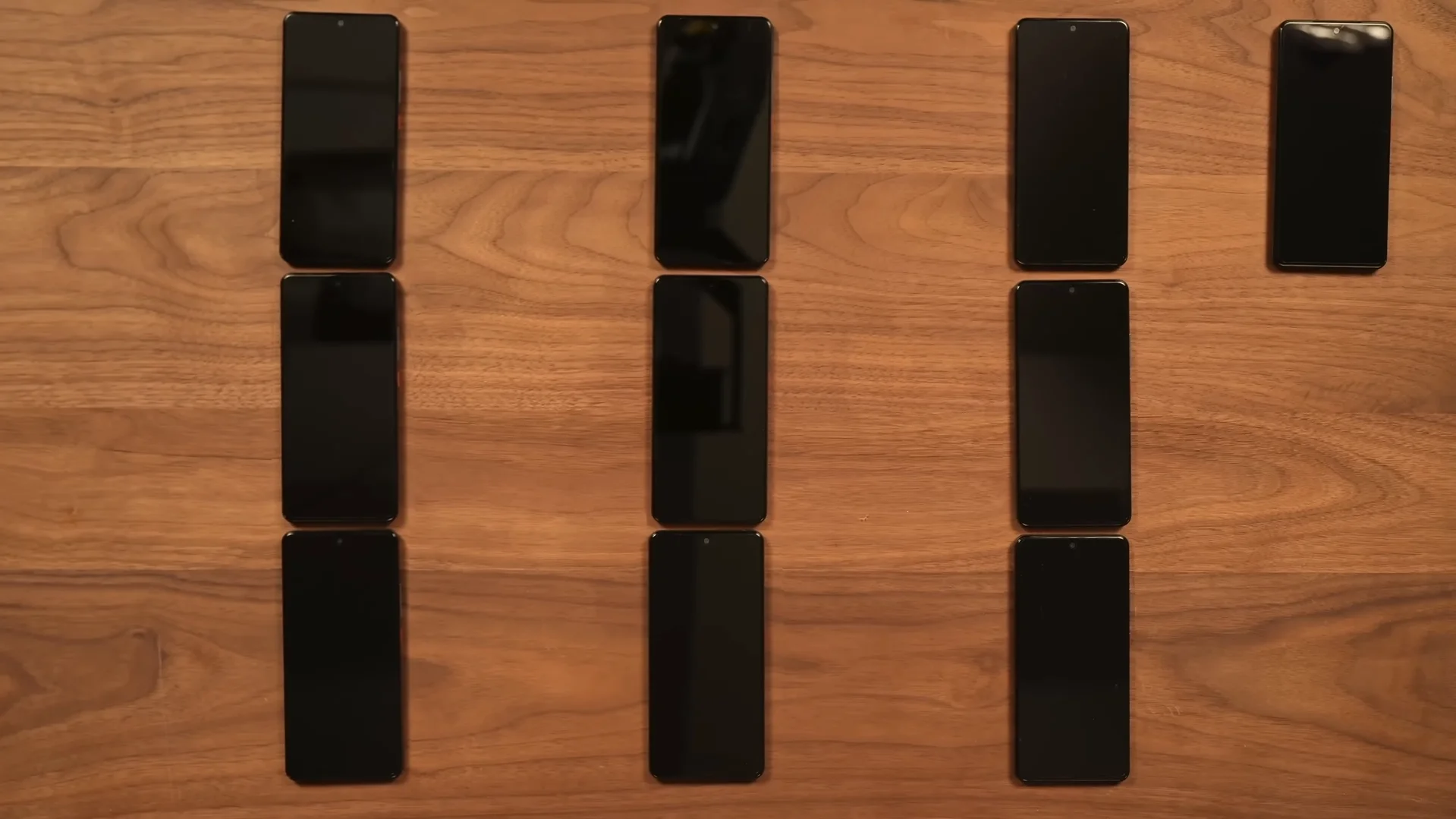
A tech YouTuber spent more than two years running automated charge cycles on 40 phones, including iPhone 12 models and fast-charging Android devices.
His first attempt in 2020 was a manual test that included 430 cycles, but the results were inconsistent, so he built a robot arm for his second attempt in 2021 – but several phones broke, and the software kept crashing.
In his most current and successful test, he separated them into fast-charge groups, slow-charge groups, and partial-charge groups to see how capacity changed after 500 full charging cycles.
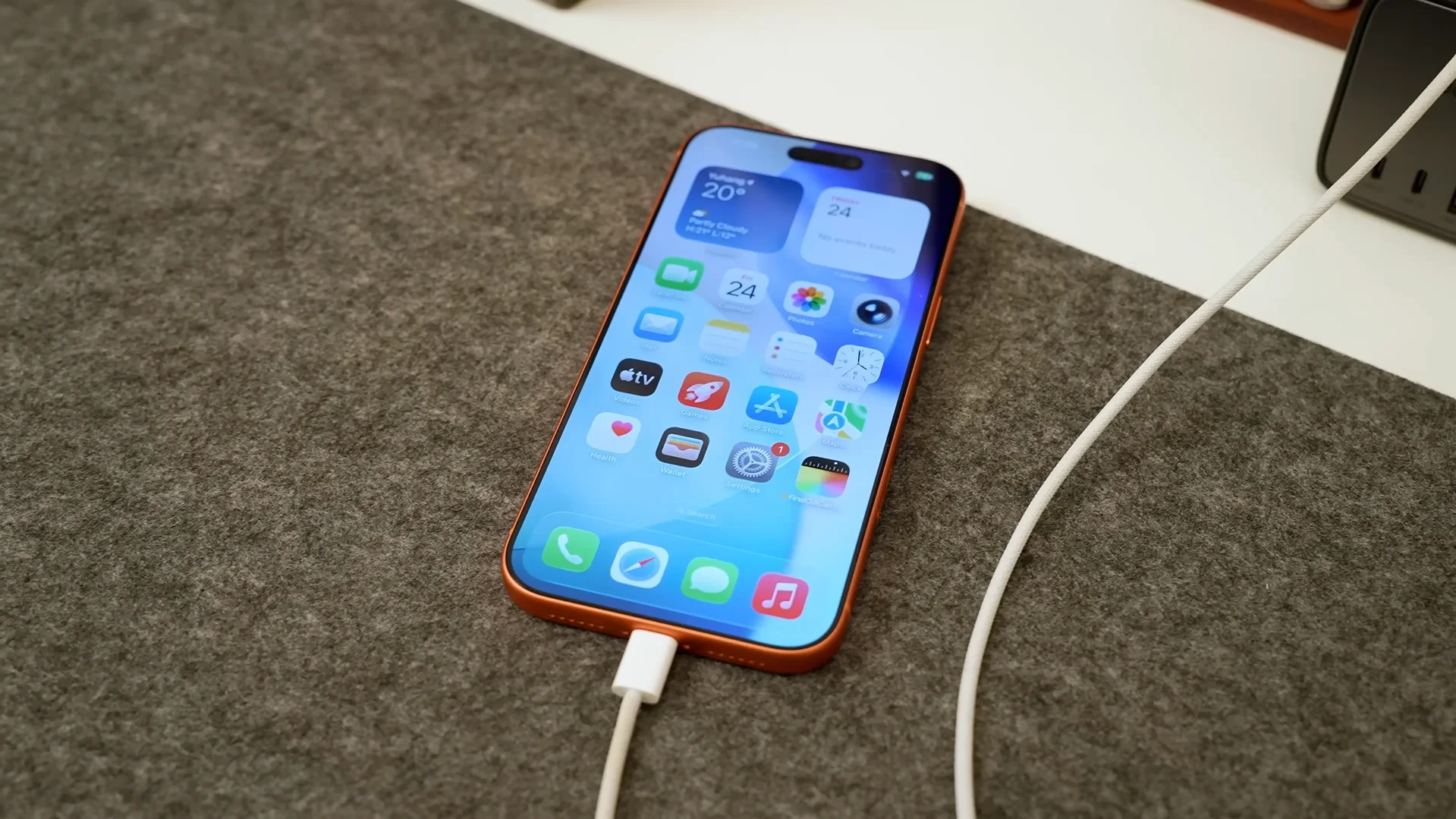
Each phone ran special software that drained the battery to a set level before triggering an automated recharge back to 100 percent.
After 167 days of nonstop testing, the numbers came in.
The iPhone slow-charge group lost 11.8 percent of its capacity, while the fast-charge group lost 12.3 percent.
Android showed an even smaller gap, with slow-charging phones losing 8.8 percent and fast-charging phones losing 8.5 percent.

Across both platforms, the difference was so small it was barely noticeable in day-to-day use.
The test also checked partial charging between 30 and 80 percent.
Those phones did lose less capacity, but only by a small amount; it was clear that the improvement was there, just not dramatic enough to change how most people charge their phones.
Does it actually do anything?
The YouTuber also tested how battery wear affects real-world usage.
Using iPhones ranging from 94 percent health down to 77 percent, he found that performance didn’t change much, but battery life definitely did.
Once a phone drops to around 85 percent health, the shorter battery life becomes noticeable, and at near 80 percent, replacing the battery makes a big difference.

He even tested devices left at one percent, 50 percent, and 100 percent for a week and found no measurable capacity loss – short-term storage didn’t hurt them at all.
After two years, three attempts, and dozens of broken test rigs, the conclusion was simple: fast charging isn’t killing your battery – charge however you like, and save the stress for something else.
DISCOVER SBX CARS: The global premium car auction platform powered by Supercar Blondie