Nobody could start WWII vehicle from 1943 until team of volunteers finds way to bring it back to life
Published on Feb 27, 2026 at 11:09 AM (UTC+4)
by Jason Fan
Last updated on Mar 13, 2026 at 3:58 PM (UTC+4)
Edited by
Emma Matthews

A WWII vehicle, the Daimler scout car better known as the Dingo, had sat silent for years before a team of determined volunteers decided it was time to wake it up.
Built in 1943 and now owned by the UK’s Internal Fire Museum of Power, the compact British reconnaissance car arrived as a non-runner with a box of missing parts and plenty of unanswered questions.
Nobody knew when it had last fired into life.
However, that uncertainty only made the challenge more appealing.
DISCOVER SBX CARS – The global premium auction platform powered by Supercar Blondie
This WWII vehicle was no speedster
The whole restoration process was featured by YouTuber Mr Hewes.
The Dingo is a fascinating bit of wartime kit.
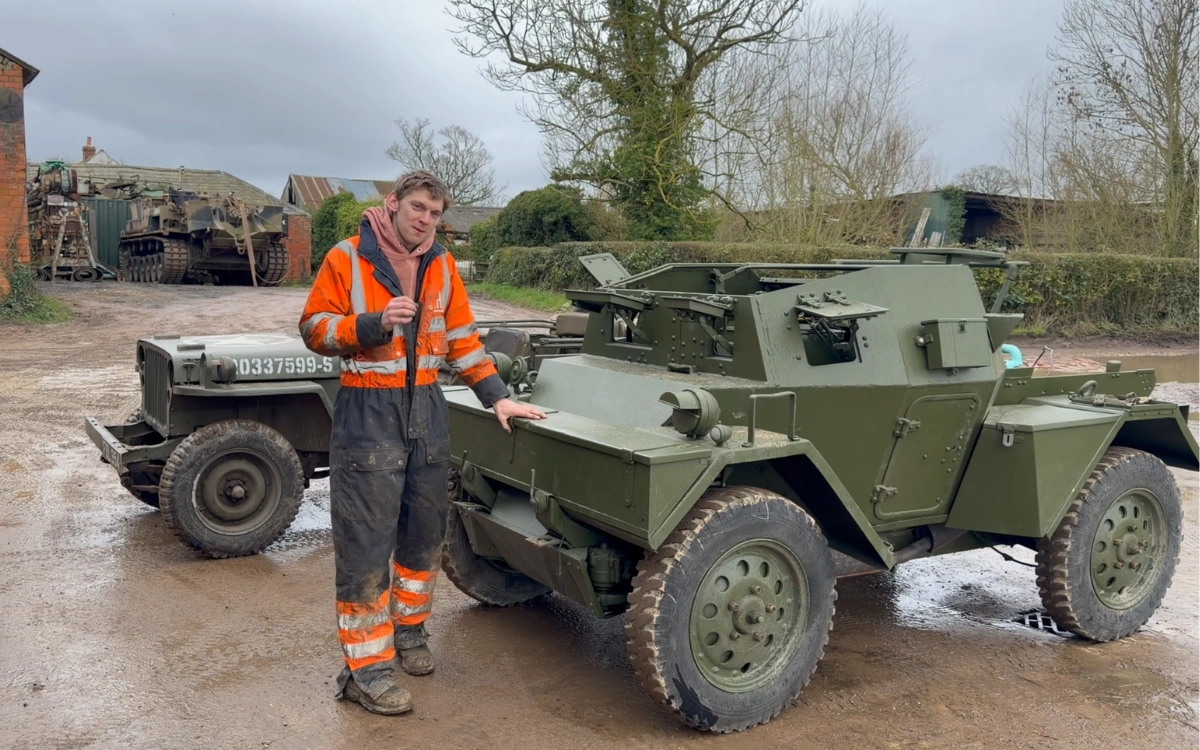
Weighing around three tons and powered by a 55hp Daimler straight-six engine, it produces about 18.3hp per ton.
It also features a five-speed pre-selector gearbox with five reverse gears, meaning it can technically go as fast backwards as it can forwards.
Of course, most sensible people probably wouldn’t try this feature out.
When the volunteers first hooked up a new battery, they were encouraged to find that the engine would crank.
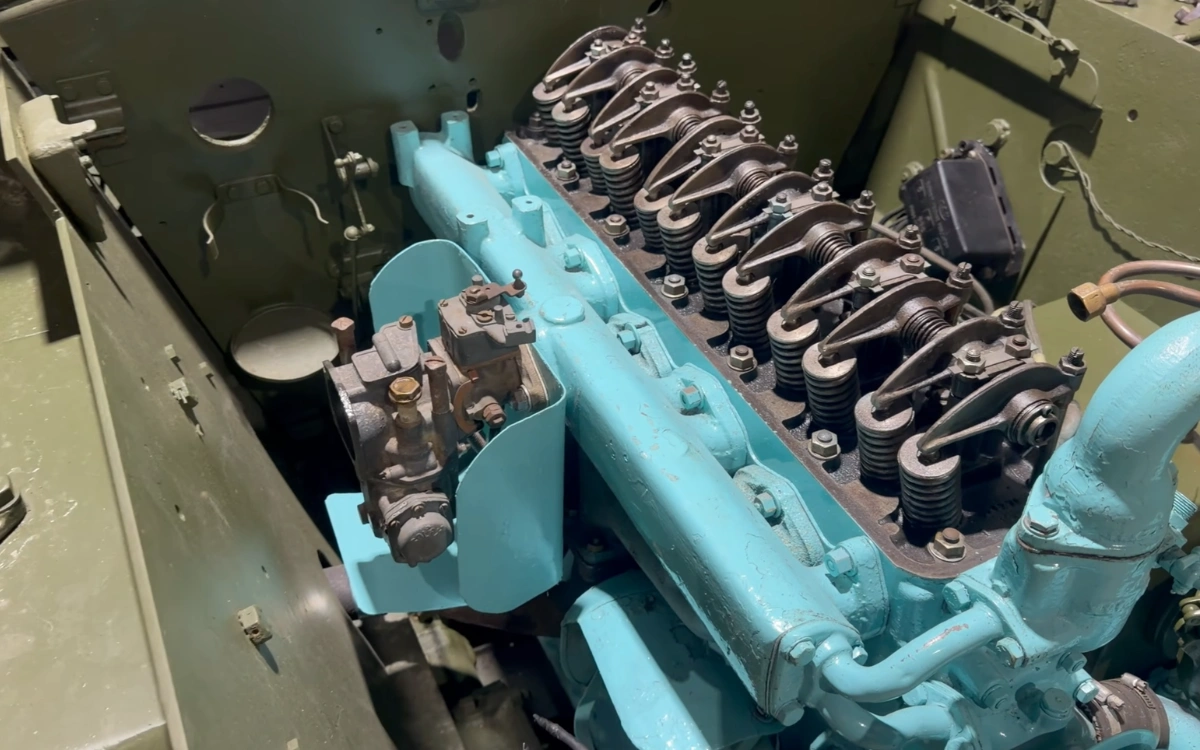
Unfortunately, compression told a different story.
One cylinder barely managed 10 PSI, while others showed healthier numbers around 90 PSI.
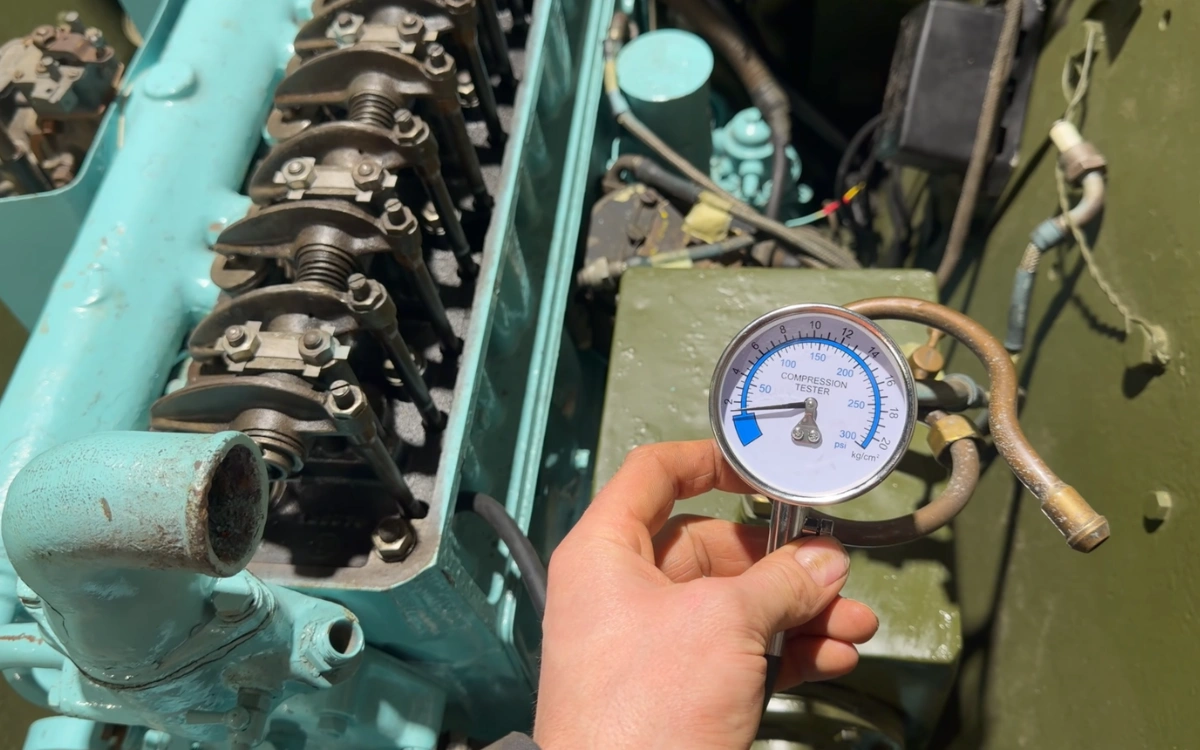
The discrepancy in the readings made the team brace for bad news.
However, instead of panicking, the volunteers got methodical.
They adjusted valve clearances, rotated components to clear possible debris, and even rigged up a homemade leak-down tester using an old spark plug and an airline fitting.
Air escaping through the carburettor pointed toward a valve seating issue.
After a bit of careful tinkering, compression numbers dramatically improved, with previously weak cylinders climbing close to 100 PSI.
Click the star icon next to supercarblondie.com in Google Search to stay ahead of the curve on the latest and greatest supercars, hypercars, and ground-breaking technology
It took a ton of patience to bring it back to life
Fuel delivery proved to be another headache.
The carburettor was partially blocked and had been assembled incorrectly at some point in its life, but after stripping, cleaning, and reassembling it properly, the engine began to show real promise.
It would cough and splutter on starter fluid, but still refused to fully catch.
The team then turned its attention to the ignition system.
Although there was a spark, the wartime coil appeared weak, especially after warming up.
The fix was a practical one: upgrade to a modern coil, new HT leads, and fresh off-the-shelf spark plugs.
It might not be perfectly original, but reliability won the argument.
With everything bolted back together, the moment of truth arrived.
The Dingo fired up almost immediately, settling into a surprisingly smooth idle.
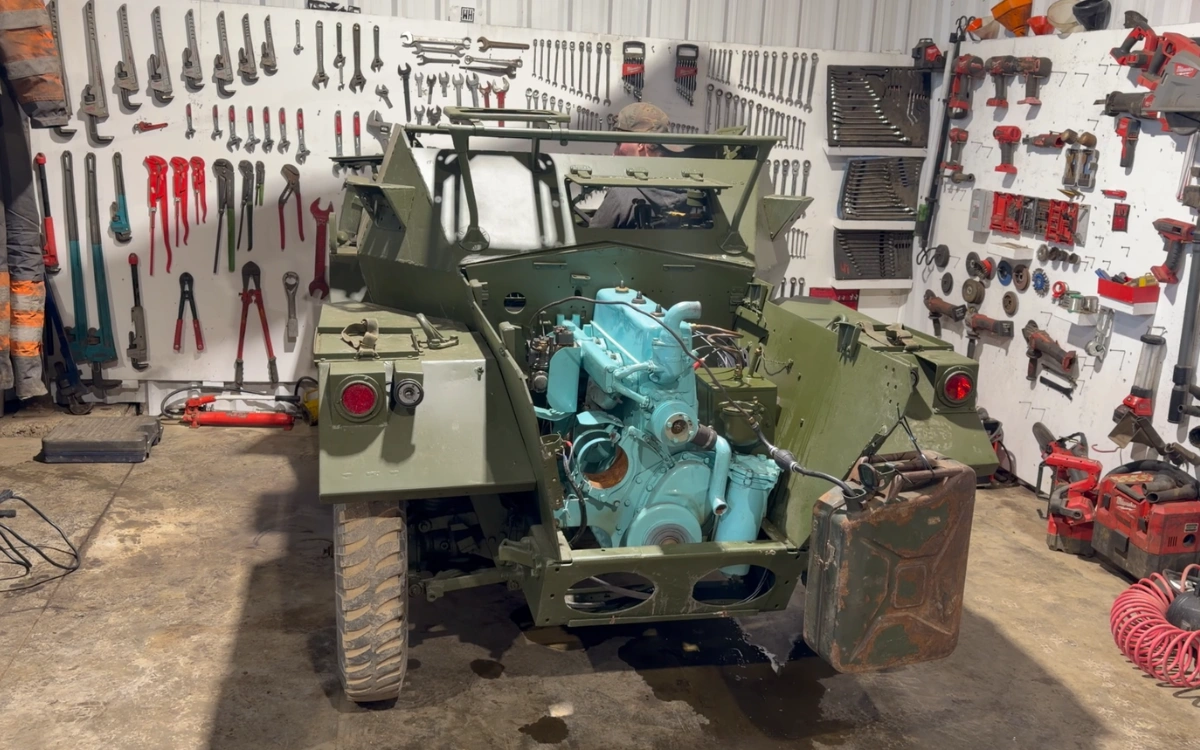
The team readied itself for horrible noises or dramatic smoke, but neither happened.
Instead, the 1943 engine came back to life, and it even moved under its own power.
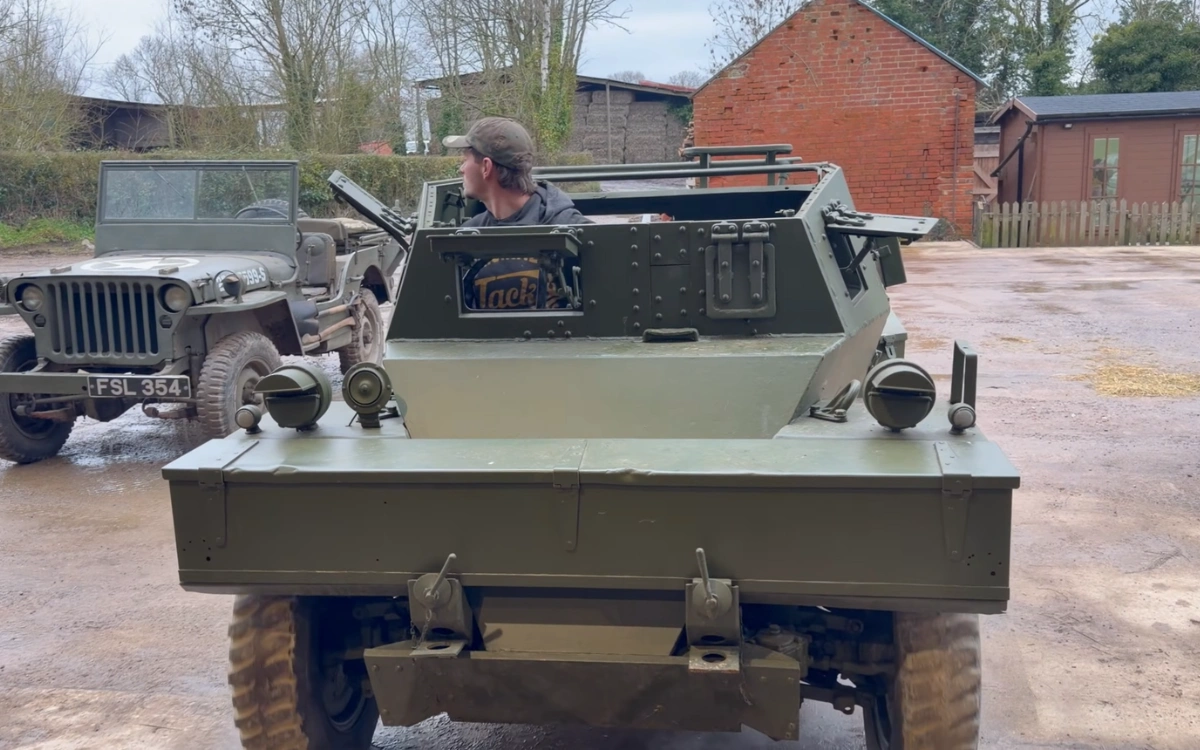
For a WWII vehicle that had been dormant for decades, that first cautious drive was a triumph.
As it turned out, all it takes to revive history is plenty of patience.
If you want to watch the full restoration video, you can do so below:

DISCOVER SBX CARS: The global premium car auction platform powered by Supercar Blondie