These are the weirdest car laws from around the world, from the UAE to Germany
Published on Jun 28, 2025 at 10:49 AM (UTC-4)
by Daisy Edwards
Last updated on Jun 28, 2025 at 10:49 AM (UTC-4)
Edited by
Emma Matthews

Have you ever thought about how car laws differ massively from country to country?
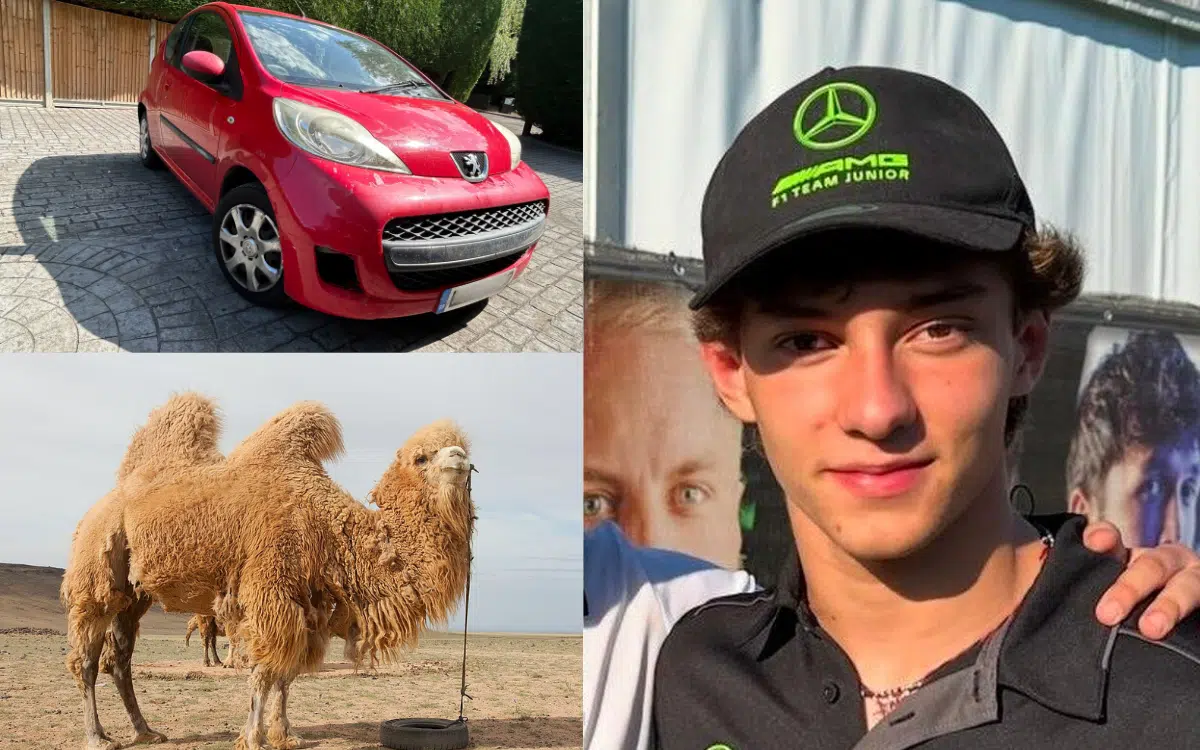
Did you know, for example, that the Formula One driver Kimi Antonelli is technically banned from driving his own car around Italy due to a random Italian road law?
If you’re popping out to the shops for some milk in Manila on a Monday and your number plate ends in a one or two, think again, you’re actually banned- sorry.
There are lot of weird and wonderful laws surrounding cars and driving, from the UAE to Germany, but we’re going to take a look at some of the weirdest.
EXPLORE SBX CARS – Supercar auctions starting soon powered by Supercar Blondie
Respect the rules of the road
There is no lack of strange laws that make up the lifestyle of an area, but when it comes to road and driving laws, these can differ city by city, let alone country by country.
Let’s have a look at some of the weirdest car laws around the world that you didn’t know would even be a problem.
In Italy, for instance, it’s illegal for anyone to operate vehicles with over 100HP on Italian roads for three years after you first pass your driving test.
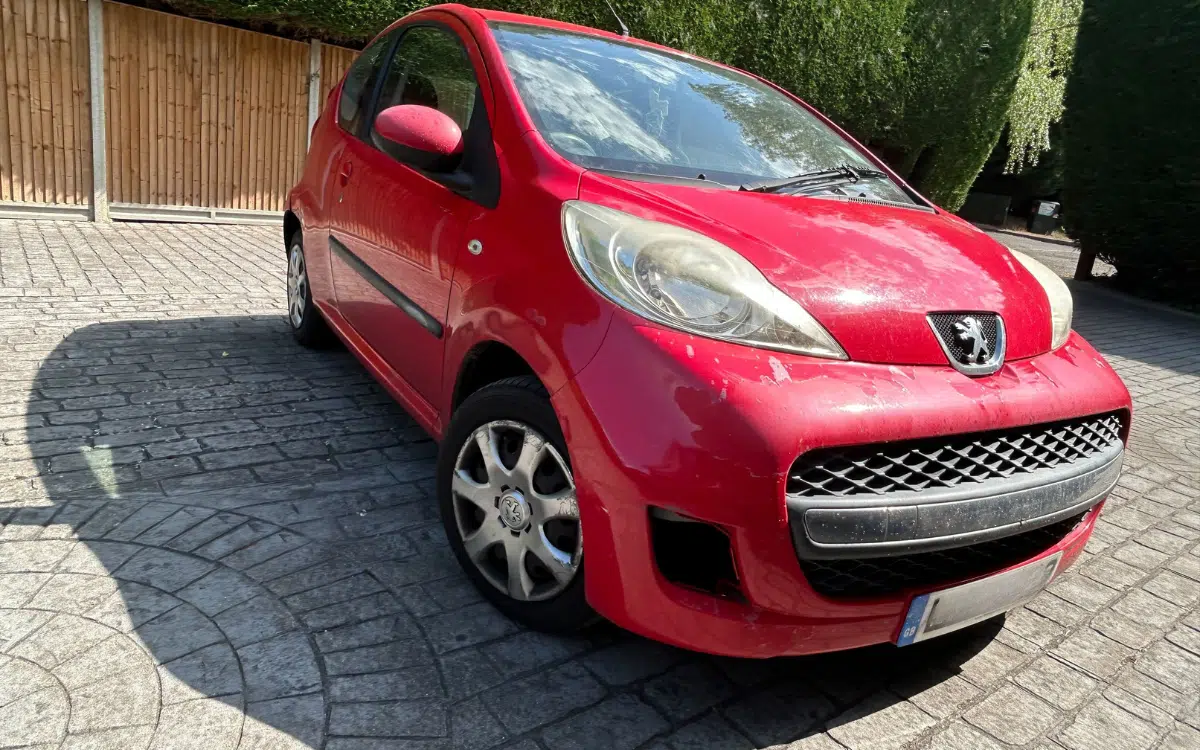
Which means that 18-year-old F1 driver Kimi Antonelli can only drive a Fiat 500 or Peugeot 107 in his home country.
That’s because he only passed his driving test this January, so he has to leave his brand-new Mercedes-AMG GT 63 S on the driveway for now.

Related



From the UAE to Germany, these are some of the weirdest car laws
A German law that technically counts your car’s interior as a ‘private space’, means you can legally drive naked if you really wanted to.
But because it’s illegal to be naked in a public space, you’ll have to make sure no one sees you.
In the UAE, camels are super important to culture and heritage. So if you hit a hump in the road and a camel is blocking your path, those guys have the right of way – hope you don’t mind waiting!
If your license plate ends with a one or two and you live in the Philippines, you aren’t allowed to drive on Mondays because of a coding system to limit traffic and pollution.
So, if you run out of milk while you’re there, you need to be prepared to walk to the shops.
In Switzerland, Sunday is a day of rest, so you better not be caught washing your car as it’s literally illegal. Which means Swiss kids have the best excuse to get out of doing chores we’ve ever heard.
We don’t know what incident caused Alaska’s funny dog law to be brought in, but it’s illegal to keep dogs on the roof of your car in the whole state.
So, there you have it, some of the weirdest car laws from across the world.
If you’re a dog-roof-herding, 18-year-old F1 driving nudist with a dirty car and a license plate ending in a one or a two, best to check the laws before you travel.

Daisy is a technology and automotive journalist covering artificial intelligence, consumer tech, Apple news, cryptocurrency, emerging technologies, and transportation innovation. Since joining the team in 2025, she has reported on everything from AI-powered startups and major iOS updates to viral car stories and the latest developments shaping transportation and the digital economy. Drawing on her background in automotive journalism and a degree in History and Journalism from Goldsmiths, University of London, Daisy specializes in breaking down complex topics into clear, engaging reporting for a global audience. Her work spans cutting-edge technology, innovative vehicles, and the people driving change across both industries. Daisy has gained first-hand access to some of the world's most talked-about technologies and innovators, including meeting Tesla's Optimus humanoid robot during its first European appearance in London. She has also discussed the future of space exploration with an astronaut, bringing unique insights and real-world perspectives to her coverage of emerging technology.