This is what Japan does different to make cars last much longer than any other country's manufacturers
Published on Mar 15, 2026 at 2:02 AM (UTC+4)
by Molly Davidson
Last updated on Mar 13, 2026 at 2:33 PM (UTC+4)
Edited by
Mason Jones

Japanese cars have a reputation for lasting forever.
You’ll hear stories of Toyotas and Hondas clocking up 300,000 miles without breaking a sweat.
Most people assume that kind of longevity comes down to brilliant engineering.
But a YouTube video from The SmartCar Method suggests the real difference might actually be the drivers.
Click the star icon next to supercarblondie.com in Google Search to stay ahead of the curve on the latest and greatest supercars, hypercars, and ground-breaking technology
The Japanese driving habits that help cars last longer
As the video shows, the first difference happens before the car even moves.
Many Japanese drivers let the engine warm up for about 30-60 seconds before driving away.
It sounds small, but that short pause lets oil flow around the engine properly before anything starts working hard.
Cold oil is thick and slow, so flooring it the moment the engine starts is a bit like asking someone to sprint before they’ve even stretched.

Once the car is moving, the driving style stays pretty calm.
Instead of stomping the accelerator or braking at the last second, drivers tend to speed up gradually and slow down earlier.
Because of that, the engine spends most of its life running comfortably rather than being constantly pushed.
There are also small maintenance habits that sneak in along the way.

For example, some drivers add fuel system cleaner every 6,200 miles or so to keep the fuel injectors clean.
None of these steps is difficult.
However, when you repeat them over thousands of drives, they can reduce wear on the engine.

The maintenance mindset that really keeps Japanese cars alive
The biggest difference, though, shows up in how the car is maintained.
Instead of blindly following the standard oil change schedule, many Japanese drivers adjust it depending on how the car is used.
Short city trips and stop-and-go traffic wear oil out faster than long highway drives.
Cooling systems also get regular attention.
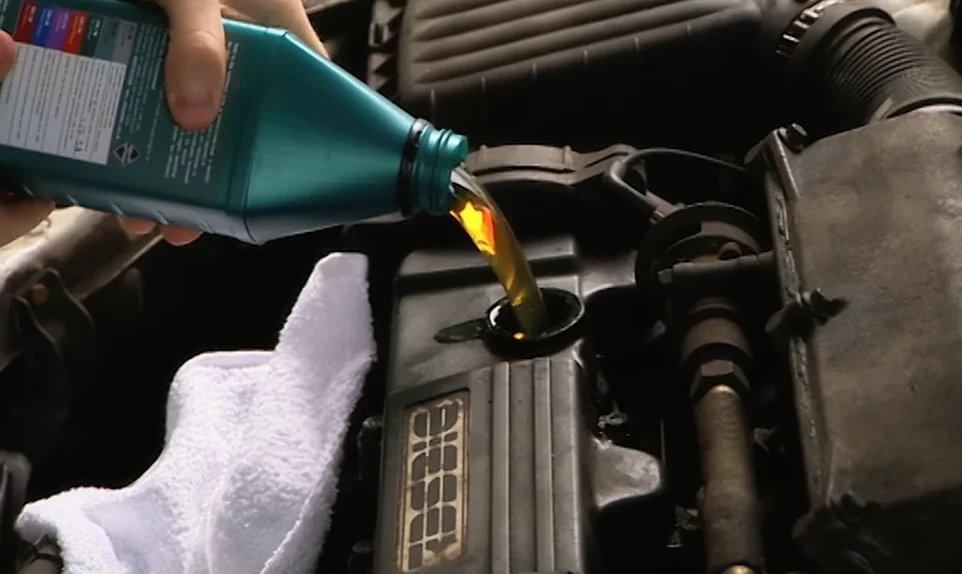
Coolant is flushed on time because corrosion inside the cooling system causes about 25 percent of engine failures.
Transmission fluid is replaced before problems appear, not after.
Timing belts are also swapped exactly when recommended, because if one snaps in certain engines, it can cause serious damage.
Then there’s one habit that sounds old-school but turns out to be incredibly useful.
Many drivers keep a maintenance logbook.

Every oil change, service, or weird noise gets written down.
Over time, it becomes a running history of the car’s health.
Small issues get caught early, maintenance never gets forgotten, and nothing sneaks up on the owner months later.
So while Japanese cars are famously reliable, the real reason many of them reach huge mileages might be much simpler.
Drivers simply build small care habits into everyday driving.
And it turns out that half a minute of patience and a notebook can go a surprisingly long way.
DISCOVER SBX CARS: The global premium car auction platform powered by Supercar Blondie
With roles at TEXT Journal, Bowen Street Press, Onya Magazine, and Swine Magazine on her CV, Molly joined Supercar Blondie in June 2025 as a Junior Content Writer. Having experience across copyediting, proofreading, reference checking, and production, she brings accuracy, clarity, and audience focus to her stories spanning automotive, tech, and lifestyle news.