This is what the Pontiac GTO's name actually stands for
- The Pontiac GTO is credited with popularizing muscle cars in the ’60s
- The GTO remains a coveted and desirable car
- But do you know what GTO actually stands for?
Published on Oct 01, 2024 at 5:58 AM (UTC+4)
by Claire Reid
Last updated on Oct 01, 2024 at 3:20 PM (UTC+4)
Edited by
Tom Wood


The Pontiac GTO is a real piece of American automotive history – but have you ever wondered what the GTO actually stands for? Well, we’ve got the answer.
Launched in 1963, the Pontiac GTO was credited with popularizing the muscle car market during the 1960s.
The Pontiac GTO was originally produced between 1963 and 1974, and a fifth generation was produced by the Australian-based Holden from 2004 to 2006.
Although five generations of the car were launched, only the first four—those made by General Motors—are held in high regard.
DISCOVER SBX CARS: The global premium car auction platform powered by Supercar Blondie
The Pontiac GTO helped popularize muscle cars
Decades on from the Pontiac GTO’s launch, you still see plenty of examples of the classic motors out there.
such as this 1966 model, which was—somewhat harshly—referred to as ‘old junk’, or this 1967 Pontiac GTO barn find, which came with a retro eight-track cassette player inside.
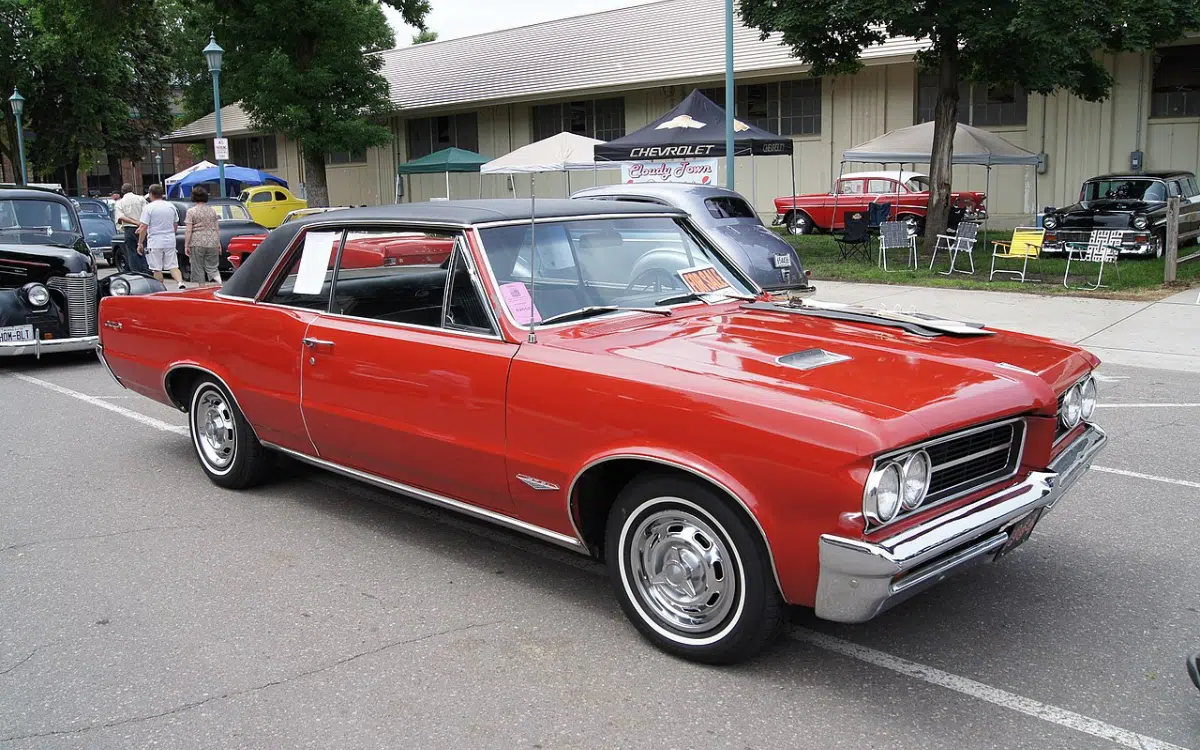
But while many car lovers will be familiar with the Pontiac GTO, they may be less clear on the origins of the name.
Usually, when it comes to naming cars, the GT stands for ‘Grand Tourer’ – a phrase that is similar to the Italian gran turismo.
And the same is true with the Pontiac GTO, the GT stemming from the fact it’s a grand tourer.
Meanwhile, the O stands for ‘Omologato’ – an Italian word that translate as ‘approved’.
The GTO is actually registered with the FIA
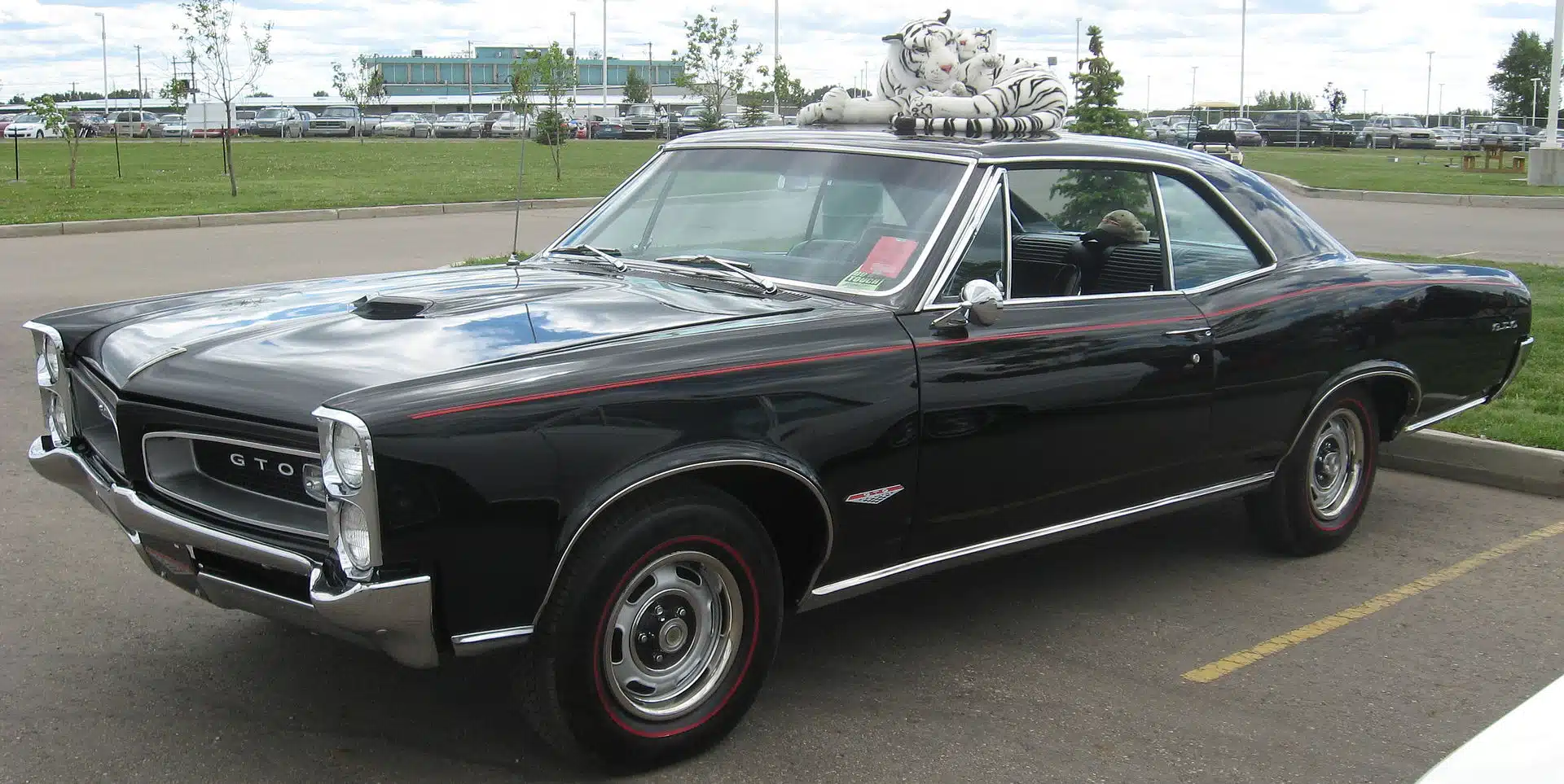
So, its full moniker in Italian is Gran Turismo Omologato, which is actually a nod to the Italian race car that inspired the Pontiac: the Ferrari 250 GTO.
The term GTO was coined by Ferrari in the early 1960s after the marque wanted to create a line of cars that were both approved for racing and yet still street-legal.
The word ‘omologato’ is used to show that the car had been approved for competition by the Fédération Internationale de l’Automobile (FIA).
In what appeared to be a marketing tactic, Pontiac employees did indeed have the car approved – or homologated by the FIA in 1964 – meaning it could compete in European sports car racing without issue.
Who knew there was so much to a name?
If that isn’t quite enough automotive trivia for one day, why not check out where the Chevrolet Z28 gets its name or why the Audi badge has four rings?
The more you know, right?
With a background in both local and national press in the UK, Claire has covered a range of topics, including technology, gaming, and cryptocurrency, since joining the editorial team at Supercar Blondie in May 2024. Her ability to be first to a story has been integral to making SB’s coverage of scientific discovery, AI, and global tech news a slick 24/7 operation.