People are only just learning what this button in their car means after all these years
Published on Feb 05, 2026 at 2:29 AM (UTC+4)
by Alessandro Renesis
Last updated on Feb 05, 2026 at 11:37 AM (UTC+4)
Edited by
Emma Matthews

Nearly every new car used to come with a little switch that read ‘ESP OFF’, but that’s mostly gone now.
There’s a very simple reason why it’s no longer there – with exceptions – but most people might be wondering why it was included in the first place.
The automotive industry managed to seamlessly integrate this switch into the dashboard visually, but no one ever figured out how to properly ‘explain’ it.
For reasons that have to do with safety and, interestingly, the English language.
DISCOVER SBX CARS: The global premium car auction platform powered by Supercar Blondie
Why the ‘ESP OFF’ switch no longer exists
With exceptions, most vehicles today come without the ‘ESP OFF’ switch.
And it’s not just because it’s digitally hidden in the infotainment screen.
ESP stands for Electronic Stability Program, which is what the industry calls an ADAS, or advanced driver-assistance system.
In most markets, ADAS are now mandatory – partly because they’re necessary for self-driving – and they can’t be switched off for safety reasons.
That’s why that little button is gone, and why it won’t come back.
Some track-focused supercars, for example, some Ferraris have the ‘Manettino’ – pictured below, bottom right of the steering wheel, still come with that switch, but most cars today come with an ESP you can’t turn off.
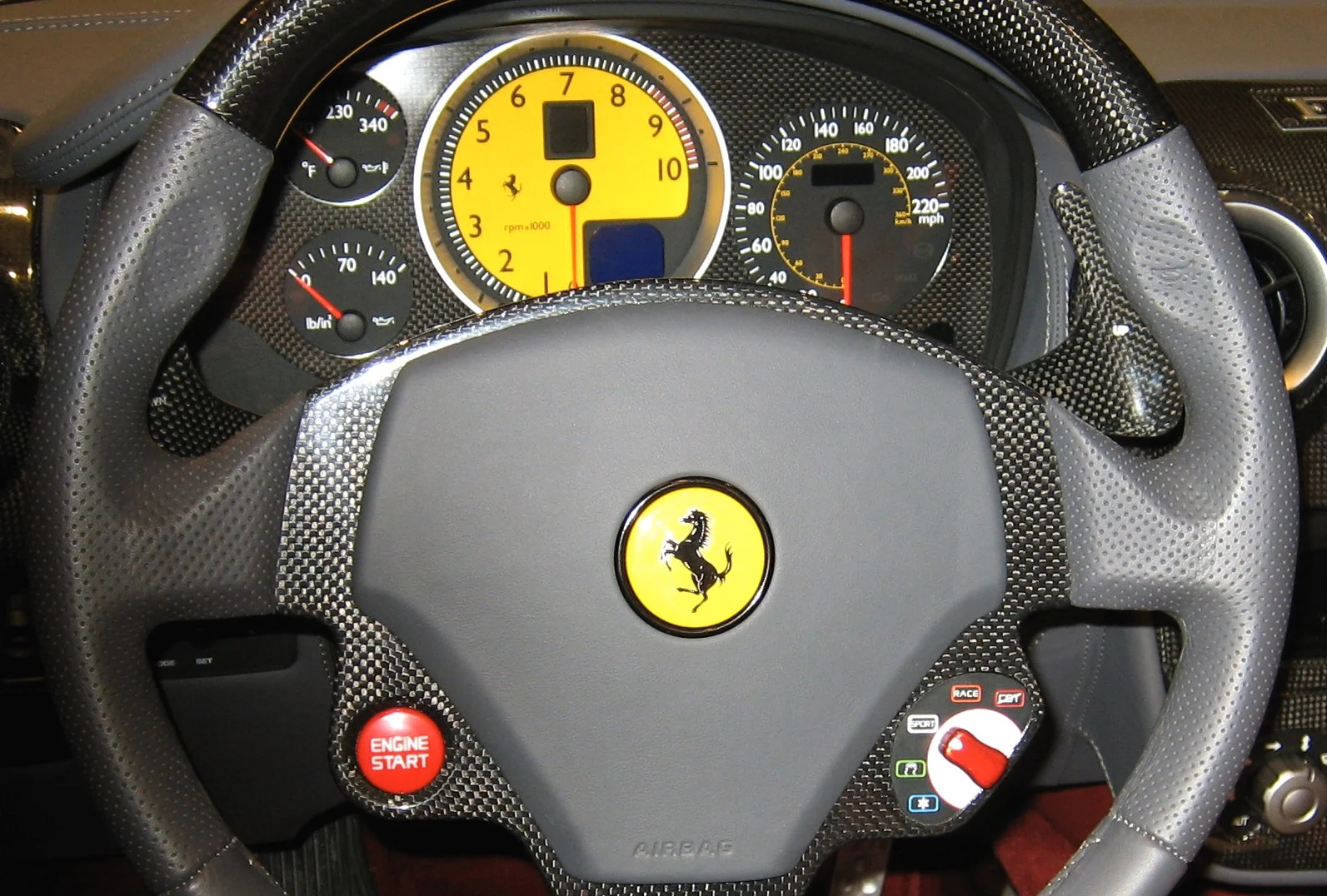
So there’s no need for a switch.
The reason why it was never clear what it stood for, and what it did to your car
Some automakers opted for a switch with a visual representation of what it did.
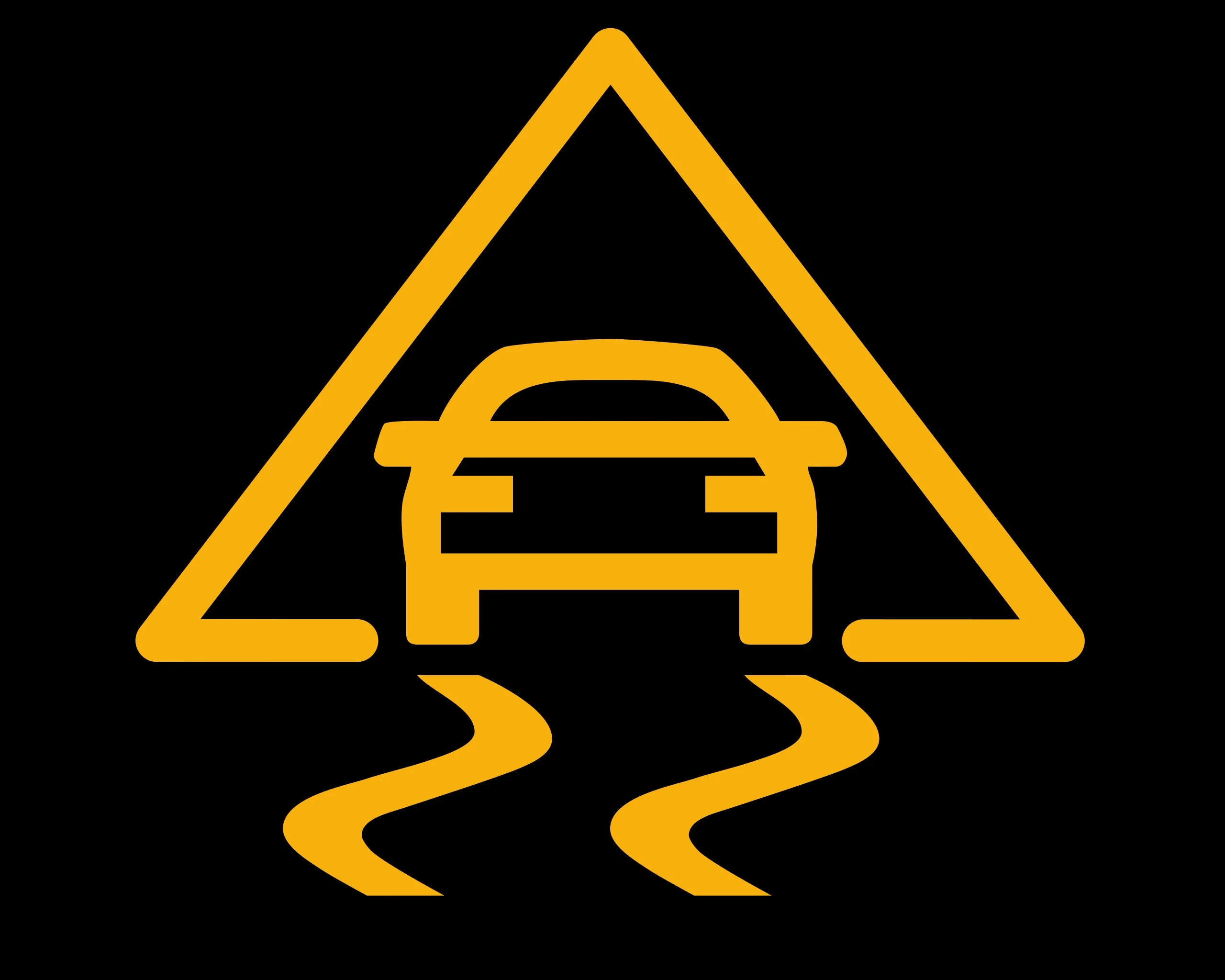
Many vehicles feature a control light matching the switch: a silhouette of a car inside a warning triangle with s-shaped skid marks trailing the tires.
This was designed to warn drivers that turning the switch off would result in a loss of stability.
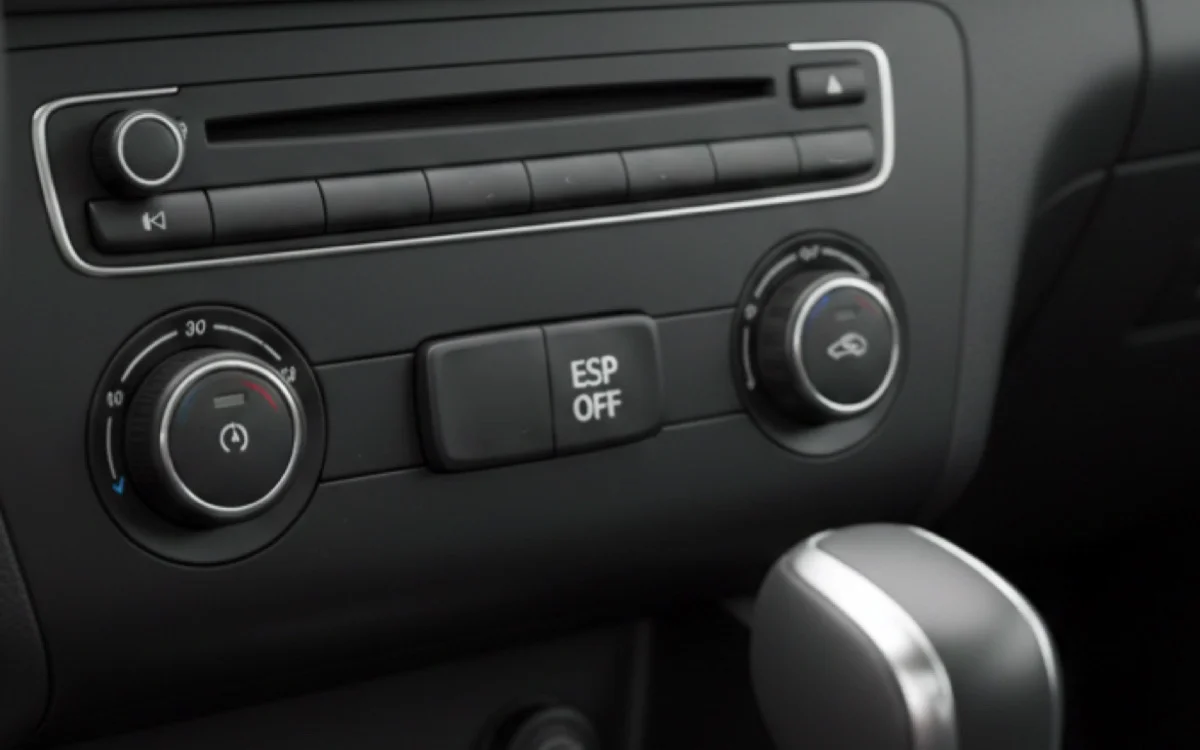
Other cars simply came with a switch with the words ‘ESP’ and ‘off’, and nothing else.
And that leads us to the key issue here, which has to do with the English language.
Generally speaking, drivers in English-speaking countries and markets never called it the ‘ESP’.
They called it ‘traction control.’
For that reason, the acronym ESP wasn’t exactly super easy to guess at first glance.
Still, this is now a non-problem, since the switch is gone.
After beginning his automotive writing career at DriveTribe, Alessandro has been with Supercar Blondie since the launch of the website in 2022. In fact, he penned the very first article published on supercarblondie.com. He’s covered subjects from cars to aircraft, watches, and luxury yachts - and even crypto. He can largely be found heading up the site’s new-supercar and SBX coverage and being the first to bring our readers the news that they’re hungry for.