Why commercial aircraft speeds have stalled despite massive leaps in technology
Published on Dec 17, 2025 at 10:32 AM (UTC+4)
by Jason Fan
Last updated on Dec 17, 2025 at 12:55 PM (UTC+4)
Edited by
Kate Bain

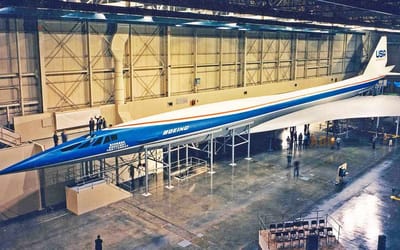
Despite advances in aerospace engineering, commercial aircraft speeds have barely changed, decades after the Concorde retired.
Modern jets are packed with cutting-edge technology, but they still cruise at roughly the same speeds as aircraft from the 1960s.
So what happened? Did everyone just stop innovating?
As it turns out, the reason is far more complex than that.
SBX CARS – View live supercar auctions powered by Supercar Blondie
Commercial aircraft speeds need to hit a sweet spot
At first glance, flying faster seems like progress.
After all, modern supercars are faster than ever, so why shouldn’t we expect the same from planes?
In reality, speed is no longer the priority for airlines or most passengers.
Aircraft today can already reach almost anywhere in the world within 24 hours, and total journey times are more affected by airport congestion, delays, and air traffic control than cruise speed.
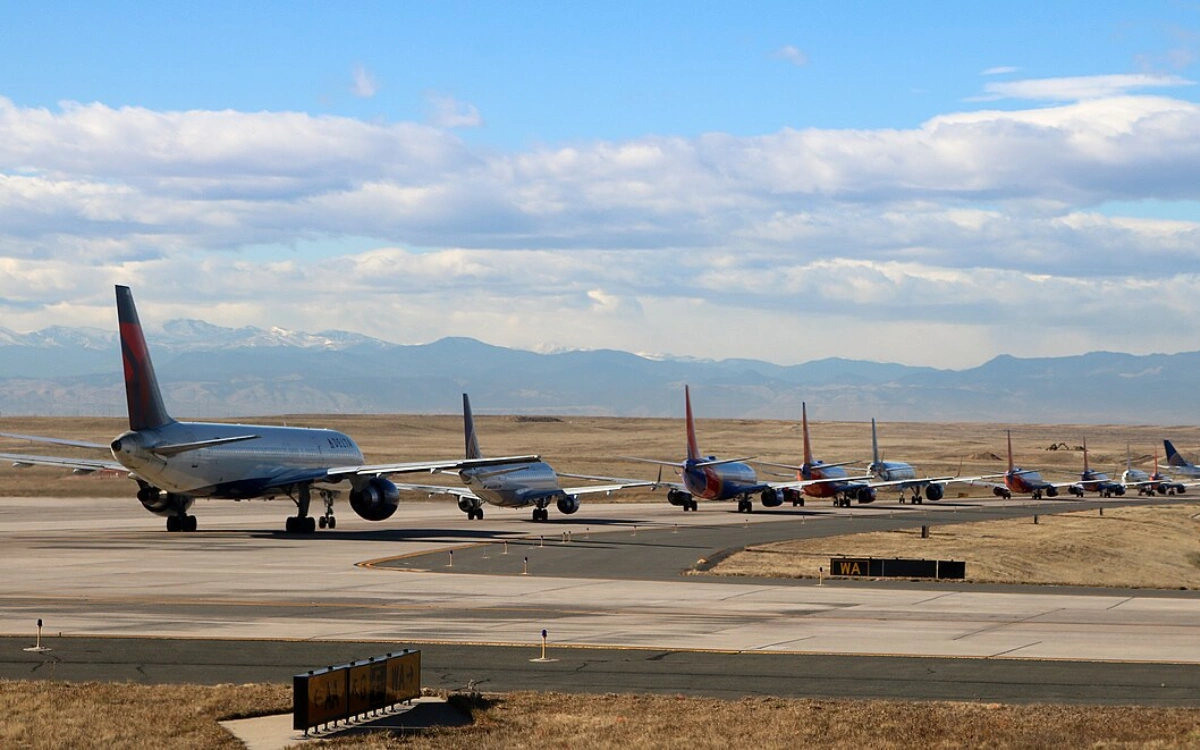
Instead of shaving minutes off flights, airlines focus on reducing costs, because most travelers would rather pay less than arrive slightly earlier.
Fuel efficiency sits at the heart of this equation.
Flying faster dramatically increases drag, which in turn increases fuel burn.
Modern airplanes are therefore designed to fly at their most economical speeds, typically between Mach 0.78 and Mach 0.86 (around 500–550 mph).
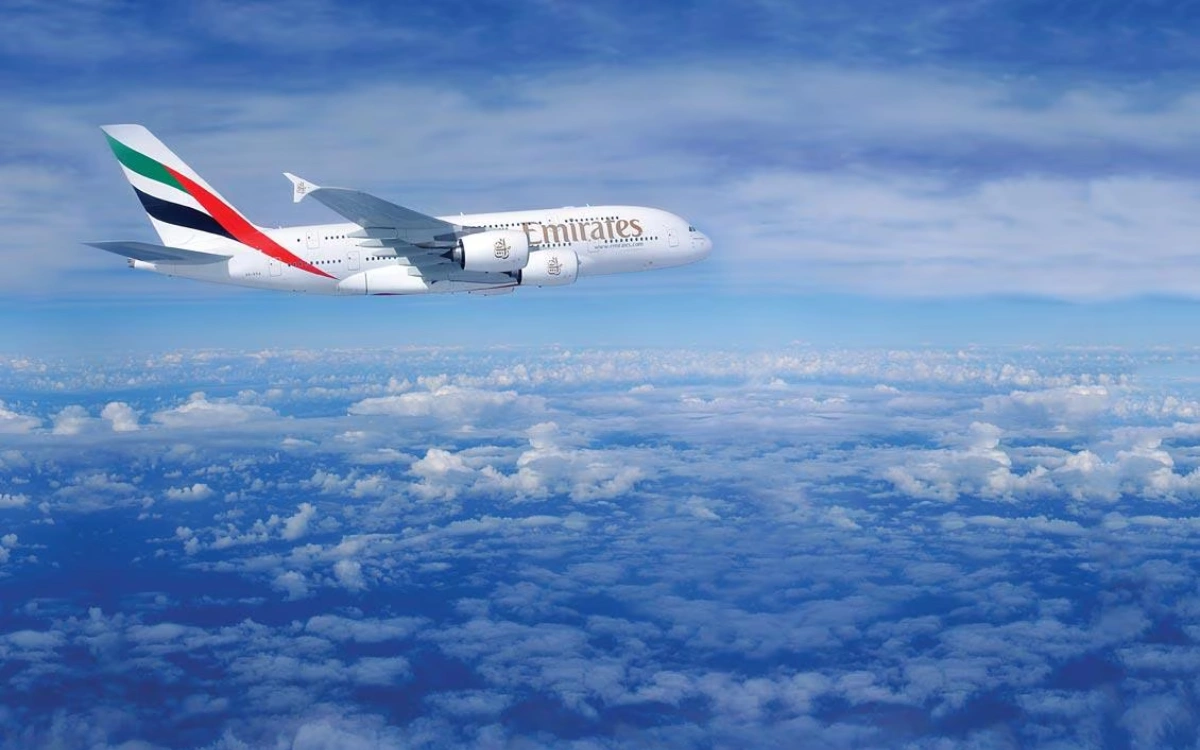
Advances in engine technology have made today’s aircraft vastly more efficient than their predecessors.
Compared to jets from the 1950s, modern aircraft use roughly 10 times less fuel per passenger per mile, while carrying far more people over longer distances.
Engine design plays a crucial role.
Supersonic travel may return, but with caveats
This inefficiency ultimately doomed Concorde.
While it could cross the Atlantic in just over three hours at Mach 2, it burned far more fuel per passenger than subsonic jets and carried fewer people in a cramped cabin.
While it was novel to cross the Atlantic in just over three hours, you weren’t going to get flight tickets for just $129.
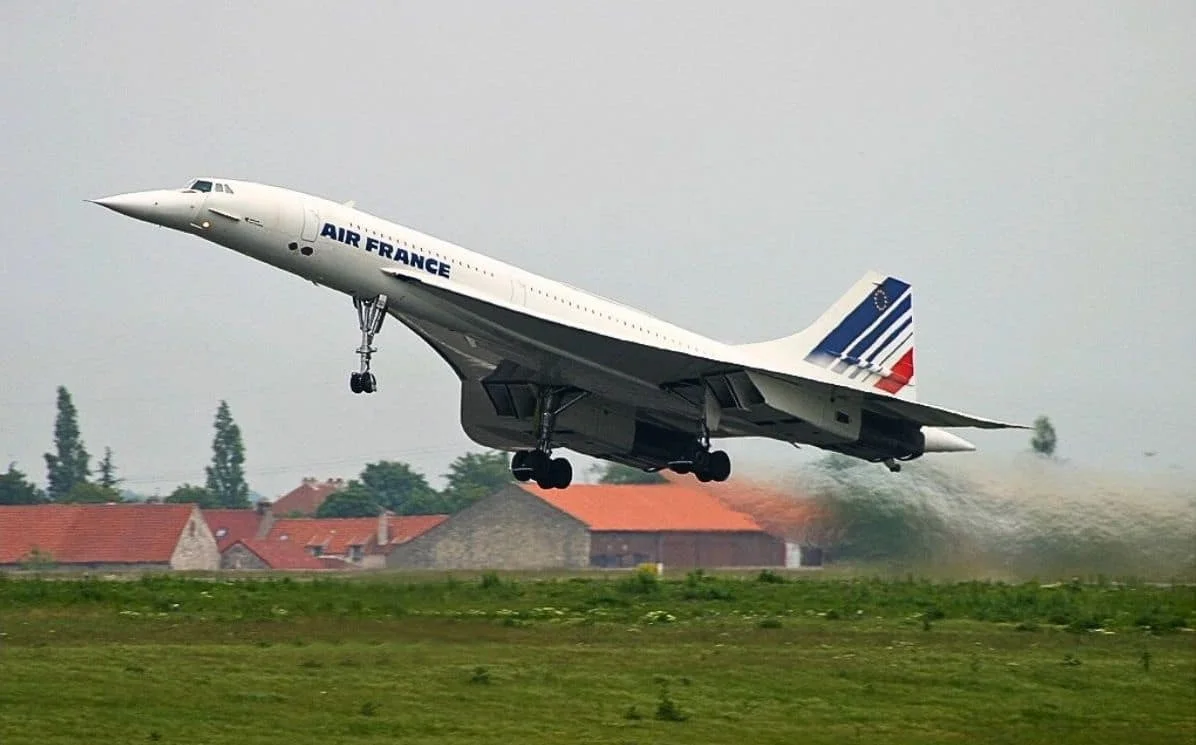
Instead, tickets were extremely expensive, flights were rarely full, and operating costs were unsustainable.
When compared to modern aircraft like the Boeing 787, which carries nearly three times as many passengers while using far less fuel per mile, Concorde simply didn’t make economic sense.
Environmental pressures reinforce this trend.
Airlines face increasing scrutiny over emissions and noise, pushing manufacturers to prioritize quieter, cleaner, and more efficient aircraft rather than faster ones.
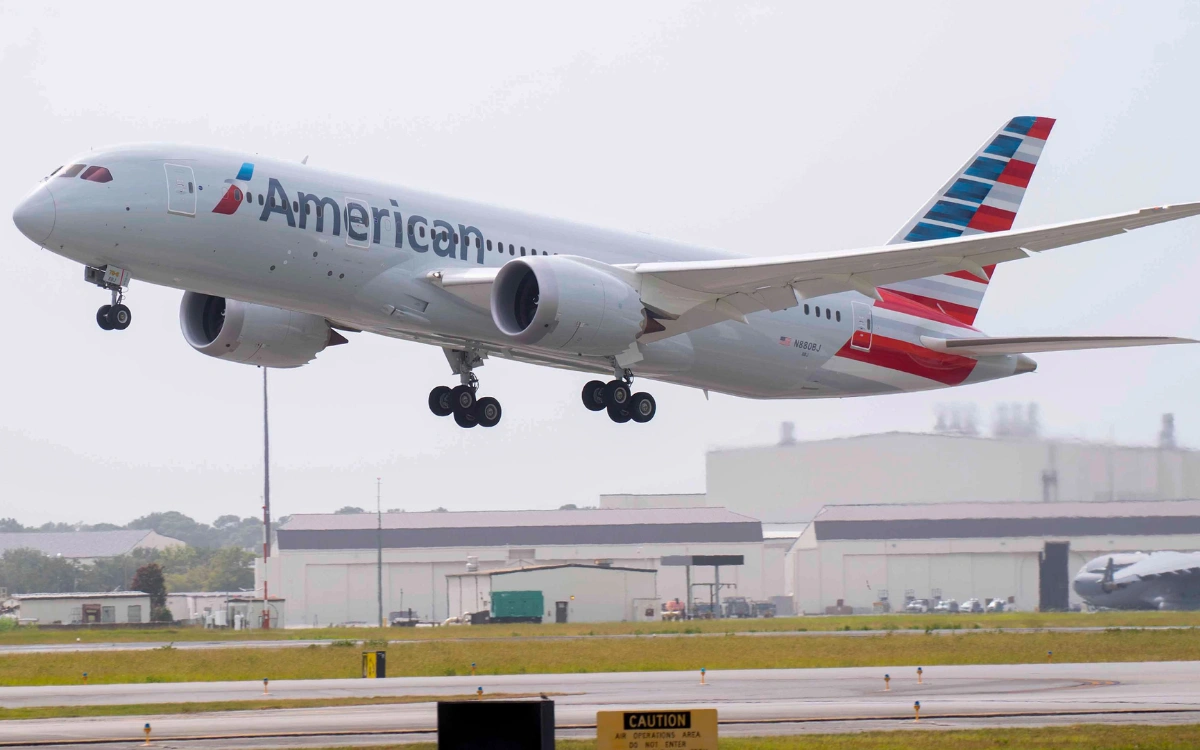
Although supersonic travel may return in niche markets, commercial aircraft speeds are unlikely to change much.
Just think of it this way: while the world’s fastest hypercar can hit speeds of more than 300mph, most of us are more likely to be driving something like a Toyota Camry instead.
In short, even if supersonic travel is possible once again, it’s not economical for commercial aircraft to fly that fast.
DISCOVER SBX CARS: The global premium car auction platform powered by Supercar Blondie