Worst-performing Fast & Furious movie is now a fan favorite
Published on Dec 12, 2025 at 11:12 PM (UTC+4)
by Alessandro Renesis
Last updated on Dec 12, 2025 at 5:13 PM (UTC+4)
Edited by
Amelia Jean Hershman-Jones

It’s official: Tokyo Drift is the worst-performing Fast & Furious movie by a significant margin in terms of box office performance, and yet fans absolutely love it.
It was first released in 2006 and, as YouTube channel Screen Junkies aptly said, ‘it was one Vin Diesel cameo away from totaling the whole franchise.’ Yikes.
But hindsight is a wonderful thing, and today Tokyo Drift is a movie everyone loves.
And we managed to find actual solid evidence to support this claim.
DISCOVER SBX CARS: The global premium car auction platform powered by Supercar Blondie
For once, there’s solid data to back up this ‘opinion’
Ranking movies from best-performing to worst-performing is easy.
All you have to do is look at box office data.
Ranking movies based on critical success is different because reviews are often biased, and opinions are too.
But we did manage to find evidence to support the claim that Tokyo Drift is a fan favorite.
We begin with initial reviews in 2006 versus reviews now, 20 years later.
When it first came out, Tokyo Drift got a 38 percent critic score on Rotten Tomatoes – the biggest movie review aggregator – and the audience score was pretty similar, whereas it now sits at 69 percent.
There have also been (recent) fan polls on Reddit, IMDb, Screen Rant, Esquire, and BuzzFeed News.
Tokyo Drift never dropped below third place, and often ranked either first or second, usually right ahead and right behind The Fast and the Furious – the first movie.
Why people love Tokyo Drift now
In one word: cars.
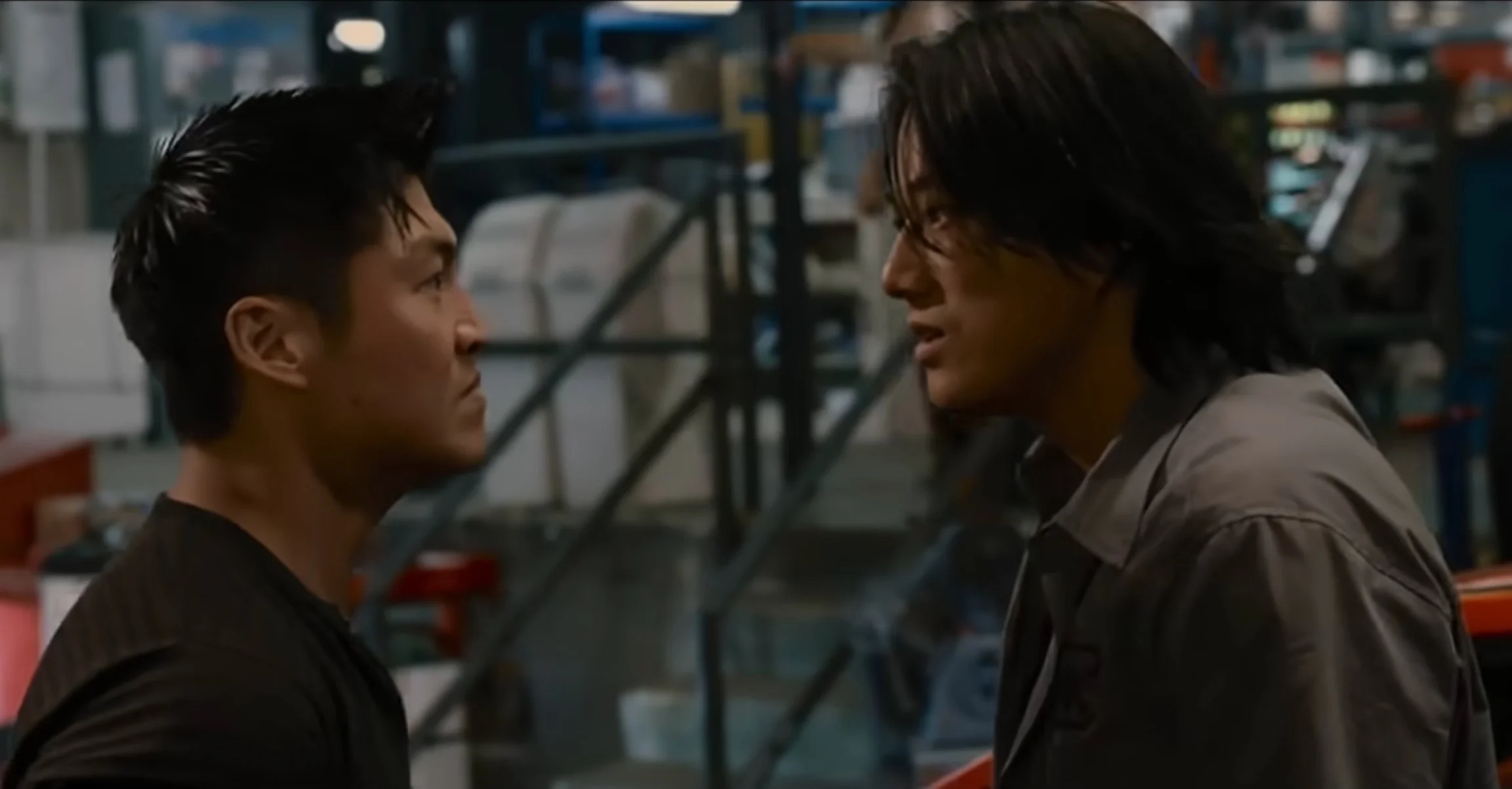
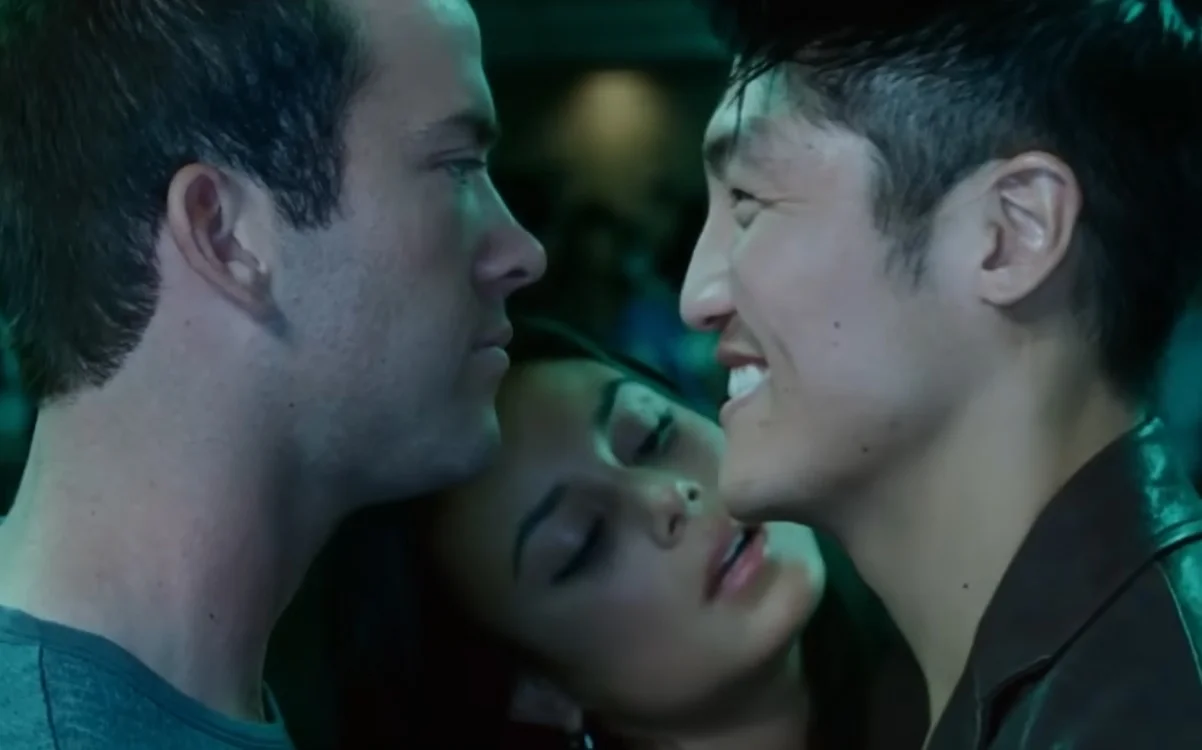
In two words: cars, and Han.
With the exception of a 30-second Vin Diesel cameo, Tokyo Drift didn’t include any of the original characters from previous movies, but it introduced Han Lue (Sung Kang), a character who also became a fan favorite.
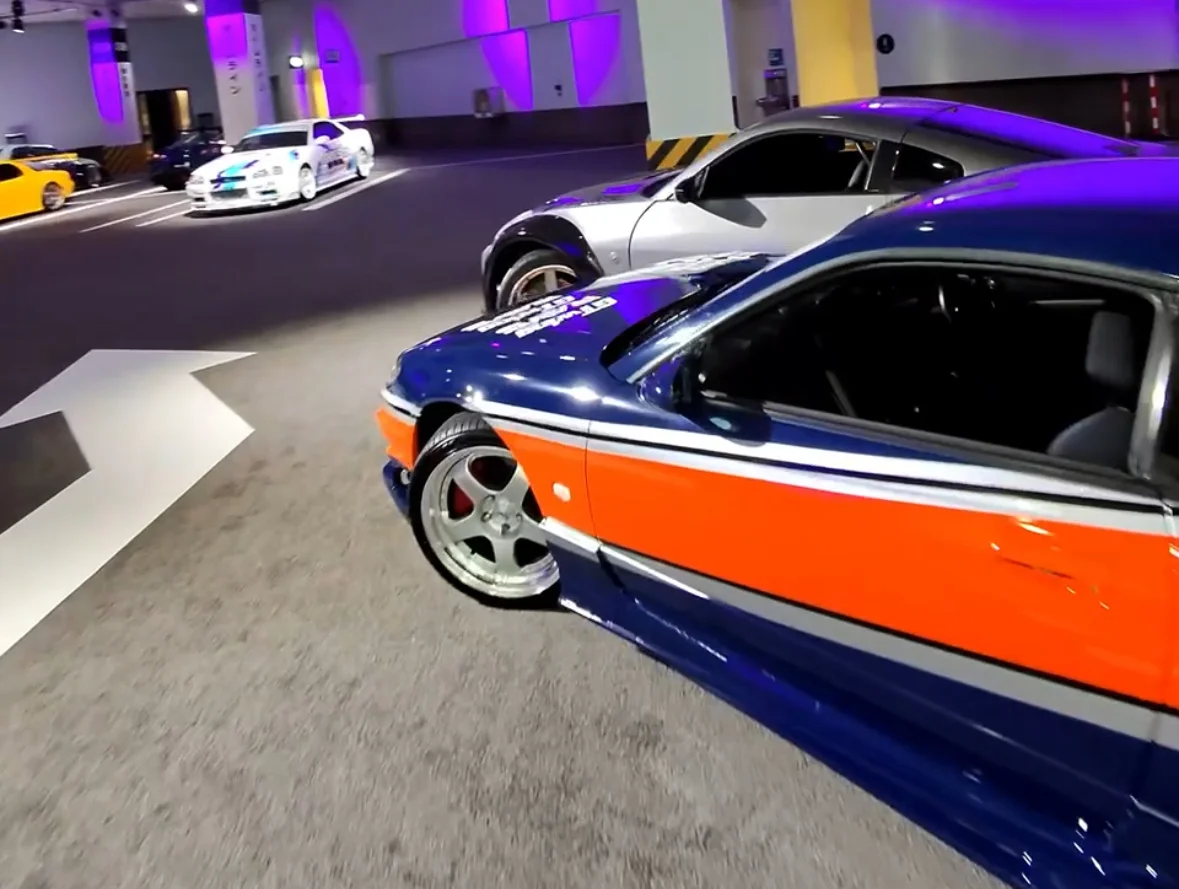
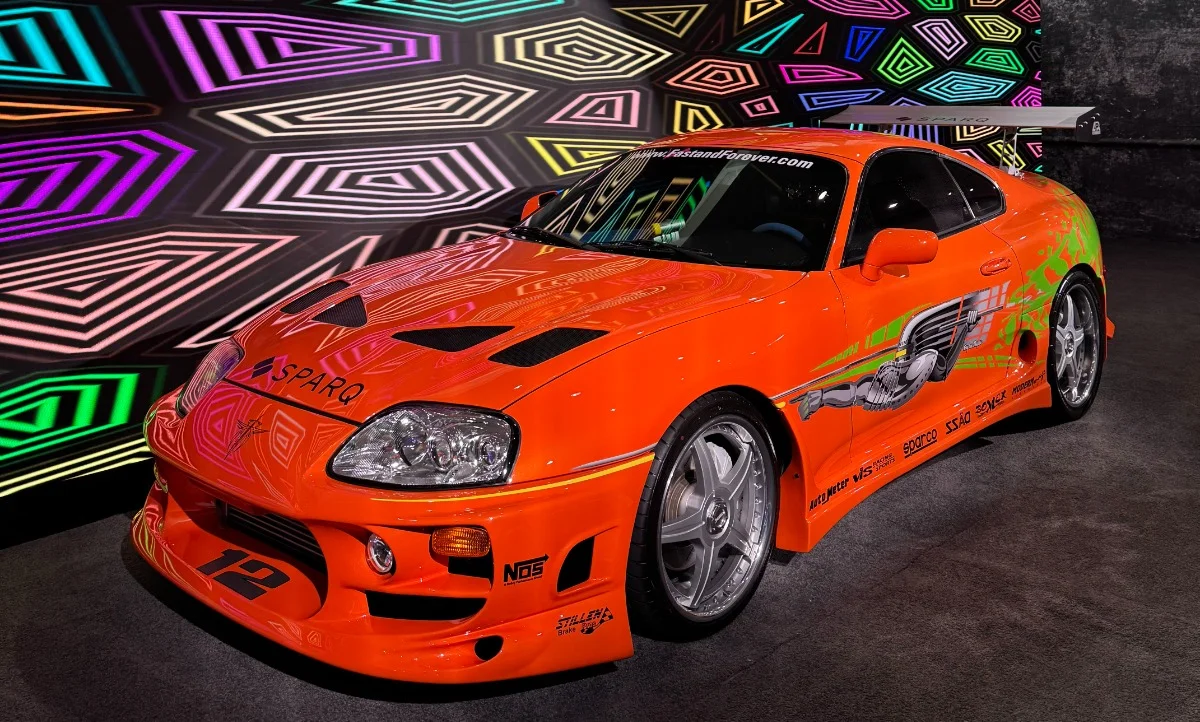
Tokyo Drift was also entirely about cars.
There were no evil villains that wanted to destroy the world, no spy games, and the heist element was absent.
It was just about two people driving two cars to the max to win a race, which was the premise of the entire franchise, and also what made it iconic.
And the production team seems to have learned that lesson after a couple of movies with action sequences (F9 and Fast X) that were just too OTT, even for Hollywood.
The budget was enormous, while the box office takings weren’t as great as expected, and, as a result, they were still profitable but only by a very tiny margin, which ultimately led to a decision.
In a recent interview, Vin Diesel said the next Fast & Furious film, which will almost certainly be the franchise finale, ‘will go back to the original roots’.
Timeline of the Fast & Furious franchise
The Fast and the Furious (2001): the first movie
2 Fast 2 Furious (2003): introduces new characters, as Paul Walker is the only main actor to reprise his role
Tokyo Drift (2006): new setting and new characters, with the exception of a small Dominic Toretto (Vin Diesel) cameo
Fast & Furious (2009): Paul Walker and Vin Diesel share the screen for the first time since the original movie Fast Five (2011): the franchise moves away from the underground street racing theme to include heist and spy movie elements
Fast & Furious 6 (2013): Luke Hobbs (The Rock) turns from villain to ally – this’ll become a recurring plot point Furious 7 (2015): Paul Walker dies mid-filming, and the production team turns the movie into a tribute to Walker by using CGI and also casting Walker’s brothers Cody and Caleb
The Fate and the Furious (2017): the car element is nearly gone as spy/heist themes become predominant
Hobbs & Shaw (2019): first spin-off starring Luke Hobbs (The Rock) and Deckard Shaw (Jason Statham)
F9 (2021): the franchise has fully moved away from the car theme with increasingly spectacular action stunts, Han’s character is ‘resurrected’ for the first time after dying on screen in Tokyo Drift
Fast X (2023): just like F9, slightly underperforms at box office despite bigger budget, leading the production team to rethink the franchise to go back to the original underground street racing theme
After beginning his automotive writing career at DriveTribe, Alessandro has been with Supercar Blondie since the launch of the website in 2022. In fact, he penned the very first article published on supercarblondie.com. He’s covered subjects from cars to aircraft, watches, and luxury yachts - and even crypto. He can largely be found heading up the site’s new-supercar and SBX coverage and being the first to bring our readers the news that they’re hungry for.