People questioned why engineers built a winding road instead of a straight route in viral photo but this is why they did it
Published on Jul 03, 2026 at 4:52 AM (UTC-4)
by Alessandro Renesis
Last updated on Jul 06, 2026 at 4:55 AM (UTC-4)
Edited by
Mason Jones
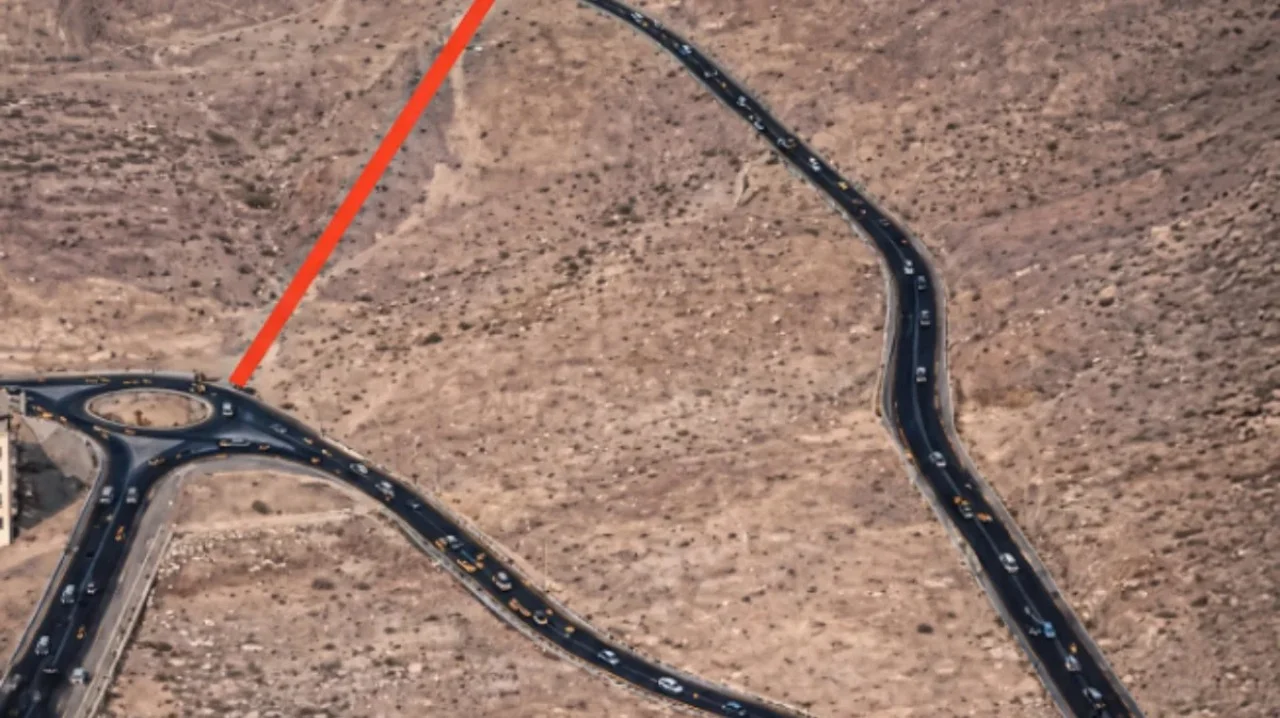

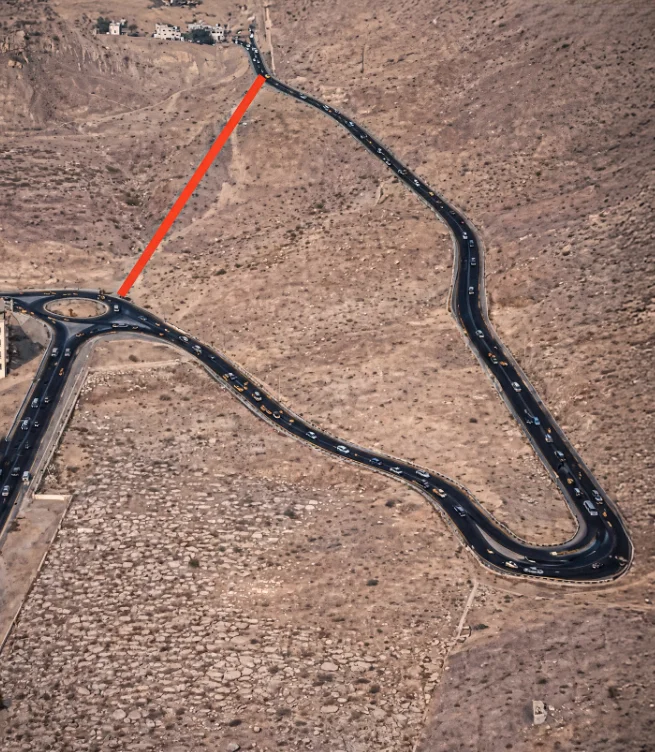
A picture of a winding road in the mountains went viral because people online started asking a very simple question.
Everyone was wondering why engineers decided to build this complex road instead of a straight one up the hill instead.
At first glance, the zig-zagging route seems unnecessary.
But the real reason comes down to physics, safety, and common sense.
There are several reasons why a winding road is safer and better
One of the main problems is that mountain landscapes are incredibly difficult to build on or through; carving a straight line into a hillside requires massive excavation.
This is both hard to do and expensive.
It means you have to blast rock, stabilize cliffs, and install large structural supports to prevent collapses and landslides.
By making the road follow the ‘natural’ geography of the mountains, the amount of ‘disruption’ you’re causing is significantly less dramatic.
The cost is less dramatic, too.
Less excavation and fewer large structures mean the road is cheaper and easier to build, and cheaper and easier to maintain.
Related
Here’s why turns and curves help
There are several mountain roads in the world that feel much longer than they are because of their bends and turns.
Car people love them because they’re great for driving.
Transfăgărășan in Romania, the Stelvio Pass in Italy, Blue Ridge Parkway in the US, and so on.
These roads go on for miles and give you a spectacular view of the scenery.
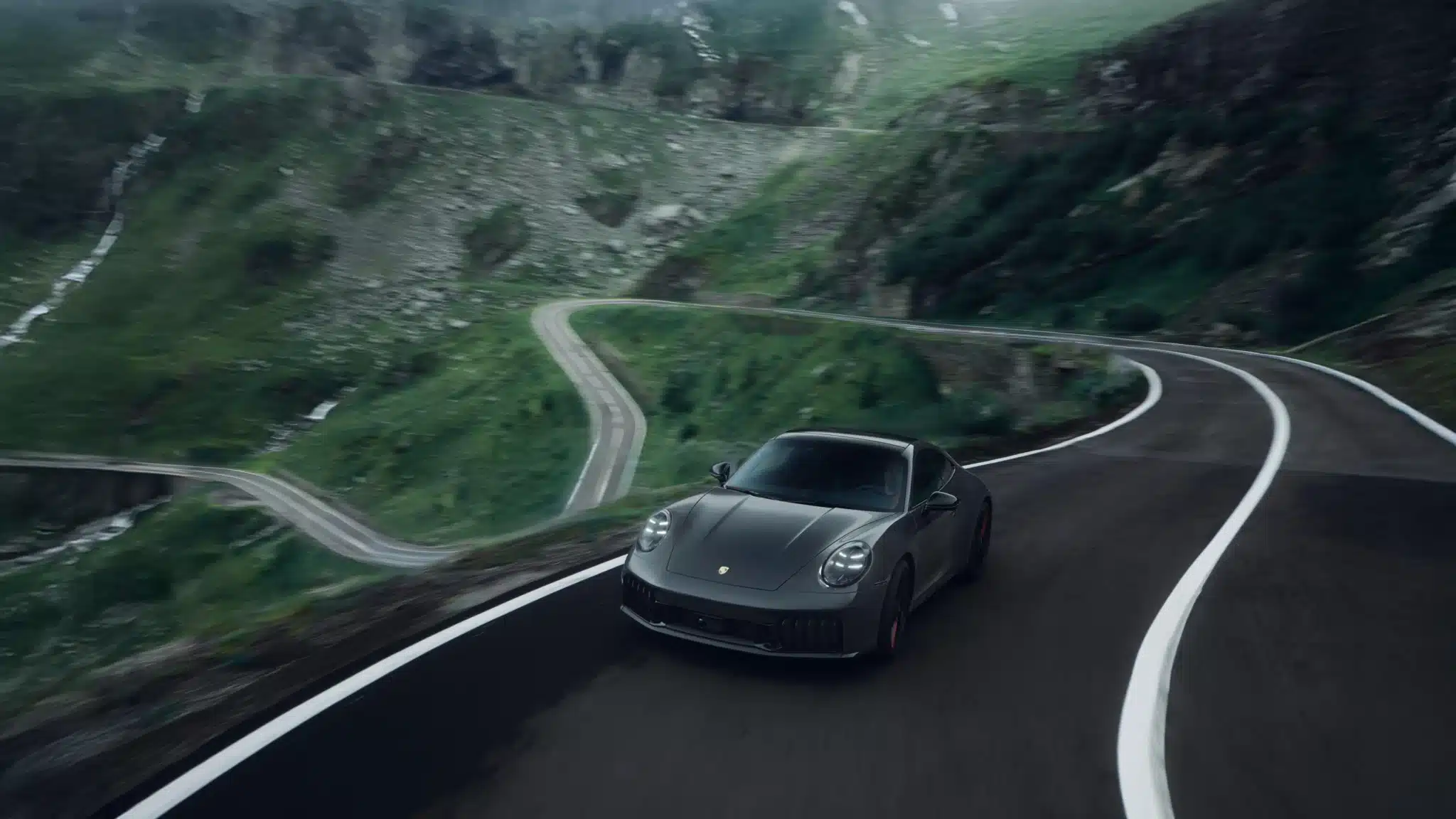
They look amazing, but there’s a more practical reason these mountain roads are built like that.
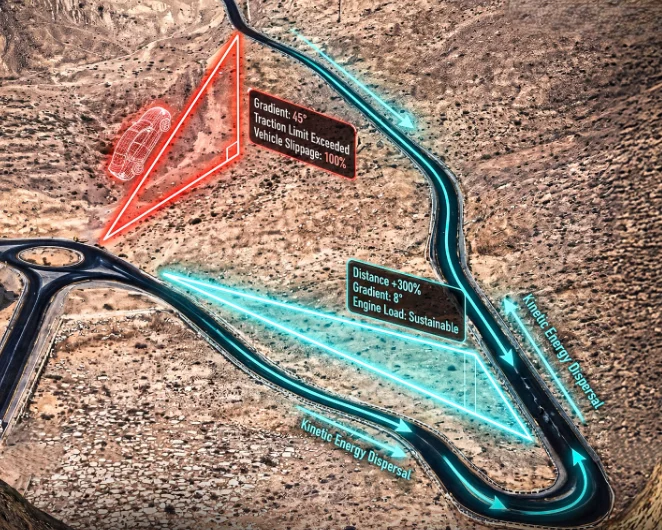
If engineers built a straight road up a steep mountain, the slope would quickly become too sharp for most vehicles to handle safely.
Road engineers opt for longer, winding roads because they’re easier on the car, and therefore easier on the driver.
By increasing the distance the road travels, you reduce the gradient, spreading the height change across a longer distance.
Modern cars – with automatic transmissions and Hill Start assist – handle steep inclines more smoothly, but a winding road is still vital to prevent modern engines and gearboxes from overheating.
For the same reason, you also have more control when heading downhill.
Heavy vehicles would be particularly at risk, which would be a bigger problem today because vehicles today are heavier than ever.
And the fact that these roads are very Instagram-friendly is a bonus.
Alessandro is an automotive journalist with 10 years of experience covering supercars, automotive history, emerging vehicle technology, and luxury transportation. He wrote the first article published on SupercarBlondie.com when the website launched in 2022 and has since built a reputation for insightful reporting across the automotive and transportation industries. His expertise is grounded in hands-on experience. Alessandro has driven every Tesla model ever produced, from the original Roadster to the Cybertruck, and regularly covers the latest developments in electric vehicles and automotive innovation. His passion for transportation extends beyond cars, he has even flown a Boeing 787 Dreamliner simulator in Addis Ababa, Ethiopia. His reporting spans everything from classic American muscle cars and rare automotive discoveries to luxury yachts, private aircraft, high-end watches, and cutting-edge vehicle technology. Known for his deep knowledge of automotive history and ability to uncover the stories behind iconic vehicles, Alessandro brings readers a blend of historical context, technical expertise, and first-hand experience.