World's first flying taxi could be open to the public this year and they could replace helicopters in the long term
Published on Jun 08, 2026 at 8:06 PM (UTC-4)
by Daisy Edwards
Last updated on Jun 09, 2026 at 4:02 AM (UTC-4)
Edited by
Mason Jones
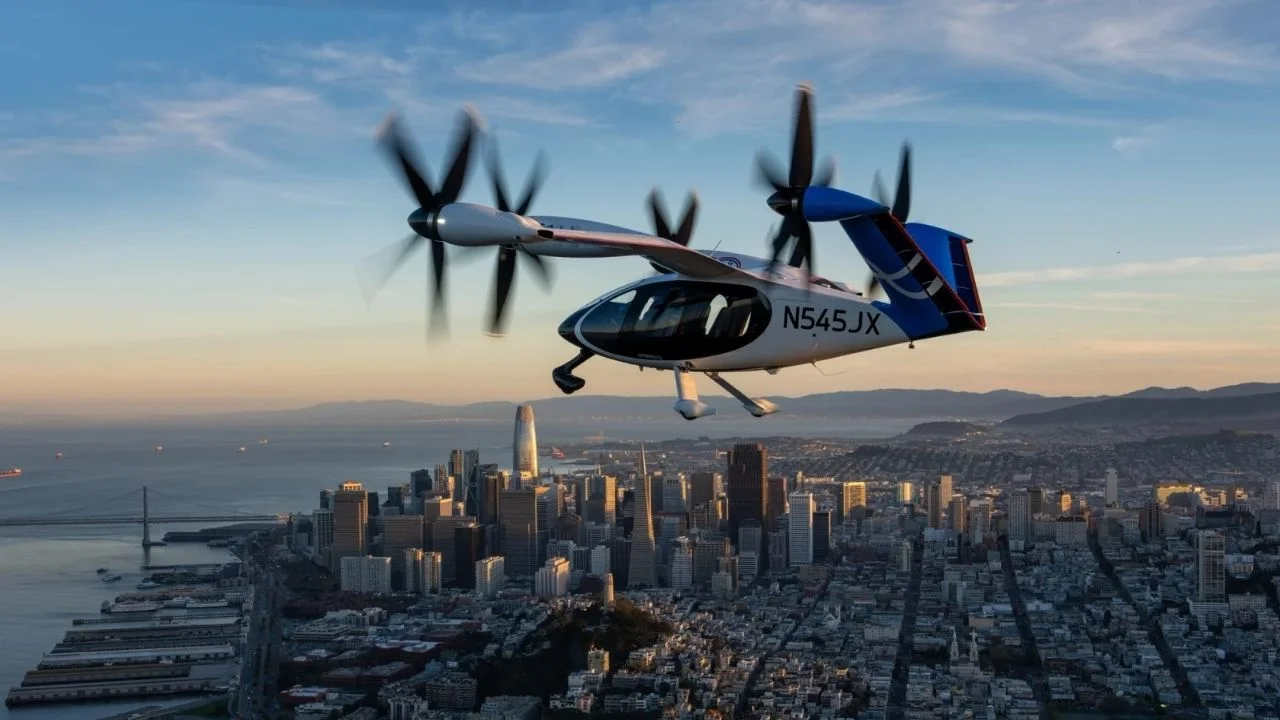

Helicopters better watch out because the world’s first flying taxi service could be open to paying customers before the end of the year.
After years of testing, one company says its electric aircraft are finally nearing commercial launch.
The futuristic vehicles take off and land vertically like helicopters, but they’re quieter, fully electric, and designed specifically for short city journeys.
And if the technology takes off as expected, it could eventually change the way people travel around major cities.
World’s first flying taxi could be carrying passengers this year
For decades, flying taxis have felt like something straight out of the future, replacing airplanes in the blink of an eye.
But California-based company Joby Aviation says that future is now much closer than many people expected.
The company has spent years developing an all-electric aircraft that can take off and land vertically while carrying a pilot and four passengers.
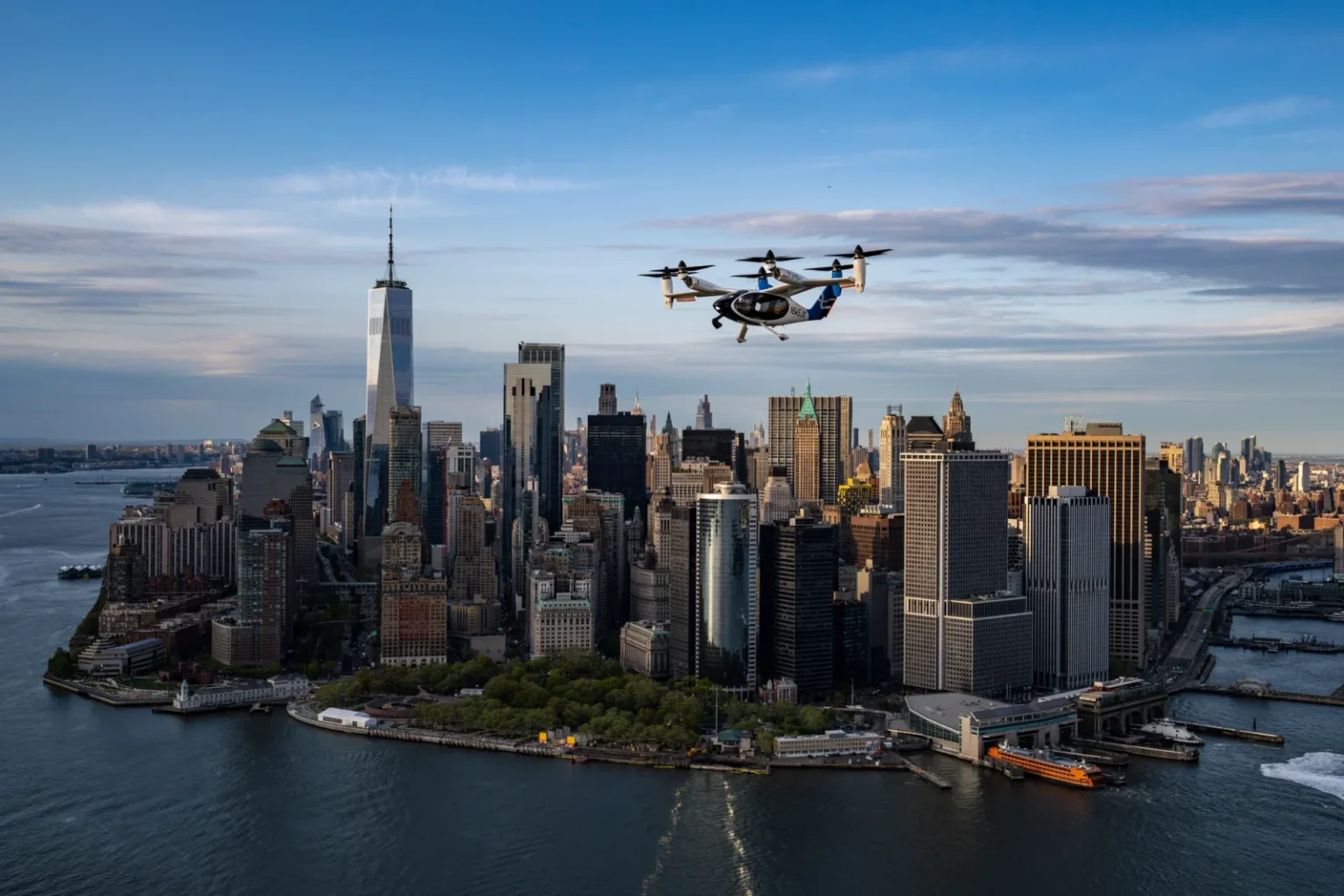
Unlike a traditional helicopter, the aircraft uses six electric rotors and produces far less noise, making it better suited to urban areas. The company says it can reach speeds of up to 200mph.
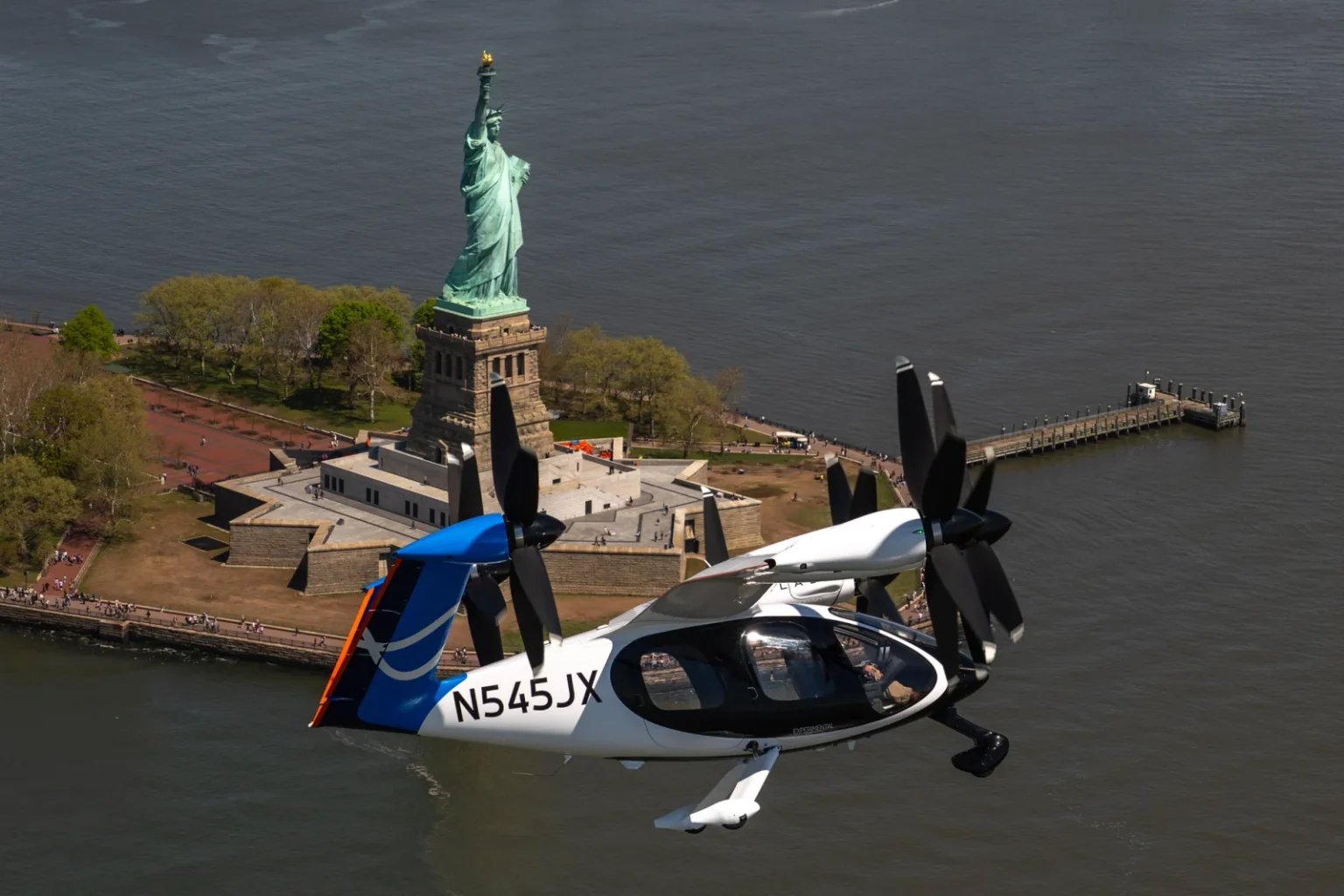
Joby has already completed thousands of test flights and recently carried out demonstration flights in New York City, including routes linking Manhattan and JFK Airport.
Joby is now targeting its first commercial passenger operations in Dubai later this year while also preparing limited US operations through a government-backed air taxi initiative.
Why flying taxis could replace helicopters in the future
One of the biggest selling points of electric air taxis is that they promise many of the advantages of helicopters without some of the drawbacks.
They’re significantly quieter, produce no direct emissions during flight, and are designed to operate on short urban routes that would otherwise involve sitting in heavy traffic.
Joby has also partnered with Uber, with plans for future bookings to be integrated into the ride-hailing app. The aim is for passengers to seamlessly combine ground transportation and air travel as part of a single journey.
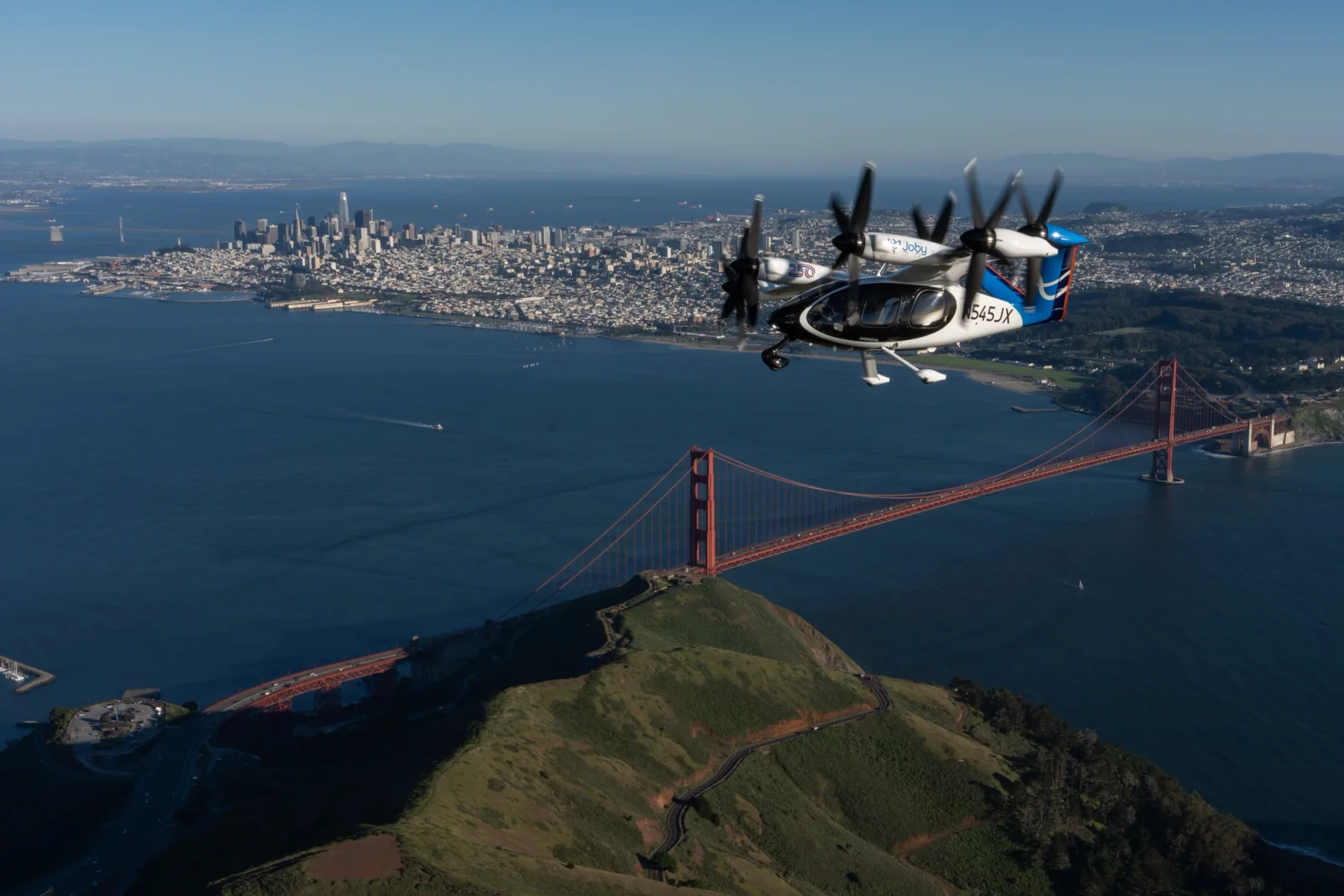
The company has even acquired parts of Blade Air Mobility’s passenger business, giving it access to existing helicopter routes and customers while it transitions toward electric aircraft.
There are still regulatory hurdles to clear before air taxis become commonplace, but momentum is building quickly.
If everything goes according to plan, 2026 could be remembered as the year flying taxis finally moved from the future to everyday reality.
Daisy is a technology and automotive journalist covering artificial intelligence, consumer tech, Apple news, cryptocurrency, emerging technologies, and transportation innovation. Since joining the team in 2025, she has reported on everything from AI-powered startups and major iOS updates to viral car stories and the latest developments shaping transportation and the digital economy. Drawing on her background in automotive journalism and a degree in History and Journalism from Goldsmiths, University of London, Daisy specializes in breaking down complex topics into clear, engaging reporting for a global audience. Her work spans cutting-edge technology, innovative vehicles, and the people driving change across both industries. Daisy has gained first-hand access to some of the world's most talked-about technologies and innovators, including meeting Tesla's Optimus humanoid robot during its first European appearance in London. She has also discussed the future of space exploration with an astronaut, bringing unique insights and real-world perspectives to her coverage of emerging technology.