Car designer reveals why the Fiat Multipla was actually a smart car, and who wins in the eternal designer vs engineer debate
Published on Jul 12, 2026 at 2:02 PM (UTC-4)
by Alessandro Renesis
Last updated on Jul 14, 2026 at 11:44 AM (UTC-4)
Edited by
Mason Jones
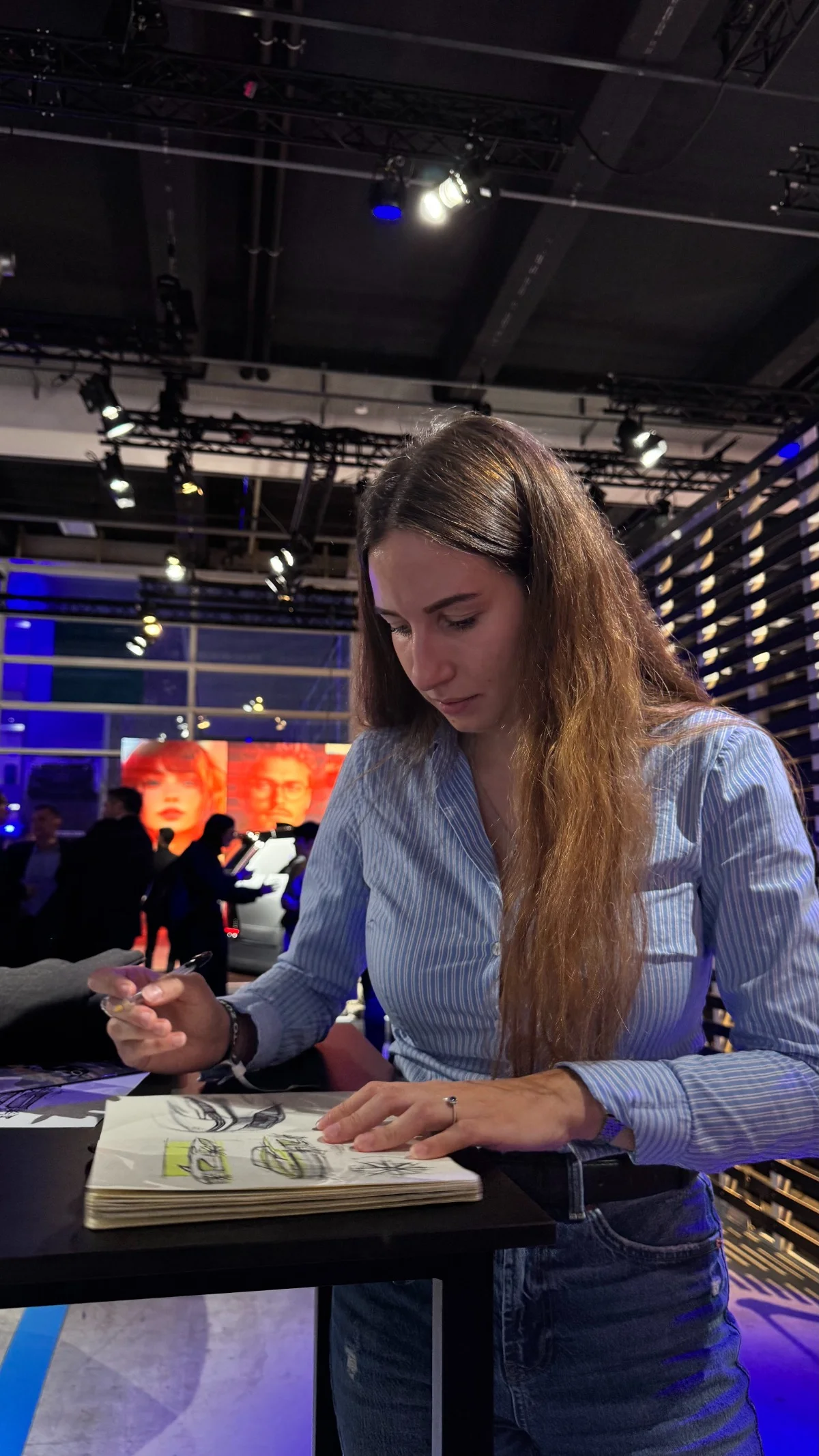

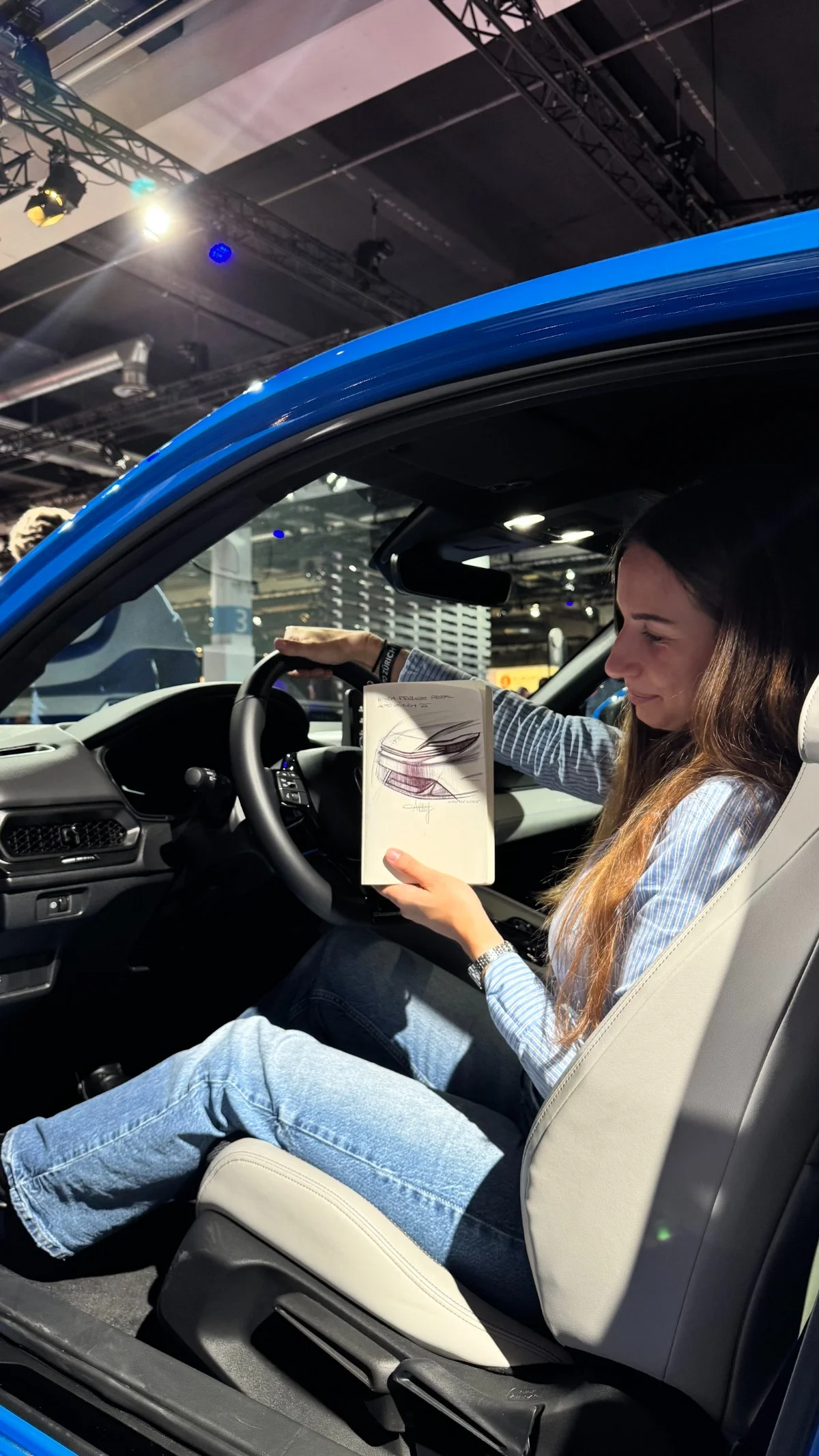
We had a chat with Alessia Loreley Ombrella Marqués, an Italian-Swiss-Argentinian car designer, because we had a question to ask.
Actually, we had more than one, but there was one in particular that needed an answer.
Well, she came through.
And she also revealed what she thinks of one of the quirkiest Italian cars ever: the Fiat Multipla.
Does form follow function, or is it the other way around?
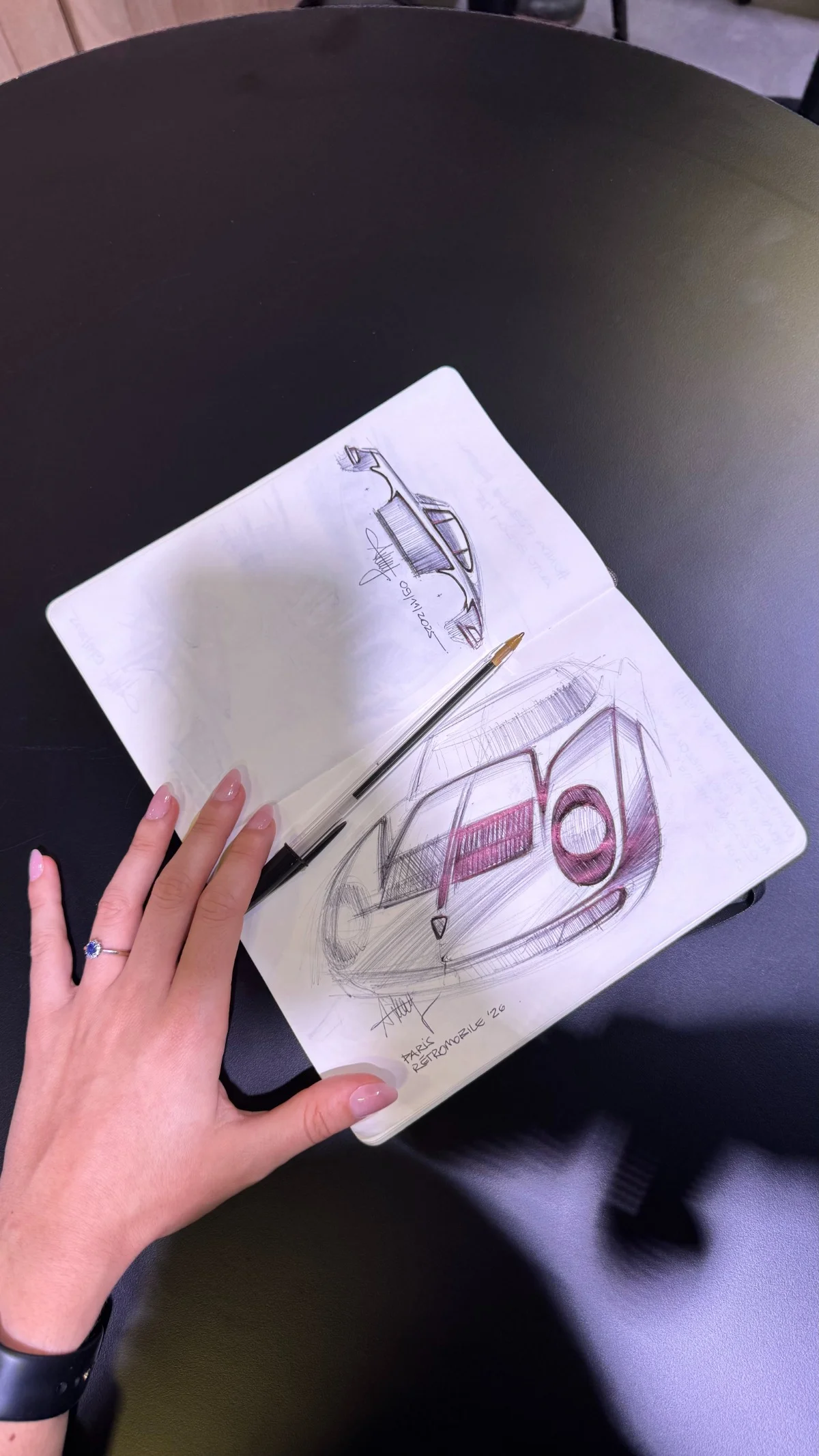
That’s the million-dollar question, but she had a million-dollar answer.
“I don’t think it necessarily follows a specific order. Every designer has their own method,” Alessia told Supercar Blondie.
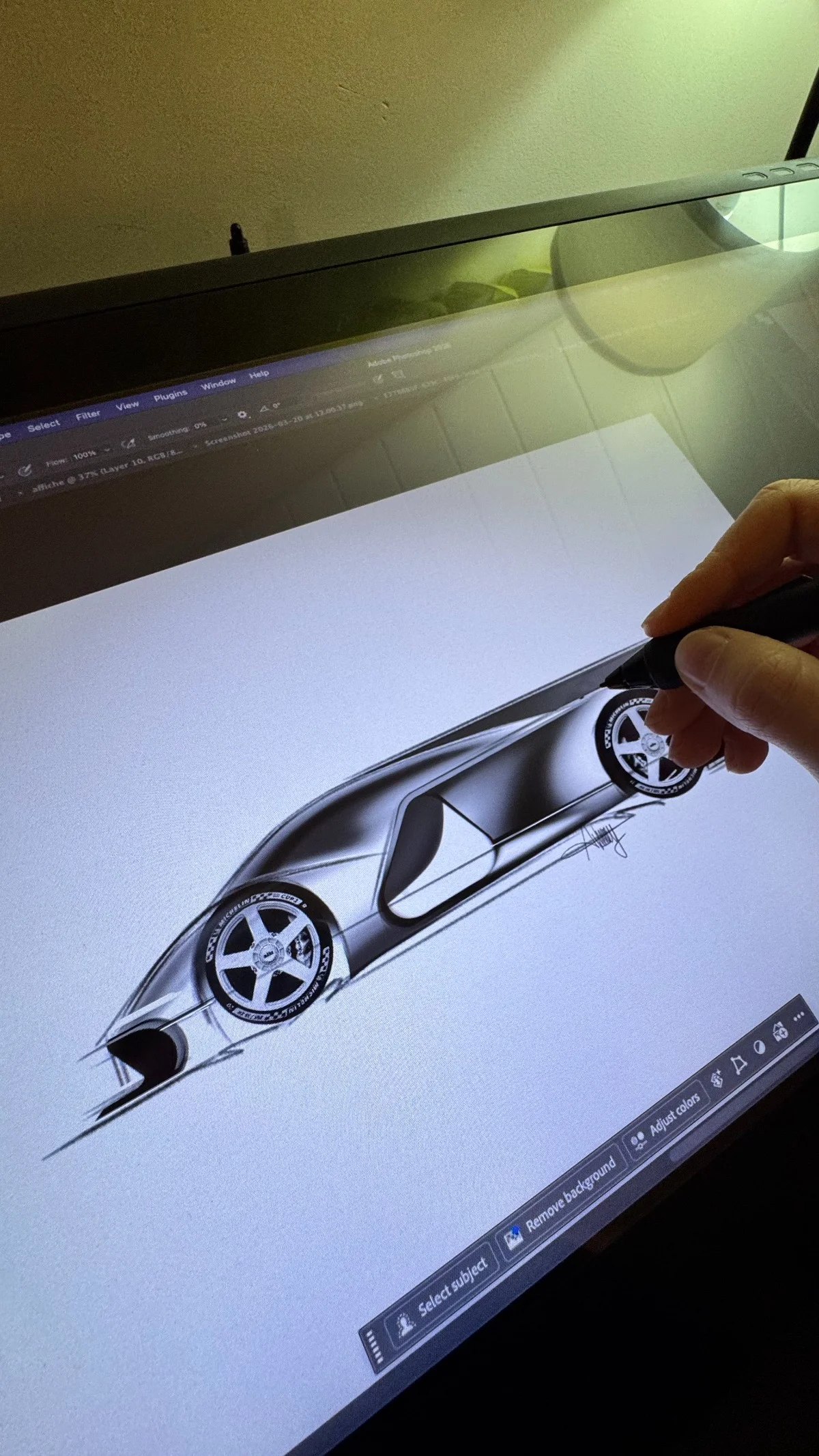
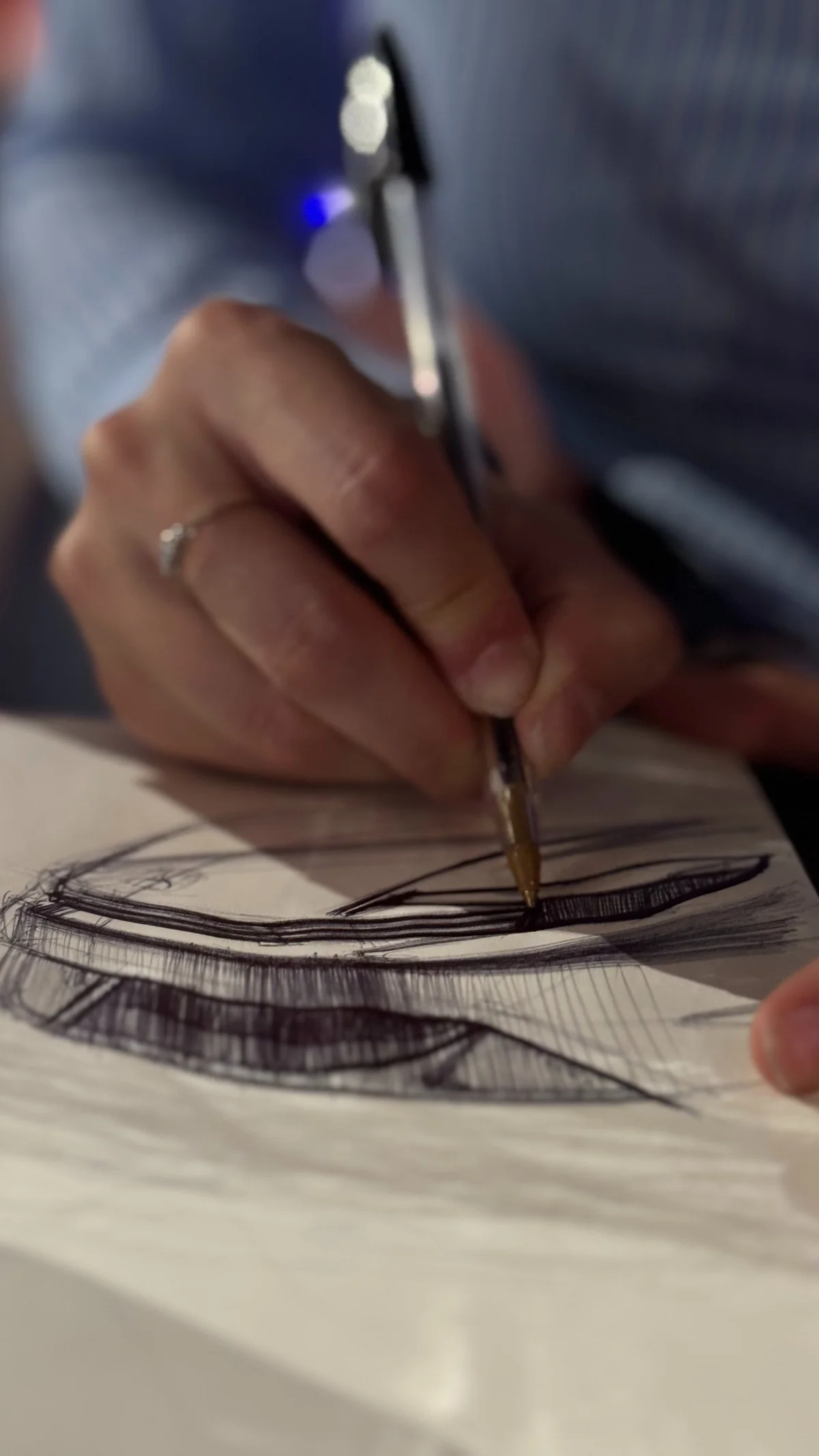
“Personally, I mostly start by drawing something that ‘follows its function’, but that doesn’t mean I always get it right the first time. Sometimes, a ‘back-and-forth’ approach helps. You can see design challenges differently, and that works for me,” she explained.
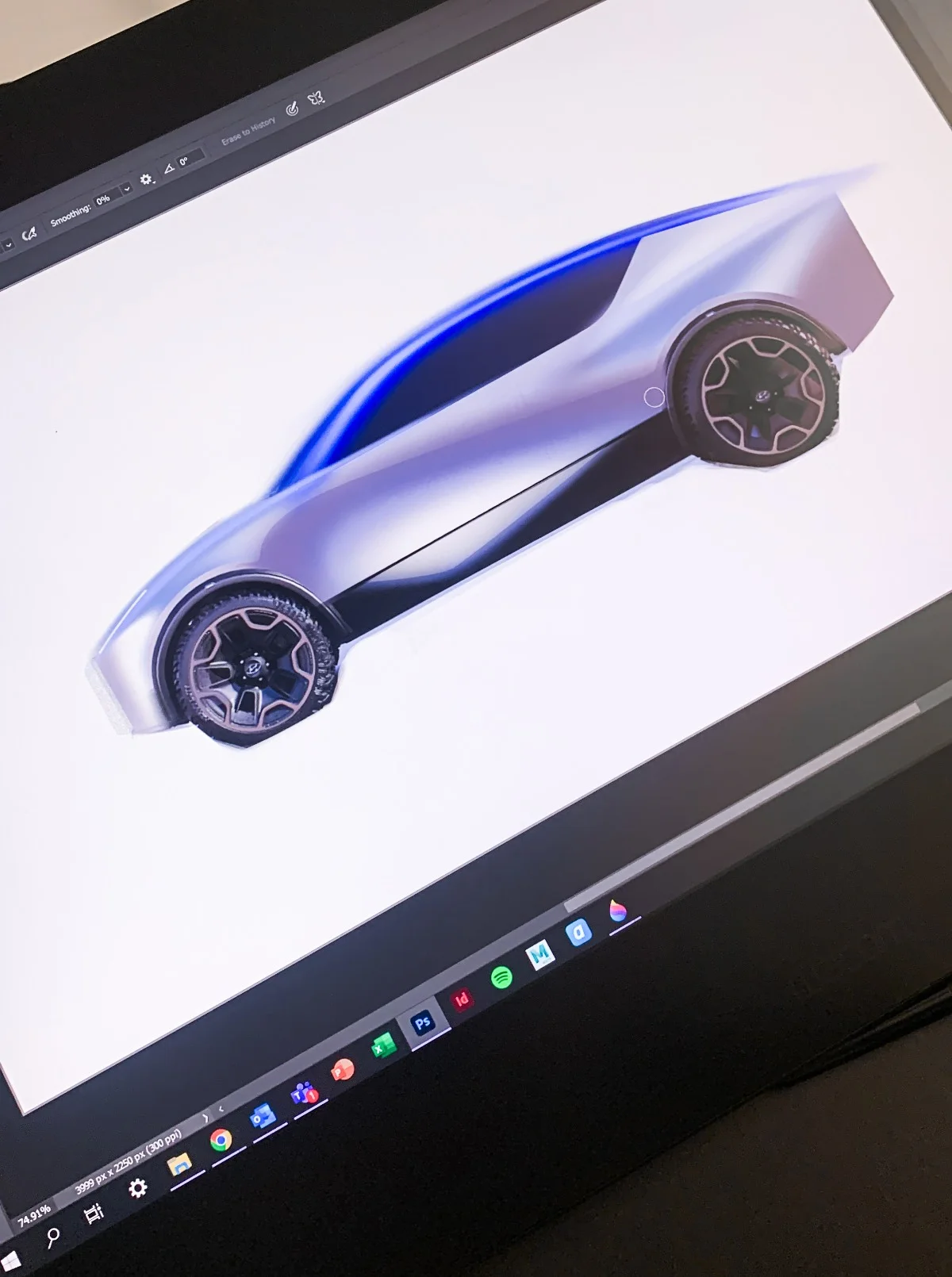
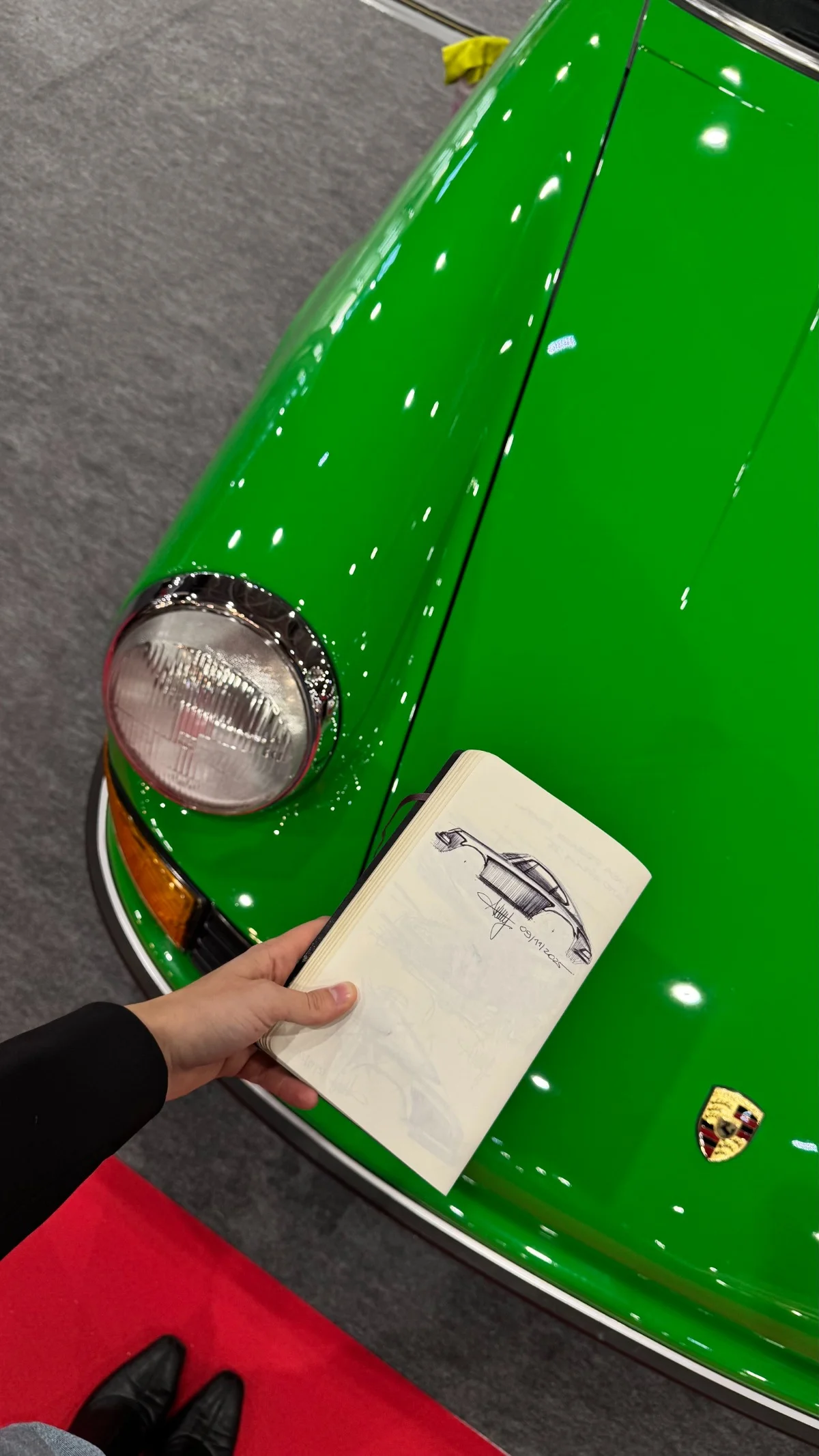
“Most times, it’s just great to let your hand flow and sketch a car naturally. You don’t have to think about the constraints… yet. On several occasions, those natural lines suggest a design solution you wouldn’t have thought about if you started by focusing on the problem first,” she said.
Related
Can you think of specific examples of an iconic car feature that was only added for function, not form?
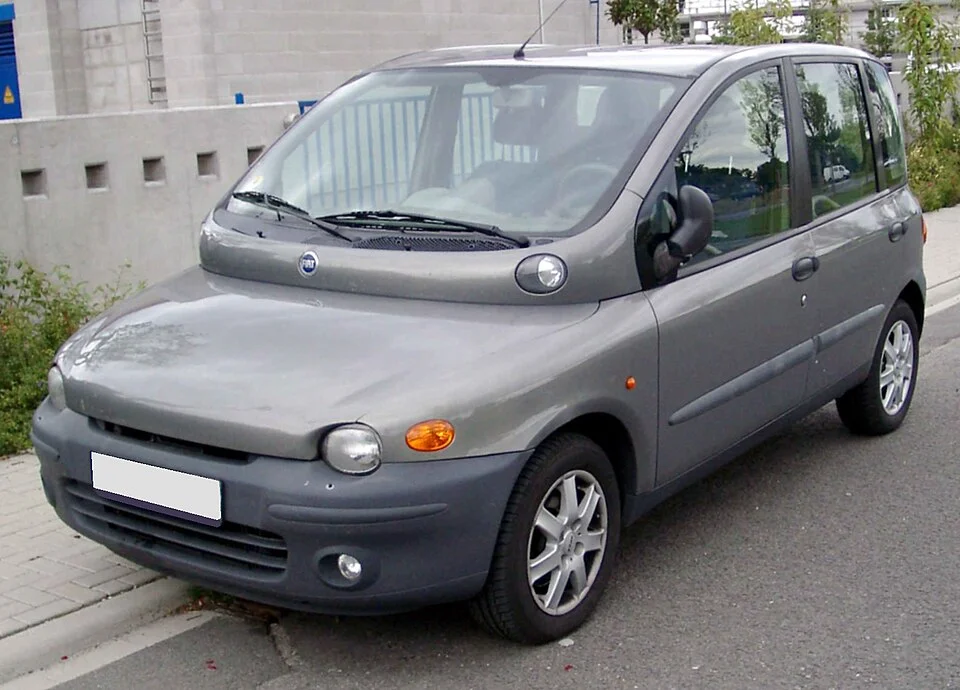
At this point, she immediately dropped the bombshell by mentioning the Fiat Multipla, possibly the most talked-about Italian car before the Ferrari Luce.
“I think the Fiat Multipla is a great example. It’s not the best-looking car out there, but it strongly focused on functionality: low belt line for better visibility, driver-oriented interior, great accessibility,” she said.
And it worked.
Everyone loved to hate the Multipla, but it was actually a best seller.
As a car designer, what’s your relationship with engineers?
We asked a mechanical engineer the same question, so it only felt fair to ask a car designer what they think.
“I have always had a great relationship with engineers and also other specialists,” she said.
“Thinking you have all the answers isn’t the wisest choice. You can believe in your own design, but you have to be open to collaboration. We have to learn to listen and understand why people and colleagues from other departments are suggesting some changes,” she explained.
“[They are only doing this] when your design impacts their work, and they speak from knowledge and experience. When there is great communication and genuine interest in other people’s work, not only does it create a healthier work environment, but it helps you find a solution,” Alessia told Supercar Blondie.
In the tug-of-war between bold design and technical constraints, which side usually wins?
“The smarter mind wins. You just have to make both those things work together,” she said.
Does the engineering package dictate the silhouette, or is it the other way around?
“I would say it does play a huge part. But then again, great designers are able to work around technical constraints. The Ferrari Purosangue is a great example,” she revealed.
When there’s a conflict between visible surfaces (eg, the exterior) and invisible constraints (suspension, engine height) – who is typically forced to compromise first?
“Invisible constraints always come first, especially if we have carry-over parts of using an existing platform,” she said.
This is a huge talking point these days.
When you look at VW Group, for example, we’re talking about dozens of cars built using just a handful of shared platforms.
“At the end of the day you need you build a car that works. Anything else is pointless,” she explained.
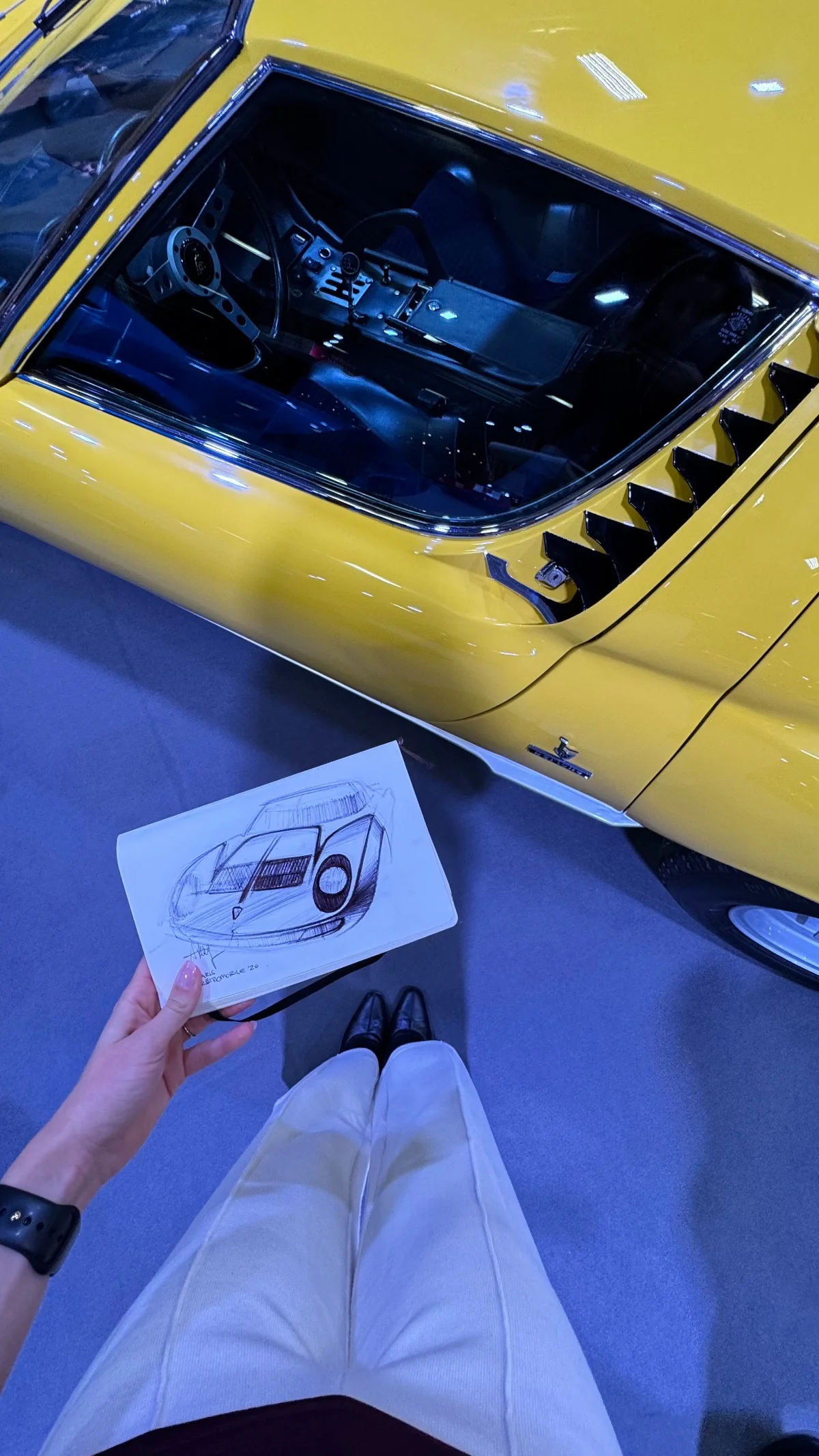
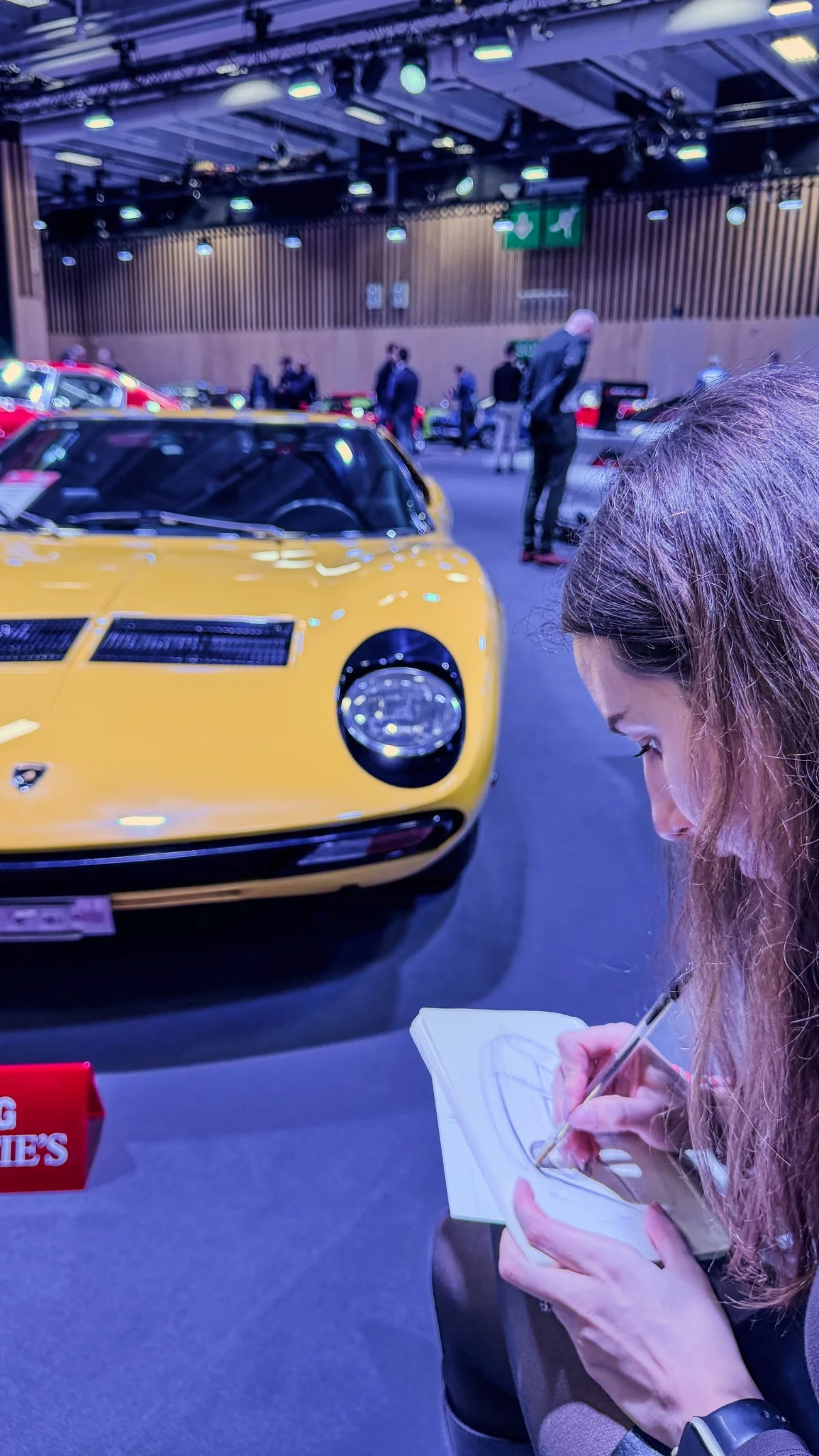
Who’s your favorite car designer of all time?
“For me it’s Aldo Brovarone,” she said without a moment’s hesitation.
At this point we need to provide some background and context.
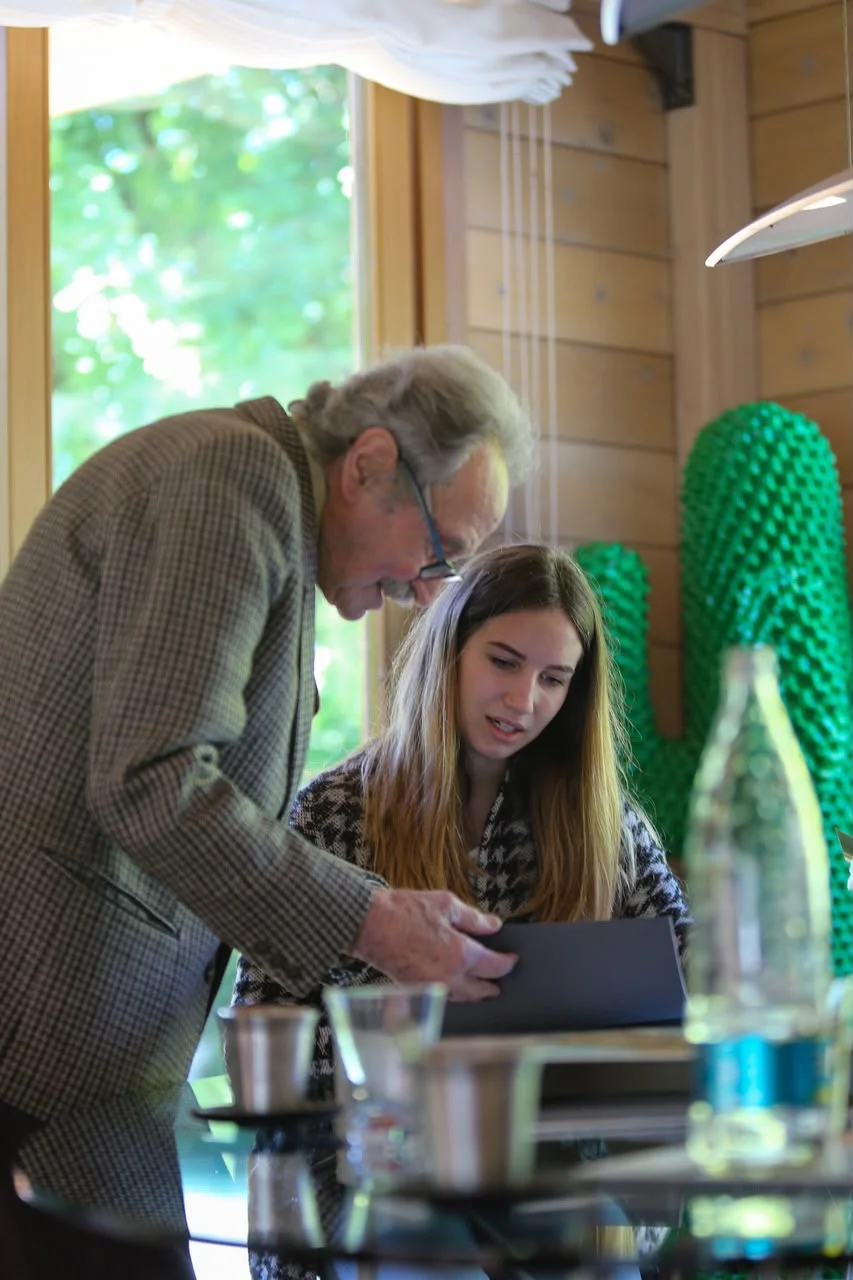
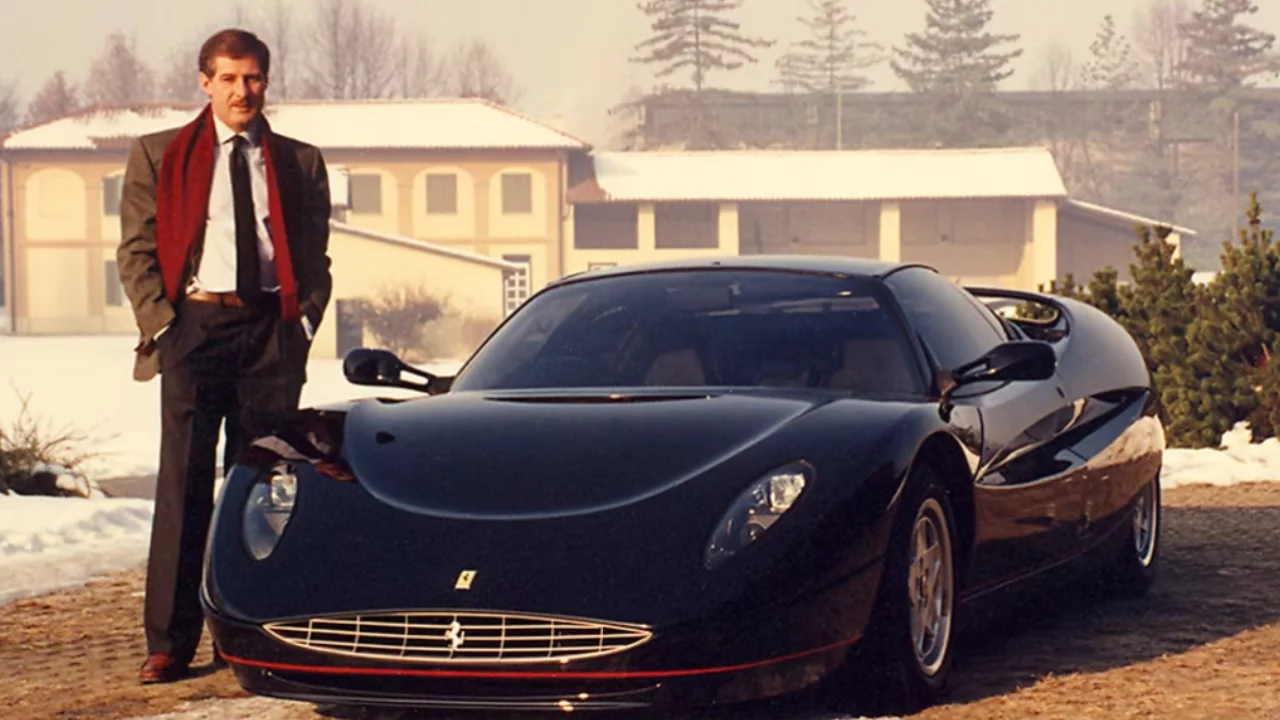
Brovarone (pictured above) was an Italian designer who worked on a handful of cars, mostly Italian, between the 1960s and 2000s.
Among others, he designed or co-designed the Ferrari 250 LM, 400 Superamerica, F40, Lancia Gamma Coupé, Thema Familiare SW, Beta Spider, Peugeot 504, and the Porsche Boxster-based RUF RK Spyder.
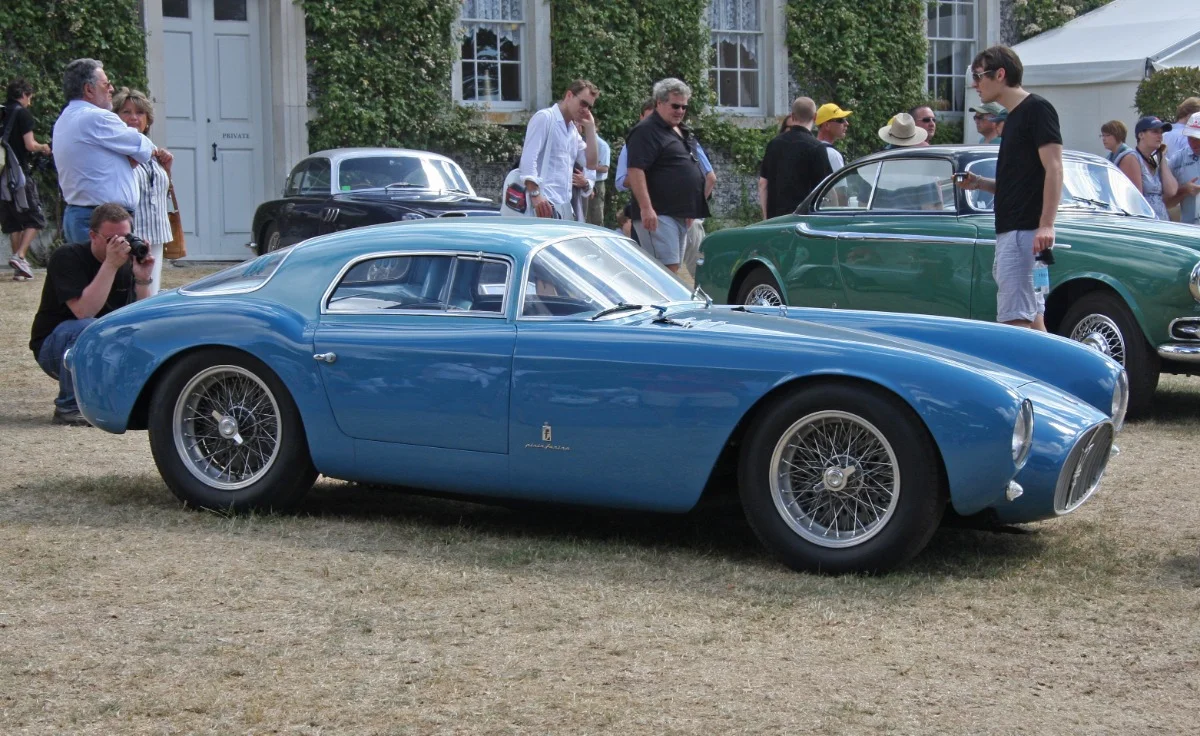
“I had the honor to meet him when I was studying in Torino. We spent hours at his house sipping tea and exploring his design album he kept from his time at Pininfarina. He had an amazing work ethic and contributed enormously to the automotive industry. One of my favorite cars is his first design project when he joined the company in 1953: Maserati A6GCS/53 Berlinetta Pininfarina (above),” she revealed.
Who’s the most influential car designer of all time?
“It’s impossible to put personal preferences aside,” she said with a smile.
“Many car designers have contributed in their very own way to the industry. If I had to pick a big name I’d with Chris Bangle [ex-BMW designer] with his ‘Anti Sausage’ and ‘Flame Surface’ design philosophy.”
Alessandro is an automotive journalist with 10 years of experience covering supercars, automotive history, emerging vehicle technology, and luxury transportation. He wrote the first article published on SupercarBlondie.com when the website launched in 2022 and has since built a reputation for insightful reporting across the automotive and transportation industries. His expertise is grounded in hands-on experience. Alessandro has driven every Tesla model ever produced, from the original Roadster to the Cybertruck, and regularly covers the latest developments in electric vehicles and automotive innovation. His passion for transportation extends beyond cars, he has even flown a Boeing 787 Dreamliner simulator in Addis Ababa, Ethiopia. His reporting spans everything from classic American muscle cars and rare automotive discoveries to luxury yachts, private aircraft, high-end watches, and cutting-edge vehicle technology. Known for his deep knowledge of automotive history and ability to uncover the stories behind iconic vehicles, Alessandro brings readers a blend of historical context, technical expertise, and first-hand experience.