America once built a supersonic jet that was bigger, faster, and more ambitious than Concorde and the reason you have never flown on it is a fascinating story
Published on Mar 26, 2026 at 1:23 AM (UTC+4)
by Henry Kelsall
Last updated on Mar 25, 2026 at 9:24 PM (UTC+4)
Edited by
Emma Matthews
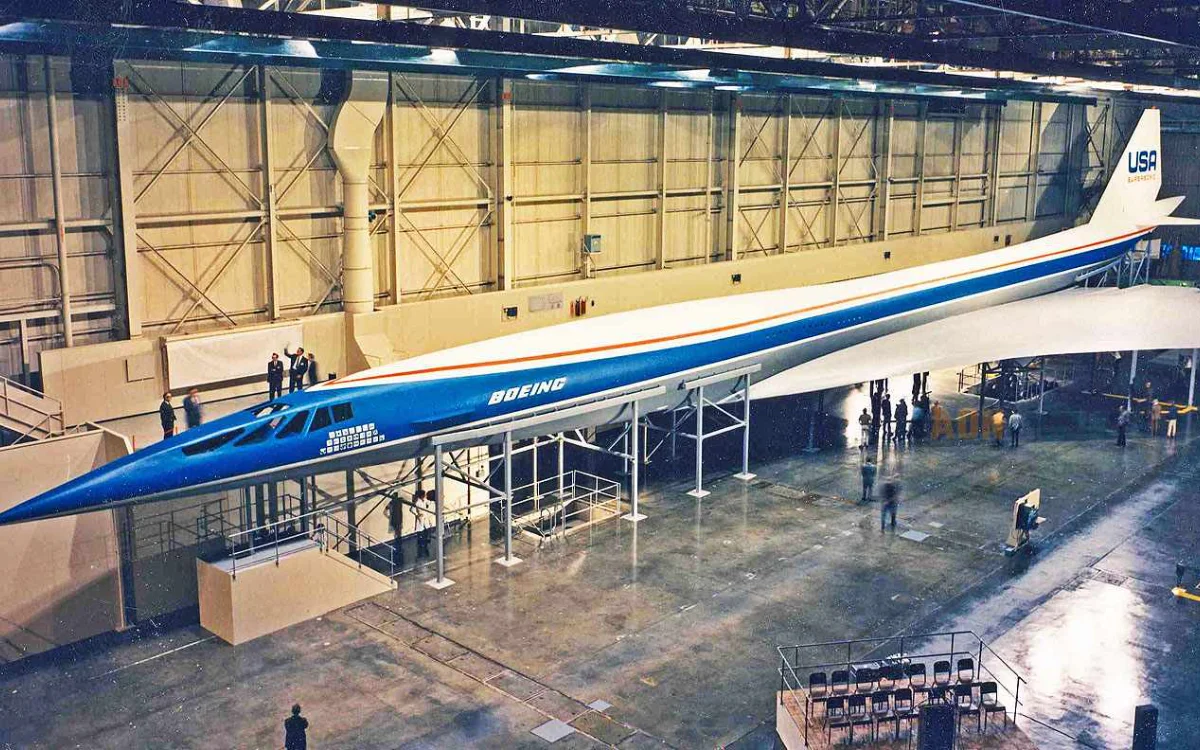

Once upon a time, as Concorde prepared to enter service, America and Boeing were ready to build their own supersonic jet that was bigger and faster and even more ambitious than its Anglo-French rival.
This new aircraft, designed by the aviation giant behind the 747, would be America’s answer to Concorde and allow it to leap ahead in the supersonic race.
But almost as quickly as it had appeared, this remarkable supersonic transport (SST) was gone, having never even lifted off the ground and only being built as a wooden mockup.
This is the story of the Boeing 2707, how it could have been better than Concorde, and why it was doomed to fail.
Enter our competition to win a stunning 2006 Ford GT or $400,000 cash!
Why America decided it had to build a supersonic jet to rival Concorde
In the 1960s, Britain and France were racing ahead with the Concorde project.
The two countries had combined efforts to build the supersonic jet, and it was starting to take shape.
Flying at speeds of Mach 2 and with a capacity of up to 120 passengers, it was set to revolutionize air travel.
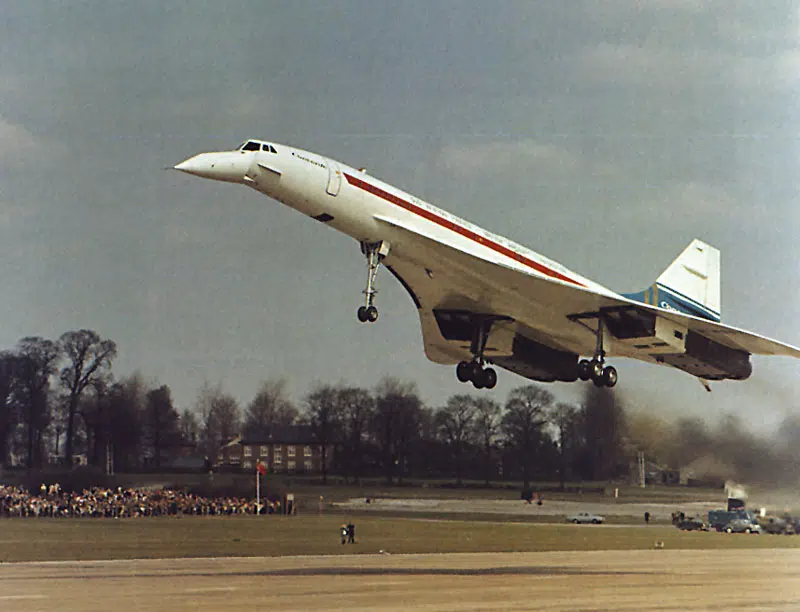
Orders from airlines such as British Airways, Pan Am, and more had flooded in, and in America, that was a worry.
If the Anglo-French project was a commercial success, then America could be left behind in the jet age.
So, President John F. Kennedy tasked the Federal Aviation Administration with finding a suitable candidate for an American SST.
In June 1963, Kennedy launched the National Supersonic Transport program.
The Boeing 2707 was the most ambitious supersonic jet yet
Two serious designs were considered.
These were the Lockheed L-2000 and the Boeing 2707.
The L-2000 looked closer to Concorde and was a more conventional design.
It too had a Delta wing and could have flown at Mach 3.
But in the end, the FAA and the US Government chose the 2707 instead.
Boeing’s supersonic jet seemingly represented a bigger leap over Concorde than the Lockheed aircraft.
Despite Lockheed’s being potentially cheaper and easier to produce, Boeing was told to push ahead with the 2707.
This is how the Boeing jet could have been better than Concorde
There was certainly a great deal of potential with the Boeing project.
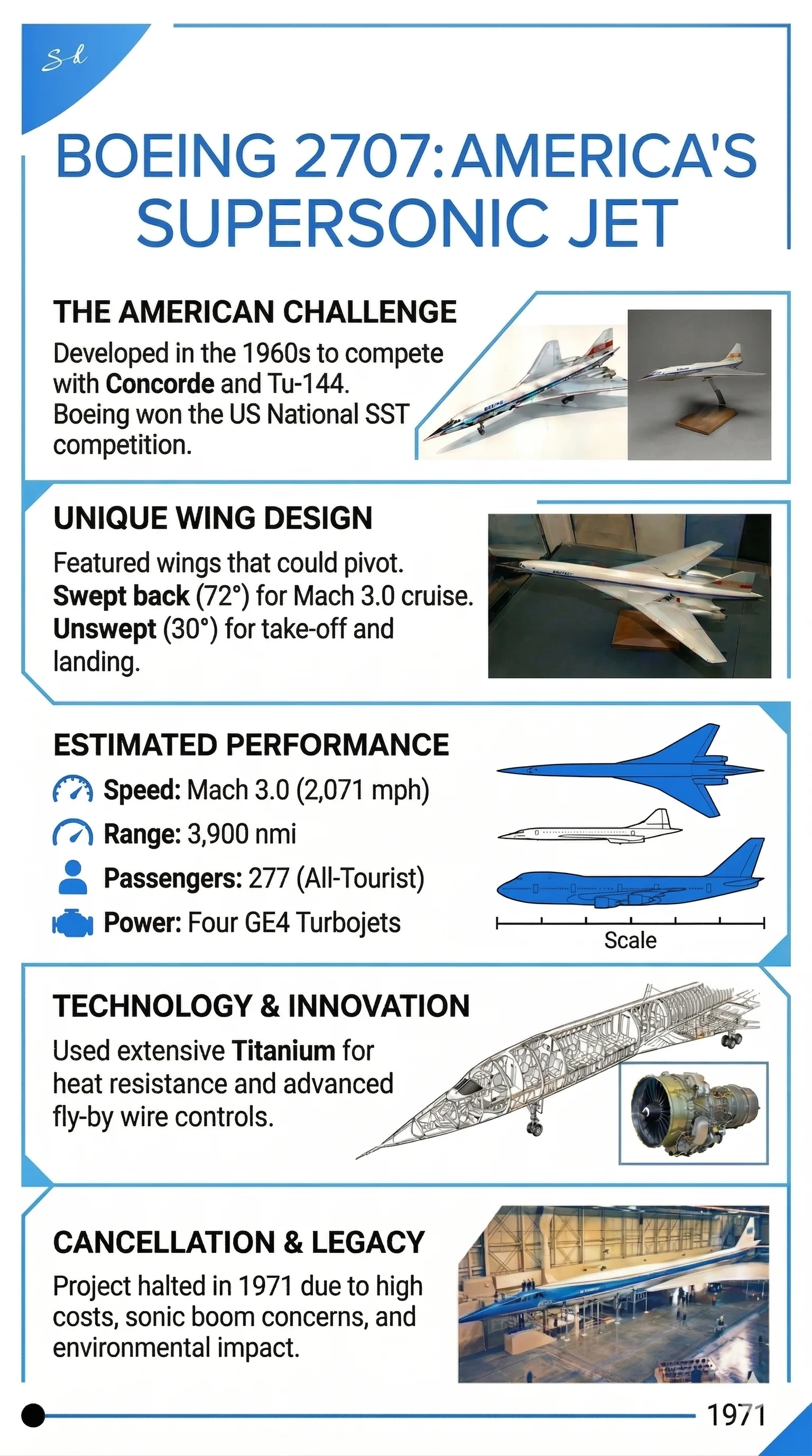
The 2707 was to be able to fly at speeds of up to Mach 3, faster than its European rival.
With a potential passenger capacity of up to 300, it would have also carried more people.
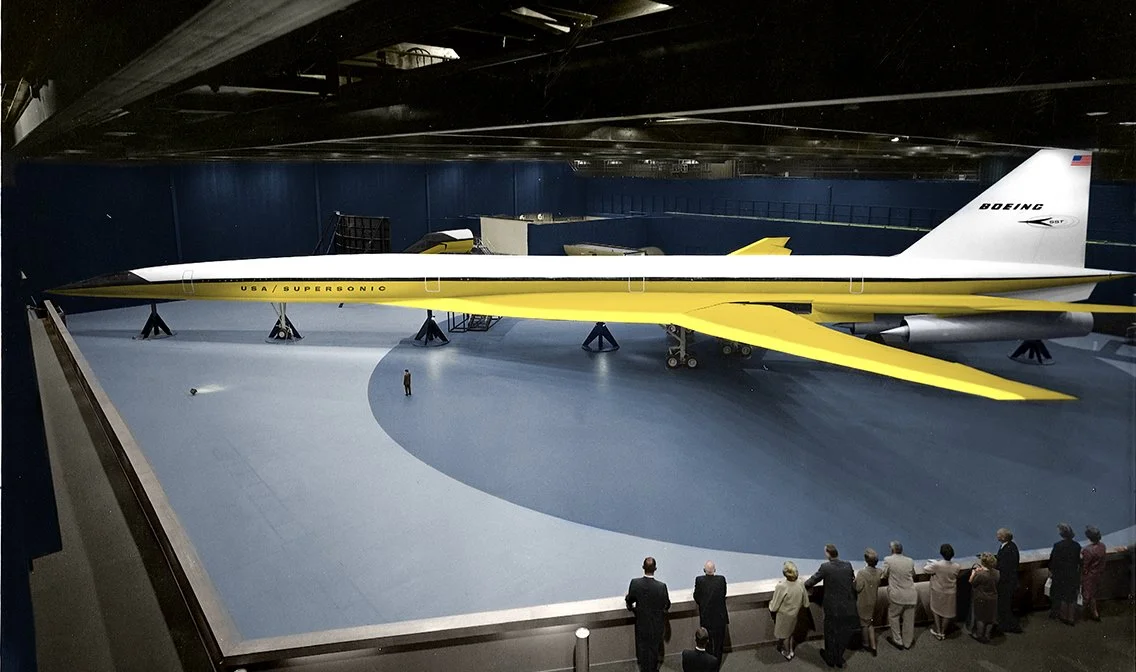
Plus, the 2707 had an interesting swing-wing configuration.
This would have allowed for greater lift at take-off and landing, but was also retractable once in flight.
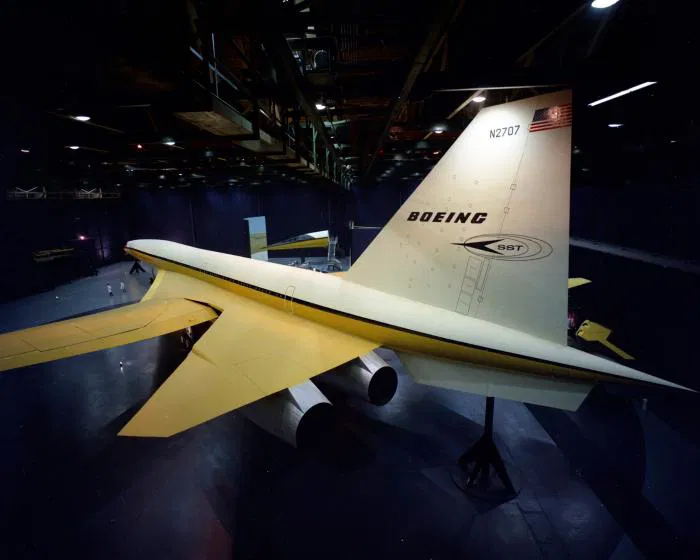
In 1969, the American company built a full-size mockup of the swing-wing 2707.
Presented to the public, it became its very own tourist attraction with Boeing offering public tours.
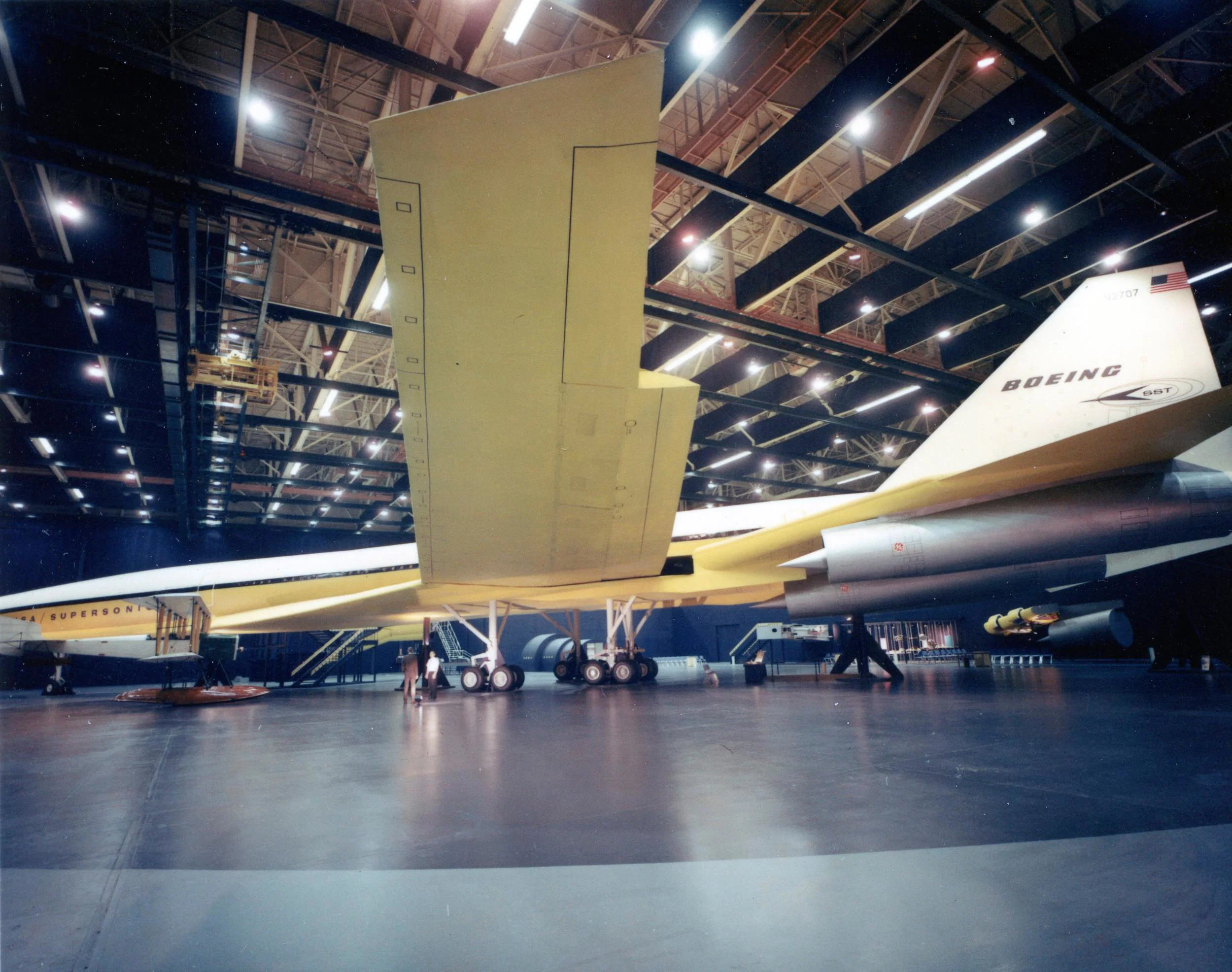
The aircraft even copied Concorde’s iconic droop snoot, but in two parts compared to the one for Concorde.
So it had greater capacity, could potentially fly faster, and was possibly more advanced than Concorde.
With the Soviet Union debuting the Tupolev Tu-144 SST as well, America really wanted its own version.
But trouble lay just around the corner.
How the American SST dream quickly fell apart
At the time the first mockup was built, both Concorde and the Tu-144 had already taken to the skies.
Both were undergoing extensive testing, but that was the least of Boeing’s worries.
Firstly, costs began to spiral, and the swing-wing concept proved too tricky and heavy to make work.
A second, all-aluminum model was built, but this time with a conventional Delta wing.
However, that soon became the least of Boeing’s worries.
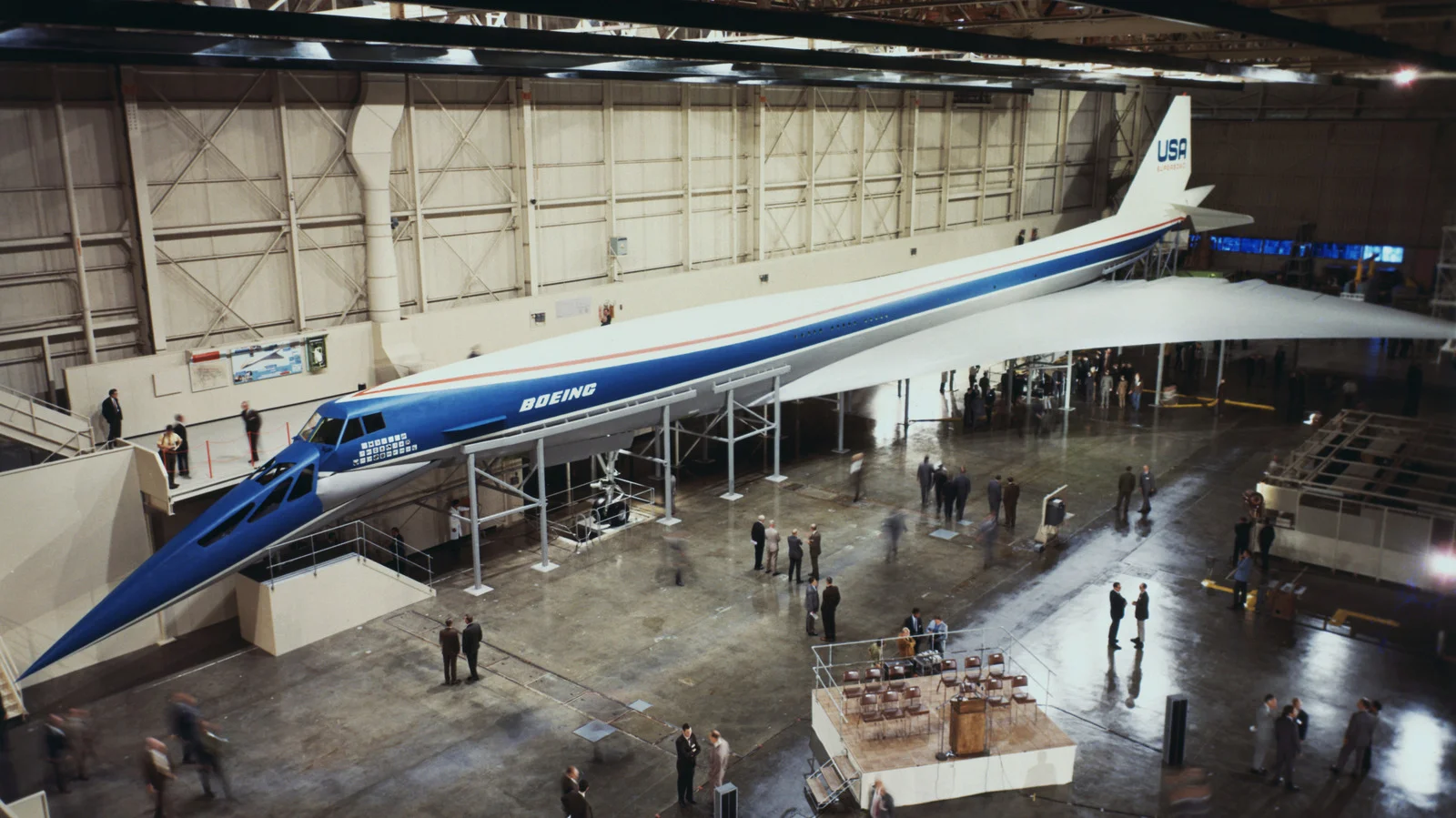
Due to a low public tolerance of sonic booms over land, orders for Concorde had begun to dry up.
It meant that the American supersonic jet would face the same problems were it to ever take flight.
But Boeing was also finding out its design was just too complicated and a step too far.
This is how the American SST dream faded
By 1971, it was all but over, and the addition of environmental concerns saw the Boeing project cancelled.
The first wooden mockup was broken up.
The second had a more unusual life, ending up in both a museum and at one point, in a church.

Today, the nose section of it still survives, awaiting restoration at The Museum of Flight in Seattle.
When it was first conceived, the Boeing 2707 was an amazing-looking aircraft.
Had it flown, it could have really put Concorde in the shade.
But commercial supersonic aviation had too many problems.
In fact, it was only in 1976 that Concorde would enter service, with just Air France and British Airways.
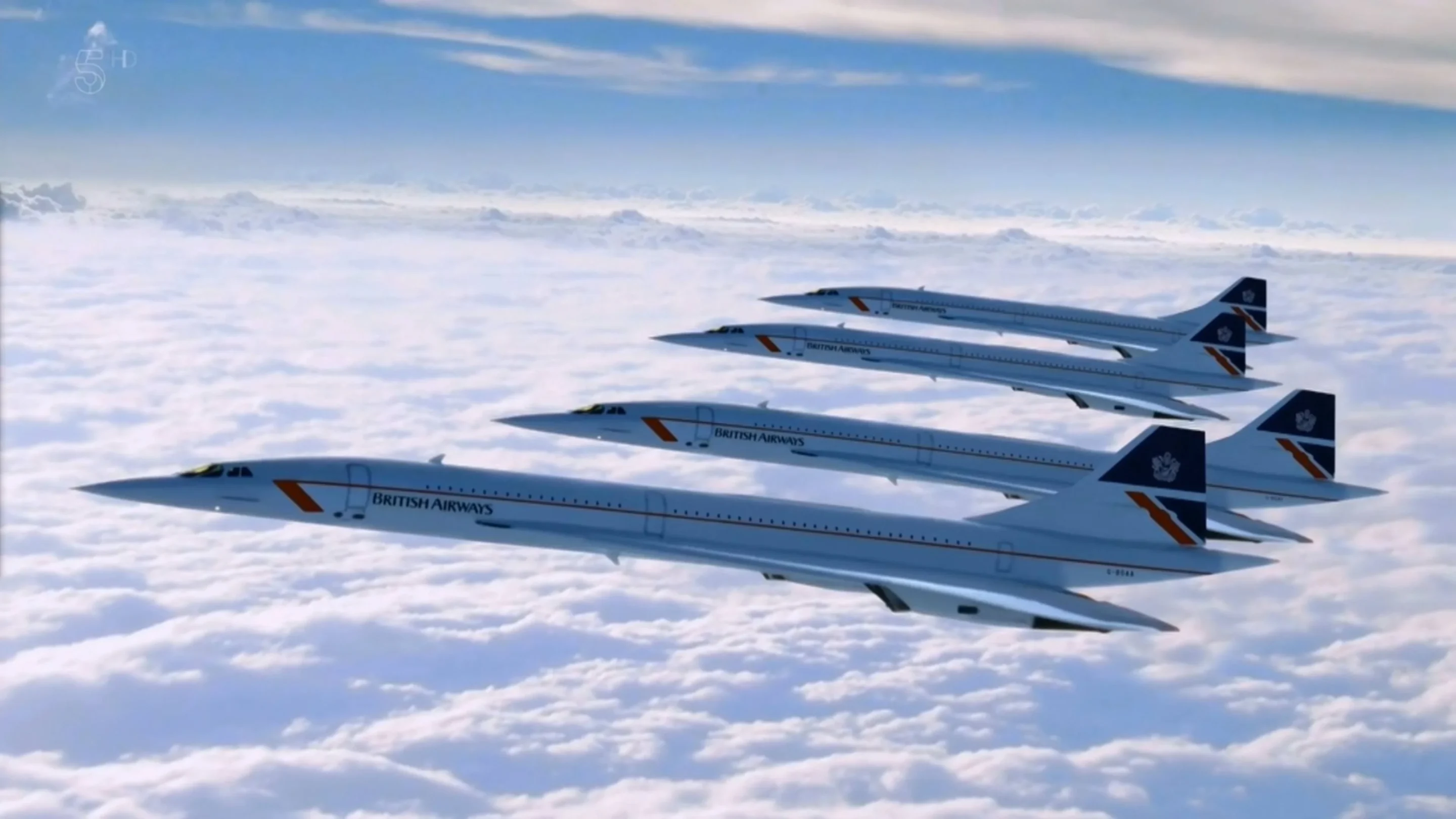
It flew on for 27 years before finally being retired in 2003.
Meanwhile, the Boeing 2707 quickly faded into obscurity.
Perhaps, though, that is exactly what Boeing hoped would happen after the project’s cancellation.
DISCOVER SBX CARS: The global premium car auction platform powered by Supercar Blondie
Henry joined the Supercar Blondie team in February 2025, and since then has covered a wide array of topics ranging from EVs, American barn finds, and the odd Cold War jet. He’s combined his passion for cars with his keen interest in motorsport and his side hustle as a volunteer steam locomotive fireman at a heritage steam railway.