Apple overtakes Samsung as the world's top phone maker after 14 years
Published on Dec 05, 2025 at 8:14 AM (UTC+4)
by Claire Reid
Last updated on Dec 05, 2025 at 9:37 PM (UTC+4)
Edited by
Kate Bain
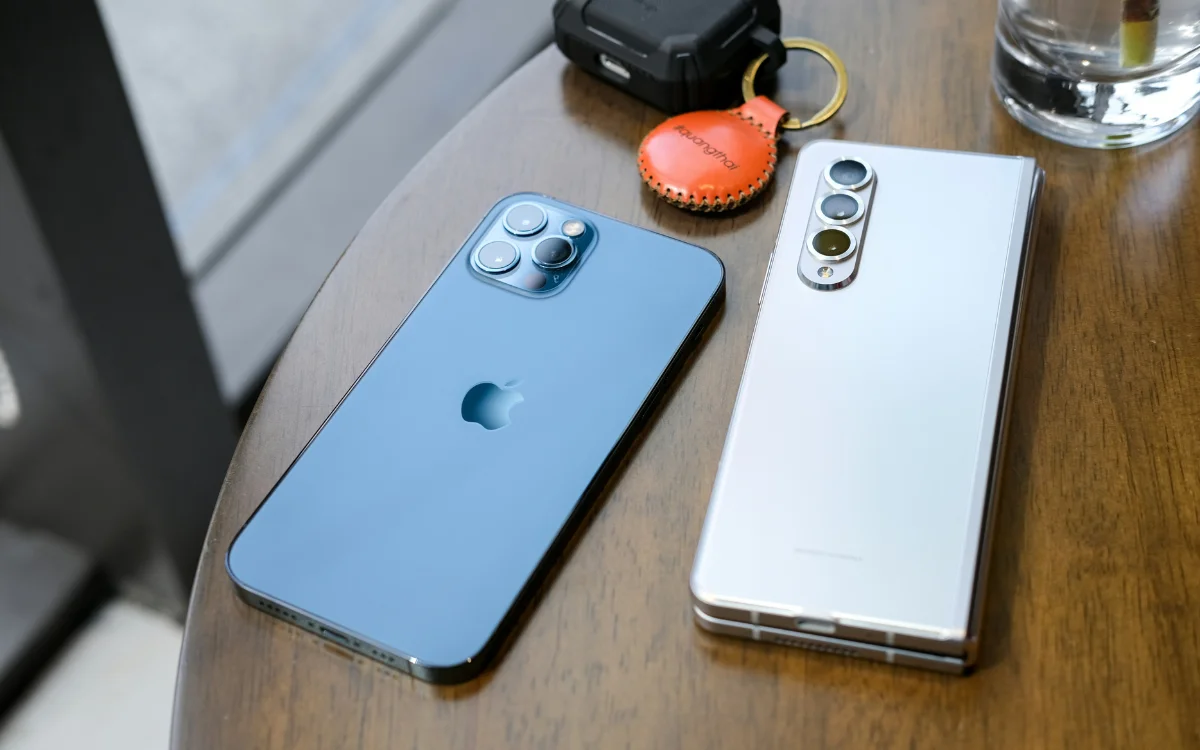

For the past 14 years, Samsung has been the world’s largest smartphone manufacturer, but now Apple is poised to take back its crown.
The first-ever iPhone was launched back in 2007, when it was hailed as ‘the best phone that anybody has ever made’.
Since then, the tech giant has released dozens of models and has sold more than three billion phones across the globe.
However, despite its enduring popularity, for the last decade and a half, Samsung has actually claimed the title of the world’s largest smartphone manufacturer. Now, that’s all about to change.
DISCOVER SBX CARS – The global premium auction platform powered by Supercar Blondie
With the launch of iPhone 17 and iOS 26 it’s been a big year for Apple
It’s been a big year for Apple.
Firstly, it debuted its newly updated CarPlay Ultra via an exclusive partnership with Aston Martin.
Then it unveiled it brand new iPhone 17 range and the all-new iPhone Air.
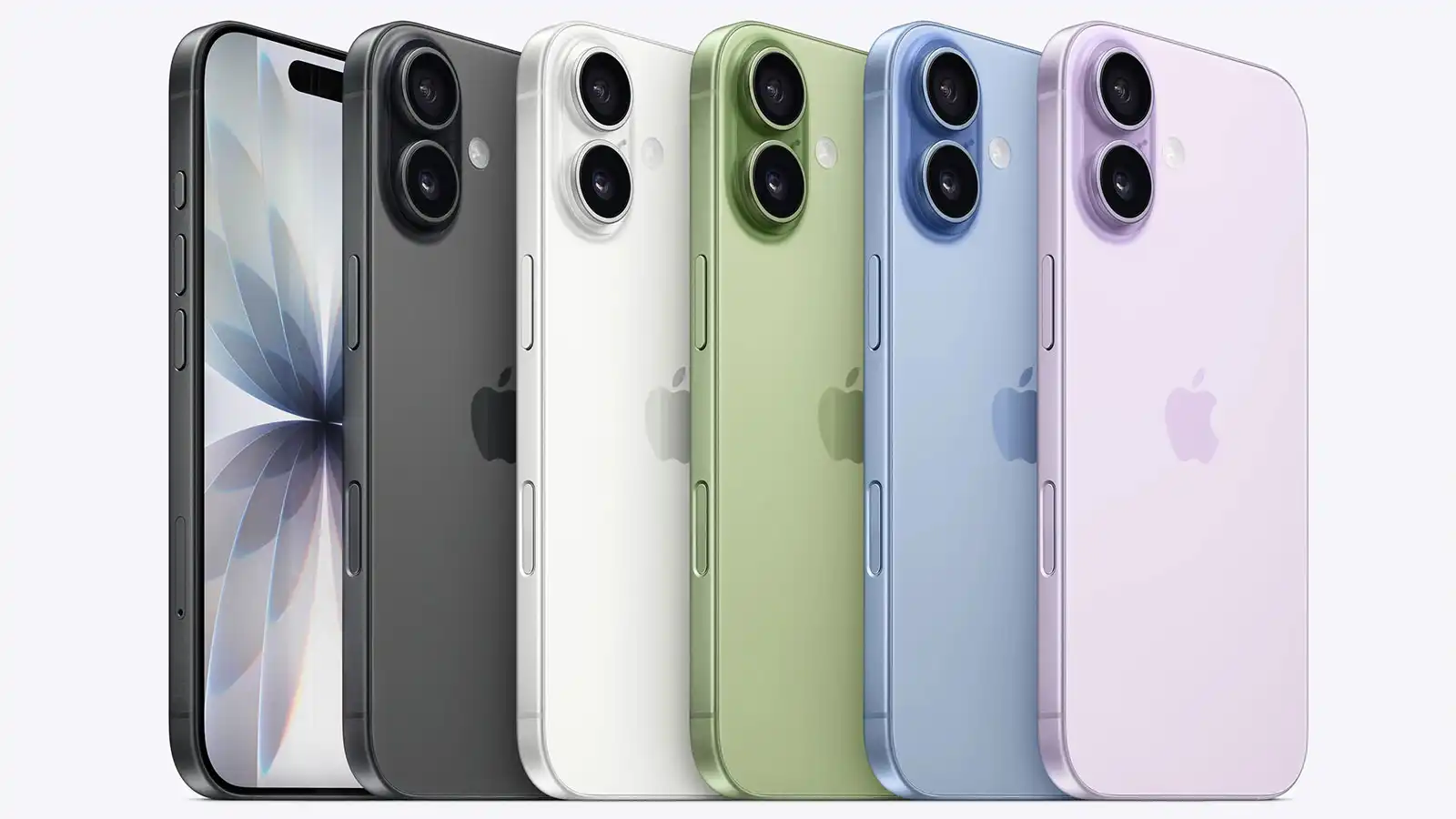
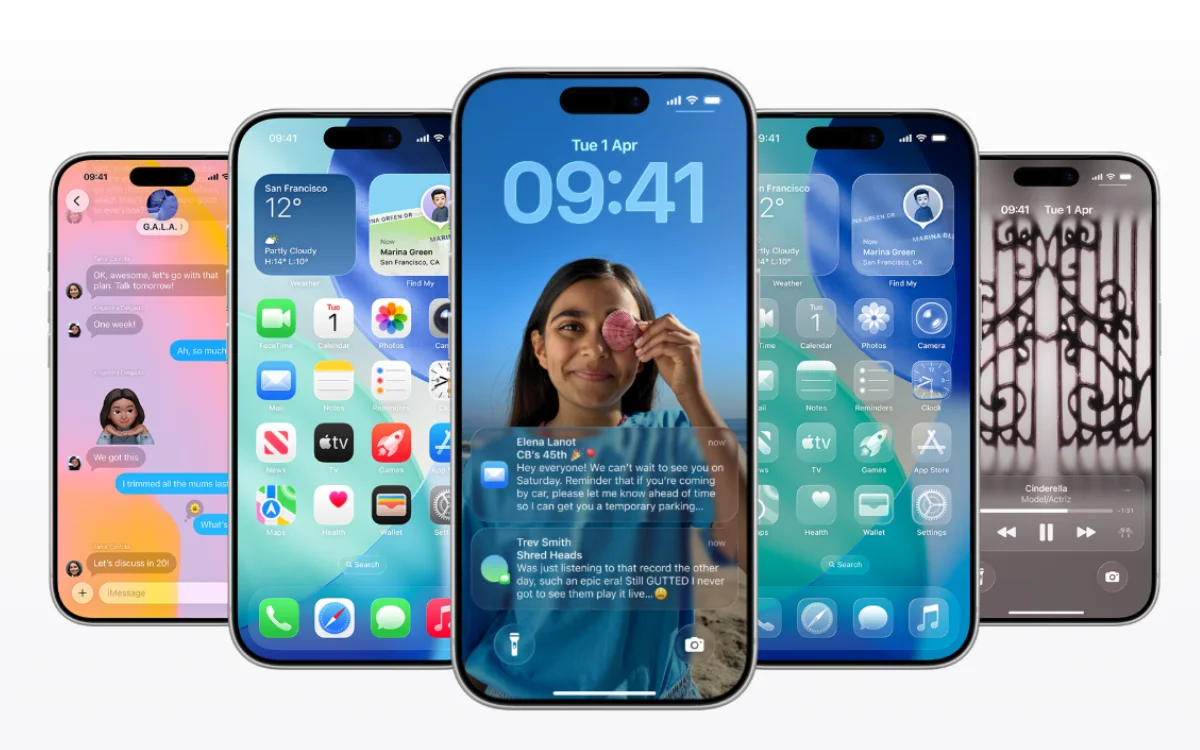
Alongside the new hardware release, the new iOS 26 operating system was launched, which contains all kinds of cool new features and updates.
A few months on, and it’s safe to say the release of the iPhone 17 has been a huge success for the company.
So much so, that Apple is now set to take over Android behemoth Samsung to become the largest smartphone manufacturer on the planet.
According to Counterpoint, Apple will soar past Samsung before 2025 draws to a close, with shipments of the iPhone reportedly growing 10 percent this year, compared to just 4.6 percent for Samsung.
Overall, this will give the company a projected market share of 19.4 percent, and will be the first time Apple has been the biggest smartphone manufacturer since 2011.
What’s driven Apple’s success in 2025?
Counterpoint analyst Yang Wang told Bloomberg that the ‘highly positive’ reception for the iPhone 17 series and the ‘replacement cycle reaching its inflection point’ were the keys to the company’s success this year.
“Consumers who purchased smartphones during the Covid-19 boom are now entering their upgrade phase,” Wang said.
The analyst also noted that a staggering 358 million iPhones were sold secondhand between 2023 and the first half of this year, and that sellers would likely to looking to upgrade their iPhones, further boosting sales.
And, with a rumored foldable iPhone on the cards next year, Wang said there’s a good chance Apple will be able to extend its lead over Samsung.
The evolution of the iPhone
2007: Apple unveils the first iPhone, redefining the smartphone
2008: App Store launches, creating the modern mobile app economy
2009: iPhone 3GS introduces video recording and major speed gains
2010: iPhone 4 debuts with Retina display and new design
2014: iPhone 6 and 6 Plus bring bigger screens and record-breaking sales
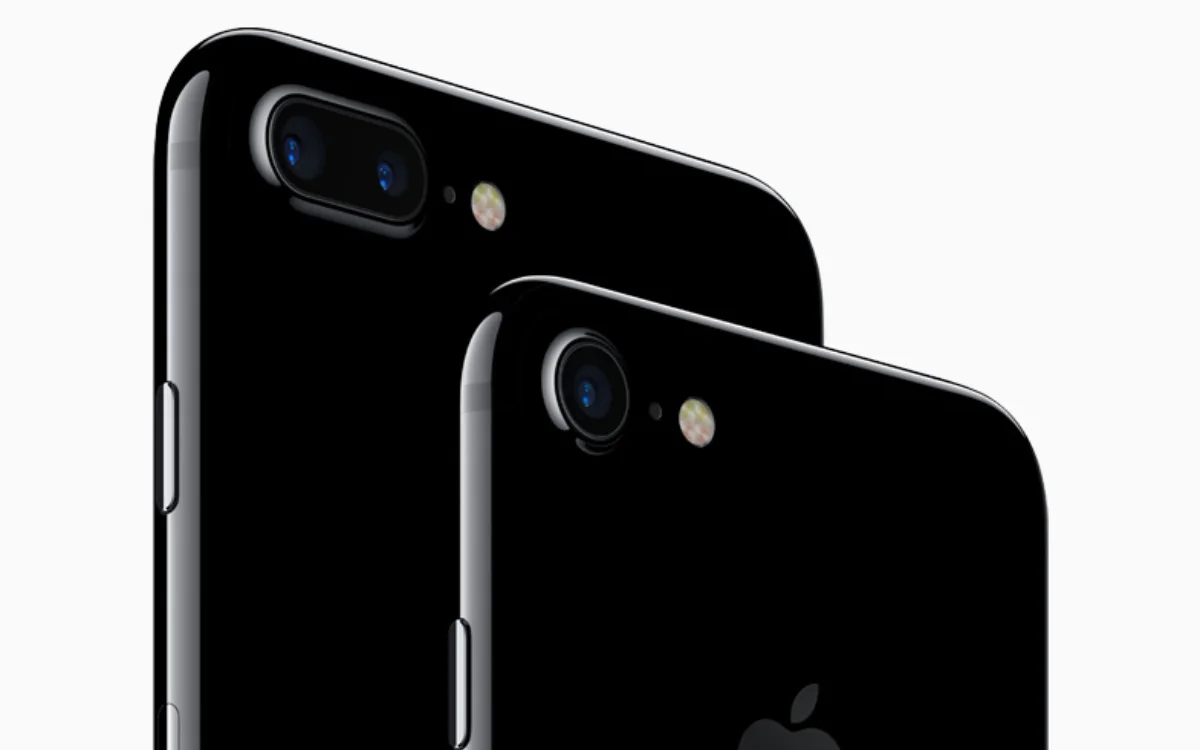
2016: iPhone 7 removes the headphone jack, shifting industry trends
2017: iPhone X introduces Face ID and the edge-to-edge OLED display
2019: iPhone 11 Pro adds the first triple-camera system
2020: iPhone 12 introduces 5G and the MagSafe ecosystem
2023: iPhone 15 adopts USB-C and a lighter titanium design
2024: iPhone 16 launches with ‘Apple Intelligence’
DISCOVER SBX CARS: The global premium car auction platform powered by Supercar Blondie
With a background in both local and national press in the UK, Claire has covered a range of topics, including technology, gaming, and cryptocurrency, since joining the editorial team at Supercar Blondie in May 2024. Her ability to be first to a story has been integral to making SB’s coverage of scientific discovery, AI, and global tech news a slick 24/7 operation.