Arizona may eliminate speed limits on some highways under new proposal
Published on Dec 19, 2025 at 7:58 PM (UTC+4)
by Ben Thompson
Last updated on Dec 22, 2025 at 5:30 PM (UTC+4)
Edited by
Mason Jones
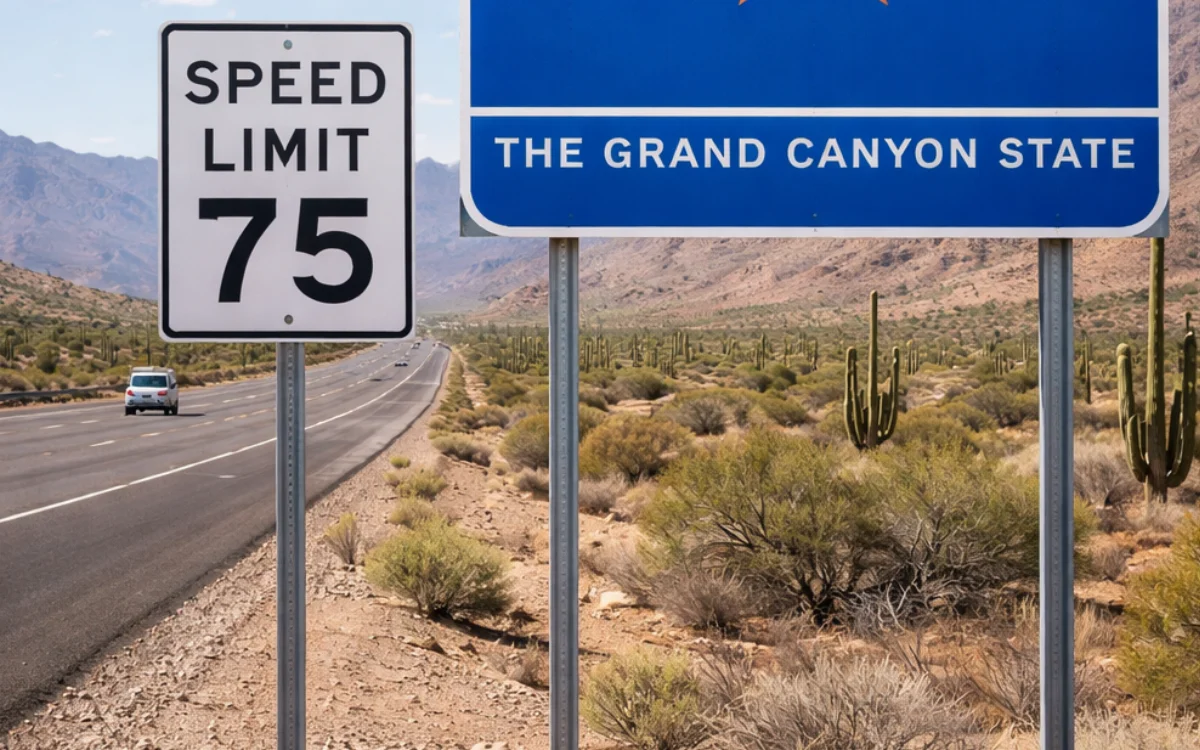

Arizona may be set to eliminate speed limits on some of its highways, under a new proposal.
Representative Nick Kupper has put forward the Reasonable and Prudent Interstate Driving (RAPID) Act, which would allow for certain rural interstate highway segments to have no posted daytime speed limits.
Under this proposed law, portions of the state’s highways would be like the German Autobahn.
But why is Rep Kupper pushing for this change – and how likely is this bill to become law?
EXPLORE SBX CARS – Supercar auctions starting soon powered by Supercar Blondie
Why is this politician trying to eliminate speed limits on some of Arizona’s highways?
If passed, this change would begin with a pilot scheme on Interstate 8, south of Casa Grande.
This stretch of road was chosen due to its low recent crash rates and its high standard of infrastructure.
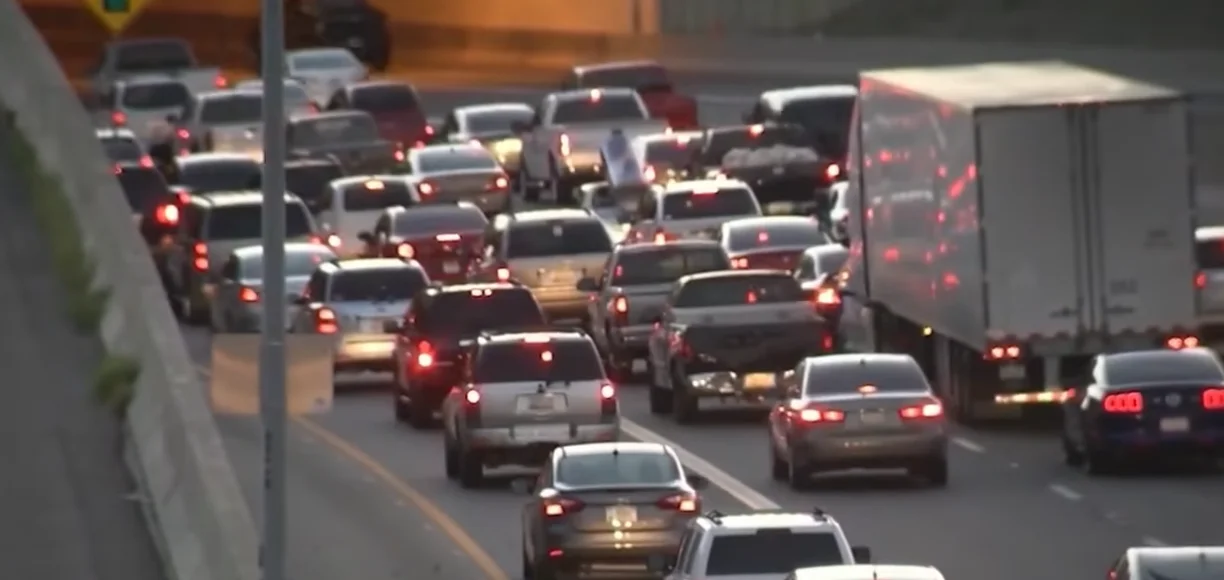
However, this bill isn’t intended to encourage drivers to throw caution to the wind and let rip.
Drivers would still be legally required to drive at speeds judged to be ‘reasonable and prudent’ based on levels of traffic, the weather, and visibility.
At night, the limits in these areas would be 80mph.
Why is Rep Kusser pushing for this change?

Well, he modelled the Bill on Montana and Germany, with the autobahn being a particular inspiration.
“Both found that roughly 83% of drivers stayed around 77 mph because that’s where they feel comfortable,” Rep Kupper explained.
“Drivers in these zones tend to keep a closer relative speed to each other compared to speed limit zones which is a major factor in why these zones are actually safer.”

It’s an unusual kind of logic, isn’t it? Going faster to stay safe.
But that’s certainly the case this politician is making.
He might have to retire the Autobahn as a reference point however, as a majority of Germans reportedly want to bring a speed limit in.
What do people make of his proposal?
On social media, opinions seem to be mixed on this proposed change in the law.
“This is needed…the research is clear that people will only drive as fast as they are comfortable,” one supporter wrote on X.
But it was far from universally welcomed.

“Stupidest idea ever,” a critic fumed.
“Great example of a horrible idea,” another stated.
So, what does the research say about abolishing speed limits? Does it in fact make people safer like Rep Kupper claimed?
Let’s take a look at Montana.
Between 1995 and 1999, the state had a ‘Reasonable and Prudent’ law, meaning that there was no set daytime speed limit.
Between 80 and 90mph was treated as a de facto limit, but it wasn’t written into law.
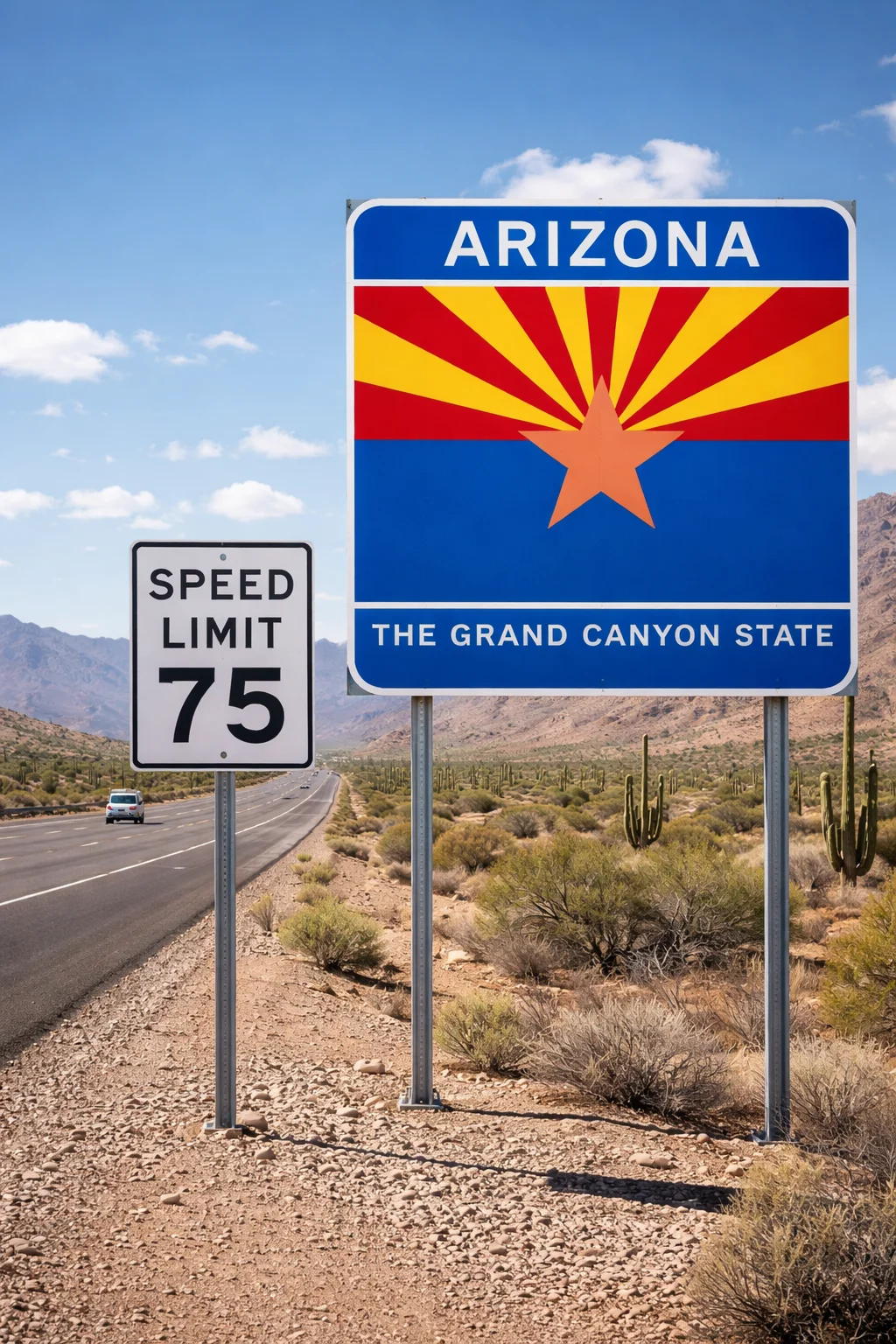
However, in December 1998, the Montana Supreme Court declared it too vague, and the state reverted back to 75mph in May 1999.
Interestingly, a study from the National Motorists Association found that the safest period on Montana’s interstate highways was in the years when there was no daytime speed limit.
Fatal accidents actually doubled after the state implemented its safety program, which came with federal funding, speed limits, and full enforcement.
This is what the NMA called the ‘Montana Paradox’ – that the desired safety effect of boosting speed limits was actually achieved by removing them.
The NMA advocated for speed limits based on traffic flow, and argued for managing speed rather than punishing it.
There could also be a ‘Autobahn Paradox’ at work here, as statistics have shown it to be one of the world’s safest highway networks.
Elsewhere in Europe, the Isle of Man doesn’t have a speed limit, although local speed limits are in place and dangerous driving laws do still apply.
Proposals for a blanket speed limit were rejected back in 2006 when 54 percent of those asked in a questionnaire rejected a 70mph.
However, in the case of the Isle of Man, 30 of the 39 traffic accidents between 2003 and 2006 were found to have occurred on roads without speed limits, BBC News reported.
Evidently, there’s no clear-cut answer, even when looking at global comparisons.
Will Arizona seek to do what Montana once did?
It’s dependent on the Arizona legislature backing Rep Kupper’s bill and the Governor of Arizona signing off on it too.
All of that is very much up in the air at this moment in time.
DISCOVER SBX CARS: The global premium car auction platform powered by Supercar Blondie
Following stints at LadBible, The Sun, The New York Post, and the Daily Mail, Ben joined the team full-time in February 2025. In his role as Senior Content Writer, his sparkling copy, the ability to sniff out a good story at 100 paces, and a GSOH quickly led to him becoming an integral and invaluable member of the writing staff.