First Boeing 747-8 BBJ ‘flying mansion’ was listed for $350M but ended up scrapped in US after just 30 flight hours
Published on Jul 27, 2026 at 6:12 PM (UTC-4)
by Alessandro Renesis
Last updated on Jul 29, 2026 at 6:28 AM (UTC-4)
Edited by
Kate Bain
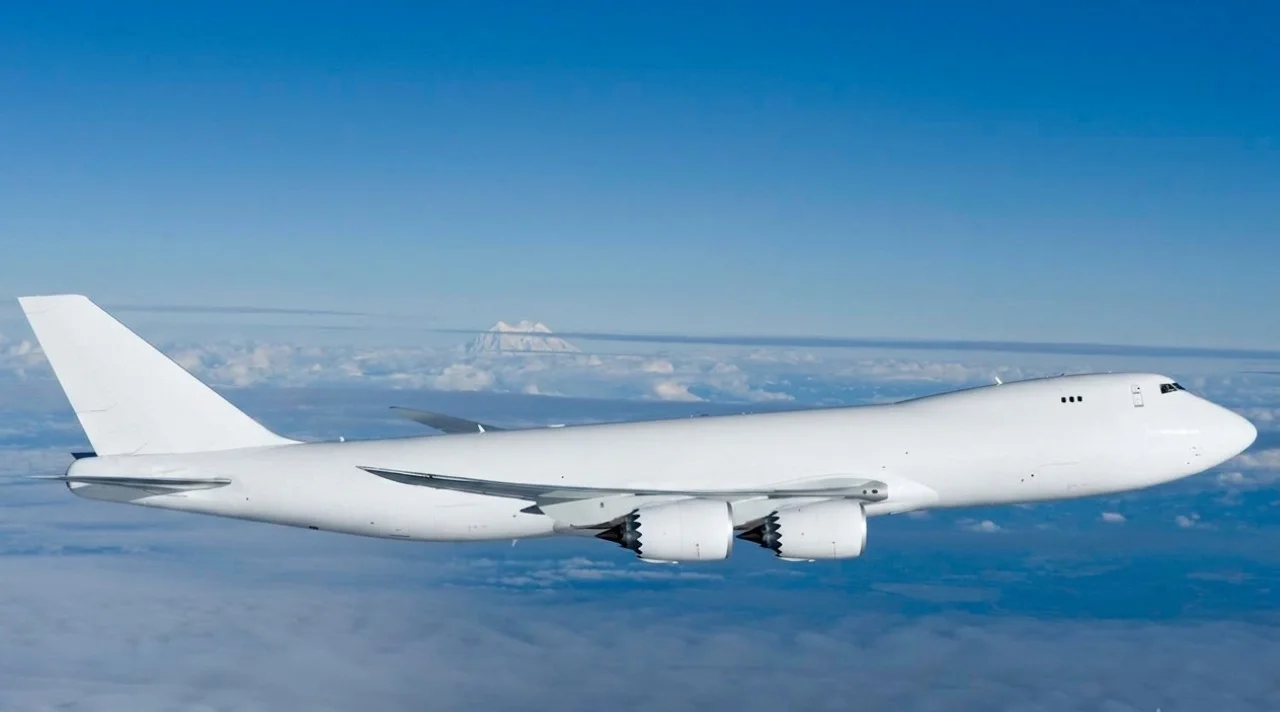

This Boeing 747-8 BBJ was scrapped after just 30 flight hours.
It sounds crazy for such a wildly expensive plane, but it happened.
After logging just 30 flight hours across 16 flights, the ultra-exclusive aircraft has been dismantled in the Arizona desert.
And the worst part is this situation wasn’t a one-off.
Why this Boeing 747 was dismantled
This particular aircraft was built as a Boeing Business Jet, a heavily modified version of the 747-8 that several airlines used to operate.
With a range of more than 10,000 miles and roughly 5,000 square feet of cabin space, this is basically a massive flying mansion.
The idea was to equip the BBJ 747 with bedrooms, lounges, conference rooms, and even a flying throne room.
But it never happened.
The Boeing 747-8 was intended for a Saudi royal who died in 2011, at which point it entered a bureaucratic limbo that sealed its fate.
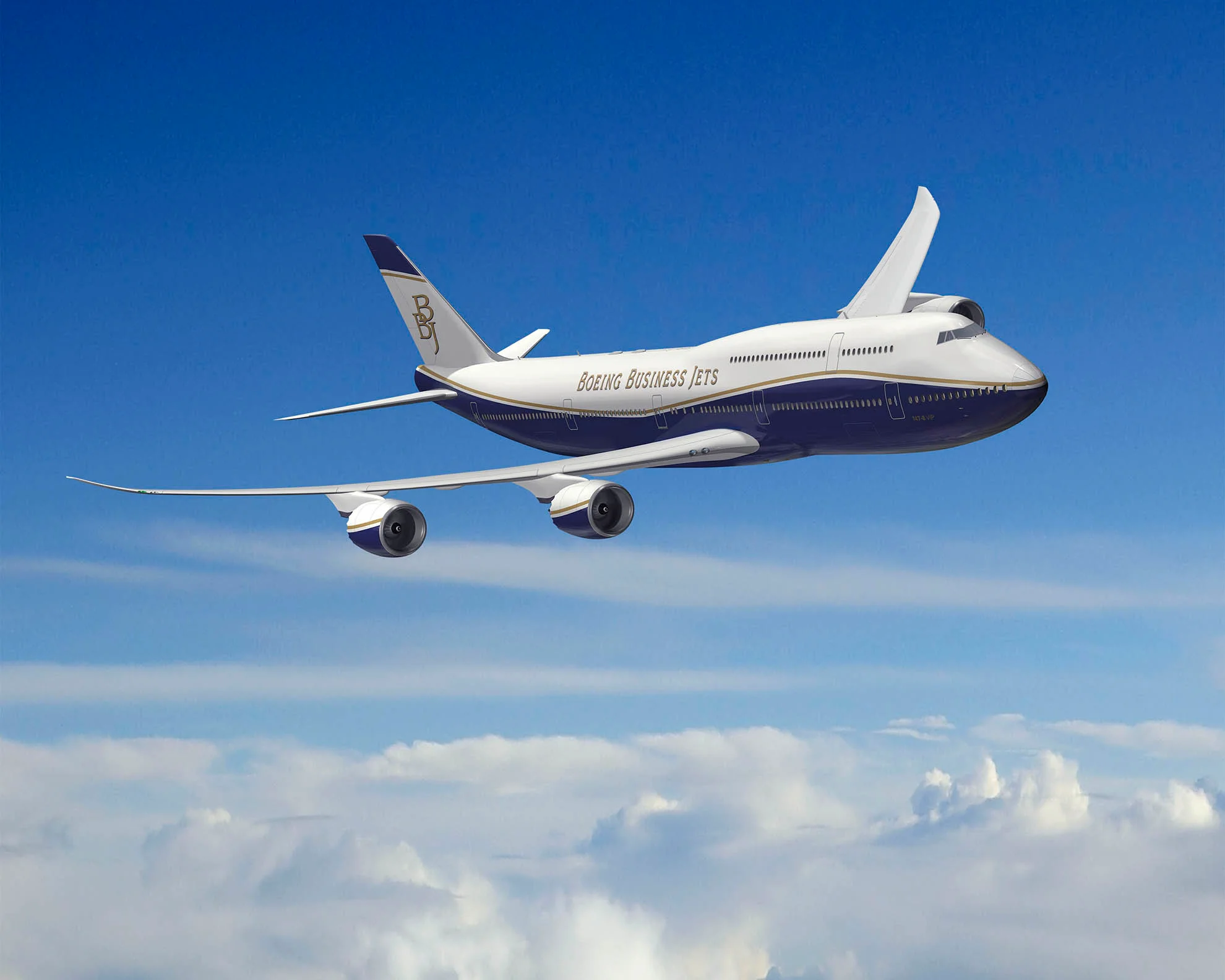
Delivered in 2012 with no interior, this Boeing 747-8 spent nearly a decade parked at EuroAirport Basel Mulhouse Freiburg, quietly aging while waiting for a buyer who never came.
In 2017, this flying mansion went on sale for $95 million, a massive discount from its original list price of around $350 million.
Even at that price, interest was nonexistent.
And the reason is quite simple.

It’s a Catch-22, actually, because converting a four-engine Boeing 747 is extremely expensive, which means that the pool of would-be buyers was very narrow to begin with.
But, and this is the catch, people in that particular tax bracket won’t usually go for a second-hand jet built for someone else.
Eventually, Boeing bought the aircraft back and ferried it to a boneyard in Arizona, where its engines, which were still worth tens of millions of dollars, were quickly removed.
Related

Planes deteriorate quite fast
As crazy as it sounds, this wasn’t a one-off.
Every year, several planes are abandoned or dismantled, even new ones.
For example, it’ll be impossible to save all 81 aircraft formerly operated by Spirit Airlines.
Some will be sold on to other airlines, but at least a few will no doubt end up being gutted for parts and scrapped.
Thai Airways had a similar problem when it made a huge financial mistake by buying too many Airbus A380s.
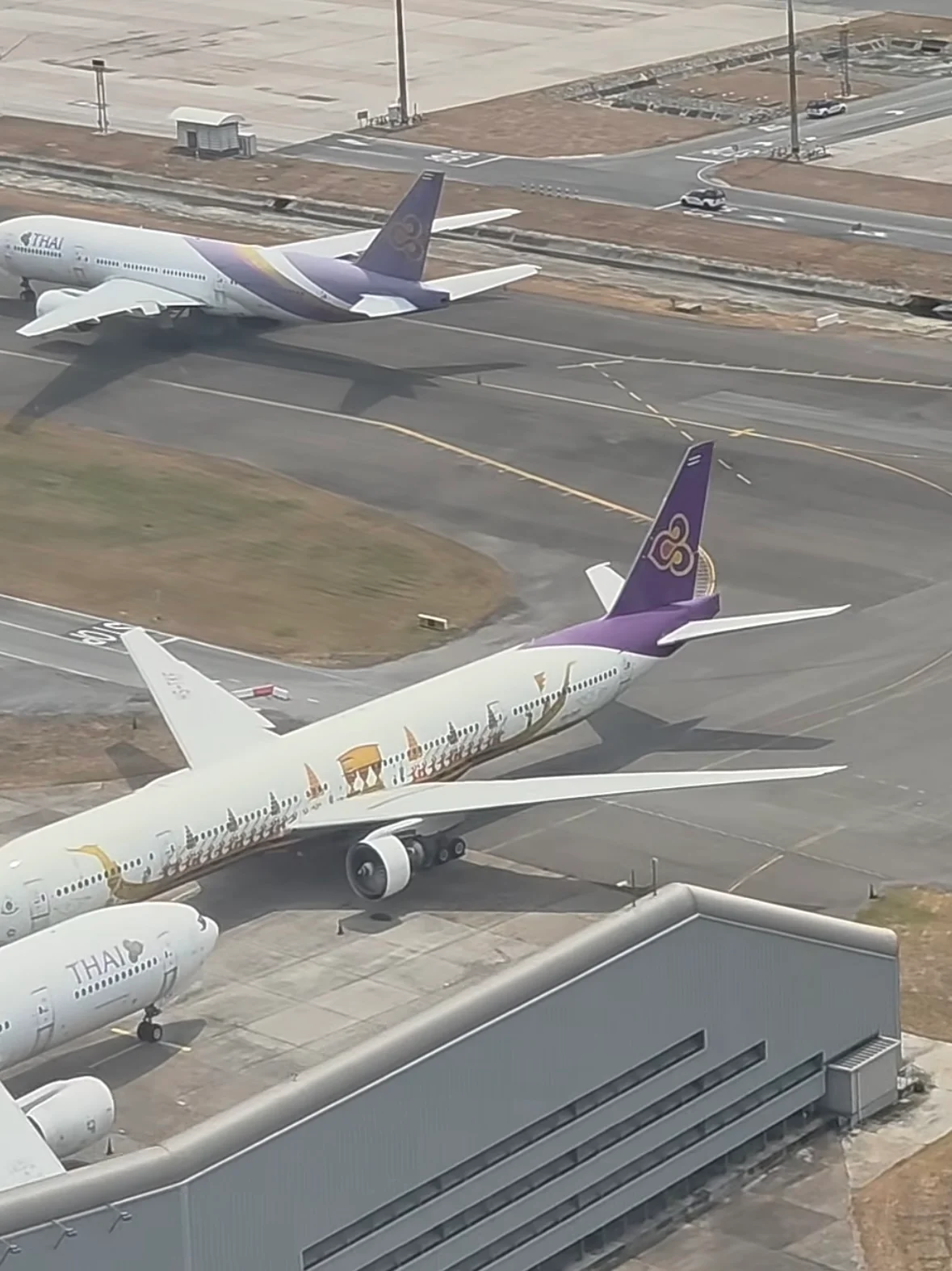
They’ve been sitting at an airport in Thailand, unused, for a while.
One has already been converted into a night market and restaurant.
Cars can theoretically spend decades abandoned in a barn and still work and be deemed roadworthy.
But with a plane, the clock ticks faster.
Obviously, they’re much harder and more expensive to restore, but that’s not the main problem.
The main problem is that aviation is heavily regulated – and these rules are pretty standardized across all countries around the globe.
And once a plane is deemed no longer airworthy, then it’s game over.
Alessandro is an automotive journalist with 10 years of experience covering supercars, automotive history, emerging vehicle technology, and luxury transportation. He wrote the first article published on SupercarBlondie.com when the website launched in 2022 and has since built a reputation for insightful reporting across the automotive and transportation industries. His expertise is grounded in hands-on experience. Alessandro has driven every Tesla model ever produced, from the original Roadster to the Cybertruck, and regularly covers the latest developments in electric vehicles and automotive innovation. His passion for transportation extends beyond cars, he has even flown a Boeing 787 Dreamliner simulator in Addis Ababa, Ethiopia. His reporting spans everything from classic American muscle cars and rare automotive discoveries to luxury yachts, private aircraft, high-end watches, and cutting-edge vehicle technology. Known for his deep knowledge of automotive history and ability to uncover the stories behind iconic vehicles, Alessandro brings readers a blend of historical context, technical expertise, and first-hand experience.