It's a common myth the last Boeing 747 was the fastest ever built but the truth of the matter is far from that
Published on Apr 12, 2026 at 4:15 AM (UTC-4)
by Alessandro Renesis
Last updated on Apr 12, 2026 at 4:15 AM (UTC-4)
Edited by
Emma Matthews
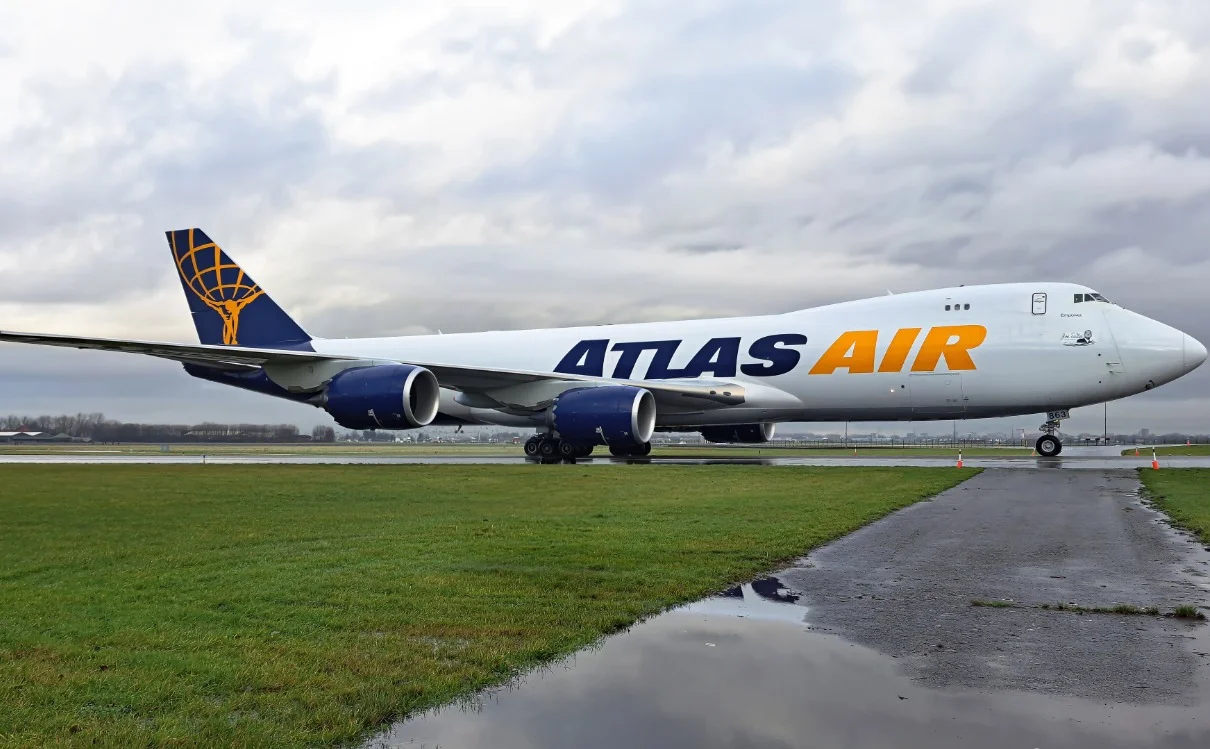

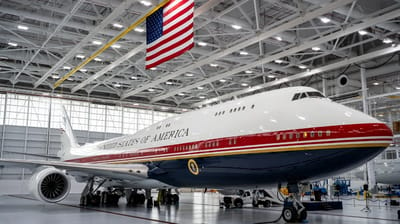
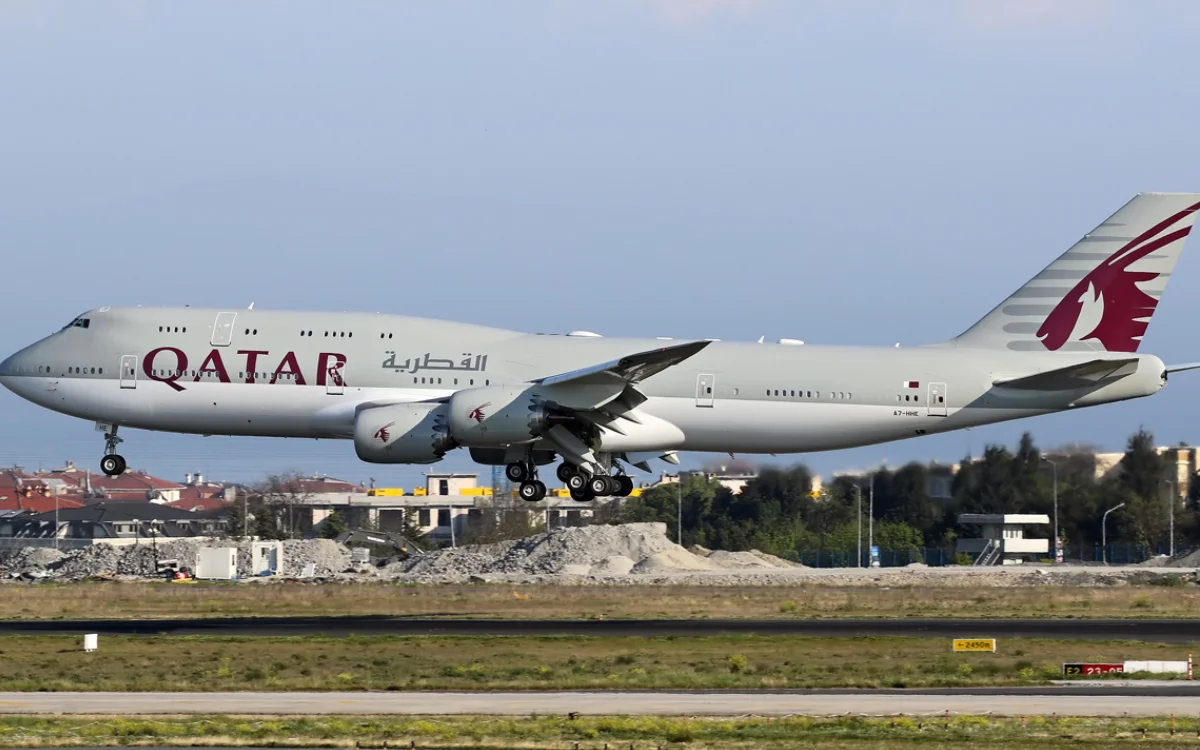
Contrary to popular belief, the Boeing 747-8 – the last 747 – wasn’t the fastest ever built.
For the final iteration of the Queen of the Skies, Boeing traded in some speed for some extra efficiency.
And the compromise made sense because the 747-8 was a tiny bit slower, but a lot more efficient.
And the point is: both were a lot slower than the fastest airliner ever.
Boeing made the final 747 a little slower, but a lot more efficient
It is a common misconception that the 747-8 – the final version of the 747 – was the fastest variant simply because it was the most modern.
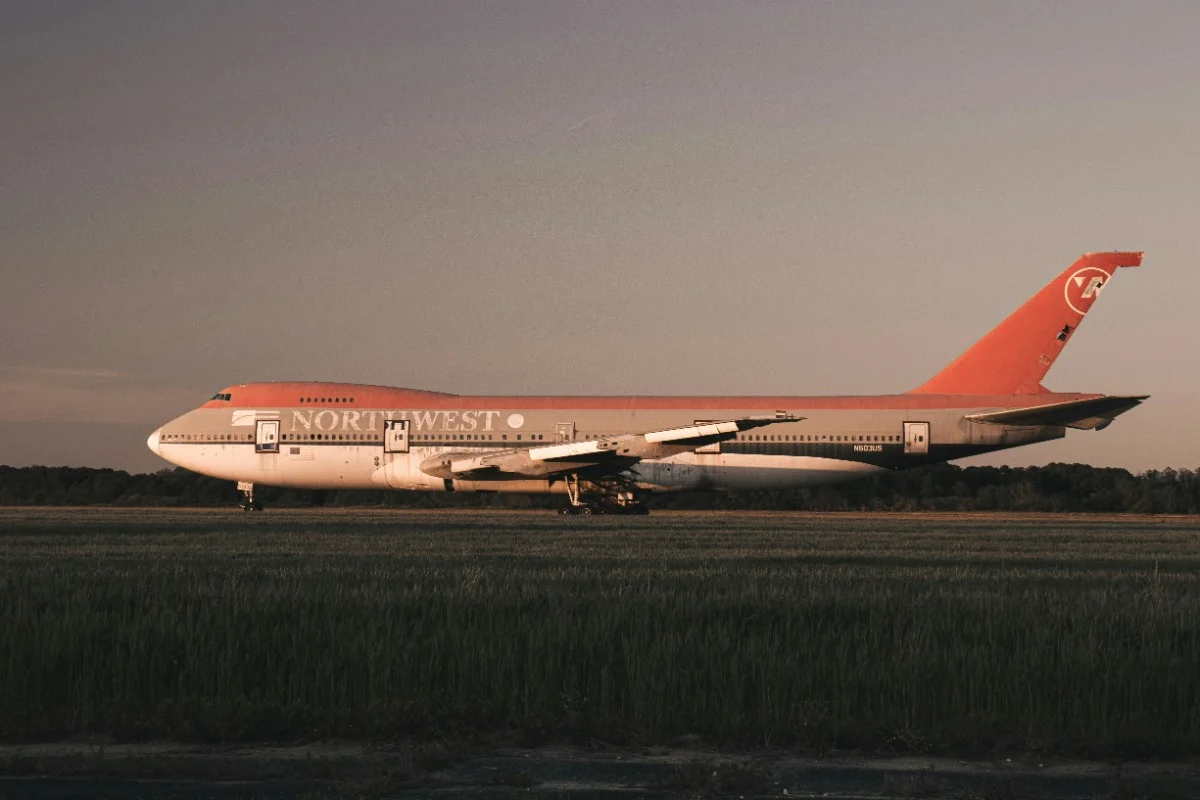
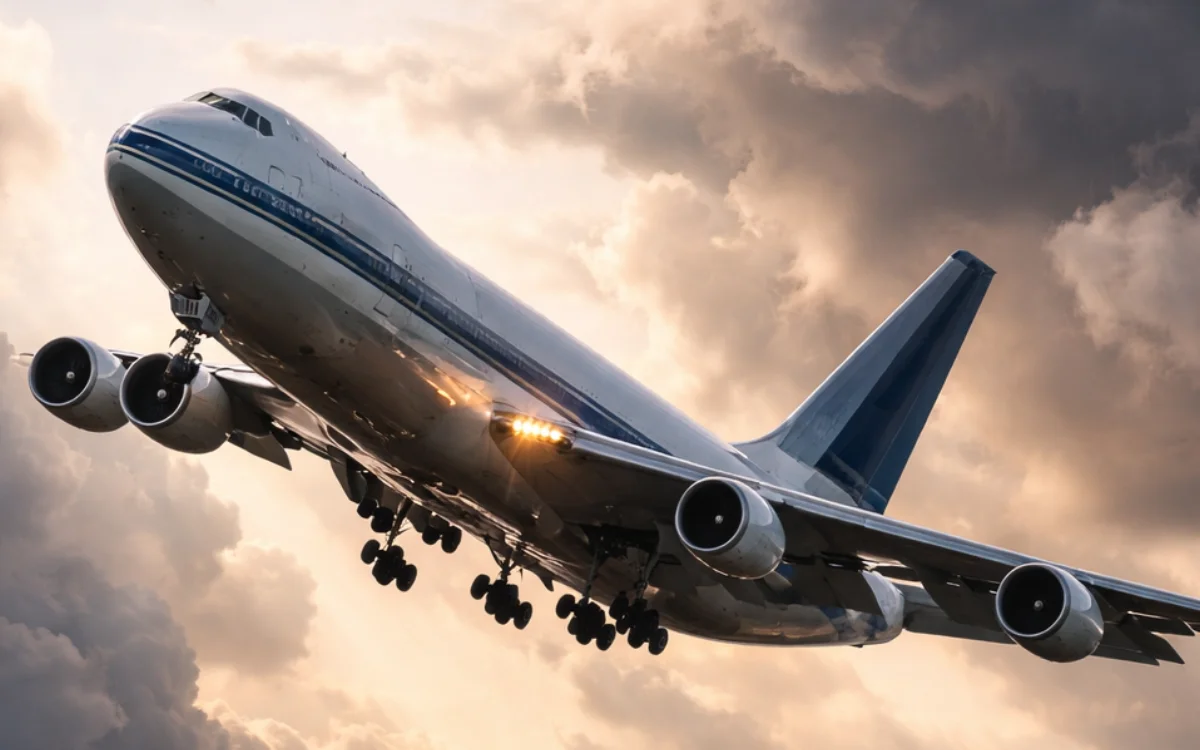
But modern doesn’t always mean fastest, and the title of ‘Fastest 747’ actually belongs to its predecessor, the 747-400.
For the 747-8, Boeing ‘sacrificed’ a bit of speed at the altar of efficiency.
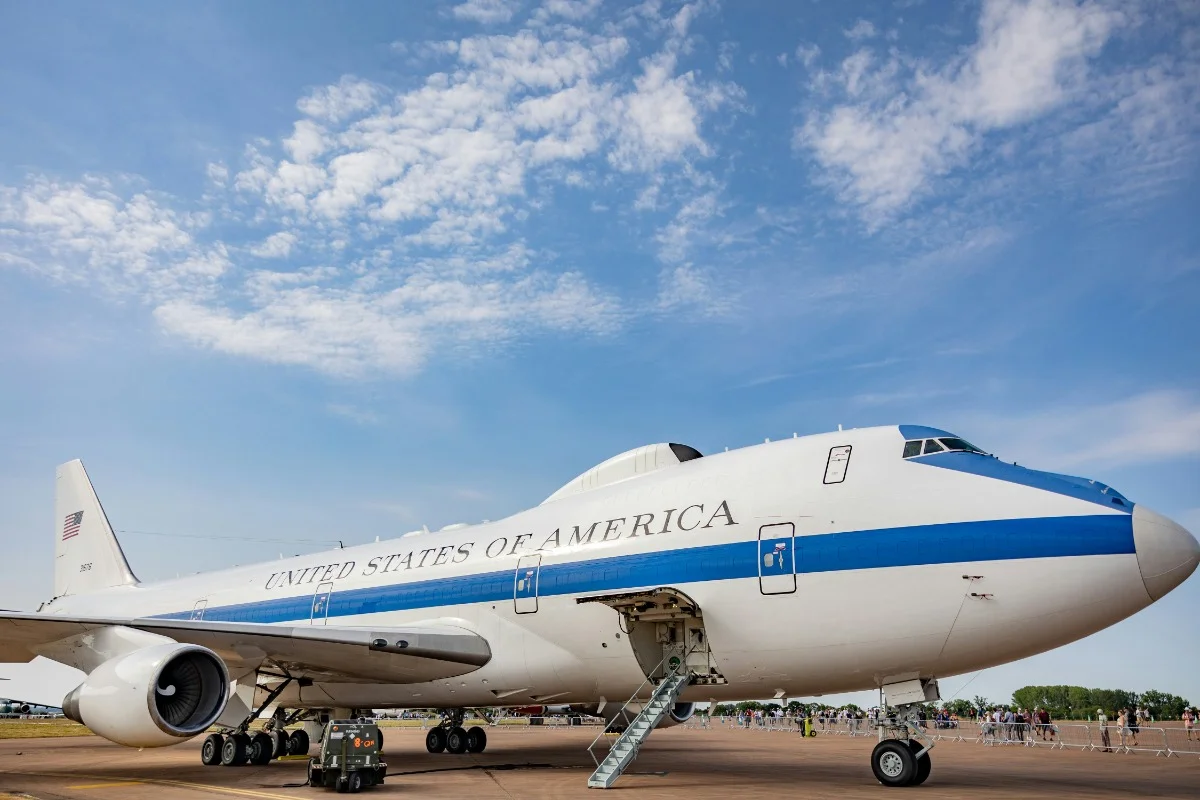
The Boeing 747-400 had a cruise speed of Mach 0.85 (equivalent to 567mph) and a top speed of 0.92 (614mph), while the 747-8 ‘only’ did Mach 0.90 (600mph).
That’s a 2.17 percent decrease in top speed, but the 747-8 was 16 percent more fuel efficient than its predecessor.
Not a bad compromise.
We’ve gone backwards
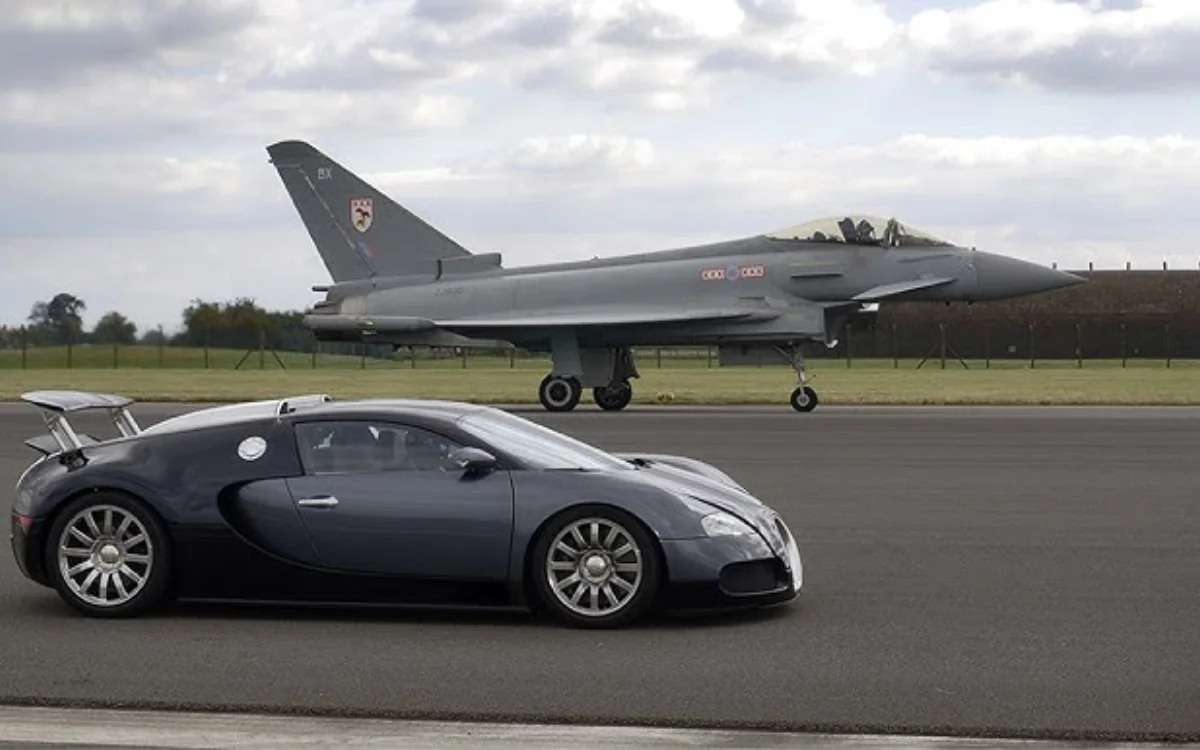
The fastest car today – Yangwang U9 Xtreme – is about 200km/h faster than the fastest car in the 1970s.
The fastest train today is probably three or four times faster than a train in the 1970s.
But, for some reason, the fastest plane today is twice as slow as the fastest plane in the 1970s.
And that’s because the fastest airliner in the 1970s was, of course, Concorde.
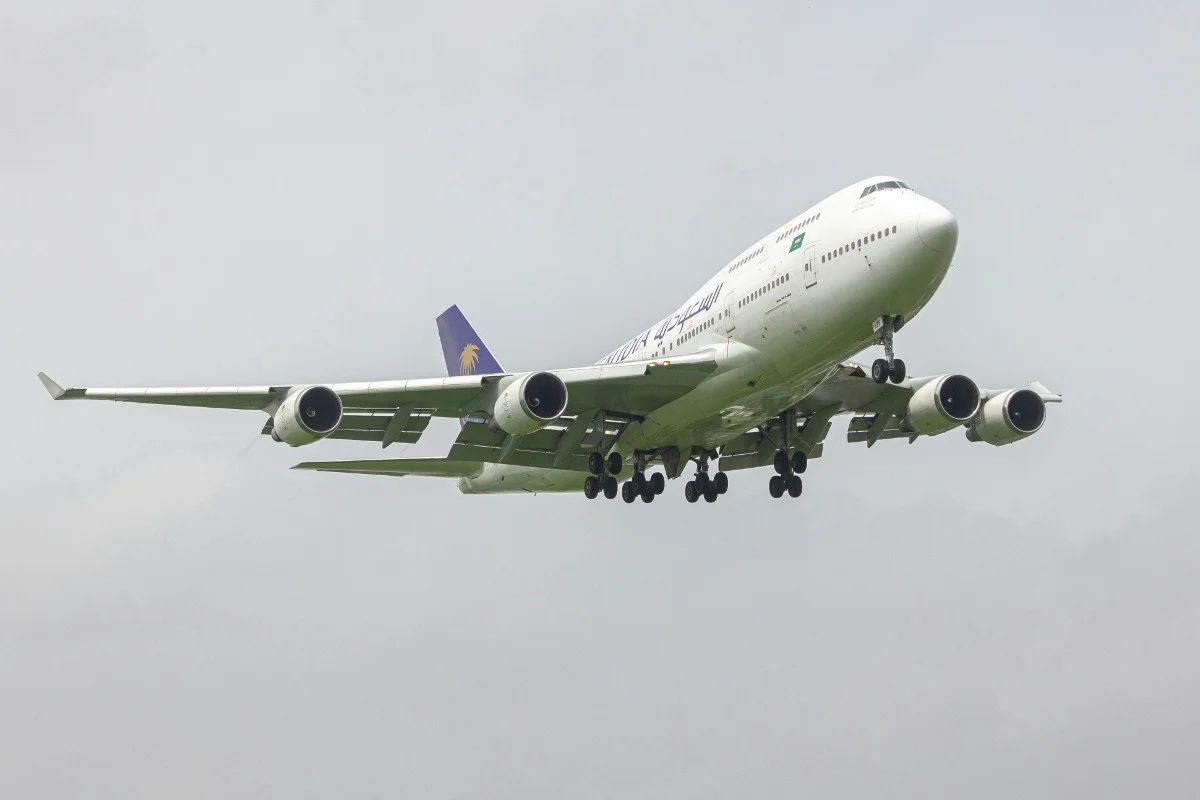
Concorde is beginning to look like a lightning-in-a-bottle experiment that worked because companies had money and more ‘guts’ fueled by much looser regulations and generous subsidies from the UK and France.
Today, a lot of companies still have money, but they’re drowning in legal red tape, which is why building a supersonic airliner is something only a few companies are – very timidly – working on.
But we’re still years away from a supersonic commercial airliner.
Pity.
Alessandro is an automotive journalist with 10 years of experience covering supercars, automotive history, emerging vehicle technology, and luxury transportation. He wrote the first article published on SupercarBlondie.com when the website launched in 2022 and has since built a reputation for insightful reporting across the automotive and transportation industries. His expertise is grounded in hands-on experience. Alessandro has driven every Tesla model ever produced, from the original Roadster to the Cybertruck, and regularly covers the latest developments in electric vehicles and automotive innovation. His passion for transportation extends beyond cars, he has even flown a Boeing 787 Dreamliner simulator in Addis Ababa, Ethiopia. His reporting spans everything from classic American muscle cars and rare automotive discoveries to luxury yachts, private aircraft, high-end watches, and cutting-edge vehicle technology. Known for his deep knowledge of automotive history and ability to uncover the stories behind iconic vehicles, Alessandro brings readers a blend of historical context, technical expertise, and first-hand experience.