Mechanical engineer explains if it's possible for a car to hit its top speed while driving in reverse
Published on Oct 05, 2026 at 10:07 PM (UTC-4)
by Alessandro Renesis
Last updated on Oct 05, 2026 at 10:07 PM (UTC-4)
Edited by
Mason Jones
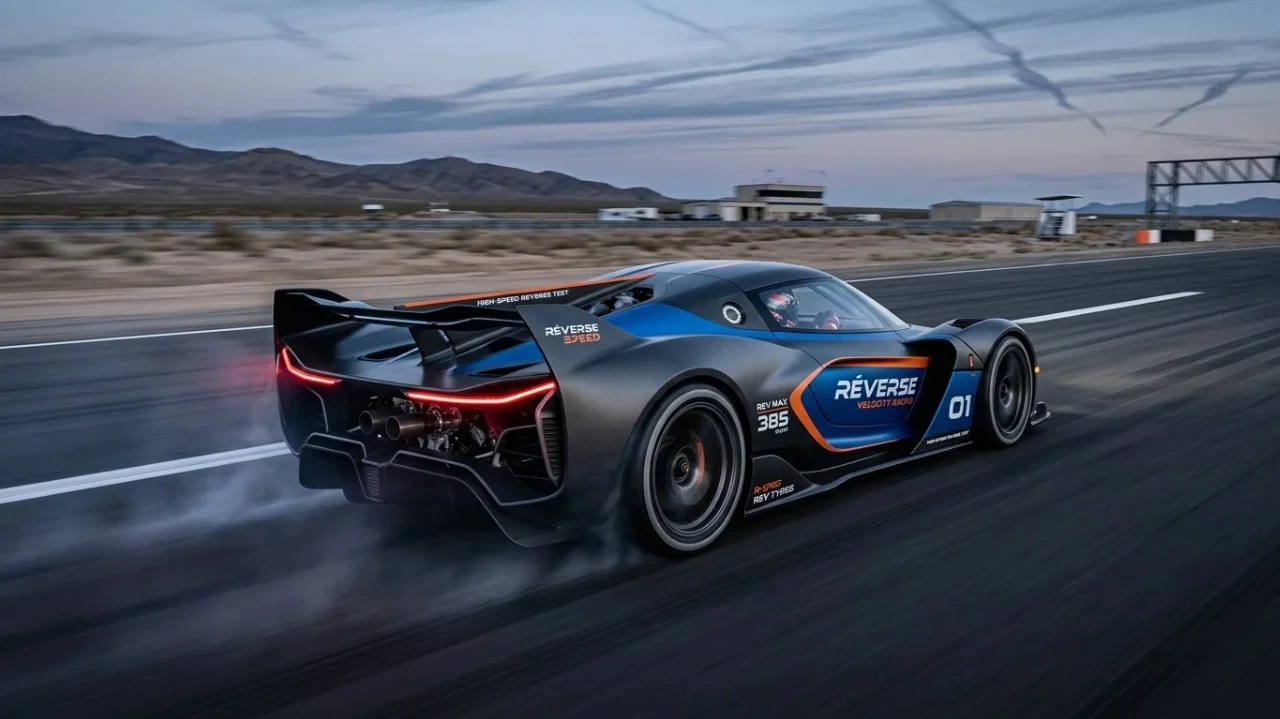

When the Rimac Nevera set a new world speed record driving in reverse, a lot of people asked a very specific question that requires an answer from a mechanical engineer.
Can a car achieve its theoretical top speed in reverse?
It’s a straightforward and simple question, but also a good one.
We asked a mechanical engineer, and his answer was not what we expected.
Could a gas car do this?
When the electric Rimac Nevera set a world record by reaching 171 mph in reverse, it broke a record previously held by another EV.
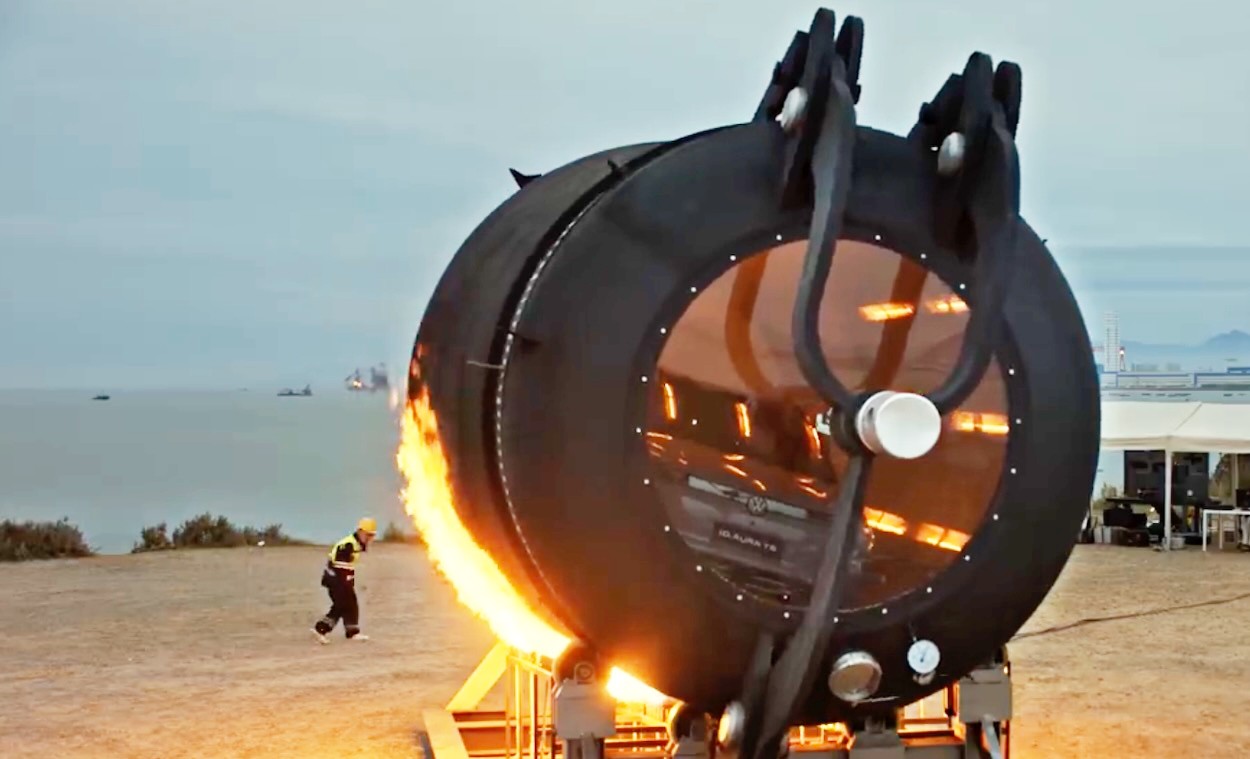
Because of the way they work, setting similar records with an EV like the Rimac Nevera is much easier than it would be with a gas car.
In a gas car, there are so many moving parts engineered to rotate and function in a single direction.
They’re not engineered to do the same thing in reverse, which is why in a gas car, reverse is a low gear with a very limited top speed.
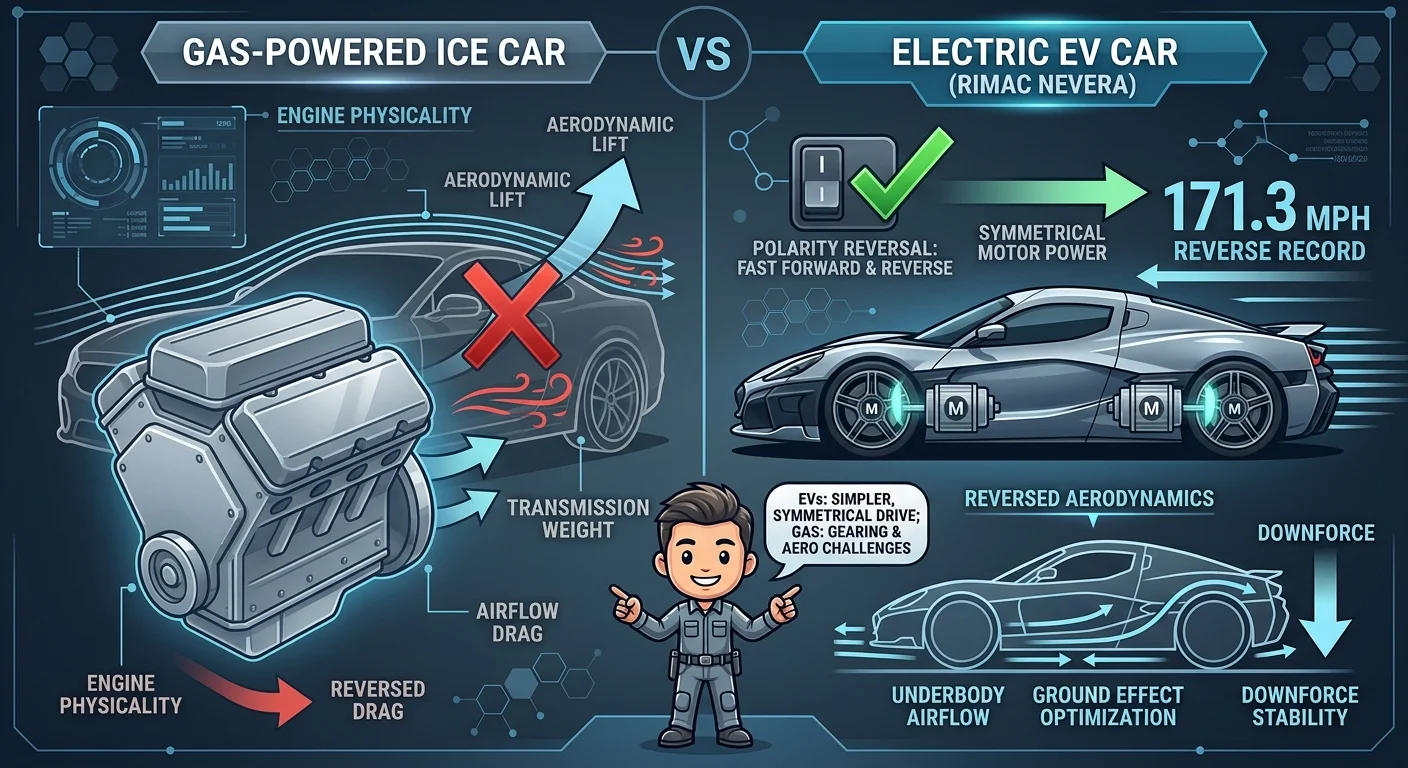
In an electric car, it’s like flicking a switch, and so whether you’re moving forwards or backwards doesn’t really matter, mechanically.
So this was our first question.
Simone Bianconi, our go-to mechanical engineer, had something to say about that.
“I don’t know, which is every engineer’s favorite answer,” he laughed.
“Jokes aside. In theory, you can figure out a way. With an internal combustion car, you’d have to completely re-engineer the transmission with custom gear ratios to make reverse go that fast instead of relying on a tiny, low-speed idler gear. It’s not super easy, but you could build a solution.”
It sounds like there’s a but coming.
And there is.
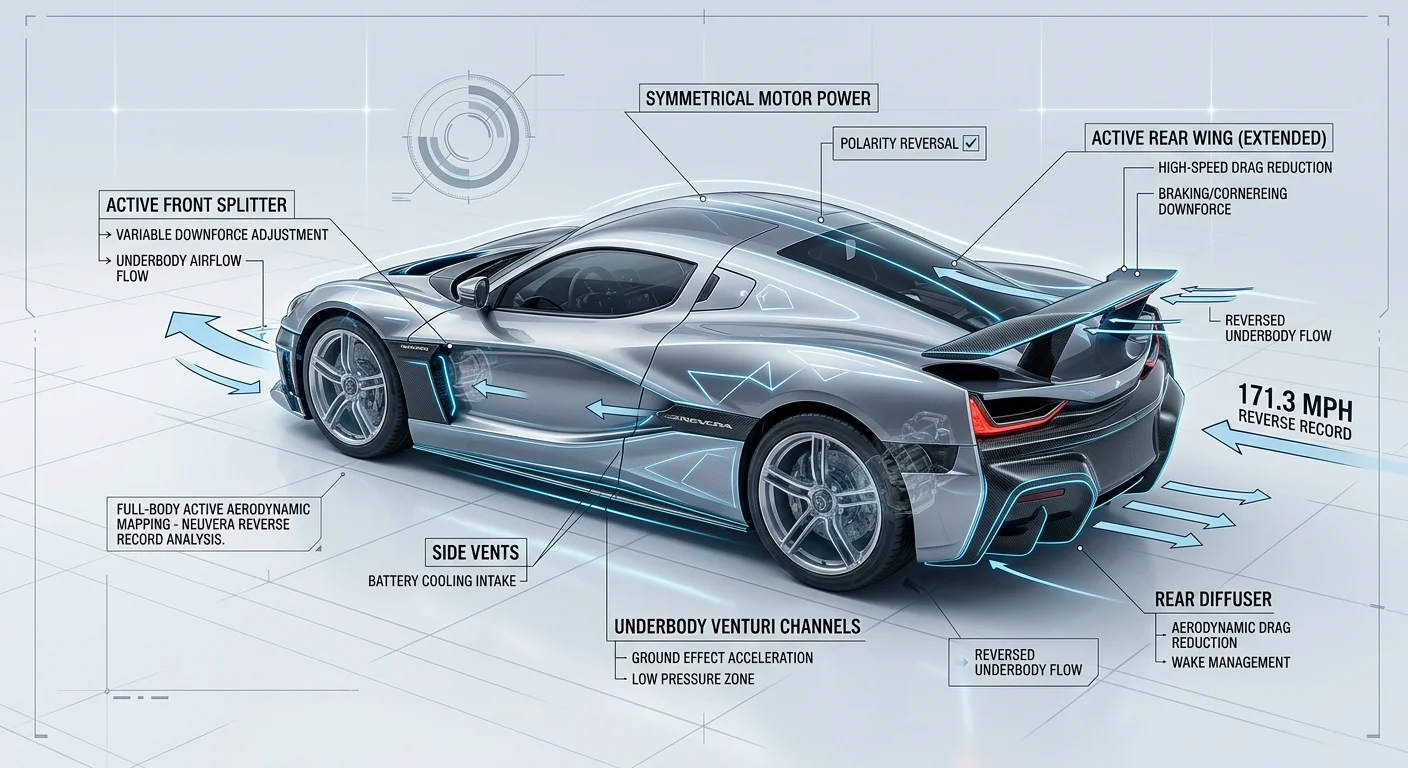
The engineer explained why your main problem would be ground effect
Aerodynamic resistance is the main enemy if your goal is to achieve the highest possible top speed.
“If you have a flat, low-to-the-ground vehicle, you can achieve higher top speeds. But you also need to worry about ground effect,” he noted.
“The air that goes under the car needs to move faster than the air flowing over it, creating lower pressure under the chassis so the car gets pushed to the ground. If the opposite happens, the car literally takes off.
“That’s the main risk,” he concluded.
Why it wouldn’t look like a car
High-performance cars all follow the same aerodynamic principles.
They’re low to the ground with front splitters and air scoops, and slope upward toward the rear, where wings and spoilers reside.
This allows the vehicle to ‘cut’ through the air while also generating downforce to keep it on the ground.
In reverse, you’re generating the exact opposite effect.
This leaves you with two choices.
You can either put a wing at the front and a splitter at the back, potentially bigger wheels at the front and smaller at the back, and so on.
But then can you really say you’re going in reverse?

That’s like saying, ‘I want a cheeseburger, not a steak – but drop the cheese, drop the buns, and replace the patty with a steak’.
Or, as a second option, you could build a machine specifically engineered to achieve high speeds backwards.
And that, like all record-breaking speed machines, wouldn’t look like a car at all.
Alessandro is an automotive journalist with 10 years of experience covering supercars, automotive history, emerging vehicle technology, and luxury transportation. He wrote the first article published on SupercarBlondie.com when the website launched in 2022 and has since built a reputation for insightful reporting across the automotive and transportation industries. His expertise is grounded in hands-on experience. Alessandro has driven every Tesla model ever produced, from the original Roadster to the Cybertruck, and regularly covers the latest developments in electric vehicles and automotive innovation. His passion for transportation extends beyond cars, he has even flown a Boeing 787 Dreamliner simulator in Addis Ababa, Ethiopia. His reporting spans everything from classic American muscle cars and rare automotive discoveries to luxury yachts, private aircraft, high-end watches, and cutting-edge vehicle technology. Known for his deep knowledge of automotive history and ability to uncover the stories behind iconic vehicles, Alessandro brings readers a blend of historical context, technical expertise, and first-hand experience.